
Navigating the legal landscape of recording conversations can be a complex affair, especially when you’re on the go, perhaps planning a trip to the Golden State. While the primary focus of our website revolves around the joys of travel, from exploring breathtaking Landmarks and immersing yourself in Local Culture to finding the perfect Accommodation and enjoying diverse Lifestyles, understanding the rules around privacy and recording is a crucial, albeit less glamorous, aspect of responsible travel and everyday life. This article aims to demystify the laws concerning recording conversations in California, offering clarity for travelers, locals, and anyone seeking to understand their rights and responsibilities.

Understanding California’s Recording Laws: The All-Party Consent Rule
At the heart of California’s approach to recording conversations is the concept of “all-party consent.” This is a critical distinction that sets it apart from states that operate under a “one-party consent” rule.
What is All-Party Consent?
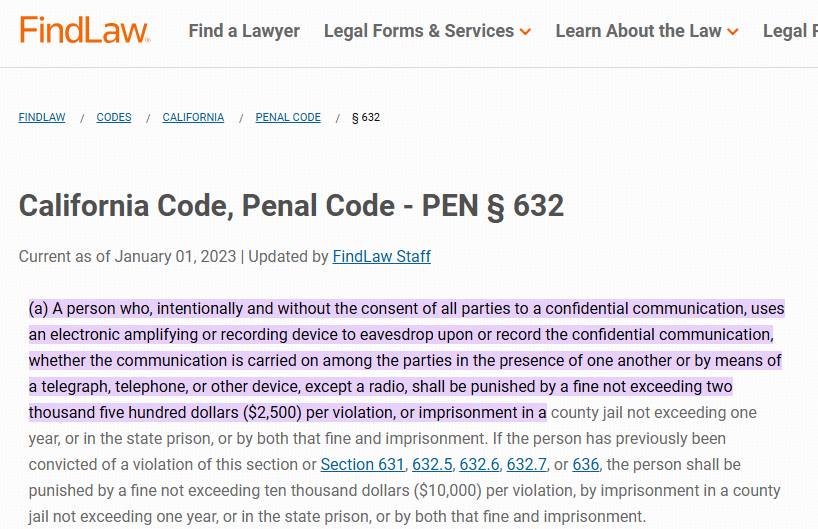
In California, it is generally illegal to record a confidential communication without the consent of all parties involved in the conversation. This means that if you are having a conversation that is considered confidential, and you wish to record it, you must obtain permission from everyone participating in that conversation before hitting the record button.
What Constitutes a “Confidential Communication”?
The term “confidential communication” is key to understanding the scope of the law. California Penal Code Section 632 defines a confidential communication as “any communication carried on in circumstances as may reasonably indicate that any party to the communication desires it to be confined to the parties thereto, but excludes a communication made in a public gathering or in any legislative, judicial, executive or administrative proceeding open to the public, or in any other circumstance in which the parties to the communication may reasonably expect that the communication may be overheard or recorded.”
In simpler terms, if a conversation takes place in a setting where the participants can reasonably expect their words to be private, then it is considered confidential. This would typically include conversations held in private homes, hotel rooms, quiet corners of a café where you’re speaking with someone directly, or even a business meeting in a private office.
Conversely, a conversation taking place in a very public and noisy environment, where it’s apparent that others might overhear or that the setting is not designed for privacy, might not be considered confidential. However, even in such situations, the expectation of privacy can still exist, making it a gray area. The law is designed to protect against the surreptitious interception of private discussions.
The Legal Ramifications of Violating the Law
Failing to adhere to California’s all-party consent law can lead to significant legal consequences. These can include:
- Civil Penalties: Individuals who violate the law can be sued for damages. This can include statutory damages of $5,000 per violation or three times the actual damages suffered, whichever is greater.
- Criminal Penalties: Recording a confidential communication without consent is a misdemeanor offense in California. This can result in fines and even imprisonment.
- Exclusion of Evidence: Any recordings made in violation of the law are generally inadmissible as evidence in court.
Given these serious repercussions, it’s imperative to understand and respect the all-party consent rule.
Practical Implications for Travelers and Everyday Life
While the legal jargon can be daunting, understanding the practical implications of California’s recording laws is essential for anyone spending time in the state, whether you’re a tourist exploring the wonders of Yosemite National Park, staying at a luxury Resort in Palm Springs, or conducting business in Los Angeles.
Recording Conversations with Others
When you are in California and wish to record a conversation you are participating in, you must obtain consent from everyone else involved. This applies to:
- Business Meetings: If you are meeting with colleagues, clients, or partners in California, and the conversation is confidential, you need their explicit permission to record. This could be a formal written consent or a clear verbal agreement acknowledged by all parties.
- Interviews: Whether you are conducting an interview for a travel blog, a journalistic piece, or a job application, ensure all interviewees consent to being recorded.
- Personal Conversations: Even seemingly casual conversations with friends or family members in a private setting can be considered confidential. It’s always best practice to ask for consent.

How to Obtain Consent
The most straightforward way to obtain consent is verbally, at the beginning of the conversation. You could say something like, “I’d like to record this conversation for my notes. Is that okay with everyone?” If all parties agree, you have their consent. It is even better to have this consent in writing, especially for more formal or sensitive discussions. This can be a simple email or a signed document.
Recording Telephone Calls
The all-party consent rule also extends to telephone calls. If you are in California and wish to record a phone conversation, you must obtain consent from the person on the other end of the line if they are also in California or if the call is subject to California law.
- Outbound Calls: If you are calling someone from California to another location, and you wish to record, you need to consider the laws of the other party’s location as well. However, the most conservative and legally safest approach is to always seek consent if you are the one initiating the recording.
- Inbound Calls: If someone calls you in California and wishes to record, they must obtain your consent. Many automated systems that offer call recording will provide a notice and require an affirmative action (like pressing a button) to indicate consent.
Exceptions to the Rule
While the all-party consent rule is broadly applied, there are a few exceptions, though they are generally narrow:
- Public Gatherings and Official Proceedings: As mentioned earlier, communications made in public gatherings or open legislative, judicial, executive, or administrative proceedings are generally not considered confidential and therefore may not require consent to be recorded. This would include attending a public lecture at a museum or a government meeting.
- Situations Where There’s No Reasonable Expectation of Privacy: If a conversation is conducted in a setting where it’s clear that it can be overheard or recorded, the law might not apply. However, relying on this exception can be risky as the interpretation of “reasonable expectation of privacy” can be subjective.
Exceptions to the All-Party Consent Rule in Specific Scenarios
Beyond the general exceptions, it’s worth noting how the law might apply in contexts relevant to our website’s themes. While the core principle of all-party consent remains, certain nuances can arise when discussing travel, accommodation, and lifestyle experiences.
Recording Public Attractions and Tours
When you are visiting tourist destinations in California, such as iconic landmarks like the Golden Gate Bridge or the vibrant streets of San Francisco, the situation regarding recording becomes less about personal conversations and more about public spaces.
- Recording Sounds and Ambiance: Generally, recording the ambient sounds, music, or general atmosphere of a public attraction is not subject to consent laws, as these are not considered confidential communications. This is common when capturing the essence of a destination for a travel diary or a personal video.
- Recording Guided Tours: If you are on a guided tour, for instance, a historical tour of Alcatraz Island, the tour guide is speaking in a public capacity. Recording their narration might be permissible for personal use, though it’s always respectful to check if the tour operator has any specific policies against it. However, if you engage in a private conversation with a fellow tourist during the tour, that side of the interaction would still fall under the all-party consent rule.
- Capturing Performances or Events: Recordings of public performances, concerts at venues like the Hollywood Bowl, or cultural festivals in cities like San Diego are usually permitted for personal use, as these are designed for public consumption.
Interactions within Hotels and Accommodation
When you are staying in various forms of Accommodation in California, from luxurious Suites at the Ritz-Carlton Laguna Niguel to charming Villas or budget-friendly Apartments, the expectation of privacy within your rented space is generally high.
- Room Service and Staff Interactions: If you are speaking with hotel staff, such as room service or front desk personnel, about private matters within your room or during a confidential discussion, their consent is still required to record. While they are acting in a professional capacity, the communication can still be deemed confidential.
- Conversations with Travel Companions: Any conversations you have with your travel companions within the privacy of your hotel room, vacation rental, or any private accommodation are considered confidential, and all parties must consent to recording.
- Public Areas of Hotels: Conversations in the public areas of a hotel, like a bustling lobby or a noisy restaurant, might fall into a gray area, similar to other public spaces. However, the more intimate the setting within the hotel, the stronger the expectation of privacy.
Maintaining Ethical Considerations and Best Practices
Regardless of whether a specific interaction falls under a strict legal definition of “confidential,” maintaining ethical considerations and adopting best practices for recording is always advisable.
- Transparency is Key: The simplest and most ethical approach is to be transparent. Inform people when you intend to record. This not only ensures legal compliance but also fosters trust and respect in your interactions, whether you’re discussing travel plans, local cuisine, or lifestyle choices.
- Prioritize Consent: Always err on the side of caution and seek consent. It takes only a moment to ask and ensures you avoid any potential legal pitfalls.
- Respect Privacy: Even if a conversation might not technically be considered “confidential” under the law, it doesn’t mean the participants expect it to be broadcast or shared widely. Respecting individuals’ privacy is a fundamental aspect of responsible interaction.
- Understand the Purpose: Consider why you want to record. Is it for personal memory, professional documentation, or something else? The purpose might sometimes influence the perceived legitimacy of recording, but it does not negate the legal requirement for consent in confidential communications.
In conclusion, while California offers an incredible array of experiences for every type of traveler, from the adventurous explorer of national parks to the discerning guest at world-class Resorts, understanding and respecting its privacy laws, particularly the all-party consent rule for recording confidential conversations, is paramount. By prioritizing transparency and seeking consent, you can ensure your interactions are both legal and respectful, allowing you to fully enjoy all that the Golden State has to offer without unintended legal complications.