
For many, the allure of the California lifestyle extends far beyond its iconic beaches, vibrant cities, and groundbreaking innovation. It often represents a desire for a deeper connection, a commitment to a new way of life that goes beyond transient visits. Whether you’re considering a long-term relocation, an extended professional assignment, or simply seeking to immerse yourself fully in the Golden State’s dynamic culture, questions about civic participation inevitably arise. A crucial aspect of truly embracing a new home is understanding your ability to contribute to its democratic process. This article delves into the specifics of voter registration in California, addressing whether you can still register and how to navigate the process as you transition from visitor to engaged resident, fully integrating into your chosen lifestyle.
Embracing the California Lifestyle: Beyond Tourism
California isn’t just a destination; it’s a way of life that draws millions seeking opportunity, innovation, and a distinct cultural experience. From the sun-drenched coastlines of Southern California to the tech-driven landscape of Silicon Valley and the artistic enclaves of Northern California, the state offers a mosaic of environments. For those planning an extended stay or a full relocation, the initial fascination with attractions like the Golden Gate Bridge or Disneyland soon evolves into a desire to truly settle in and participate in local life. This deeper engagement is where civic responsibilities, like voting, become relevant to your new California lifestyle.
The Allure of Long-Term Stays in the Golden State
The decision to move to California for an extended period is often driven by career opportunities, educational pursuits, or a desire for a significant lifestyle change. Many individuals find themselves drawn to specific regions, envisioning a life that merges professional growth with personal fulfillment. Perhaps you’re establishing a business in Los Angeles, pursuing a degree at a University of California campus in Berkeley, or joining a vibrant community in San Diego. In each scenario, the objective transcends a mere visit. You’re not just observing; you’re participating, building a network, and investing in the fabric of your new community. This transition naturally prompts inquiries into the rights and responsibilities that come with residency, including the fundamental right to vote. Understanding how and when you can register becomes an integral part of planning your long-term life in the state, ensuring you can contribute to the decisions that shape your new home.
From Visitor to Resident: Understanding Your New Context
The journey from being a tourist to becoming a bona fide resident of California involves a series of practical and legal steps. Establishing residency typically entails acquiring a California driver’s license or state ID, registering your vehicle, securing long-term housing, and often, transferring your professional or academic affiliations. These actions signify a deeper commitment to the state and open the door to various resident-specific benefits and obligations. One of the most significant aspects of this transition is the ability to influence local and statewide governance through voting. For those who have made California their home, even if temporarily for several years, the opportunity to register to vote is a key indicator of civic integration. It allows you to have a voice in policies affecting everything from local school boards and community development to state taxes and environmental regulations – all of which directly impact your daily life and future in California.
Navigating Civic Engagement as a New California Resident
Once you’ve firmly planted your roots in California, whether in Sacramento, Fresno, or Oakland, the next logical step for many is to engage in the civic process. The good news is that California is known for its relatively accessible voter registration system. Understanding the specific requirements, deadlines, and alternative options is crucial for anyone looking to cast their ballot and become an active participant in the state’s democracy. This section breaks down the essential information you need to register successfully and contribute to your new California lifestyle.
Eligibility Requirements for California Voters
Before you can register, it’s essential to confirm that you meet the fundamental eligibility criteria set by the state of California. Generally, to register to vote in California, you must be:
- A United States citizen.
- A resident of California. This means you have established a physical domicile in the state with the intent to remain there. This is where your transformation from a visitor to a resident becomes particularly relevant.
- At least 18 years old by the date of the next election.
- Not currently serving a state or federal prison term for the conviction of a felony.
- Not currently found mentally incompetent to vote by a court.
If you satisfy these basic conditions, you are eligible to register. It’s important to note that the residency requirement is crucial; simply having a temporary address or being a transient visitor does not qualify you. You must demonstrate a genuine intent to make California your home.
Key Deadlines and How to Register
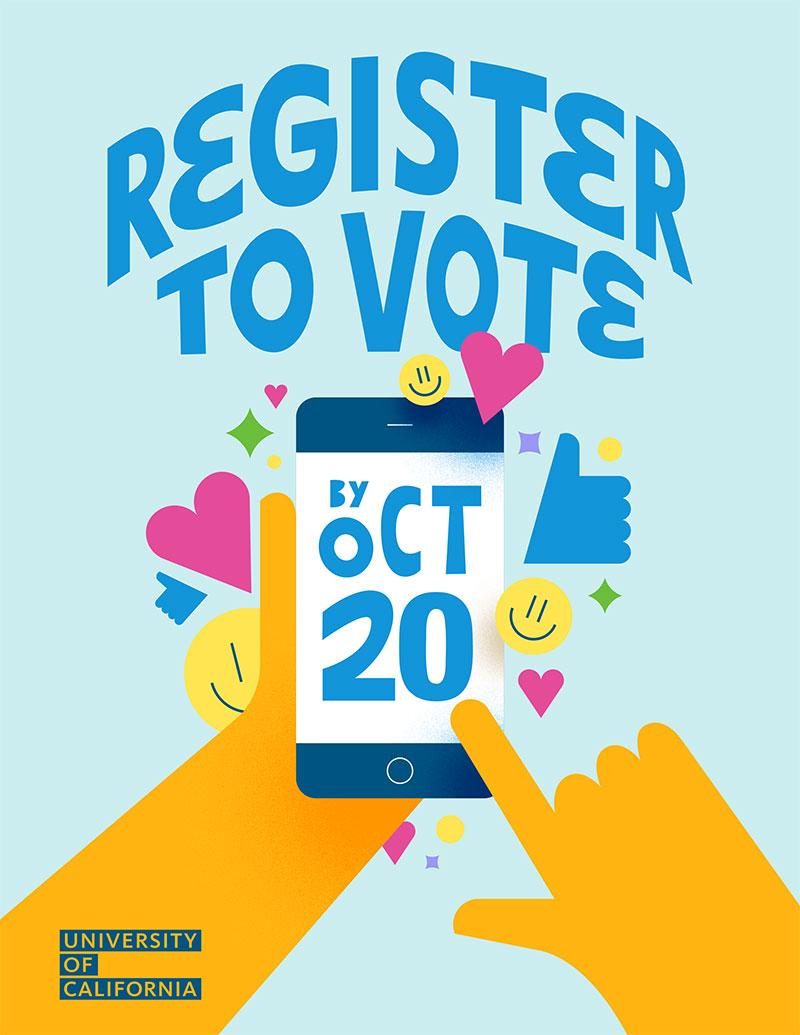
California maintains a standard voter registration deadline, which is generally 15 days before an election. This means that if you wish to vote in a particular election, your voter registration application must be submitted and postmarked by this deadline. For example, if a primary election is scheduled for March 5th, the registration deadline would typically fall on February 19th. It is always wise to check the California Secretary of State‘s official website or your local County Elections Office (e.g., Orange County Registrar of Voters) for the exact dates pertaining to upcoming elections.
There are several convenient ways to register:
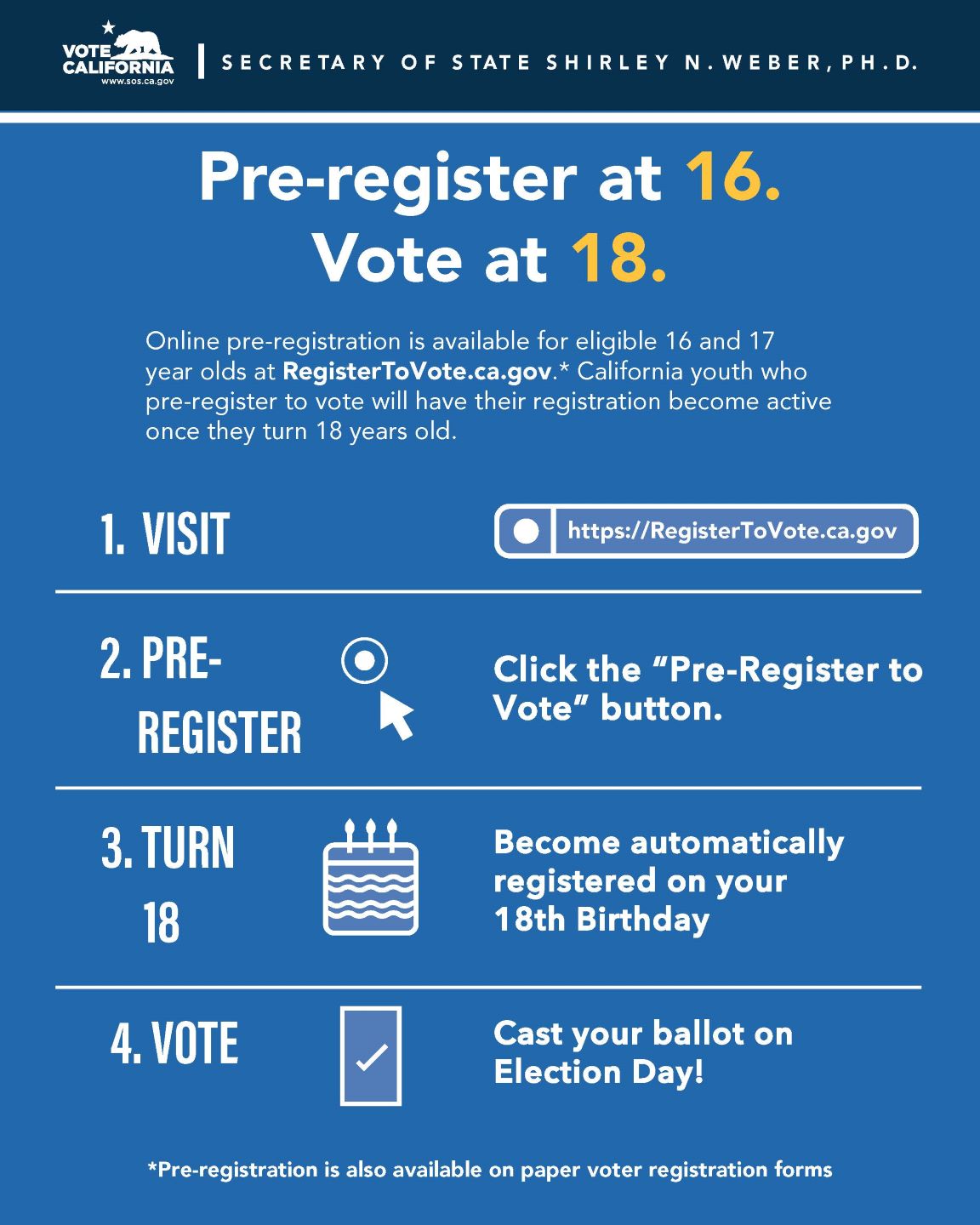
- Online: The quickest and most common method is through the California Secretary of State’s official website. You will need your California driver’s license or state ID card number, the last four digits of your social security number, and your date of birth.
- By Mail: You can pick up a paper voter registration form at most post offices, public libraries, or Department of Motor Vehicles (DMV) offices. Fill it out and mail it to your County Elections Office.
- In Person: You can register in person at your County Elections Office or at the DMV when applying for or renewing your driver’s license or ID card.
Conditional Voter Registration: A Safety Net for Latecomers
Even if you miss the 15-day regular registration deadline, California offers a crucial provision known as Conditional Voter Registration (CVR). This means that individuals can register and cast a provisional ballot on Election Day or during the 14 days immediately preceding Election Day at their County Elections Office or at any designated satellite voting location. Your provisional ballot will be counted once the County Elections Official has verified your eligibility. This “same-day” registration option is a testament to California’s commitment to broad voter access, ensuring that even those who relocate or decide to engage at the last minute still have an opportunity to participate. It’s an invaluable resource for newcomers who might be navigating the complexities of their new California lifestyle and missed the earlier cut-off.

The Practicalities of Becoming an Engaged Citizen
Successfully registering to vote is a straightforward process in California, particularly with the various options available. However, ensuring your registration is accurate, and understanding how to maintain it, are equally important steps in solidifying your role as an active citizen. As you settle into your new California lifestyle, these practical considerations will help ensure your voice is heard in every election.
Required Documentation and Information
When you register to vote in California, you’ll need to provide some basic personal information to verify your identity and eligibility. This typically includes:
- Full Name and Current Residential Address: This must be a physical address where you reside, not a P.O. Box.
- Date of Birth: To confirm you meet the age requirement.
- California Driver’s License or State ID Number: If you have one.
- Last Four Digits of Your Social Security Number: This helps verify your identity.
- Party Preference: While not mandatory, you can choose to affiliate with a political party or register as “no party preference.” Your choice impacts which ballots you receive in primary elections.
Having this information readily available will make the registration process quick and seamless, especially when registering online. It reinforces your status as a legitimate resident and enables the County Elections Official to accurately place you in the correct voting district.
Online, Mail, and In-Person Registration Options
California offers maximum flexibility for voter registration, catering to different preferences and situations.
- Online Registration: This is arguably the most efficient method. The California Secretary of State’s website provides a user-friendly portal that guides you through each step. Once completed, your application is electronically submitted, and you’ll typically receive a confirmation email. This option is ideal for those who are tech-savvy and prefer a quick digital process.
- Mail-in Registration: For those who prefer paper forms, these are widely available. After filling out the form, ensure it is properly addressed to your County Elections Office and mailed by the deadline. This method provides a tangible record of your application.
- In-Person Registration: If you need assistance or prefer a direct interaction, visiting your local County Elections Office allows staff to guide you through the process and answer any questions. The DMV also offers voter registration services as part of their “Motor Voter” program, making it convenient to register when handling other residency-related tasks.
Regardless of the method chosen, it’s prudent to double-check all information for accuracy before submission to avoid any delays or issues with your registration.
Maintaining Your Voter Registration Status
Once registered, it’s essential to keep your information current, especially if your new California lifestyle involves moving within the state. If you change your address, name, or political party preference, you must update your voter registration. Failure to do so could result in you not receiving your ballot or being assigned to the wrong polling place. You can update your information online through the California Secretary of State’s website, by mail, or in person. It’s a good practice to verify your registration status periodically, particularly before an upcoming election, to ensure everything is in order. This proactive approach helps guarantee that your right to vote remains protected and accessible, allowing you to consistently participate in the democratic process that defines your adopted California community.
Impact on Your California Experience
Becoming a registered voter in California is more than just a procedural step; it’s a profound integration into the state’s civic life. It signifies a deeper commitment to your adopted home and provides you with a direct avenue to influence the policies and leadership that shape your everyday existence. This participation enriches your personal California experience, connecting you to the community and empowering you to help steer its future.
Local Elections and Community Involvement
While presidential and statewide elections often capture national attention, local elections are arguably where your vote can have the most immediate and tangible impact on your California lifestyle. These elections determine who sits on city councils, school boards, county commissions, and special districts. They influence decisions on local zoning laws, public safety initiatives, funding for parks and libraries, and the quality of your children’s education. By participating in these local contests, you directly contribute to shaping the environment and services in your immediate neighborhood, whether that’s in the bustling heart of San Francisco or a quieter suburban community like Pasadena. Your engagement helps ensure that the specific needs and values of your community are represented in local governance, aligning your civic actions with your personal investment in the area.
Shaping Your New Home
As a newly registered voter, you gain a powerful tool to advocate for the issues you care about. California often features numerous ballot propositions and initiatives, allowing citizens to directly vote on laws and constitutional amendments. This direct democracy provides an unparalleled opportunity to influence policy on a wide range of topics, from environmental protection and housing affordability to healthcare and infrastructure development. Your ballot choices contribute to the collective direction of the state, directly impacting the quality of life, economic landscape, and social fabric of California. This ability to shape your new home through informed voting is a defining characteristic of an engaged California lifestyle, offering a sense of ownership and responsibility over the future of the Golden State.
Resources for New Residents and Voters
California provides a wealth of resources to help new residents and voters navigate the civic landscape. The California Secretary of State’s website is the primary hub for voter information, offering details on upcoming elections, candidate statements, ballot measure analyses, and tools to check your registration status. Each County Elections Office also provides localized information, including polling place lookups and election results specific to your area. Additionally, numerous non-partisan organizations across the state, such as the League of Women Voters of California, offer educational materials and voter assistance programs. Leveraging these resources ensures you remain well-informed and confident in your ability to exercise your democratic rights, fully integrating into the vibrant and participatory California lifestyle you’ve chosen to embrace. Becoming a registered voter is a cornerstone of building a lasting and meaningful life in the Golden State, allowing your voice to resonate within its dynamic political landscape.
LifeOutOfTheBox is a participant in the Amazon Services LLC Associates Program, an affiliate advertising program designed to provide a means for sites to earn advertising fees by advertising and linking to Amazon.com. Amazon, the Amazon logo, AmazonSupply, and the AmazonSupply logo are trademarks of Amazon.com, Inc. or its affiliates. As an Amazon Associate we earn affiliate commissions from qualifying purchases.