
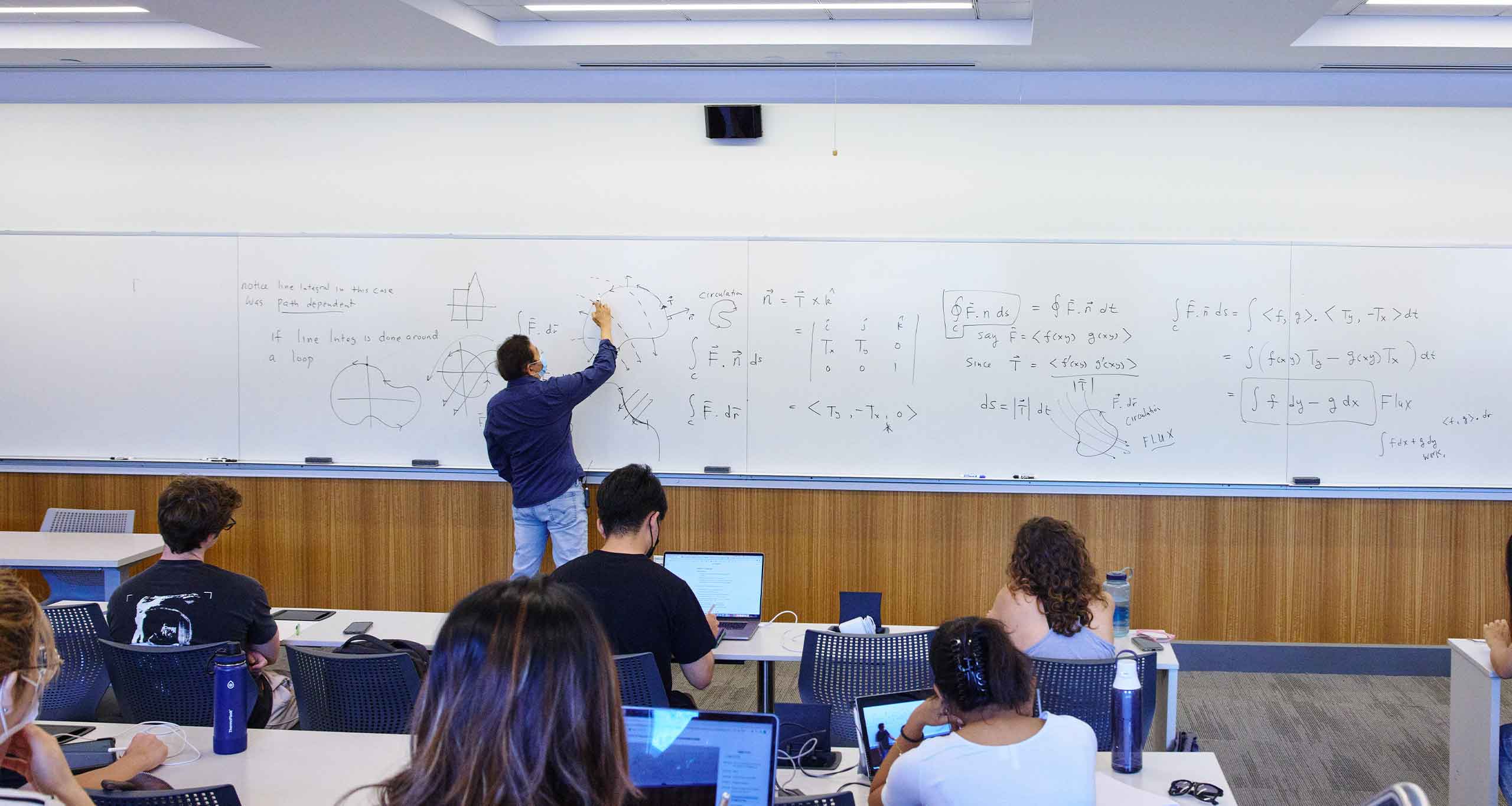
Embarking on a summer academic journey at a prestigious institution like Boston College presents a unique blend of intellectual growth and travel experience. For many, the idea of accelerating their studies, specifically tackling a challenging subject like calculus, while simultaneously immersing themselves in a new city, is an appealing prospect. Taking calculus over the summer at Boston College is indeed a possibility, offering a condensed, intensive learning environment. However, it’s not just about the coursework; it’s an opportunity to experience Boston through the lens of a student, balancing rigorous academics with the exploration of one of America’s most historic and vibrant cities. This guide delves into the travel and experience aspects of such a venture, transforming a summer course into a comprehensive “study-cation.”
Planning Your Academic Journey to Boston
The decision to pursue summer calculus at Boston College is the first step in an exciting travel itinerary. Effective planning is crucial to maximize both your academic success and your enjoyment of Boston as a destination. This involves understanding the university’s summer offerings, managing your travel logistics, and preparing for an enriching stay.
Navigating Boston College’s Summer Session
Boston College typically offers several summer sessions, often structured to accommodate different academic paces. These sessions compress a semester’s worth of material into a few intense weeks, making the learning experience immersive and demanding. Prospective students should meticulously review the specific course catalog for summer calculus offerings, paying close attention to prerequisites, session dates, and application deadlines. Understanding the format – whether it’s an accelerated six-week program or a slightly more extended eight-week one – will inform your travel planning, including accommodation bookings and personal time management. Early application is always advisable, not only for course registration but also for securing ideal travel arrangements and potentially on-campus housing.
Essential Pre-Departure Checklist
Beyond academic preparations, a comprehensive travel checklist ensures a smooth transition to your summer home in Boston. This includes confirming your enrollment and course schedule, organizing necessary academic materials, and packing thoughtfully for a New England summer. Summers in Boston can range from warm and humid to pleasantly mild, so versatile clothing layers are recommended. Don’t forget essentials like comfortable walking shoes for campus navigation and city exploration, a reliable laptop, and any personal items that will make your temporary residence feel like home. For those traveling internationally, securing appropriate visas and understanding local customs and transportation systems are paramount. Researching local public transport, particularly the MBTA (“the T”), will be invaluable for navigating the city without a car.
Travel Logistics: Getting to Chestnut Hill
Boston College is nestled in Chestnut Hill, a picturesque neighborhood just a few miles west of downtown Boston. For travelers arriving by air, Boston Logan International Airport (BOS) is the primary gateway, offering numerous domestic and international flights. From Logan, various transportation options are available to reach Chestnut Hill, including ride-sharing services, taxis, and public transportation (the Silver Line bus to South Station, then the Green Line D branch train directly to the Boston College stop). For those traveling by train, Boston’s South Station and North Station serve as major hubs. Planning your arrival well in advance, especially considering rush hour traffic, will help alleviate any travel-related stress and allow you to settle in comfortably before your calculus journey begins.
Experiencing Boston as a Summer Student
Taking calculus over the summer at Boston College isn’t just about classroom hours; it’s a unique opportunity to live and breathe Boston. The city transforms during the summer months, buzzing with outdoor activities, cultural festivals, and an infectious energy. Integrating academic rigor with deliberate exploration can create an unforgettable travel experience.
Balancing Study and Exploration
The intensive nature of a summer calculus course means discipline is key. However, smart scheduling can allow for ample time to explore. Dedicate mornings or evenings to coursework, leaving afternoons or weekends free for urban adventures. Utilize Boston College’s libraries and quiet study spaces, but also discover local cafes where you can review notes while soaking in the local atmosphere. Consider forming study groups that also plan group excursions, turning academic collaboration into a social and exploratory activity. The goal is to make your time productive in both academic and personal growth, ensuring you don’t miss out on the vibrant culture outside the classroom walls.
Iconic Boston Attractions Within Reach
From Chestnut Hill, many of Boston’s most famous landmarks and attractions are easily accessible via public transport. A journey on the Green Line can take you to the heart of the city, where you can walk the historic Freedom Trail, visiting sites like Faneuil Hall, the Old State House, and Paul Revere’s House. Spend an afternoon wandering through the Boston Common and Public Garden, or exploring the charming cobblestone streets of Beacon Hill. Cultural enthusiasts can delve into the vast collections of the Museum of Fine Arts or the Isabella Stewart Gardner Museum, both easily reachable. For a taste of Boston’s waterfront appeal, head to the Seaport District or take a ferry tour of the harbor. These excursions provide much-needed breaks from study and enrich your understanding of the city’s rich history and contemporary life.
Culinary Adventures for the Visiting Scholar

Boston’s culinary scene is as diverse as its history, offering everything from classic New England fare to international gourmet experiences. As a visiting student, you have the perfect excuse to explore the local food landscape. Indulge in fresh seafood, particularly clam chowder and lobster rolls, at establishments along the waterfront. Explore the North End for authentic Italian cuisine, from hearty pasta dishes to cannolis. Sample global flavors in neighborhoods like Allston or Cambridge, offering a range of Asian, Middle Eastern, and Latin American eateries. Don’t forget to try local specialties like Boston cream pie. Many restaurants offer student discounts, making it possible to enjoy the city’s gastronomic delights without breaking your budget. Culinary exploration is an integral part of any travel experience, and Boston offers a feast for the senses.
Accommodation and Campus Life
Your choice of accommodation plays a significant role in your summer experience at Boston College. Whether you opt for the immersive on-campus living or prefer the independence of off-campus housing, understanding the available options is key to a comfortable and productive stay.
On-Campus Living: A Summer Immersion
Boston College typically offers summer housing options for enrolled students, providing a convenient and immersive experience. Living in a dorm allows you to be at the heart of campus life, with easy access to classrooms, libraries, dining halls, and recreational facilities. It’s an excellent way to meet fellow summer students, form study groups, and engage in campus activities. On-campus housing often includes utilities, internet access, and a sense of community, simplifying many aspects of your travel. For those coming from outside Boston or Massachusetts, it provides a secure and structured environment, minimizing the logistical challenges of finding temporary housing in a new city.
Off-Campus Options in the Greater Boston Area
If on-campus housing isn’t suitable or available, numerous off-campus options exist in Chestnut Hill and the surrounding Boston neighborhoods. These include short-term apartment rentals, Airbnb, or sublets from students away for the summer. Areas like Cleveland Circle, Brighton, or Brookline are popular among students due to their proximity to Boston College and accessibility via public transport. While off-campus living offers more independence and often more space, it requires careful planning to account for commuting times, utility costs, and lease agreements. Researching reputable rental platforms and checking reviews are essential steps to ensure a safe and comfortable stay. Consider the balance between cost, convenience, and the desired level of immersion in campus life when making your choice.
Campus Resources and Student Support
Regardless of where you reside, as an enrolled summer student at Boston College, you gain access to a wealth of campus resources designed to support your academic and personal well-being. This includes academic advising, tutoring services for challenging subjects like calculus, and health and wellness facilities. The university’s libraries provide extensive research materials and quiet study environments. Furthermore, student activity centers often host summer events, workshops, and social gatherings, offering opportunities to relax and connect with peers outside of class. Utilizing these resources not only enhances your academic performance but also enriches your overall travel experience, ensuring you feel supported and engaged throughout your stay.
Making the Most of Your Summer in Massachusetts
Your summer calculus journey at Boston College is an investment in your future, but it’s also a precious opportunity for personal growth and unforgettable travel memories. Beyond the immediate academic and urban exploration, consider how to maximize your broader experience in Massachusetts and beyond.
Day Trips Beyond the City Limits
With Boston as your base, the wider region of Massachusetts offers a plethora of captivating day trip destinations. Take a break from numbers and equations by visiting the historic coastal towns of Cape Cod, renowned for their pristine beaches and charming villages. Explore Salem, famous for its witch trials history and maritime heritage, or journey to Concord and Lexington to walk in the footsteps of American Revolutionary War heroes. For nature lovers, the scenic beauty of the Berkshires offers hiking trails and cultural festivals. These excursions provide a refreshing change of scenery, allowing you to appreciate the diverse landscapes and rich history of New England, making your summer an even richer travel adventure.
Networking and Future Opportunities
A summer program at Boston College can be more than just a course; it can be a significant networking opportunity. You’ll interact with professors who are experts in their fields, fellow students from diverse backgrounds, and potentially university staff or alumni during campus events. These connections can be invaluable for future academic pursuits, internships, or career opportunities. Engage actively in discussions, attend lectures, and participate in any available workshops. Viewing your summer as a holistic experience that includes academic achievement, cultural immersion, and professional networking adds significant value to your travel.

Reflecting on a Unique “Study-Cation”
Ultimately, taking calculus over the summer at Boston College is an investment in a unique “study-cation.” It challenges you academically while offering the unparalleled experience of living in and exploring Boston. From the moment you plan your travel to Chestnut Hill to your final days immersing yourself in Massachusetts’ history, every aspect contributes to a memorable journey. This distinctive blend of intense learning and vibrant exploration ensures that your summer won’t just be about mastering calculus, but about discovering new places, cultures, and perhaps, a deeper understanding of yourself.
LifeOutOfTheBox is a participant in the Amazon Services LLC Associates Program, an affiliate advertising program designed to provide a means for sites to earn advertising fees by advertising and linking to Amazon.com. Amazon, the Amazon logo, AmazonSupply, and the AmazonSupply logo are trademarks of Amazon.com, Inc. or its affiliates. As an Amazon Associate we earn affiliate commissions from qualifying purchases.