
California, a state synonymous with innovation, diverse landscapes, and a sun-drenched lifestyle, holds a name with a fascinating linguistic heritage. Understanding the etymology of “California” not only enriches our appreciation for the Golden State but also offers a subtle insight into the historical imagination that shaped its perception, particularly through the lens of Spanish exploration and literature. While not a direct translation in the common sense, the name’s origins are deeply rooted in Spanish culture and literary tradition, hinting at a mythical paradise rather than a geographical descriptor.
The Literary Origins of a Name
The story of California’s name begins not on the shores of the Pacific, but within the pages of a 16th-century Spanish romance novel. The most widely accepted theory traces the name to Las Sergas de Esplandián (The Adventures of Esplandián), a chivalric romance by Garci Rodríguez de Montalvo, first published around 1510. This popular novel, a sequel to the even more famous Amadís de Gaula, featured a fictional island paradise.
A Mythical Island Paradise
In Montalvo’s novel, “California” is described as a remote, exotic island inhabited solely by Black Amazon women and ruled by Queen Calafia. This island was depicted as incredibly rich, abundant in gold, and populated by griffins. The narrative paints a vivid picture of a land of wonder, adventure, and unparalleled wealth. The name itself, “California,” is believed to be a portmanteau, potentially combining the Greek word “kalós” (beautiful) with “phone” (inhabitant), suggesting “beautiful inhabitant” or “beautiful land,” or perhaps drawing from “caliph,” referencing a powerful ruler. Regardless of the precise linguistic blend, the core idea is that of a magnificent, almost utopian place.
This literary creation captivated the imaginations of contemporary readers, including the Spanish explorers who would venture across the Atlantic. The allure of such a mythical land, ripe with untold riches and exotic allure, undoubtedly played a role in how early cartographers and adventurers viewed the newly discovered territories of the North American west coast.
Spanish Exploration and Naming Conventions
When Spanish conquistadors and explorers began charting the western coast of what is now the United States, they encountered a vast and largely unknown landmass. The prevailing geographical knowledge of the time was still fluid, and the desire to find riches and expand the Spanish empire was paramount. The echoes of popular literature, like Las Sergas de Esplandián, likely influenced their perceptions and naming choices.

Early Encounters and Misinterpretations
It is believed that the Spanish explorer Hernán Cortés or one of his captains may have first applied the name “California” to the peninsula that is now Baja California in Mexico. The geographical features encountered – a large landmass surrounded by water, appearing somewhat isolated – might have evoked the imagery of the mythical island from Montalvo’s novel. The hope was that this new land, much like the fictional California, would be a source of immense wealth, particularly gold, which was a primary driving force for exploration.
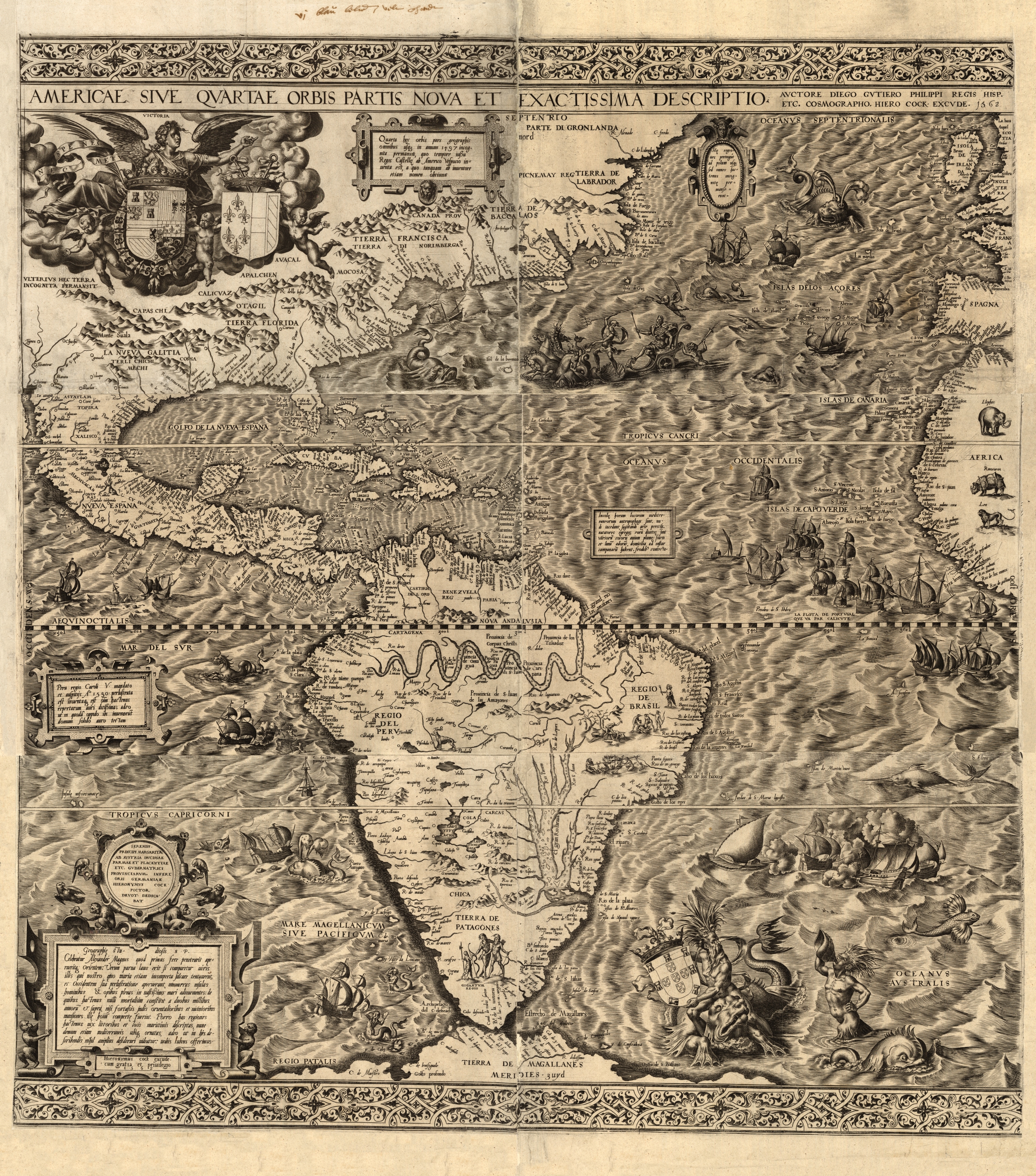
The early maps and accounts from this period often reflect a degree of uncertainty about the geography. Initially, Baja California was thought to be an island. As explorers ventured further north along the coast, they eventually realized it was part of a much larger continent. However, the name “California” persisted, clinging to the westernmost reaches of the land, carrying with it the romanticized ideals of its literary namesake.
The Legacy of “Las Siete Partidas”
While the literary origin is the most prominent, some scholars have also explored other potential influences, though these are less widely accepted. One such theory suggests a connection to “Las Siete Partidas,” a comprehensive Spanish legal code compiled in the 13th century under King Alfonso X. This legal work included provisions related to seafaring and coastal territories. However, the linguistic links to “California” from this source are tenuous and lack the direct narrative resonance of Montalvo’s novel. The literary connection remains the most compelling explanation for the name’s adoption.
California Today: A Name Rooted in Myth
Today, the State of California is a global powerhouse in technology, entertainment, agriculture, and a premier destination for millions of tourists each year. While the literal meaning of “California” in Spanish does not correspond to a specific geographical feature or a direct translation of a common word, its significance lies in its historical and literary associations.

From Mythical Island to Real-World Icon
The name, born from a tale of fantasy and rich islands ruled by warrior queens, has ultimately become attached to a very real place of immense significance. It serves as a constant reminder of the powerful role that imagination and storytelling played in the Age of Discovery. The explorers, by adopting the name, were not just labeling a piece of land; they were imbuing it with the promise and mystique of a legendary realm.
This legacy continues to resonate. When we speak of California, we evoke images of golden beaches, Hollywood glamour, technological innovation in Silicon Valley, and the natural beauty of Yosemite National Park or the Mojave Desert. These modern associations, while far removed from the griffins and Amazon warriors of Montalvo’s tale, carry a similar sense of wonder and boundless possibility. The name, therefore, functions less as a descriptive term and more as an evocative symbol, a testament to how literature can profoundly shape the way we perceive and name the world. The true “meaning” of California, in its Spanish context, is not a definition, but an aspiration, a whisper of a legendary land that inspired explorers and continues to capture the imagination of people worldwide.
LifeOutOfTheBox is a participant in the Amazon Services LLC Associates Program, an affiliate advertising program designed to provide a means for sites to earn advertising fees by advertising and linking to Amazon.com. Amazon, the Amazon logo, AmazonSupply, and the AmazonSupply logo are trademarks of Amazon.com, Inc. or its affiliates. As an Amazon Associate we earn affiliate commissions from qualifying purchases.