
The allure of train travel, with its romanticized notions of leisurely journeys, sweeping landscapes, and a respite from the hurried pace of air travel, often sparks curiosity about its feasibility for longer cross-country routes. For those planning a trip between the historic charm of Boston, Massachusetts, and the vibrant energy of Houston, Texas, the question arises: is a train journey a viable option? While the direct convenience of an airplane is undeniable, the overland experience offers a distinct perspective, and understanding the intricacies of Amtrak’s network is key to discerning its practicality.

Amtrak’s Continental Network: Navigating the Rails
Amtrak, the national passenger railroad corporation, is the primary entity responsible for intercity passenger rail service in the United States. Its extensive network connects major cities and towns across the country, offering a unique way to experience the vast American landscape. However, a direct, non-stop train from Boston to Houston is not available. The journey necessitates transfers and involves traversing multiple routes, making it a more involved undertaking than simply boarding a single train.
Understanding the Route: A Multi-Legged Adventure
Embarking on a train journey from Boston to Houston involves a series of connections, typically routed through major hubs. The most common and practical route involves traveling south and west, with key transfer points often including cities like Chicago, Illinois, or potentially other central locations depending on the specific Amtrak itinerary.
The Northern Route via Chicago
One of the most established pathways utilizes Amtrak‘s service to Chicago. From Boston, passengers would typically board the Lake Shore Limited or the Capitol Limited heading west. The Lake Shore Limited departs from Boston’s South Station and travels through upstate New York and Ohio before arriving in Chicago. The Capitol Limited, on the other hand, often originates from Washington D.C. but can be boarded in certain eastern points, also converging on Chicago.
Upon arrival in Chicago‘s iconic Union Station, passengers will need to disembark and transfer to a different Amtrak train bound for Texas. The primary long-distance route connecting Chicago to Texas is the Texas Eagle. This train travels south through Illinois, Missouri, Arkansas, and then into Texas, with its final destination being San Antonio. From San Antonio, a connecting service, the Amtrak Thruway Bus, or another train segment, would be required to reach Houston.
Alternative Routing Considerations
While the Chicago route is often the most straightforward, Amtrak sometimes offers alternative routings or combinations of trains that might alter the transfer points. These can depend on scheduling, track availability, and the specific booking made. It is always advisable to consult the Amtrak website or a customer service representative for the most up-to-date and personalized route information for your specific travel dates.
The Time Commitment: A Significant Factor
The most crucial consideration for train travel between Boston and Houston is the significant time investment. Unlike a flight that can span approximately four to five hours, a train journey of this magnitude is measured in days. The total travel time, including layovers for transfers, can easily range from 48 to 72 hours, or even longer, depending on the efficiency of the connections and any potential delays.
Layover Realities
Layover durations in transfer cities like Chicago can vary widely. Some connections may be relatively brief, allowing just enough time to navigate the station and board the next train. Others might involve several hours, offering an opportunity to briefly explore the city or find a meal, but also extending the overall travel time. Planning for these layovers is essential, as missed connections can lead to significant delays and itinerary disruptions.
Potential for Delays
It is important to acknowledge that long-distance train travel in the United States can be subject to delays. Amtrak often operates on tracks owned and maintained by freight railroad companies, which can take precedence, leading to passenger trains being held. While Amtrak works to minimize these disruptions, passengers should factor in potential schedule variances and maintain flexibility in their travel plans.
The Passenger Experience: Beyond the Destination
The decision to take the train from Boston to Houston is often driven by more than just the arrival point; it’s about the journey itself. The experience of cross-country rail travel offers a distinct set of advantages and considerations that differentiate it from other modes of transportation.
Comfort and Amenities: A Rolling Hotel
Amtrak trains offer a variety of seating and sleeping accommodations designed to enhance the passenger experience.
Coach Seating
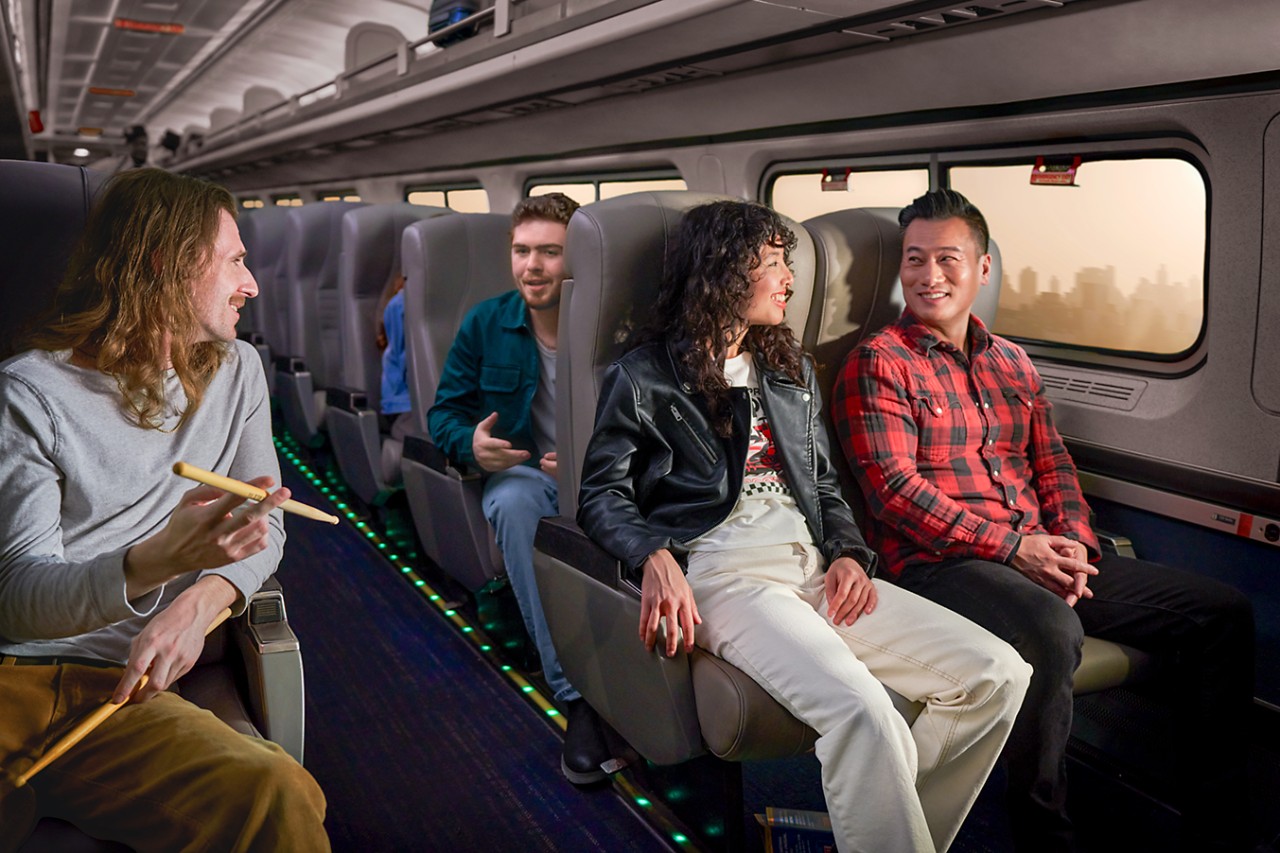
For those on a budget or preferring a more communal travel style, coach seating provides reclining seats with ample legroom compared to airline seats. Many coach cars are equipped with power outlets, Wi-Fi (though its availability and reliability can vary), and tray tables. The ability to move around the train, visit the observation or dining car, and simply gaze out the window provides a level of freedom not found on a plane.
Roomette and Bedroom Accommodations

For a more private and comfortable journey, Amtrak offers private room accommodations, most notably Roomettes and Bedrooms. These are ideal for solo travelers, couples, or families who desire more personal space and amenities.
- Roomettes: These compact yet efficient spaces typically include two seats that convert into beds for sleeping. They often feature a private toilet and sink, with shared restroom and shower facilities available elsewhere on the train. Meals in the dining car are usually included with roomette bookings.
- Bedrooms: These are larger and more luxurious, offering more spacious seating areas, private toilets, and sinks, and often a more comfortable sleeping arrangement with two beds. Bedroom passengers also enjoy included meals and a higher level of privacy.
The availability of these private accommodations can be limited, especially during peak travel seasons, so booking well in advance is highly recommended.
Dining and Socializing: The Dining and Lounge Cars
A significant part of the Amtrak experience is the opportunity to dine in the dining car and socialize in the lounge or observation car.
- Dining Car: Meals are typically served in the dining car, offering a sit-down restaurant-style experience. The menus often feature regionally inspired dishes and provide a welcome break from travel snacks. For passengers in roomettes and bedrooms, meals are typically included in their ticket price. Coach passengers can purchase meals from the café car or the dining car.
- Lounge/Observation Car: Many long-distance Amtrak trains feature a lounge or observation car, often with large panoramic windows. These cars provide a comfortable space to relax, read, socialize with other passengers, and enjoy the passing scenery. They are a quintessential element of the leisurely train travel experience.
Scenery and Perspective: Witnessing the American Tapestry
One of the most profound benefits of train travel is the unparalleled opportunity to witness the diverse and ever-changing American landscape. From the rolling hills of the Northeast to the vast plains of the Midwest and the varied terrains of the South, the train offers a perspective that is simply unattainable from 30,000 feet.
- Eastern Seaboard Charm: As the train departs Boston, you might glimpse the coastal areas of Massachusetts before heading inland through the picturesque towns and rural landscapes of New York and Pennsylvania.
- Midwestern Expanses: The journey through states like Ohio and Indiana opens up to the expansive farmlands and small towns that define the American Midwest. Chicago, with its impressive skyline, offers a dramatic urban interlude before continuing south.
- Southern Transitions: As the train progresses south through Illinois, Missouri, and Arkansas, the landscape begins to shift, offering glimpses of deciduous forests and eventually the warmer climes and distinct vegetation of Texas. The approach to cities like San Antonio and Houston provides a unique perspective of these major urban centers from ground level.
Practicalities of Booking and Travel
When considering the train from Boston to Houston, understanding the practical aspects of booking, cost, and preparation is crucial for a smooth journey.
Booking Your Tickets
Amtrak tickets can be booked through several channels:
- Amtrak Website (Amtrak.com): This is the most convenient and comprehensive platform for researching routes, checking schedules, comparing prices, and making reservations. You can also manage your bookings and check for service alerts here.
- Amtrak Mobile App: Similar to the website, the app allows for booking and managing tickets on the go.
- Phone: You can call Amtrak reservations directly to speak with a customer service representative.
- Stations: Tickets can also be purchased in person at Amtrak stations.
When booking, it’s essential to:
- Book in Advance: Especially for private room accommodations and during peak travel times, booking several months in advance is highly recommended.
- Understand Fare Types: Amtrak offers various fare classes, and prices can fluctuate based on demand and how far in advance you book. Be sure to compare options.
- Check for Deals: Amtrak occasionally offers discounts and promotions, so keep an eye out for these.
Cost Considerations
The cost of a train ticket from Boston to Houston can vary significantly. Factors influencing the price include:
- Type of Accommodation: Coach seating is the most economical option, while roomettes and bedrooms are considerably more expensive.
- Booking Time: Fares are typically lower when booked further in advance.
- Travel Dates: Prices can be higher during holidays and peak travel seasons.
- Specific Route and Connections: The chosen itinerary and the length of layovers can sometimes influence the final price.
As a general guideline, a one-way coach ticket might range from $150 to $300 or more, while private room accommodations could easily cost upwards of $500 to $1,000+ per person, often including meals. It is crucial to compare these costs against airfare and other travel options, considering the added value of the extended experience and onboard amenities.
Packing and Preparation
Traveling by train for an extended period requires a different approach to packing than a short flight.
- Comfortable Clothing: Pack layers of comfortable clothing suitable for varying temperatures inside the train and potential weather at transfer points.
- Entertainment: While there are common areas, having books, e-readers, downloaded movies or music, and chargers is essential for personal entertainment during the long hours.
- Snacks and Drinks: While dining options are available, bringing your own favorite snacks and beverages can be a good supplement, especially for coach passengers or if you have specific dietary preferences.
- Toiletries and Personal Items: Pack all necessary toiletries, medications, and any comfort items you might need.
- Carry-on Baggage: Amtrak generally has generous baggage allowances, but it’s wise to pack essentials in your carry-on for easy access during the journey.
- Patience and Flexibility: This is perhaps the most important item to pack. Train travel is a journey, not just a means to an end. Embracing the slower pace and potential for unexpected changes is key to enjoying the experience.
In conclusion, while a direct train from Boston to Houston is not a reality, the journey is certainly achievable through Amtrak‘s network with transfers. It represents a commitment to time and a willingness to embrace a different style of travel—one focused on the unfolding panorama of the American landscape, the camaraderie of fellow passengers, and the unique comforts of life aboard a train. It is an experience for those who see the journey itself as an integral part of their adventure.
LifeOutOfTheBox is a participant in the Amazon Services LLC Associates Program, an affiliate advertising program designed to provide a means for sites to earn advertising fees by advertising and linking to Amazon.com. Amazon, the Amazon logo, AmazonSupply, and the AmazonSupply logo are trademarks of Amazon.com, Inc. or its affiliates. As an Amazon Associate we earn affiliate commissions from qualifying purchases.