
Boulder, Colorado is a renowned destination, celebrated for its stunning natural beauty, vibrant culture, and unparalleled access to outdoor recreation. A crucial aspect of understanding this unique city, especially for travelers, is its elevation. Nestled at the base of the Rocky Mountains, Boulder’s altitude significantly shapes the travel experience, influencing everything from physical activities to health considerations. For those planning a visit, grasping the specifics of Boulder’s elevation is not just a matter of trivia, but a foundational element of a well-prepared and enjoyable trip.
Unveiling Boulder’s Elevation: A Gateway to the Rockies
Situated in the Front Range of the Colorado Rocky Mountains, Boulder’s geographical location contributes to its distinctive high-altitude environment. Understanding these numerical specifics and their implications is the first step in preparing for an unforgettable journey to this captivating city.
The Specifics: Numbers and Geography
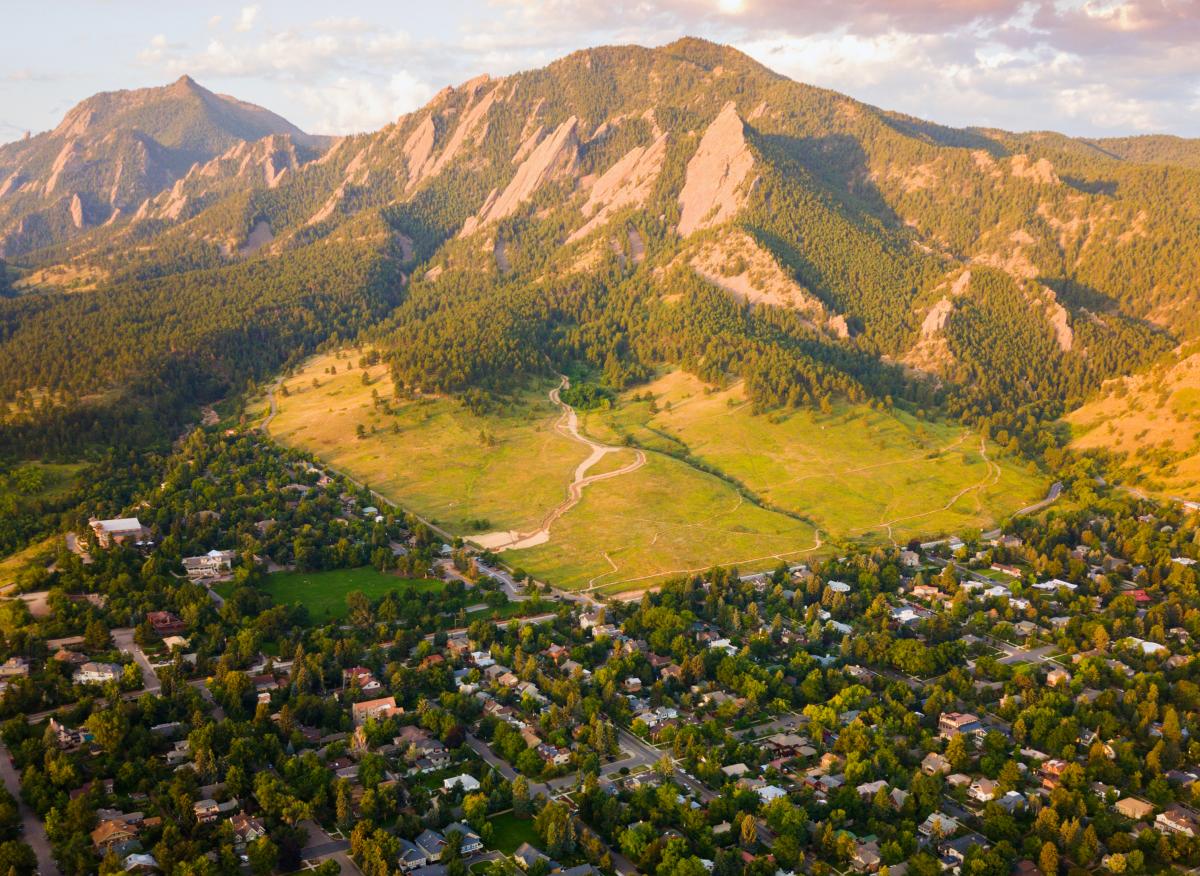
The city of Boulder itself lies at an average elevation of 5,430 feet (approximately 1,655 meters) above sea level. This specific measurement represents the elevation at the historic Boulder County Courthouse on Pearl Street, often considered the benchmark for the city’s altitude. However, it’s important for travelers to note that this is an average, and the elevation can vary significantly within the Boulder area. As one ventures west into the foothills, elevations can quickly ascend, with trails and scenic drives reaching well over 8,000 feet (2,400 meters) and beyond. For instance, areas like the popular Chautauqua Park and the iconic Flatirons trails begin slightly higher than the city center, and climbing these trails naturally takes visitors to even greater heights. This varied topography means that while the city proper sits at a manageable elevation, opportunities for higher-altitude experiences are just a short drive or hike away.
Why Altitude Matters for Travelers
For many visitors, especially those accustomed to sea-level living, Boulder’s elevation presents a significant change. The primary reason altitude matters is the decrease in oxygen levels. At 5,430 feet, there is approximately 17% less oxygen in the air compared to sea level. This reduced oxygen can impact the body in various ways, potentially leading to a condition commonly known as acute mountain sickness (AMS) or altitude sickness. Symptoms can range from mild headaches and fatigue to more severe issues if not properly managed.
Beyond health, the altitude also influences physical exertion. Activities that might feel easy at lower elevations can become more strenuous in Boulder. For avid hikers, cyclists, and runners, this means adjusting expectations and pacing. Even a leisurely stroll around the Pearl Street Mall might feel slightly more taxing initially. Understanding and respecting the altitude is paramount to ensuring a comfortable, healthy, and fully enjoyable travel experience, allowing visitors to fully immerse themselves in Boulder’s abundant offerings without undue discomfort.
Navigating the Heights: Acclimatization and Wellness Tips
Successfully enjoying Boulder’s vibrant atmosphere and outdoor adventures hinges on smart acclimatization. Taking proactive steps to allow your body to adjust to the higher elevation is key to preventing discomfort and ensuring your trip is memorable for all the right reasons.
Recognizing Altitude Sickness Symptoms
Before diving into prevention, it’s vital for travelers to be aware of the signs of altitude sickness. Symptoms typically appear within 6-24 hours of arrival at a higher elevation and can include:
- Headache: Often the first and most common symptom.
- Nausea or Vomiting: Digestive upset can be a clear indicator.
- Fatigue or Weakness: Feeling unusually tired, even with minimal exertion.
- Dizziness or Lightheadedness: A sense of imbalance.
- Difficulty Sleeping: Insomnia or restless sleep.
- Loss of Appetite: Reduced desire to eat.
These symptoms are usually mild and resolve with proper acclimatization. However, if symptoms worsen or include severe headache, shortness of breath at rest, confusion, or a cough, it’s crucial to seek medical attention immediately. These could be signs of more severe, though rare, forms of altitude sickness.
Essential Acclimatization Strategies
The best defense against altitude sickness is gradual acclimatization. For most visitors, especially those flying into Denver International Airport (which sits at about 5,430 feet itself, similar to Boulder), the transition is usually smooth with proper planning.
- Take it Easy on Arrival: Resist the urge to immediately embark on strenuous hikes or activities. Dedicate your first 24-48 hours to light activity and relaxation. Explore the Pearl Street Mall or enjoy a casual meal.
- Ascend Gradually: If your travel plans involve reaching even higher elevations from Boulder (e.g., driving up to Rocky Mountain National Park or skiing at a resort), plan for an overnight stay in Boulder first. This allows your body to begin adjusting before facing greater heights.
- Avoid Alcohol and Caffeine: While tempting, alcohol and excessive caffeine can exacerbate dehydration and interfere with acclimatization during your initial days. Opt for water or herbal teas instead.
- Listen to Your Body: Pay close attention to how you feel. If you experience symptoms, rest, hydrate, and consider descending to a lower elevation if they don’t improve. Pushing yourself too hard can be detrimental.
Hydration and Nutrition at Higher Altitudes
Proper hydration and nutrition are critical components of high-altitude wellness. The dry mountain air and increased respiration rate at elevation can lead to quicker dehydration than at sea level.
- Drink Plenty of Water: This is arguably the most important tip. Aim to drink significantly more water than you typically would – at least 3-4 liters per day. Carry a reusable water bottle and refill it frequently. Avoid sugary drinks which can also contribute to dehydration.
- Electrolyte Balance: Consider adding electrolyte tablets or powders to your water, especially if you’re engaging in active pursuits. This helps replenish essential minerals lost through sweat and increased breathing.
- Balanced Diet: Focus on light, easily digestible meals rich in carbohydrates. Foods like pasta, rice, fruits, and vegetables provide readily available energy. Avoid heavy, fatty, or overly salty foods, which can be harder to digest and contribute to dehydration.
- Small, Frequent Meals: Eating smaller, more frequent meals can be easier on your digestive system and help maintain stable energy levels, which is beneficial when your body is working harder to adjust.
By prioritizing these acclimatization and wellness strategies, travelers can significantly mitigate the risks associated with Boulder’s elevation, ensuring a more comfortable and enjoyable visit.
Activities and Attractions: Embracing Boulder’s Elevated Landscape
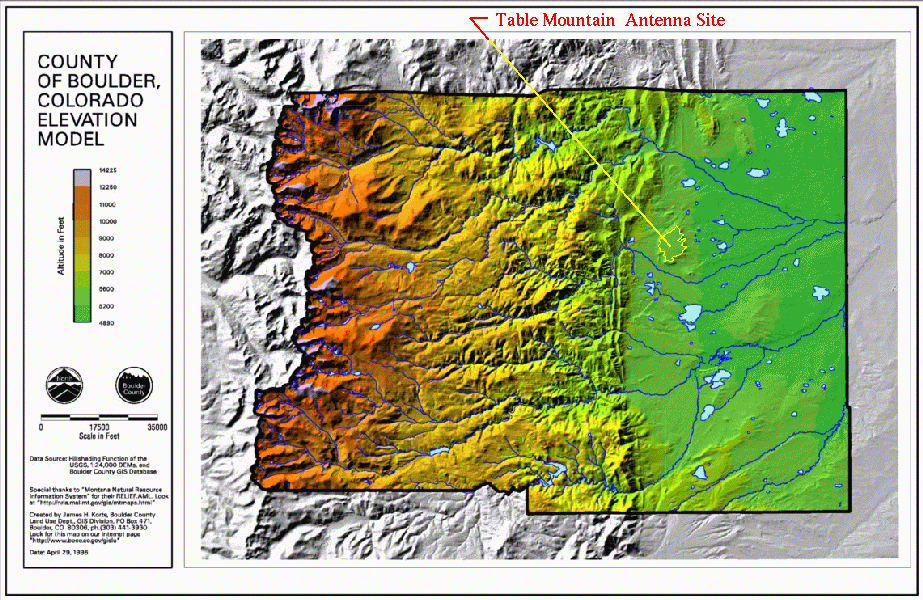
Boulder’s altitude is not just a health consideration; it’s a defining feature that shapes its landscape and the array of activities available. From breathtaking vistas to challenging trails, the elevation provides a unique backdrop for exploration and adventure.
Outdoor Adventures: From Hiking to Rock Climbing
For the active traveler, Boulder’s high-altitude environment is a playground. The city boasts over 45,000 acres of open space and miles of trails, making it an ideal destination for outdoor enthusiasts.
- Hiking: Trails range from gentle, scenic walks around the Boulder Creek Path to strenuous ascents up the Flatirons and surrounding mountains. Popular spots like Chautauqua Park offer numerous trailheads, with varying difficulty levels. Remember to start with shorter, less strenuous hikes during your first few days to allow for acclimatization.
- Biking: Boulder is incredibly bike-friendly, with extensive paved paths and challenging mountain biking trails. The high altitude means even flat rides can provide a decent workout, while climbs offer incredible rewards.
- Rock Climbing and Bouldering: The Flatirons and Eldorado Canyon State Park are world-renowned for their climbing opportunities. For beginners, local guides and indoor climbing gyms offer an excellent introduction.
- Winter Sports: While Boulder itself doesn’t have ski resorts, its proximity to the Rocky Mountains makes it a perfect base for skiing, snowboarding, and snowshoeing. Resorts like Eldora Mountain Resort are just a short drive away, offering fresh powder and high-altitude thrills.
Scenic Views and Photo Opportunities
The elevation grants Boulder unparalleled panoramic views, making it a photographer’s paradise.
- The Flatirons: These iconic, slanted rock formations are the symbol of Boulder. They offer stunning vistas from various vantage points, especially during sunrise or sunset. Hiking into Chautauqua Park provides intimate views, while a drive up Flagstaff Mountain offers a broader perspective of the city against the mountains.
- Scenic Drives: Driving along the Peak to Peak Scenic Byway provides breathtaking glimpses of the Rocky Mountains and dense forests, with numerous pull-offs for photo opportunities.
- Higher Elevations: A trip to Rocky Mountain National Park (about an hour’s drive) takes you to elevations over 12,000 feet, where alpine tundra, pristine lakes, and abundant wildlife create postcard-perfect scenes. Remember to account for the additional altitude increase on such excursions.
Urban Exploration with an Alpine Backdrop
Even within the city limits, Boulder’s elevation enhances the urban experience.
- Pearl Street Mall: This lively pedestrian mall offers unique boutiques, art galleries, and street performers, all framed by the majestic Flatirons in the distance. The crisp mountain air and bright sunshine often make for a refreshing shopping and dining experience.
- Local Parks and Gardens: Enjoying a picnic at Central Park or exploring the tranquil Boulder Dushanbe Teahouse provides a relaxed way to appreciate the city’s charm without strenuous exertion, allowing for acclimatization while soaking in the alpine ambiance.
- Breweries and Dining: Boulder’s culinary scene thrives, offering everything from farm-to-table restaurants to craft breweries. While enjoying a local brew, remember the impact of altitude on alcohol tolerance – it’s often reduced at higher elevations.
By understanding how Boulder’s elevation impacts physical activity and visual experiences, travelers can strategically plan their itinerary, choosing activities that align with their acclimatization level and ensuring they capture the full essence of this high-altitude gem.
Planning Your High-Altitude Boulder Experience
A successful trip to Boulder, Colorado involves more than just booking flights and accommodation; it requires thoughtful consideration of its elevation. Preparing adequately ensures that your focus remains on enjoying the destination, rather than battling unexpected challenges.
Best Times to Visit
Boulder’s altitude means it experiences four distinct seasons, each offering a unique set of attractions and considerations.
- Summer (June-August): Generally the most popular time to visit, with warm days, cooler nights, and prime conditions for hiking, biking, and outdoor festivals. Expect larger crowds and higher prices. The air is typically drier, making hydration even more crucial.
- Fall (September-October): A stunning time as the aspen trees turn brilliant gold. Ideal for scenic drives and moderate hikes. Temperatures are pleasant, and crowds thin out slightly. Mornings can be crisp, and the sun at altitude feels strong.
- Winter (November-March): Offers opportunities for skiing and snowboarding nearby. Boulder itself experiences relatively mild winters compared to mountain towns, with frequent sunshine but also occasional snowstorms. Dressing in layers is essential, and the dry winter air can intensify dehydration.
- Spring (April-May): A transitional season with fluctuating weather, from warm, sunny days to late-season snow. This can be a great time for wildflowers and fewer crowds, but be prepared for varied conditions and potentially muddy trails.
Regardless of the season, the high-altitude sun is potent, so sunscreen and sunglasses are year-round necessities.
Essential Gear and Packing Advice
Packing smart for Boulder’s elevation and weather variability is key.
- Layered Clothing: Mountain weather can change rapidly. Pack layers that can be easily added or removed, including a moisture-wicking base layer, insulating mid-layers (fleece or down), and a waterproof/windproof outer shell.
- Sun Protection: Sunscreen (SPF 30+), a wide-brimmed hat, and sunglasses are non-negotiable due to the increased UV radiation at altitude.
- Comfortable Footwear: Sturdy hiking shoes or boots with good ankle support are essential for trails, even if you only plan light walks. Comfortable walking shoes are a must for urban exploration.
- Hydration Essentials: A reusable water bottle or hydration pack is vital. Consider electrolyte supplements.
- Altitude Sickness Remedies: While prevention is best, packing over-the-counter pain relievers (like ibuprofen for headaches) and anti-nausea medication can be helpful for mild symptoms. Consult with your doctor beforehand, especially if you have pre-existing health conditions.
- Navigation Tools: A map, compass, or GPS device (with downloaded offline maps) is advisable for exploring trails, as cell service can be spotty in higher elevations.

Local Resources and Preparedness
Being informed about local resources can provide peace of mind during your trip.
- Visitor Centers: The Boulder Visitor Information Center is an excellent first stop for maps, trail information, and up-to-date weather forecasts.
- Local Outfitters: Stores like REI Boulder can provide last-minute gear, local trail advice, and rentals for outdoor equipment.
- Medical Facilities: Familiarize yourself with the location of local hospitals and urgent care centers, such as Boulder Community Health, in case of any health concerns.
- Emergency Services: Always know how to contact emergency services (dial 911 in the U.S.).
- Trail Etiquette: Adhere to “Leave No Trace” principles, stay on marked trails, and be aware of wildlife. Inform someone of your hiking plans, especially if venturing into more remote areas.
By understanding Boulder’s altitude and integrating these preparation tips into your travel planning, you’ll be well-equipped to experience the wonders of this unique Colorado destination fully and safely. Embrace the elevation, and Boulder will undoubtedly reward you with an unforgettable adventure.
LifeOutOfTheBox is a participant in the Amazon Services LLC Associates Program, an affiliate advertising program designed to provide a means for sites to earn advertising fees by advertising and linking to Amazon.com. Amazon, the Amazon logo, AmazonSupply, and the AmazonSupply logo are trademarks of Amazon.com, Inc. or its affiliates. As an Amazon Associate we earn affiliate commissions from qualifying purchases.