
Navigating the intricacies of interstate travel, especially concerning toll systems, is a common concern for many road-trippers. As states increasingly adopt electronic toll collection, the question of interoperability between different systems becomes paramount. For travelers heading north from the Carolinas, a pertinent question often arises: can an NC Quick Pass transponder be used in Connecticut? Understanding the answer requires delving into the landscape of electronic tolling, specifically the reach of NC Quick Pass and the systems in place within the Northeastern corridor.
Navigating Interstate Toll Systems: The Challenge for Travelers
The convenience of electronic toll collection has revolutionized road travel, eliminating the need for cash transactions and significantly reducing congestion at toll plazas. However, this convenience often comes with a caveat: the lack of universal interoperability across all state systems. Each state, or even specific toll authorities within a state, might operate its own unique transponder system, leading to confusion for out-of-state drivers.
The Rise of Electronic Toll Collection
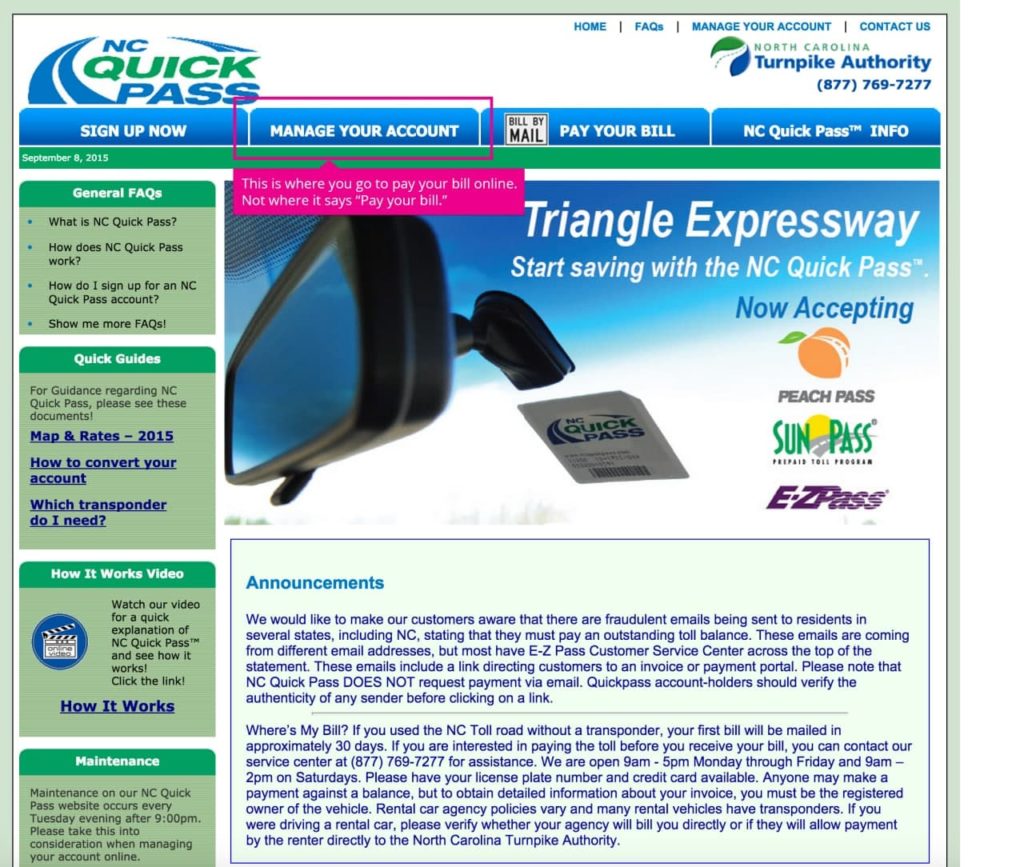
The transition from manual cash lanes to automated electronic tolling began decades ago, driven by the desire for efficiency and speed. Systems like E-ZPass in the Northeast and Midwest, SunPass in Florida, and NC Quick Pass in North Carolina emerged as regional solutions. These systems typically involve a small electronic transponder placed on the vehicle’s windshield, which communicates with overhead readers at toll gantries, deducting the toll amount from a linked prepaid account.
Understanding Regional Toll Networks
While numerous individual toll systems exist, several key initiatives have focused on creating broader interoperability. The most prominent of these is the E-ZPass Interagency Group, which has successfully united multiple state toll authorities under a single umbrella. This means a single E-ZPass transponder can be used across a vast network of toll roads, bridges, and tunnels spanning many states from Maine to Virginia and west to Illinois. Other regions have their own networks, but the E-ZPass system remains the largest and most influential in the eastern United States.
Deconstructing NC Quick Pass: Its Reach and Limitations
To answer the core question, it’s essential to understand what NC Quick Pass is and its operational scope.
What is NC Quick Pass?
NC Quick Pass is North Carolina’s electronic toll collection program, managed by the North Carolina Department of Transportation (NCDOT). It allows drivers to pay tolls automatically on toll roads within North Carolina, primarily on facilities like the Triangle Expressway and the Monroe Expressway. Like other transponder systems, it offers convenience and often discounted toll rates compared to pay-by-plate options.
NC Quick Pass Interoperability: The E-ZPass Network Connection
Crucially, NC Quick Pass is fully interoperable with the E-ZPass network. This means that an NC Quick Pass transponder acts as an E-ZPass transponder when traveling outside of North Carolina in any state that accepts E-ZPass. This is a significant advantage for travelers, as it extends the utility of their single transponder far beyond state borders.
States Where NC Quick Pass is Accepted (Directly and via E-ZPass)
An NC Quick Pass transponder is accepted directly on all toll roads and bridges within North Carolina. Thanks to its interoperability with the E-ZPass network, it is also accepted in all 19 states that are part of the E-ZPass system. These states include, but are not limited to:
- Delaware
- Illinois
- Indiana
- Kentucky
- Maine
- Maryland
- Massachusetts
- New Hampshire
- New Jersey
- New York
- Ohio
- Pennsylvania
- Rhode Island
- Virginia
- West Virginia
This extensive network coverage makes NC Quick Pass a highly valuable tool for regional travelers.
Connecticut’s Approach to Tolls: What You Need to Know
Having established the reach of NC Quick Pass, the next step is to examine Connecticut’s toll system.
A Brief History of Connecticut Tolls
Historically, Connecticut did have tolls on its major highways, notably the Connecticut Turnpike (I-95). However, a tragic accident at a toll booth in 1983 led to a public outcry and the subsequent removal of all tolls in the state by 1985. For decades, Connecticut was proudly a “toll-free” state, a distinctive feature in the heavily tolled Northeast.

Current Toll Infrastructure in Connecticut
As of the present day, Connecticut does not have traditional tolls on its interstate highways or state roads. While there have been intermittent discussions and legislative proposals over the years to reintroduce tolls as a means of funding infrastructure projects, none have come to fruition. Therefore, drivers traveling through Connecticut will not encounter any toll plazas or electronic toll gantries that require payment for using the state’s roadways. This is a unique situation compared to its neighboring states like New York, Massachusetts, and Rhode Island, all of which have extensive toll systems.
Payment Methods Accepted in Connecticut
Since there are no tolls in Connecticut, there are no payment methods to be concerned about in terms of toll collection. This means drivers do not need an E-ZPass transponder, an NC Quick Pass transponder, or cash specifically for tolls when driving within the state.
The Verdict: Using NC Quick Pass in Connecticut
Based on the information regarding both NC Quick Pass interoperability and Connecticut’s current toll policy, we can definitively answer the question.
Direct Compatibility vs. E-ZPass Network Acceptance
While NC Quick Pass is fully interoperable with the E-ZPass network, and Connecticut is a participating member of the E-ZPass Interagency Group (meaning an E-ZPass transponder would be accepted if there were tolls), the key fact remains: there are no tolls on public roads in Connecticut.
Therefore, you technically could use an NC Quick Pass transponder in Connecticut in the sense that it would function as an E-ZPass transponder, but there are no toll facilities to activate it. It would simply ride along for the journey without being used for payment.
What Drivers Should Expect When Traveling from North Carolina to Connecticut
When driving from North Carolina to Connecticut, travelers will undoubtedly encounter tolls in many of the intervening states that are part of the E-ZPass network (e.g., Delaware, Maryland, New Jersey, New York, Pennsylvania). Your NC Quick Pass transponder will work seamlessly in all of these states, making the journey convenient. However, once you cross the border into Connecticut, your transponder will no longer be necessary for toll payments, as no tolls exist. You can simply continue driving without concern for toll collection until you potentially leave Connecticut and enter another state with tolls, such as Massachusetts or Rhode Island.
Practical Advice for Seamless Northeastern Travel
While Connecticut itself presents no toll challenges, a comprehensive strategy for Northeastern road trips is still advisable.
Best Practices for Out-of-State Drivers
Even though your NC Quick Pass provides broad coverage via the E-ZPass network, it’s always wise to:
- Check Account Balance: Ensure your NC Quick Pass account has sufficient funds to cover potential tolls in other states. An insufficient balance can lead to violations and higher fees.
- Mount Transponder Correctly: Ensure your transponder is properly mounted on your windshield as per instructions to guarantee reliable reading at toll gantries.
- Understand Payment Alternatives: Familiarize yourself with “Toll-by-Plate” or “Pay-by-Mail” options in states you plan to visit, just in case your transponder isn’t read for any reason. These systems typically use license plate recognition and send a bill to the registered owner. While convenient, they often come with higher fees than transponder use.
- Carry Some Cash (Optional): While most modern toll facilities are cashless, having a small amount of cash can be useful for other travel contingencies, though not specifically for tolls in the E-ZPass region or Connecticut.
Alternatives for Toll Payment
For those who do not have an NC Quick Pass or an E-ZPass, or are traveling in a rental car, several alternatives exist for toll payment in the vast E-ZPass network (though, again, not needed for Connecticut):
- E-ZPass Transponder: You can obtain an E-ZPass transponder directly from any participating state’s toll authority. This is often the simplest solution for frequent travelers in the Northeast.
- Pay-by-Plate/Toll-by-Mail: Many states offer systems where a picture of your license plate is taken, and a bill is mailed to the registered owner. This is often the default for out-of-state vehicles without a compatible transponder.
- Mobile Apps: Some toll authorities or third-party services offer mobile apps for paying tolls, particularly for specific bridges or tunnels. Always verify the legitimacy and coverage of such apps.

Planning Ahead for a Stress-Free Journey
A well-planned road trip is a comfortable one. Before embarking on a journey from North Carolina to Connecticut and beyond, consider mapping out your route and identifying all potential toll roads. Websites and apps dedicated to road trip planning often provide information on tolls. Being aware of the toll landscape in each state you pass through will save you time, money, and potential headaches, allowing you to enjoy the scenic beauty and diverse experiences of the Northeastern United States.
In conclusion, while your NC Quick Pass will function flawlessly as an E-ZPass across many states on your way to Connecticut, you won’t need it once you enter the “Constitution State” itself, as it remains toll-free. Drive safely and enjoy your journey!
LifeOutOfTheBox is a participant in the Amazon Services LLC Associates Program, an affiliate advertising program designed to provide a means for sites to earn advertising fees by advertising and linking to Amazon.com. Amazon, the Amazon logo, AmazonSupply, and the AmazonSupply logo are trademarks of Amazon.com, Inc. or its affiliates. As an Amazon Associate we earn affiliate commissions from qualifying purchases.