
Denver, Colorado, a vibrant metropolis nestled at the foot of the Rocky Mountains, serves as a critical transportation hub for both leisure and business travelers heading to the American West. When considering travel to this dynamic city, a fundamental question often arises: “How many airports serve Denver?” The answer is more nuanced than a simple number, involving a primary commercial international airport and several general aviation facilities that collectively form a robust air travel infrastructure. Understanding these options is essential for planning a seamless journey, whether you’re arriving for a ski trip, a convention, or to explore the vast natural beauty of Colorado.
Denver International Airport: The Primary Gateway to the Rockies
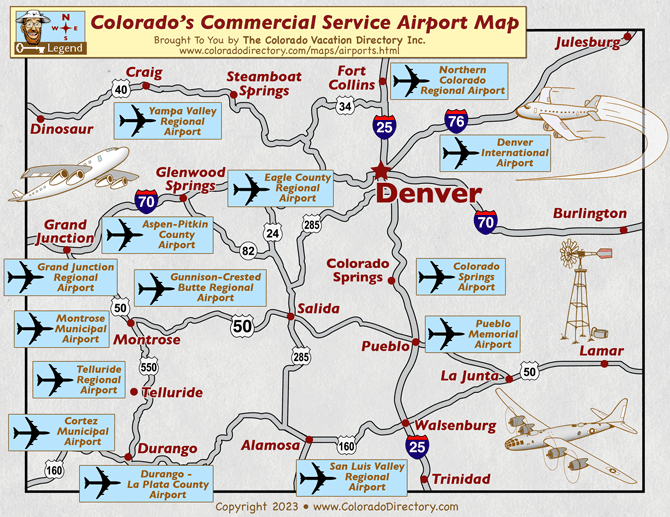
The undisputed king of air travel in the region is Denver International Airport (DIA or DEN). Opened in 1995, DIA quickly ascended to become one of the busiest airports in the world, consistently ranking among the top five in the United States for passenger traffic. Its strategic location approximately 25 miles northeast of downtown Denver provides ample space for expansion and efficient operations, even in challenging weather conditions often associated with mountain regions.
A Hub of Activity and Connectivity
DIA is a critical hub for several major airlines, including United Airlines and Southwest Airlines, and serves as a significant operating base for others like Frontier Airlines. This robust airline presence translates into extensive connectivity, offering direct flights to hundreds of destinations across the United States, Canada, Mexico, Central America, Europe, and Asia. For travelers venturing into the Rocky Mountains or exploring the broader Western states, DIA often serves as the most convenient entry point. Its vast network means travelers have numerous options for flight times, airlines, and price points, catering to a wide range of travel budgets and preferences. The airport’s operational efficiency, supported by its six non-intersecting runways (the most of any airport in the United States), minimizes delays and ensures a smoother travel experience, even during peak seasons.
Navigating DIA
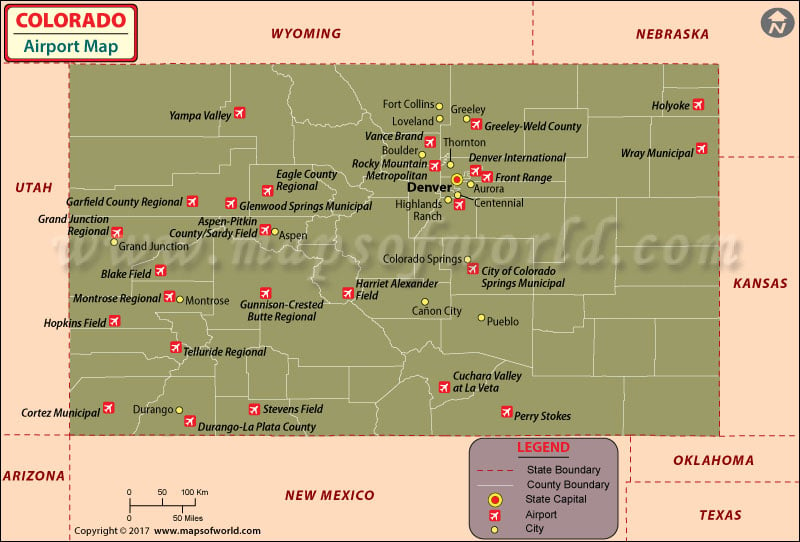
Upon arrival at DIA, travelers are greeted by the iconic tent-peaked roof of the Jeppesen Terminal, designed to evoke the snow-capped peaks of the Rocky Mountains. This terminal houses check-in counters, security checkpoints, and baggage claim. After passing through security, an automated underground train system efficiently transports passengers to three separate concourses: A, B, and C. Each concourse is equipped with a comprehensive array of amenities, including diverse dining options ranging from casual eateries to fine dining, retail shops featuring local and international brands, duty-free stores, and comfortable lounges. DIA also offers numerous services for travelers, such as rental car facilities, ground transportation services including buses and ride-shares, and the A Line commuter rail which provides direct access to downtown Denver’s Union Station. This comprehensive infrastructure ensures that once you land, your journey into Denver or beyond can continue with ease.
Architectural Significance and Public Art
Beyond its functional role, Denver International Airport is also renowned for its distinctive architecture and extensive public art collection. The Jeppesen Terminal’s tensile fabric roof, an engineering marvel, provides abundant natural light and a sense of openness. Throughout the airport, travelers can encounter various art installations, including murals, sculptures, and interactive exhibits. These pieces often reflect Colorado’s history, culture, and natural environment, adding an enriching dimension to the travel experience. From the controversial yet captivating “Blue Mustang” sculpture to the diverse works inside the concourses, DIA offers a unique cultural immersion before travelers even leave the airport premises.
General Aviation Fields Serving the Denver Metro Area
While DIA handles the vast majority of commercial passenger flights, the Denver metropolitan area is also served by several general aviation airports. These facilities primarily cater to private aircraft, corporate jets, flight training, and other non-commercial operations. They play a vital role in supporting regional air travel, business aviation, and emergency services, offering alternative entry points for those utilizing private air services.
Rocky Mountain Metropolitan Airport (BJC)
Located between Denver and Boulder, Rocky Mountain Metropolitan Airport is one of the busiest general aviation airports in the United States. It serves as a reliever airport for DIA and is popular for corporate and private aircraft due to its convenient location and full-service facilities. BJC offers multiple runways, fixed-base operators (FBOs) providing fuel, maintenance, and ground services, and ample hangar space. For business travelers or those seeking a more exclusive and expedited travel experience, BJC provides excellent connectivity to the northern Denver suburbs and the intellectual hub of Boulder.
Centennial Airport (APA)
Situated south of downtown Denver, Centennial Airport is another significant general aviation facility. It consistently ranks among the nation’s busiest general aviation airports, supporting a large volume of corporate, charter, and flight training operations. APA is particularly convenient for travelers heading to the Denver Tech Center and the southern suburbs. Like BJC, Centennial Airport boasts excellent FBO services, allowing for quick turnarounds and personalized ground support for private flyers. Its strategic location makes it an attractive option for businesses operating in the rapidly growing southern Denver corridor.
Front Range Airport (FTG)
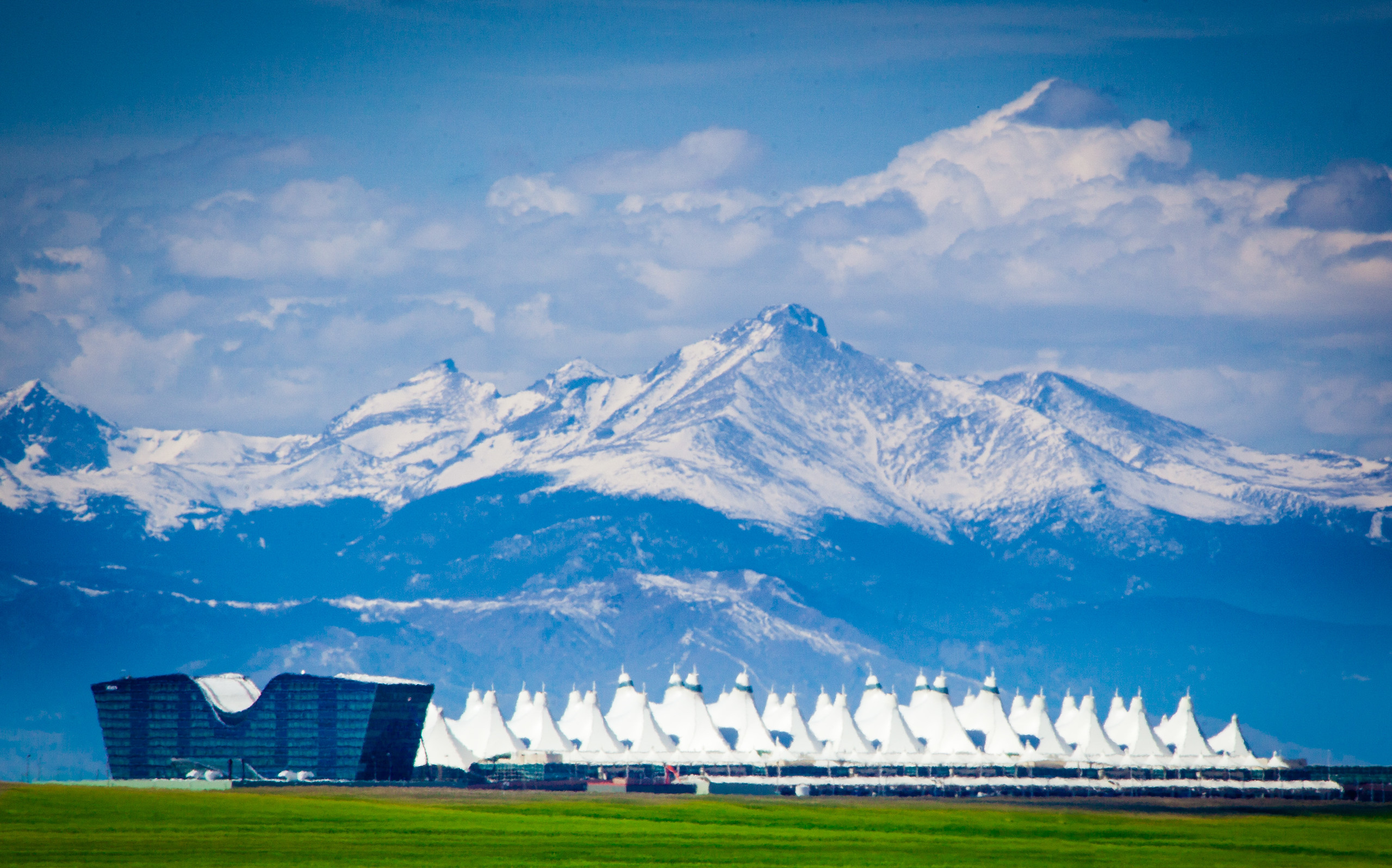
Located east of Denver in Adams County, Front Range Airport is an important regional asset. While it handles general aviation traffic, it is also notable for its extensive land area and potential for future development. FTG serves as a base for various aviation businesses, including aircraft maintenance, modification, and storage. It offers an alternative for private pilots and corporate operations, especially those looking for less congested airspace than the other general aviation fields or DIA. Its proximity to industrial areas and the eastern plains of Colorado makes it a key player in the regional aviation landscape.
The Significance of Denver’s Air Travel Infrastructure for Travelers
The combination of a world-class international airport and several well-equipped general aviation fields provides Denver with a comprehensive air travel infrastructure that caters to a diverse range of needs. This setup offers significant advantages for travelers.
Connectivity to National and International Destinations
For the vast majority of travelers, Denver International Airport is the gateway. Its extensive network of direct flights simplifies travel planning and reduces the need for connecting flights, saving time and hassle. Whether you are flying in from a major global city or a smaller regional airport, DIA’s reach ensures that Denver is easily accessible. This connectivity is crucial for Colorado’s tourism industry, bringing visitors to ski resorts, national parks, and urban attractions, as well as supporting the city’s growing business sectors.
Options for Private and Business Travel
For those utilizing private or corporate aircraft, the general aviation airports like Rocky Mountain Metropolitan Airport and Centennial Airport offer unparalleled convenience and discretion. These airports allow for more flexible scheduling, quicker boarding processes, and direct access to specific areas of the metropolitan region without the larger-scale operations and potential congestion of an international hub. This is particularly valuable for business executives, high-net-worth individuals, and charter groups who prioritize efficiency and privacy.
Economic Impact and Future Growth
The robust airport system contributes significantly to the economic vitality of Denver and Colorado. It supports thousands of jobs directly and indirectly, facilitates trade, and attracts businesses. The ongoing expansion projects at DIA, including new gates and terminal renovations, underscore the region’s commitment to maintaining and enhancing its status as a premier air travel hub. This continuous investment ensures that Denver will remain well-equipped to handle future growth in passenger numbers and cargo, solidifying its position as a gateway to the West.
Choosing the Right Airport for Your Denver Journey
When planning your trip to Denver, selecting the appropriate airport depends on your specific travel needs and preferences.
Commercial Flights vs. Private Charters
If you are traveling on a commercial airline, Denver International Airport will almost certainly be your destination. It is the only airport in the area that handles regularly scheduled passenger flights. For those arranging private jet charters or flying their own aircraft, Rocky Mountain Metropolitan Airport, Centennial Airport, and Front Range Airport offer viable alternatives, providing tailored services and often closer proximity to specific destinations within the metro area.
Proximity to Your Final Destination
Consider where you need to go within the Denver area. While DIA is roughly 25 miles from downtown, the general aviation airports are located in different quadrants of the metro area. If your final destination is Boulder or the northern suburbs, Rocky Mountain Metropolitan Airport might offer a slight advantage for private flights. Similarly, if you’re headed to the Denver Tech Center or the southern metro area, Centennial Airport could be more convenient. For commercial travelers, however, the comprehensive ground transportation options from DIA typically make the commute manageable regardless of your specific endpoint.
Ground Transportation and Logistics
Factor in ground transportation from your chosen airport. From DIA, travelers have access to rental cars, ride-sharing services, taxis, hotel shuttles, and the A Line commuter rail to Union Station downtown. The general aviation airports also have ground transportation services available, though they might be less varied than those at DIA, often requiring pre-arranged car services or private vehicle pickup. Planning your onward journey is an integral part of selecting the best airport for your travel needs, ensuring a smooth transition from air to ground travel.
In summary, while Denver is primarily served by one major commercial airport—the highly efficient and expansive Denver International Airport—it is complemented by several key general aviation airports. This multi-faceted air travel infrastructure positions Denver as a highly accessible and versatile destination, capable of accommodating a wide array of travel purposes and preferences. Understanding these options empowers travelers to make informed decisions, ensuring a pleasant and efficient journey to and from the Mile High City.
LifeOutOfTheBox is a participant in the Amazon Services LLC Associates Program, an affiliate advertising program designed to provide a means for sites to earn advertising fees by advertising and linking to Amazon.com. Amazon, the Amazon logo, AmazonSupply, and the AmazonSupply logo are trademarks of Amazon.com, Inc. or its affiliates. As an Amazon Associate we earn affiliate commissions from qualifying purchases.