
The question of whether individuals residing in the United States without legal immigration status can obtain a driver’s license is a complex one, deeply intertwined with state policies, public safety, and the daily lives of countless people. In California, a state known for its progressive stance on immigration matters, the answer is a resounding “yes.” This policy significantly shapes the lifestyle, mobility, and community integration of undocumented residents, offering a critical pathway to safer roads, greater economic participation, and enhanced personal stability. Understanding the nuances of California’s approach reveals how a single piece of legislation can profoundly transform the fabric of daily existence for a substantial portion of its population.
The Evolution of Driver’s License Policies and Lifestyle Impact in California
California’s journey to allowing undocumented residents to obtain driver’s licenses is a testament to persistent advocacy and a recognition of practical realities. For years, the inability to legally drive created immense daily challenges, forcing many into a precarious lifestyle marked by limited mobility, fear of law enforcement, and restricted access to essential services. The passage of Assembly Bill 60 (AB 60) marked a pivotal moment, fundamentally altering the landscape for hundreds of thousands of individuals and, by extension, the communities they call home.
A Historical Overview of AB 60
Prior to AB 60, undocumented individuals in California faced a difficult choice: drive illegally and risk severe penalties, or severely limit their participation in daily life. This dilemma impacted everything from commuting to work and taking children to school to accessing medical care or simply buying groceries. Recognizing the widespread impact on community safety (due to uninsured and untested drivers) and the economic well-being of its residents, California legislators introduced AB 60. Signed into law in 2013 and implemented in January 2015, AB 60 specifically allows all eligible California residents, regardless of immigration status, to apply for a driver’s license. This legislation was a monumental step, directly addressing a critical aspect of daily lifestyle that had long been a source of stress and limitation. It shifted the paradigm from one of exclusion to one of inclusion, recognizing that safe and regulated driving benefits everyone.
Who Qualifies and What is Required?
Under AB 60, the requirements for obtaining a driver’s license in California are designed to mirror those for other applicants, ensuring that all licensed drivers meet the same standards of knowledge and skill. To qualify, applicants must:
- Prove Identity and Residency: This is a crucial step for undocumented individuals. The California Department of Motor Vehicles (DMV) accepts various forms of identification, including foreign passports, consular identification cards, and foreign birth certificates, along with proof of California residency (e.g., utility bills, rental agreements). This flexibility acknowledges the unique documentation challenges faced by undocumented applicants.
- Pass Written and Driving Tests: All applicants must demonstrate their understanding of traffic laws and their ability to safely operate a vehicle. This involves passing a written knowledge test and a behind-the-wheel driving test.
- Provide Thumbprint and Photo: Standard procedure for all driver’s license applicants.
- Pay Applicable Fees: The fees are consistent for all applicants.
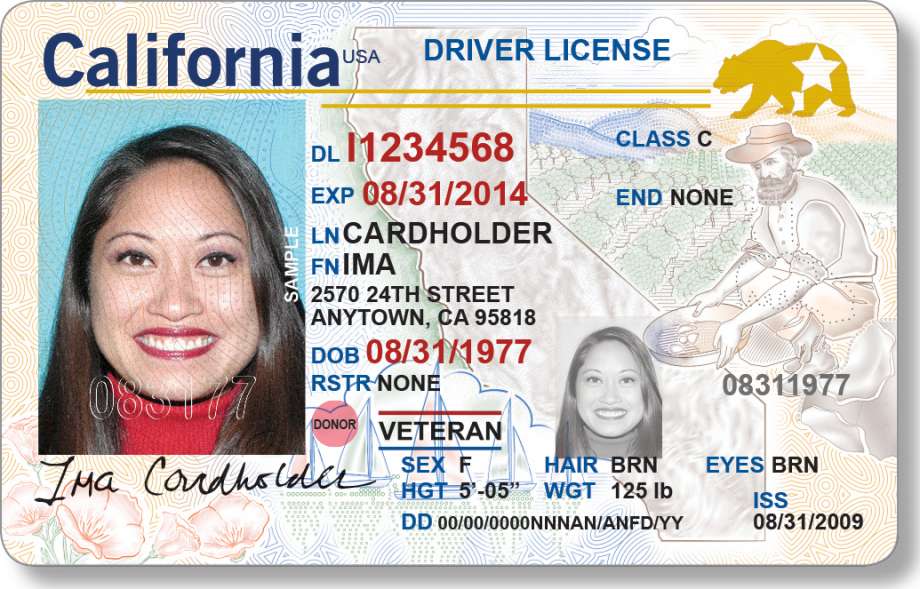
The process is rigorous, ensuring that every driver holding a California driver’s license, regardless of their immigration status, has met the necessary qualifications. This systematic approach contributes to public safety and fosters a more uniform driving lifestyle across the state. The license issued under AB 60 is distinct in appearance, typically bearing a notation that it is not valid for federal purposes, such as identification at airports, but it functions identically for driving privileges within the state.
The Profound Impact on Daily Lifestyle and Mobility
The ability to obtain a driver’s license has brought about a transformative change in the daily lives and overall lifestyle of undocumented residents in California. It addresses fundamental needs related to mobility, safety, and economic participation, fostering a sense of normalcy and reducing the pervasive fear that once defined their commutes.
Enhanced Safety and Economic Participation
One of the most significant lifestyle improvements is the enhancement of personal and public safety. Prior to AB 60, many undocumented individuals drove without a license or insurance, not out of choice, but out of necessity to support their families and engage in daily life. This presented risks for everyone on the road. With a legal driver’s license, these individuals are now required to pass driving tests, understand traffic laws, and obtain auto insurance. This directly translates to safer roads for all Californians and significantly reduces the financial burden on other drivers in case of an accident.
From an economic lifestyle perspective, the impact is immense. A driver’s license opens doors to a wider range of employment opportunities, especially those requiring reliable transportation, which is commonplace in the sprawling communities of California. Commuting to work becomes less stressful and more dependable. This stability allows individuals to maintain jobs, pursue better-paying positions, and contribute more effectively to the local economy. The ability to drive legally means undocumented individuals can participate more fully in the workforce, leading to improved financial stability for families and a higher quality of life. Children can be reliably taken to school or after-school activities, and parents can easily access employment opportunities further afield, all contributing to a more settled and productive family lifestyle.

Access to Essential Services and Community Integration
Beyond work, a driver’s license significantly eases access to a myriad of essential services, which are critical components of a healthy lifestyle. Medical appointments, especially for routine check-ups or specialized care often located far from public transport routes, become manageable. Grocery shopping, which can be challenging without a vehicle in many parts of California, becomes simpler and more efficient. Parents can more easily take their children to doctor’s visits, parent-teacher conferences, and extracurricular activities.
Furthermore, a driver’s license serves as a primary form of identification, which, while not valid for federal purposes, is incredibly useful for everyday interactions within the state. It facilitates opening bank accounts, signing leases, and other transactions that require proof of identity, thus fostering greater community integration. The reduced fear of interacting with law enforcement for minor traffic stops allows individuals to live a more open and less anxious lifestyle. This integration extends to social participation, enabling individuals to visit family and friends, attend community events, and fully partake in the social fabric of their neighborhoods without constant apprehension.
Broader Societal Implications and Lifestyle Enhancements
The implementation of AB 60 has ripple effects that extend far beyond the immediate beneficiaries, contributing to a more stable, secure, and integrated lifestyle for all residents of California. It’s an example of how a policy addressing a specific demographic can yield broader benefits.
Public Safety and Insurance Coverage
The core argument for AB 60 was always rooted in public safety. When undocumented residents drive without licenses, they are typically uninsured and have not passed the state’s driving competency tests. This creates a significant risk for everyone on the road. By providing a legal pathway to licensure, California has increased the number of tested, knowledgeable, and, crucially, insured drivers. This policy has led to a measurable increase in insured drivers statewide, benefiting accident victims and reducing the burden on public services. The result is a safer driving environment and a more predictable lifestyle for all commuters and pedestrians, knowing that a higher percentage of vehicles on the road are operated by licensed and insured individuals.
Reducing Fear and Promoting Stability
Perhaps less tangible but equally important is the psychological impact on the lifestyle of undocumented families. Before AB 60, a routine traffic stop for a minor infraction could escalate into an immigration enforcement issue, leading to detention or deportation. This pervasive fear cast a shadow over daily life, limiting freedom of movement and causing immense stress for individuals and families. With a driver’s license, the fear associated with driving significantly diminishes. Individuals can attend to daily responsibilities, travel to work or school, and participate in community life with a greater sense of security and dignity. This reduction in fear allows families to plan for the future, invest in their communities, and lead more stable, less anxious lifestyles, which is a fundamental aspect of well-being. It promotes a sense of belonging and allows people to engage more fully in their local environment, contributing to a more cohesive community lifestyle.
Navigating the Application Process and Beyond
While AB 60 has opened doors, the application process itself requires careful attention and adherence to established procedures. Successful navigation ensures that the benefits of an enhanced lifestyle can be fully realized.
Required Documentation and Preparation
Applicants under AB 60 must meticulously gather the necessary documentation to prove identity and California residency. This often involves retrieving foreign identification documents and utility bills or rental agreements. The DMV provides comprehensive guides and resources, but careful preparation is key to avoid delays. Many community organizations also offer assistance and workshops to help applicants compile their paperwork and prepare for the written and driving tests. This preparatory phase, while demanding, is an investment in a more liberated and functional lifestyle, moving from uncertainty to confident mobility. The shift from navigating informal transportation networks to legally driving provides a concrete improvement in daily operational lifestyle.

Sustaining a Law-Abiding Driving Lifestyle
Obtaining the license is only the first step. To maintain the benefits and continue living a secure driving lifestyle, individuals must adhere to all traffic laws, renew their licenses promptly, and maintain continuous auto insurance coverage. Understanding the responsibilities that come with a driver’s license is paramount. This includes awareness of updated traffic regulations, understanding basic vehicle maintenance, and exercising safe driving practices. For many, this means adopting a new set of routines and responsibilities that contribute to their overall mature and law-abiding lifestyle within California. The availability of a driver’s license facilitates, rather than complicates, integration into the state’s legal and social structures, encouraging responsible citizenship and contributing to the collective public good.
In conclusion, California’s decision to allow undocumented residents to obtain driver’s licenses under AB 60 is a multifaceted policy with profound implications for daily lifestyle. It addresses critical issues of mobility, safety, economic stability, and psychological well-being for hundreds of thousands of individuals. By integrating these residents into the state’s driving framework, California has not only made its roads safer but has also fostered a more inclusive, stable, and less fearful lifestyle for its diverse population, demonstrating how state-level policies can significantly enhance the lived experience of its residents.
LifeOutOfTheBox is a participant in the Amazon Services LLC Associates Program, an affiliate advertising program designed to provide a means for sites to earn advertising fees by advertising and linking to Amazon.com. Amazon, the Amazon logo, AmazonSupply, and the AmazonSupply logo are trademarks of Amazon.com, Inc. or its affiliates. As an Amazon Associate we earn affiliate commissions from qualifying purchases.