
The question of whether undocumented residents can obtain a California ID card is not merely a legal or administrative one; it deeply intertwines with the fabric of daily life and the broader lifestyle possibilities within the state. For individuals living in California without legal immigration status, access to official identification can profoundly impact their ability to navigate society, access essential services, and participate fully in community life. Understanding the avenues available, particularly through the state’s driver’s license program, illuminates the significant lifestyle shifts and improved quality of life that such documentation can afford.
Navigating Daily Life: The Role of Identification in California Lifestyle
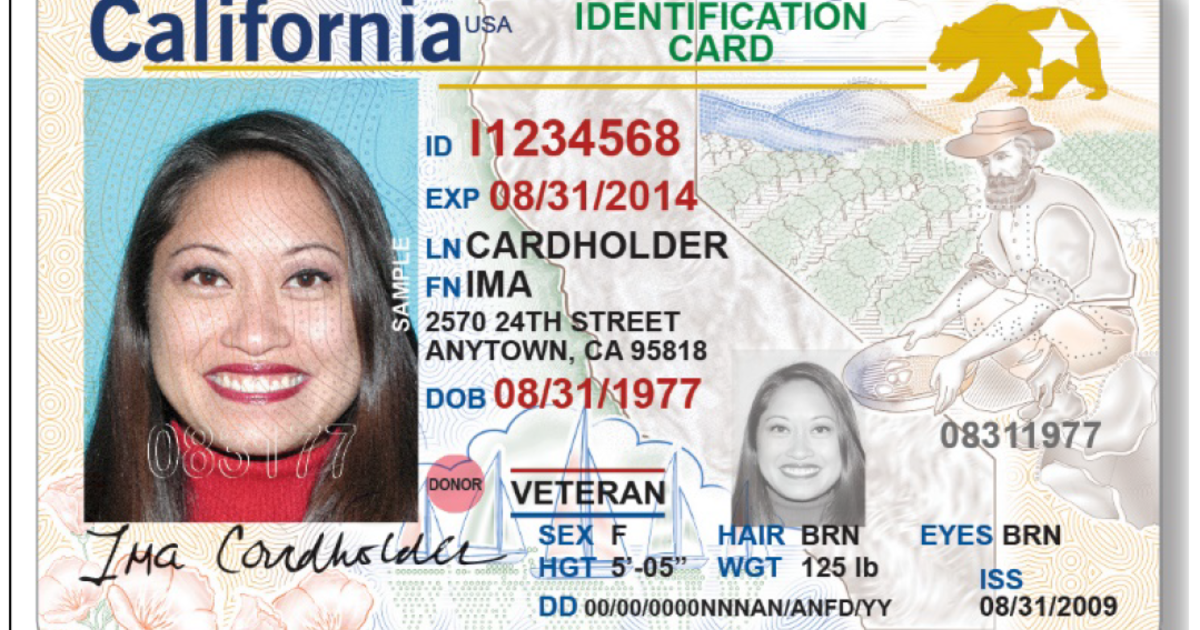
An official identification card, such as a driver’s license, is more than just a piece of plastic; it is a gateway to myriad everyday activities that most citizens take for granted. For undocumented residents, the lack of such a document historically created significant barriers, limiting personal freedoms and hindering their ability to engage seamlessly with the state’s vibrant lifestyle. The introduction of California’s AB 60 law dramatically altered this landscape, providing a pathway to a document that offers substantial practical benefits.
Enhancing Mobility and Independence
Perhaps the most direct and impactful lifestyle benefit of obtaining a California ID card, particularly in the form of a driver’s license, is enhanced mobility. California is a vast state, often requiring personal transportation to commute to work, transport children to school, access healthcare appointments, or simply partake in recreational activities. Without a driver’s license, individuals are often forced to rely on limited public transport options, rides from others, or even risk driving without a license, which carries severe legal repercussions and safety risks.
The ability to legally drive transforms daily routines, offering unparalleled independence. Parents can more easily manage school drop-offs and pick-ups, workers can access employment opportunities farther from their homes, and families can explore the diverse attractions of California, from its national parks to its bustling city centers. This increased freedom of movement directly contributes to an improved quality of life, reducing stress and opening up new possibilities for personal and professional growth. It allows individuals to sculpt a more fulfilling lifestyle, less constrained by transportation barriers.
Accessing Essential Services
Beyond driving, a state-issued ID card facilitates access to a broad spectrum of essential services that are fundamental to a stable lifestyle. Many banks require a valid photo ID to open an account, making financial transactions, saving money, and accessing credit challenging without one. The absence of an ID can push individuals into cash-only economies, which are often less secure and more cumbersome. With an AB 60 license, undocumented residents can typically open bank accounts, providing a safer and more legitimate way to manage their finances, pay bills, and participate in the mainstream economy.
Furthermore, an official ID can be crucial in interactions with law enforcement. While an AB 60 license does not alter immigration status, it provides a recognized form of identification, which can make routine stops or other encounters less stressful and more standardized. It helps individuals identify themselves without confusion, improving personal safety and reducing potential misunderstandings. Access to certain healthcare facilities or social services can also be streamlined with an official ID, even if eligibility for the service itself depends on other criteria. This basic level of recognition is vital for personal dignity and security, underpinning a more stable and less precarious lifestyle.
Fostering Community Integration
The presence of an official ID also plays a subtle yet significant role in fostering community integration. It allows individuals to confidently participate in civic life, even if voting rights are not extended. An ID can be used to rent an apartment (though landlords may still require proof of legal residency), apply for certain jobs that don’t require specific immigration documents beyond identification, or simply to verify one’s identity in various social and commercial settings. This integration allows individuals to feel more connected to their local community, reducing feelings of isolation and marginalization.
When individuals can move freely, access financial services, and confidently interact with institutions, they are better equipped to contribute to their communities economically and socially. They can support local businesses, participate in community events, and build stronger social networks. This sense of belonging and active participation is a cornerstone of a healthy lifestyle, benefiting not only the individuals but also the diverse communities of California as a whole.
Understanding California’s Approach to Non-Citizen ID
California stands out among U.S. states for its progressive stance on providing identification to all residents, regardless of immigration status. This approach reflects a recognition of the practical necessities of life and the economic contributions of undocumented individuals.
The Genesis of AB 60
The landmark legislation, AB 60, was signed into law in California in 2013 and took effect on January 1, 2015. It allows all California residents who meet specified eligibility requirements, regardless of immigration status, to apply for a driver’s license. The primary impetus behind AB 60 was public safety: ensuring that all drivers on California roads are tested, licensed, and insured. However, its implications for the daily lifestyle of undocumented residents quickly became apparent and significant.
Prior to AB 60, undocumented individuals in California often drove without licenses, leading to higher rates of uninsured drivers and increased risks on the road. By providing a legal pathway to licensure, the state sought to make roads safer for everyone. The law specifically mandates that these licenses are compliant with federal REAL ID Act standards, but they include a distinct marking (such as “FEDERAL LIMITS APPLY”) to indicate that they cannot be used for federal purposes like boarding domestic flights or entering federal facilities. Despite this distinction, for daily life within California, an AB 60 license functions much like any other state driver’s license for purposes such as driving, identification by law enforcement, and opening bank accounts.

Eligibility and Application Process
To obtain an AB 60 driver’s license, applicants must satisfy standard requirements for all driver’s license applicants in California. This includes passing a written knowledge test, a vision test, and a behind-the-wheel driving test. The crucial difference lies in the documentation required to prove identity and residency. Applicants for an AB 60 license are not required to provide proof of legal presence in the United States. Instead, they can use alternative documents to establish identity and California residency.
The California Department of Motor Vehicles (DMV) provides a comprehensive list of acceptable documents, which can include foreign passports, consular IDs, birth certificates, and various secondary documents to establish residency in California, such as utility bills, rental agreements, or school documents. The process requires an appointment at the DMV, submission of the application, payment of fees, and successful completion of the required tests. While the process can be demanding, particularly for those unfamiliar with the requirements or language, the outcome significantly enhances an individual’s lifestyle and daily functioning within the state.
Beyond Driving: Broader Lifestyle Implications
The impact of AB 60 extends far beyond the immediate benefit of legal driving. It touches upon various facets of personal and economic lifestyle, contributing to greater stability and integration for individuals and families across California.
Practical Benefits for Everyday Living
Having a recognized form of identification streamlines numerous daily interactions. It simplifies age verification for purchasing goods, accessing certain venues, and proving identity for various administrative tasks. For instance, renting a bicycle, signing up for community programs, or even picking up a package can be made significantly easier with an AB 60 license. These small but frequent interactions collectively contribute to a less stressful and more functional daily life. The ability to present a valid ID provides a sense of legitimacy and belonging, reducing anxiety associated with being unable to identify oneself. This stability is a cornerstone of a well-adjusted and secure lifestyle, allowing individuals to focus on personal development, family, and community engagement rather than navigating constant identity challenges.
Economic Participation and Stability
The economic impact on individuals’ lifestyles is profound. With legal driving privileges, undocumented residents can access a wider range of job opportunities, particularly those requiring driving or reliable transportation. This often leads to better-paying jobs, increased financial stability, and improved working conditions, which in turn enhance their overall lifestyle. The ability to commute independently reduces reliance on others, fostering greater autonomy in employment decisions. Moreover, opening a bank account enables safer storage of earnings, participation in direct deposit schemes, and the establishment of a financial history, all of which are critical for long-term economic stability and planning for the future. This economic empowerment directly influences family well-being, housing stability, and access to better educational opportunities for children.
Addressing Safety and Well-being
From a safety and well-being perspective, the AB 60 license contributes significantly to a more secure lifestyle. By ensuring more drivers are tested and insured, it enhances road safety for everyone in California. For undocumented individuals, it means driving without the constant fear of being pulled over and facing severe penalties for driving without a license, which could also lead to immigration-related consequences. This reduction in fear and anxiety has a positive impact on mental health and overall well-being. Furthermore, in emergencies, a recognized ID can facilitate communication and ensure that individuals receive necessary assistance without delays caused by identification issues.
Perspectives on a More Inclusive California Lifestyle
The implementation of AB 60 reflects a broader societal discussion about inclusion and the practical realities of managing a large undocumented population. From a lifestyle perspective, it moves towards a more inclusive California where all residents, regardless of status, can more fully participate in daily life.
Impact on Families and Communities
The impact on families is particularly noteworthy. Parents with AB 60 licenses can more easily participate in school activities, transport their children to medical appointments, and engage in family outings. This strengthens family units and improves the quality of life for children, many of whom are U.S. citizens. Communities benefit from a more stable and engaged resident population, where individuals are less isolated and more capable of contributing to the local economy and social fabric. It reduces the perceived ‘otherness’ and fosters a sense of shared responsibility for public safety and community well-being.

Navigating Social Interactions
The confidence derived from possessing an official ID also affects social interactions. It allows individuals to move through public spaces and commercial establishments with greater ease, free from the apprehension of being asked for identification they cannot provide. This psychological comfort is an invaluable component of a healthy lifestyle, promoting greater self-esteem and reducing the burden of living in the shadows. It enables more authentic engagement with neighbors, colleagues, and broader society, facilitating a richer and more integrated social life.
The ability for undocumented immigrants to obtain a California ID card, primarily through the AB 60 driver’s license program, profoundly reshapes their lifestyle within the state. It grants them greater mobility, financial stability, access to essential services, and a deeper sense of integration into the diverse communities that define California. While it does not change their immigration status, it significantly enhances their daily living experience, allowing them to lead more independent, secure, and fulfilling lives.
LifeOutOfTheBox is a participant in the Amazon Services LLC Associates Program, an affiliate advertising program designed to provide a means for sites to earn advertising fees by advertising and linking to Amazon.com. Amazon, the Amazon logo, AmazonSupply, and the AmazonSupply logo are trademarks of Amazon.com, Inc. or its affiliates. As an Amazon Associate we earn affiliate commissions from qualifying purchases.