
Living in California, or any state in the United States, involves a complex tapestry of daily interactions, responsibilities, and freedoms that are often underpinned by official identification. For individuals residing in California without legal immigration status, the question of obtaining a state ID or driver’s license has significant implications for their personal mobility, economic participation, and overall lifestyle within the community. The answer, specifically regarding a driver’s license which also serves as a primary form of identification, lies in specific legislation passed within the state.
Navigating Daily Life: The California ID for All Residents
The ability to prove one’s identity and, crucially, to legally operate a vehicle, is fundamental to many aspects of modern lifestyle, particularly in a sprawling state like California. For many, this means being able to commute to work, transport children to school, access healthcare, or simply carry out daily errands without fear or impediment. Before 2015, these essential aspects of life were often challenging for undocumented residents due to the lack of access to a valid driver’s license.
Understanding AB 60: A Pathway to Identification
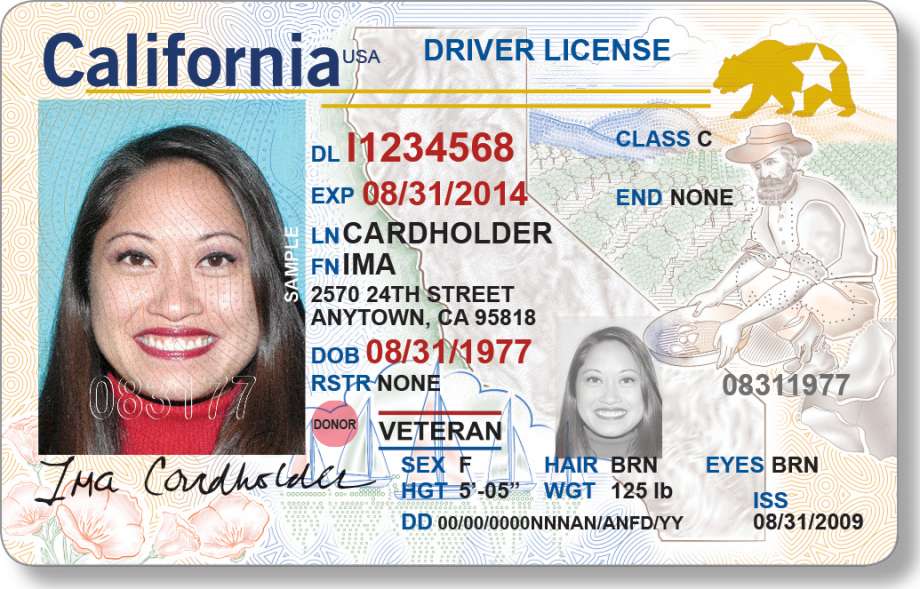
In a significant move to enhance public safety and facilitate daily life for all residents, California implemented Assembly Bill 60 (AB 60) in January 2015. This landmark legislation allows all eligible California residents, regardless of their immigration status, to apply for an original driver’s license. The AB 60 license is designed to be fully compliant with federal and state requirements and clearly indicates that it is not valid for federal purposes, such as boarding an airplane or entering a federal facility. However, for everyday life within California, it serves as a crucial form of identification and allows individuals to legally drive.
The intention behind AB 60 was multifaceted: to improve road safety by ensuring more drivers are tested, licensed, and insured; to integrate a significant portion of the population into the state’s driving culture; and to provide a valid form of identification that eases daily transactions and interactions. For countless individuals, this meant a dramatic shift in their personal autonomy and the way they could navigate the practicalities of their lifestyle in California.
Eligibility and Application: Steps to Obtaining a California Driver’s License
The application process for an AB 60 driver’s license through the California Department of Motor Vehicles (DMV) is similar to that for any other driver’s license applicant, with a few distinctions regarding documentation. Applicants must:
- Complete a Driver’s License Application: This includes providing personal information.
- Provide Proof of Identity and Residency: While typical federal immigration documents are not required, applicants must still prove who they are and that they reside in California. The DMV provides a list of acceptable documents that are not tied to federal immigration status, such as foreign passports, consular identification cards, and proof of California residency like utility bills or rental agreements.
- Pass a Written Knowledge Test: This assesses understanding of California traffic laws and road signs.
- Pass a Vision Test: Ensuring adequate eyesight for driving.
- Pass a Behind-the-Wheel Driving Test: Demonstrating actual driving proficiency on the road.
- Provide Proof of Financial Responsibility: This typically means showing proof of automobile insurance.
The DMV has dedicated resources and information available in multiple languages to guide applicants through this process, recognizing the diverse linguistic landscape of California. Successfully obtaining an AB 60 license transforms an individual’s daily lifestyle, granting them the ability to legally drive and possess a state-issued identification card.
Impact on Personal Mobility and Economic Participation
The implications of possessing a California driver’s license extend far beyond merely operating a vehicle; they profoundly influence personal mobility, economic stability, and the ability to engage fully with societal infrastructure. For many, a driver’s license is a key enabler of an independent and integrated lifestyle.
Enhanced Road Safety and Commuting
One of the primary goals of AB 60 was to improve overall road safety. By allowing more drivers to obtain licenses, the state ensures that these individuals are tested, have knowledge of traffic laws, and are more likely to carry auto insurance. This reduces the number of uninsured and untested drivers on the road, contributing to a safer driving environment for everyone. For the individual, this means safer commuting to work, school, or other essential appointments, reducing the risks associated with driving without a license. This security and legality in travel significantly enhances daily lifestyle, reducing stress and legal vulnerability.
Moreover, in a state where public transportation infrastructure, while robust in major metropolitan areas, can still be a challenge for many, driving is often a necessity. Access to a legal driver’s license opens up job opportunities that require commuting or driving, expanding economic prospects and contributing to household stability. This directly impacts the ability of families to maintain a certain quality of life and pursue aspirations.
Access to Banking and Essential Services

While an AB 60 license clearly states it is not valid for federal purposes, it is accepted as valid identification by many state and local agencies, as well as private institutions, within California. This includes banking institutions, which often require a state-issued photo ID to open an account. Having a bank account is crucial for managing finances, receiving wages via direct deposit, and avoiding the risks associated with carrying large amounts of cash. This financial integration is a cornerstone of modern lifestyle, enabling individuals to save, pay bills, and participate more fully in the economy.
Beyond banking, a state ID can facilitate access to various other essential services, such as picking up prescriptions, signing up for utility services, or interacting with local government offices. This makes daily life smoother and more efficient, reducing barriers that can create significant challenges for individuals and families in their routine activities.
Community Integration and Social Well-being
The ability to obtain a state ID also plays a vital role in fostering community integration and improving the social well-being of residents. When individuals feel recognized and empowered with official documentation, it creates a sense of belonging and reduces social isolation.
Facilitating Interactions with Law Enforcement
Prior to AB 60, interactions between undocumented residents and law enforcement often carried heightened tension and fear, particularly during routine traffic stops. Drivers without licenses faced the risk of vehicle impoundment and further legal complications. With an AB 60 license, drivers can provide legitimate identification and proof of their driving privileges, normalizing these interactions. This reduces fear within the community, builds trust between residents and law enforcement, and allows officers to focus on more serious criminal activities rather than administrative traffic offenses stemming from a lack of documentation. This shift contributes significantly to the quality of life and overall peace of mind for many California residents.
Empowering Families and Children
Many undocumented adults are parents to U.S. citizen children or legally present children. Their ability to drive legally and possess a valid ID directly impacts their children’s lifestyle and well-being. Parents can more easily take their children to school, doctor’s appointments, extracurricular activities, and visit family, fostering a more stable and enriching environment. Having official identification also streamlines interactions with schools and healthcare providers, ensuring parents can more effectively advocate for their children’s needs. This practical support for families is a core element of a stable and thriving community, impacting everything from health outcomes to educational attainment for the next generation.
Key Distinctions and Future Outlook
While AB 60 has profoundly impacted the lives of many in California, it’s crucial to understand the limitations and distinctions of this particular form of identification.
Federal vs. State Identification: What an AB 60 License Does Not Do
It is important to reiterate that an AB 60 driver’s license is explicitly not valid for federal identification purposes. This means it cannot be used to:
- Board domestic flights after REAL ID enforcement dates (though current enforcement is delayed).
- Enter federal facilities, such as courthouses or military bases.
- Serve as proof of legal presence in the United States for employment purposes.
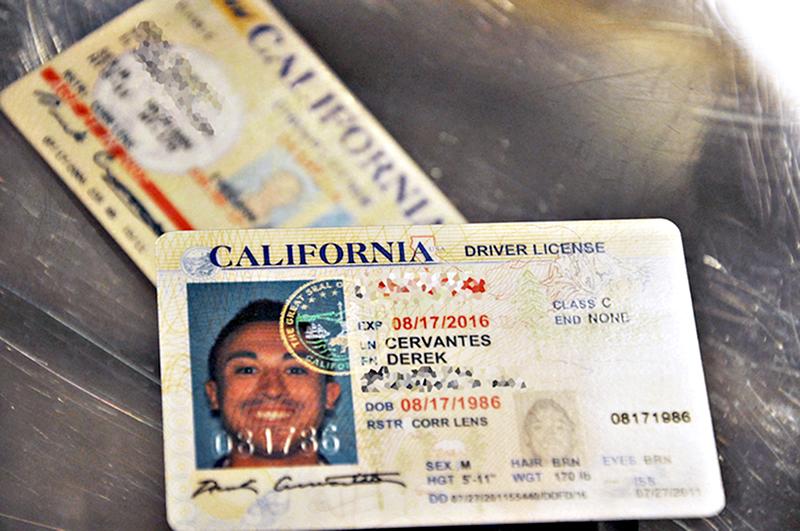
These limitations are clearly marked on the license itself. Therefore, while it greatly enhances an individual’s lifestyle within California, it does not grant broader federal privileges or alter immigration status. Understanding these boundaries is critical for applicants to manage expectations regarding the utility of the card.
Resources and Support for Applicants
The process of applying for any official document can be daunting, especially for those navigating new systems or facing language barriers. Various non-profit organizations, community groups, and legal aid services throughout California offer assistance and guidance to individuals applying for an AB 60 driver’s license. These resources can help with understanding documentation requirements, preparing for tests, and navigating the DMV process. Seeking out such support can significantly ease the application journey and increase the likelihood of success, ultimately facilitating a more stable and integrated lifestyle for eligible residents.
In conclusion, California has created a pathway for individuals, regardless of immigration status, to obtain a state driver’s license, which serves as a vital form of identification. This policy, enshrined in AB 60, has significant positive ramifications for personal mobility, economic participation, and overall community integration, directly shaping the daily lifestyle and well-being of countless residents across the state.
LifeOutOfTheBox is a participant in the Amazon Services LLC Associates Program, an affiliate advertising program designed to provide a means for sites to earn advertising fees by advertising and linking to Amazon.com. Amazon, the Amazon logo, AmazonSupply, and the AmazonSupply logo are trademarks of Amazon.com, Inc. or its affiliates. As an Amazon Associate we earn affiliate commissions from qualifying purchases.