
Navigating the complex landscape of state regulations, particularly concerning driving privileges, can be a significant concern for many residents of California. The question of whether undocumented immigrants can obtain a driver’s license is one that has garnered considerable attention and, at times, confusion. This article aims to clarify the current legal framework surrounding driver’s licenses for individuals without legal immigration status in California, exploring the historical context, the benefits of such policies, and the practical implications for both individuals and the state.
The Road to Inclusivity: California’s Policy on Driver’s Licenses
California has a history of evolving its policies regarding driver’s licenses. For many years, a lack of legal immigration status was a definitive barrier to obtaining a license, regardless of residency or ties to the state. This created a challenging situation for a significant portion of the population who lived and worked in California but were unable to legally operate a motor vehicle. The consequences of this restriction were far-reaching, impacting daily life, employment, and public safety.
Historical Context and Legislative Changes
The journey towards allowing undocumented immigrants to obtain driver’s licenses in California was not a sudden development but rather a gradual process shaped by advocacy, changing societal views, and a recognition of practical realities. Prior to the passage of Assembly Bill 60 (AB 60) in 2013, the state’s Vehicle Code generally required proof of legal presence in the United States to be eligible for a driver’s license. This meant that individuals who had resided in California for years, contributed to the economy, and raised families were excluded from this fundamental privilege.
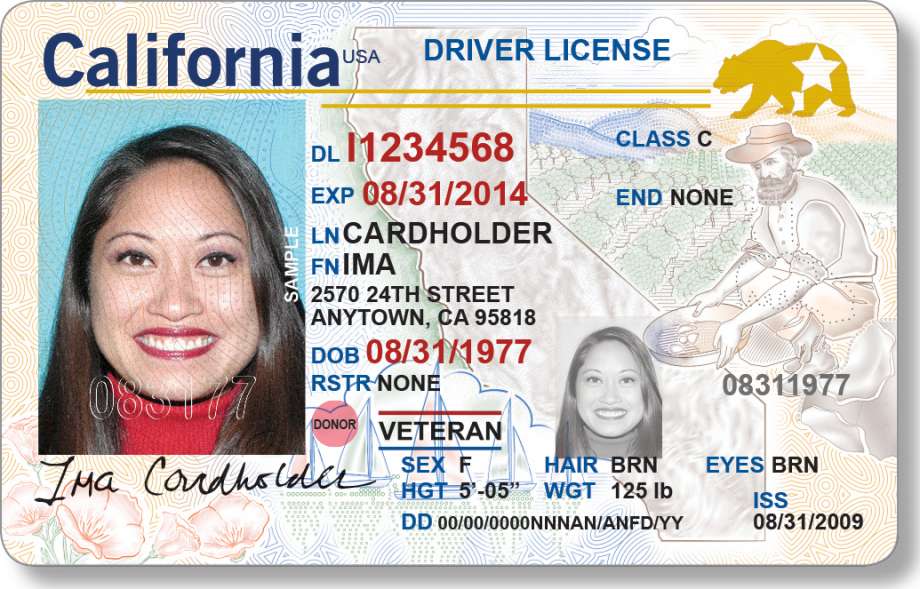
The passage of AB 60 marked a significant turning point. This landmark legislation, signed into law by Governor Jerry Brown, authorized the issuance of driver’s licenses to individuals regardless of their immigration status. The primary objective of AB 60 was to enhance public safety by ensuring that all drivers on California’s roads met the same driving standards, passed the same tests, and were subject to the same traffic laws. The bill recognized that a licensed driver is more likely to be insured, familiar with traffic rules, and less likely to be involved in accidents.
The implementation of AB 60 required the Department of Motor Vehicles (DMV) to develop new procedures and forms to accommodate applicants who could not provide standard documentation of legal presence. This involved accepting alternative forms of identification that verified residency and identity within the state. The legislative intent behind AB 60 was clear: to bring more drivers into the formal system, thereby making the roads safer for everyone, including tourists visiting iconic landmarks like the Golden Gate Bridge or the historic streets of San Francisco.
Requirements for Obtaining a Driver’s License Under AB 60
While AB 60 opened the door for undocumented immigrants to obtain driver’s licenses, it is crucial to understand that the requirements are not waived. Applicants must still meet the same stringent standards as all other license applicants in California. These requirements are designed to ensure that all drivers possess the necessary knowledge and skills to operate a vehicle safely.
The application process under AB 60 involves several key steps:
- Proof of Identity and California Residency: This is the most significant difference for applicants without legal immigration status. Instead of providing federal immigration documents, AB 60 allows for a wider range of documents to establish identity and residency. This can include foreign passports, birth certificates, consular identification cards, marriage certificates, and utility bills or rental agreements to demonstrate residency within California. The California DMV provides a comprehensive list of acceptable documents.
- Passing the Knowledge Test: All applicants, regardless of status, must pass a written knowledge test that assesses their understanding of California traffic laws, road signs, and safe driving practices. This test is available in multiple languages, reflecting the diverse population of the state.
- Passing the Vision Test: A vision screening is conducted to ensure that applicants have adequate eyesight to drive safely.
- Passing the Driving Test: The practical driving test evaluates an applicant’s ability to operate a vehicle safely and competently in various traffic conditions. This includes demonstrating proper control of the vehicle, adherence to traffic signals, and safe maneuvering.
- Payment of Fees: As with all license applications, there are associated fees for the application, testing, and issuance of the license.

It is important to note that licenses issued under AB 60 are not federal REAL ID-compliant. This means they cannot be used for certain federal purposes, such as boarding commercial airplanes for domestic travel or entering federal buildings. However, they are fully valid for driving within California and for other state-specific purposes.
The Broader Implications and Benefits
The decision to allow undocumented immigrants to obtain driver’s licenses in California has been met with both support and opposition. However, proponents highlight a range of benefits that extend beyond individual drivers to encompass public safety, economic contributions, and the overall well-being of the community.
Enhancing Public Safety on California’s Roads
One of the most compelling arguments for AB 60 is its positive impact on public safety. Prior to its enactment, many undocumented immigrants who relied on driving for work, family obligations, or essential errands did so without a license. This often meant driving uninsured vehicles, which posed a significant financial risk to others in the event of an accident. Furthermore, drivers operating without a license might have been less familiar with traffic laws or less inclined to adhere to them, potentially leading to more frequent or severe collisions.
By bringing these drivers into the licensing system, California has encouraged them to learn and follow traffic laws, undergo safety training, and, in many cases, obtain vehicle insurance. This universal approach to driver safety aims to create a more predictable and secure driving environment for everyone, whether they are residents commuting to work or tourists exploring the scenic beauty of Yosemite National Park. A driver who is licensed and insured is a more responsible driver, contributing to fewer hit-and-run incidents and a reduction in uninsured accidents that burden the state and its insurance system.
Economic Contributions and Community Integration
The ability to drive legally can unlock new economic opportunities for individuals. For many undocumented immigrants, reliable transportation is essential for accessing employment, particularly in sectors that may be geographically dispersed or require travel. Obtaining a driver’s license can open doors to better-paying jobs or more consistent employment, allowing these individuals to contribute more significantly to the California economy through their labor and increased consumer spending.
Furthermore, the ability to drive facilitates greater participation in community life. It allows individuals to attend school events, access healthcare services, and engage in local tourism and cultural activities. This integration not only benefits the individuals themselves but also strengthens the social fabric of the communities they are a part of. It fosters a sense of belonging and reduces the isolation that can sometimes accompany an undocumented status. For instance, being able to drive allows easier access to farmers’ markets in Los Angeles or attending cultural festivals throughout the state.

Addressing Concerns and Misconceptions
Despite the benefits, the policy has faced opposition, often rooted in concerns about fairness, national security, or the perception of encouraging illegal immigration. It is important to address these concerns with factual information.
- No Pathway to Citizenship: It is crucial to reiterate that obtaining a driver’s license under AB 60 does not confer any legal immigration status or provide a pathway to citizenship. The license is solely a permit to operate a motor vehicle within the state of California.
- Verification of Identity: While the documentation requirements differ, the California DMV has implemented robust procedures to verify the identity of applicants. The focus is on ensuring that the person applying is who they claim to be and is a resident of California.
- Public Safety as a Priority: The core rationale behind AB 60 remains public safety. By bringing all drivers into the regulated system, the state aims to reduce accidents, injuries, and fatalities on its roads, a goal that benefits all residents and visitors, whether they are staying at a luxury resort in Napa Valley or exploring the beaches of San Diego.
In conclusion, the question of whether undocumented immigrants can get a driver’s license in California has a clear answer: yes, under the provisions of Assembly Bill 60. This policy, enacted with the primary goal of enhancing public safety and integrating more drivers into the regulated system, allows eligible individuals to obtain a license by meeting the same driving knowledge and skill requirements as all other applicants. While the documentation requirements differ for those without legal immigration status, the process is designed to verify identity and residency, ultimately leading to safer roads and greater community participation for all residents of the Golden State.
LifeOutOfTheBox is a participant in the Amazon Services LLC Associates Program, an affiliate advertising program designed to provide a means for sites to earn advertising fees by advertising and linking to Amazon.com. Amazon, the Amazon logo, AmazonSupply, and the AmazonSupply logo are trademarks of Amazon.com, Inc. or its affiliates. As an Amazon Associate we earn affiliate commissions from qualifying purchases.