
Florida, a state synonymous with sunshine, sandy beaches, and vibrant citrus groves, might not be the first place that springs to mind when you think of lavender. Typically, lavender thrives in the dry, sunny climates of the Mediterranean. However, the Sunshine State’s unique environment presents a fascinating horticultural challenge. The question on many a gardener’s mind, and a point of curiosity for visitors to Florida’s charming towns and agricultural areas, is: can lavender truly flourish under the humid skies and distinct soil conditions of Florida?
This exploration delves into the possibilities and practicalities of growing lavender in Florida, examining the challenges posed by its climate, the types of lavender that might fare best, and the innovative techniques gardeners are employing to achieve success. It also touches upon how this fragrant herb can enhance the visitor experience, from the aromas wafting from local gardens to potential lavender-themed experiences that could become a unique aspect of Florida tourism.
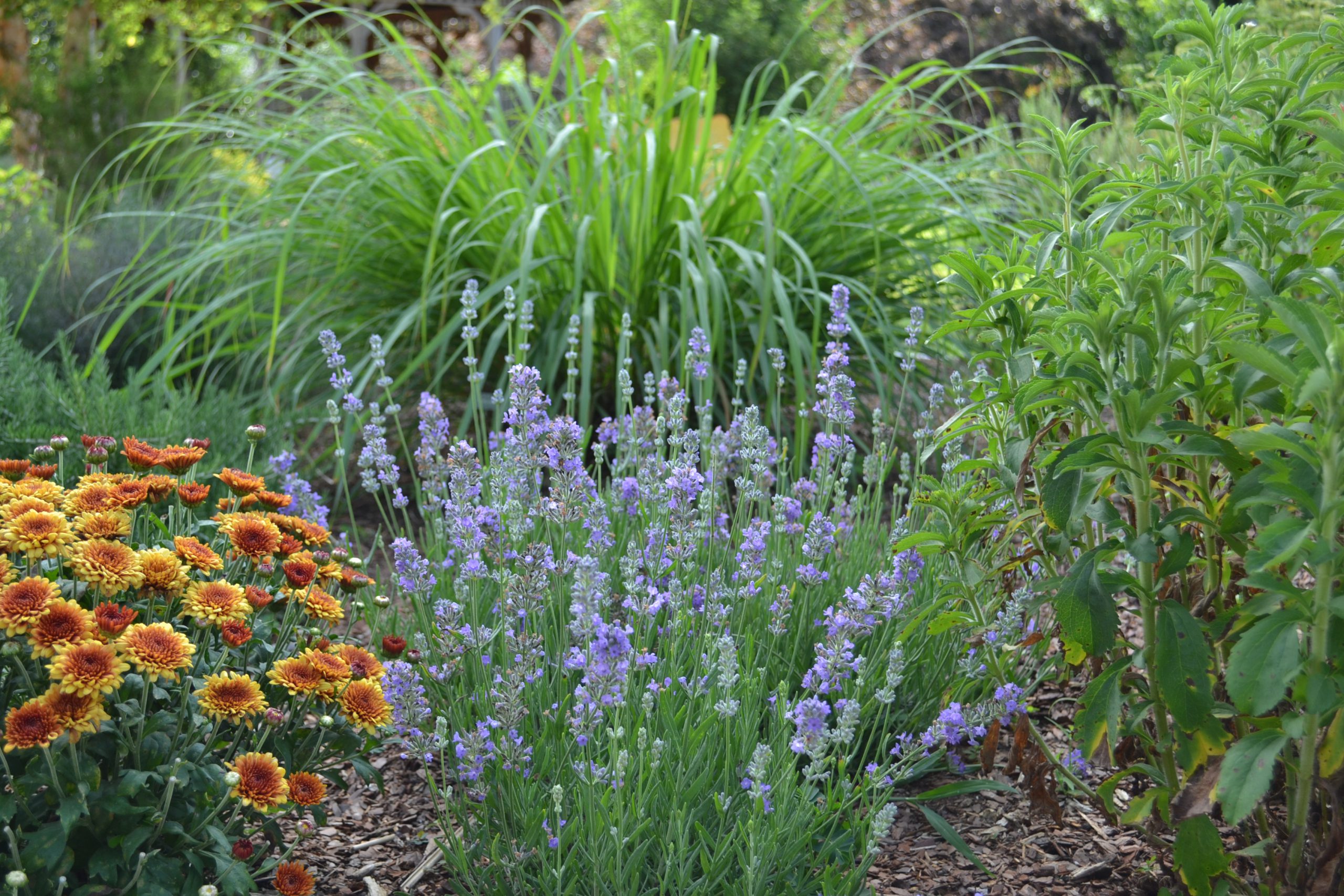
Understanding Florida’s Climate and Its Impact on Lavender
Florida’s climate is a complex interplay of heat, humidity, and rainfall, which differs significantly from the arid, well-draining conditions that traditional lavender varieties prefer. This section will break down the key climatic factors that influence lavender cultivation in the state and explore the specific challenges they present.
Humidity and Disease Resistance
One of the most significant hurdles for lavender in Florida is the high humidity. Lavender plants, particularly the English lavender varieties (Lavandula angustifolia), are susceptible to fungal diseases when exposed to prolonged moisture and damp conditions. Root rot, powdery mildew, and other fungal infections can quickly weaken or kill plants that are not adapted to such an environment. The constant moisture in the air and soil can prevent the plant’s foliage from drying out effectively, creating an ideal breeding ground for pathogens. This is a stark contrast to the dry, breezy conditions of the Mediterranean, where lavender originates and flourishes. Even with ample sunshine, the sheer amount of moisture in the air can be detrimental.
Soil Drainage: The Crucial Factor
Lavender absolutely requires well-draining soil. In its native habitat, lavender grows in rocky, sandy, or gravelly soils that allow water to pass through quickly, preventing waterlogged roots. Florida’s soils, particularly in many coastal and inland areas, are often sandy but can also be heavy clay, which retains moisture. This means that even with sunshine, the roots can sit in water, leading to rot. Improving drainage is therefore paramount for any successful lavender cultivation in the state. Without adequate drainage, even drought-tolerant lavender varieties will struggle to survive.
Heat and Temperature Fluctuations
While Florida is renowned for its heat, lavender plants have specific temperature requirements. While they appreciate warmth, extreme and prolonged heat, especially when combined with humidity, can stress the plants. Some varieties may struggle to bloom consistently or produce as much oil (the source of their fragrance) under such conditions. Furthermore, Florida’s occasional cold snaps, while generally mild compared to northern climates, can also impact certain lavender varieties, particularly young plants. The delicate balance of consistent warmth without oppressive humidity and a distinct, but not harsh, winter is what lavender typically seeks.
Selecting the Right Lavender Varieties for Florida
Given the climatic challenges, not all lavender varieties are created equal when it comes to growing in Florida. Horticulturalists and dedicated gardeners have identified specific types that show greater resilience and a better chance of success in the Sunshine State’s unique environment. This section will highlight the most promising lavender species and cultivars for Florida gardeners.
Spanish Lavender (Lavandula stoechas): A Promising Contender
Among the various lavender species, Spanish lavender (Lavandula stoechas) has emerged as one of the most successful for cultivation in Florida. This variety is characterized by its distinctive “rabbit ear” bracts atop the flower spikes. Spanish lavender is known for its higher tolerance to heat and humidity compared to English lavenders. While it still requires excellent drainage, it generally handles Florida’s climate better. Its blooming period can also be longer, offering more opportunities to enjoy its beauty and fragrance. Several cultivars of Spanish lavender, such as ‘Anouk’ and ‘Otto Glaser’, are popular choices due to their vigor and aesthetic appeal. For those visiting areas known for lavender cultivation, such as certain farms or botanical gardens, the sight and scent of thriving Spanish lavender can be a delightful surprise.
French Lavender (Lavandula dentata): Another Heat-Tolerant Option
Similar to Spanish lavender, French lavender (Lavandula dentata) also demonstrates a good tolerance for warmer climates and is often considered a viable option for Florida. Its leaves are deeply toothed, giving it a distinctive appearance, and it produces a lovely, somewhat softer scent than some other varieties. While not as cold-hardy as English lavender, its heat tolerance makes it more suited to the Florida environment. Like its counterparts, French lavender thrives in well-drained soil and benefits from pruning to maintain its shape and encourage bushier growth.
Hybrid and Specialized Cultivars
Beyond the more common species, ongoing horticultural research and development have led to the creation of hybrid lavender varieties and specialized cultivars designed to perform better in challenging climates. Some growers are experimenting with crosses and selections that exhibit improved disease resistance and a greater tolerance for heat and humidity. While these might be less widely available, they represent the future of lavender cultivation in regions like Florida. Keeping an eye on local nurseries and agricultural extension services can provide insights into new varieties being trialed and recommended for the state.

Cultivating Lavender Success in Florida: Essential Techniques
Successfully growing lavender in Florida is not about simply planting and forgetting. It requires thoughtful preparation, specific planting techniques, and ongoing care to mitigate the challenges of the local climate. This section outlines the key strategies that gardeners can employ to help lavender thrive.
Soil Amendment and Raised Beds: The Drainage Solution
As emphasized, superior drainage is non-negotiable for lavender in Florida. The most effective way to achieve this is by amending the soil heavily with coarse sand, perlite, or gravel. Incorporating a significant amount of organic matter, like compost, can also improve soil structure, but it’s crucial to ensure it doesn’t retain too much moisture.
A highly recommended strategy for Florida gardeners is the use of raised beds. By building beds that are elevated several feet above the ground, gardeners create an environment where excess water can drain away freely, preventing root saturation. Filling these beds with a specially formulated, free-draining mix specifically designed for Mediterranean herbs is often the most successful approach. This allows the plant’s roots to access air and dry out between waterings, mimicking their natural habitat. When visiting charming bed and breakfast establishments or boutique hotels in agricultural areas, one might find such expertly crafted raised garden beds showcasing various herbs, including lavender.
Strategic Planting and Watering Practices
The placement of lavender plants is also critical. They need to be planted in the sunniest possible location, receiving at least six to eight hours of direct sunlight daily. This sunshine helps to dry the foliage and soil, reducing the risk of fungal diseases.
Watering practices must be adjusted to Florida’s conditions. It’s vital to water deeply but infrequently, allowing the soil to dry out completely between waterings. Avoid overhead watering, which can wet the foliage and flowers, promoting disease. Instead, water at the base of the plant, preferably in the morning, so any residual moisture on the leaves has ample time to evaporate during the day. During Florida’s rainy season, extra vigilance is needed to ensure the plants are not overwatered, and in drier periods, consistent but measured watering becomes essential.
Pruning for Health and Productivity
Regular pruning is an integral part of lavender care in Florida, helping to maintain plant health, shape, and encourage flowering. After the main blooming period, typically in late spring or early summer, it’s advisable to prune the plants back by about one-third to one-half. This prevents them from becoming leggy and woody, promotes new growth, and prepares them for subsequent blooms. A lighter trim can also be done in the fall to maintain shape and remove spent flower stalks. Proper pruning can also help to improve air circulation around the plant, further reducing the risk of fungal issues.
Mulching with Care
While mulching can help suppress weeds and retain moisture, it must be done judiciously for lavender in Florida. Avoid using heavy organic mulches like bark or pine needles directly around the base of the plant, as they can trap moisture. Instead, opt for inorganic mulches such as gravel or small stones. These materials allow for good air circulation and drainage, further supporting the plant’s need for a dry environment.
The Allure of Lavender: Enhancing Florida’s Tourist Experience
Beyond the horticultural challenge, the successful cultivation of lavender in Florida opens up delightful possibilities for enhancing the state’s already rich tourism offerings. Imagine stepping away from the bustling theme parks of Orlando or the beaches of Miami to discover fragrant fields of purple, or finding lavender-infused products in local artisan shops.
Lavender Farms and Agri-tourism
As more lavender farms begin to establish themselves across Florida, they are becoming attractive destinations for agri-tourism. Visitors can experience the beauty of blooming lavender fields, often set against the backdrop of Florida’s lush landscapes. Many farms offer U-pick opportunities, allowing guests to harvest their own fragrant bundles. They may also provide workshops on lavender cultivation, distillation, and uses, offering an educational and engaging experience. Some farms have even developed on-site shops selling lavender-infused products, from essential oils and soaps to culinary items like lavender honey and teas. For those seeking unique accommodations, a stay at a charming farm stay or a nearby boutique hotel could offer a peaceful retreat immersed in the scent and sight of lavender.
Lavender-Inspired Local Crafts and Cuisine
The presence of locally grown lavender can inspire a wave of artisan crafts and culinary creations. Local markets and shops throughout Florida might feature handmade soaps, candles, sachets, and lotions scented with Florida-grown lavender. In the culinary scene, chefs can incorporate lavender into desserts, beverages, and savory dishes, adding a unique floral note. This provides a distinct local flavor and souvenir opportunity for travelers. When exploring the historic streets of St. Augustine or the quaint villages of Central Florida, one might discover these artisanal treasures, adding a fragrant layer to the travel experience.
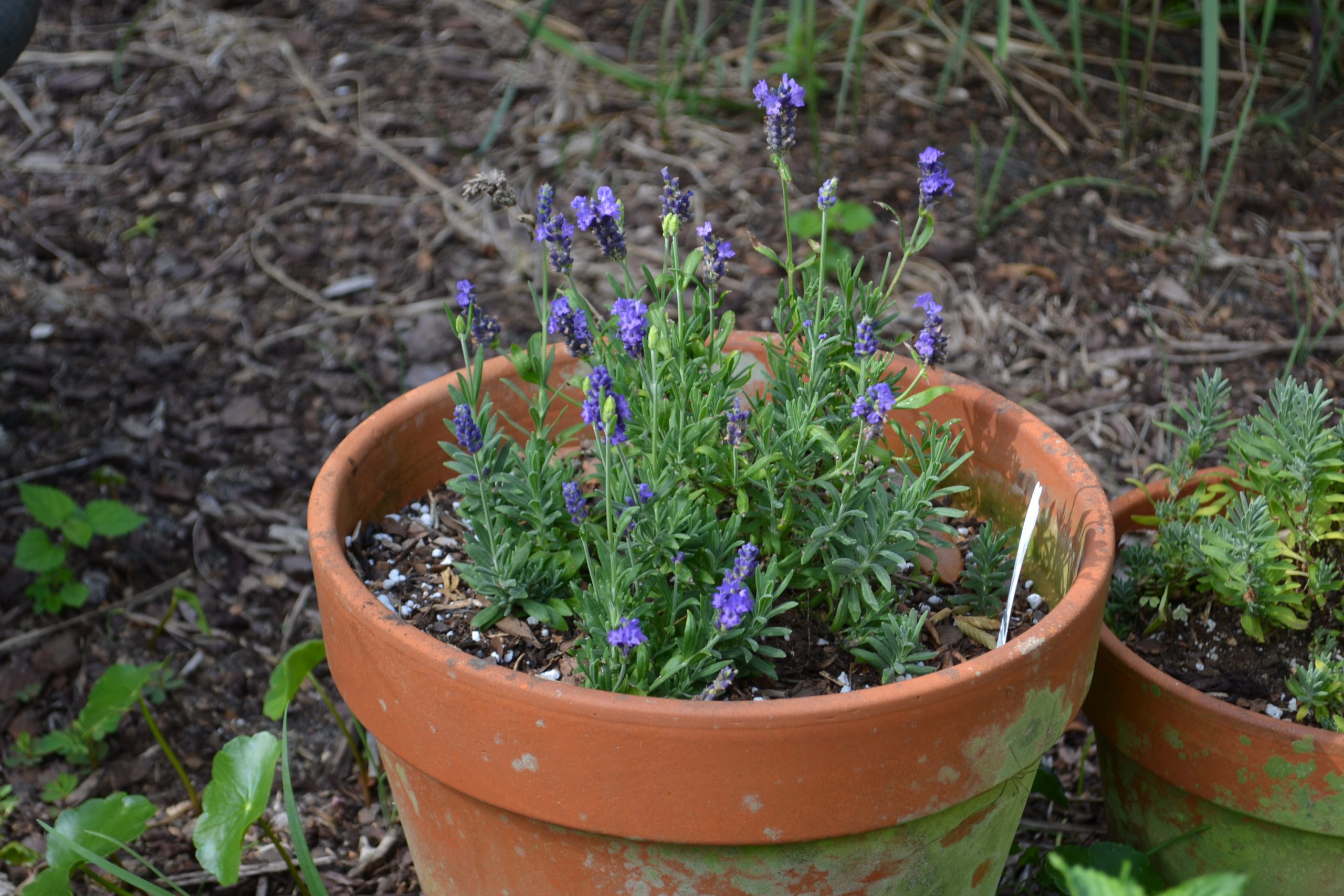
Lavender in Gardens and Resorts
Even for those not visiting a dedicated lavender farm, the herb’s presence can subtly enhance the Florida travel experience. Increasingly, botanical gardens and even some upscale resorts and hotels are incorporating lavender into their landscaping. The calming aroma can contribute to a serene and relaxing atmosphere. Imagine a spa treatment at a luxury resort incorporating lavender essential oils, or simply enjoying the scent as you stroll through the grounds of a beautiful garden. This integration of lavender adds a touch of natural elegance and tranquility, appealing to travelers seeking relaxation and sensory pleasure. It transforms a visit to a landmark or a stay at a resort into a more holistic, aromatic experience.
LifeOutOfTheBox is a participant in the Amazon Services LLC Associates Program, an affiliate advertising program designed to provide a means for sites to earn advertising fees by advertising and linking to Amazon.com. Amazon, the Amazon logo, AmazonSupply, and the AmazonSupply logo are trademarks of Amazon.com, Inc. or its affiliates. As an Amazon Associate we earn affiliate commissions from qualifying purchases.