
Embarking on the exciting journey of marriage is a momentous occasion, marking the start of a beautiful new chapter in your life. For many, this fresh beginning also brings with it the decision to change their last name, a step that solidifies a new identity and a shared future. While the romance of saying “I do” might still be in the air, the practicalities of a name change, especially in a vast state like Texas, can seem daunting. This administrative task is not just about legal formality; it’s a crucial step in ensuring your travel plans, financial affairs, and overall lifestyle remain seamless and stress-free.

Imagine booking a dream honeymoon getaway to Paris or a relaxing escape to a luxury resort in the Caribbean, only to encounter issues at the airport because your passport doesn’t match your flight booking. Or perhaps you’re planning a long-term stay in a charming apartment in Austin and need consistent identification for utility hookups and banking. This guide is designed to navigate you through the process of changing your last name after marriage in Texas, providing clear, actionable steps to ensure your new identity is officially recognized, allowing you to focus on enjoying your newlywed life and all the adventures it promises, whether that involves local culture, international travel, or simply building a new home together.
The Journey Begins: Understanding Your Options in Texas
Before diving into the paperwork, the very first step is to decide what your new last name will be. Texas law is generally accommodating, offering several options for newlyweds, allowing you to choose the path that best reflects your new lifestyle and personal preferences. This decision is deeply personal, impacting your identity for years to come, and it’s essential to understand the possibilities before moving forward.
Deciding on Your New Moniker: Traditional vs. Modern Approaches
The traditional route for many has been to simply adopt the spouse’s last name. This is a straightforward process facilitated directly through your marriage license. However, contemporary approaches offer more flexibility, catering to diverse preferences and family traditions.
- Adopting Your Spouse’s Last Name: This is the most common choice. Your certified marriage certificate, which serves as your legal proof of marriage, will be the primary document to initiate this change across all governmental and financial institutions.
- Hyphenating Your Last Names: You might choose to combine both your maiden name and your spouse’s last name with a hyphen (e.g., Smith-Jones). This option allows both partners to retain a connection to their original family names while forming a new, unified identity.
- Combining Last Names (without a hyphen): Some couples prefer to merge elements of both last names to create an entirely new surname. This typically requires a court order in Texas rather than simply relying on the marriage license, as it’s not a direct adoption of an existing name.
- Keeping Your Maiden Name: You are absolutely not required to change your name after marriage. Many individuals choose to retain their maiden name, especially if it’s tied to professional identity, or simply out of personal preference. This means no name change process is necessary for you, though your spouse may still change theirs if desired.
- Middle Name Conversion: A less common but viable option is to move your maiden name to your middle name slot and then adopt your spouse’s last name. This requires careful consideration during the initial marriage license application or subsequent petition.
The path you choose will influence the specific steps and documents required. For the purpose of this guide, we will focus on the most common scenario: adopting your spouse’s last name, which is streamlined by the marriage license itself. For any other option, especially those requiring a court order, it is advisable to consult with a legal professional in Texas to ensure all requirements are met.
Navigating the Bureaucracy: Step-by-Step Name Change Process
Once you’ve decided on your new name, the real administrative journey begins. This process, while seemingly intricate, is a series of sequential steps. Tackling them in the correct order is key to efficiency and preventing delays. Think of it as a meticulously planned itinerary for a grand trip – each step builds upon the last, ensuring a smooth progression to your desired destination: a fully recognized new identity.
Step 1: The Marriage License – Your Golden Ticket
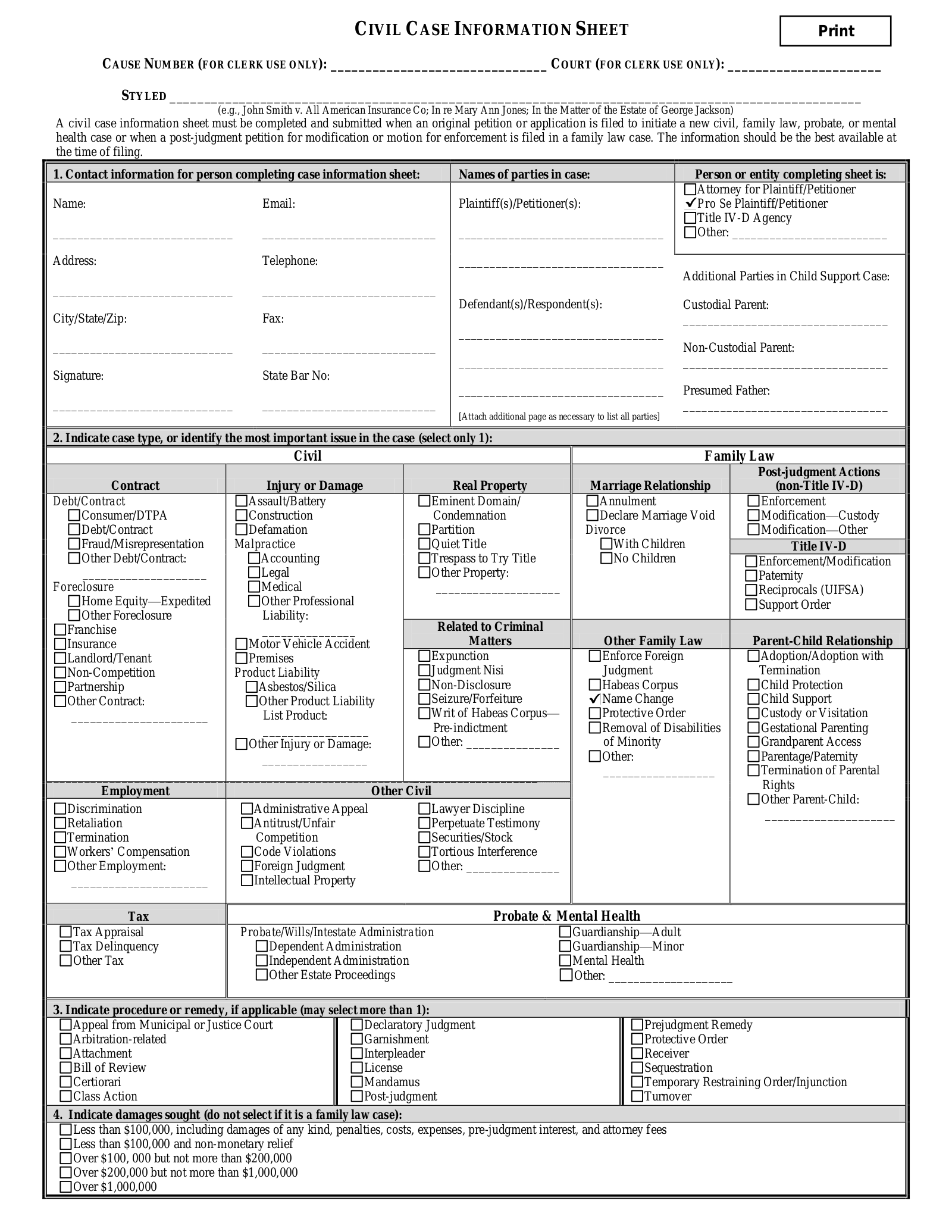
Your certified marriage license is the foundational document for changing your name. In Texas, this is obtained from any County Clerk’s office. Whether you tied the knot in Dallas, Houston, San Antonio, or a charming small town, the process is consistent.
- Obtaining the License: Before your wedding, you and your partner will apply for a marriage license at a County Clerk’s office. In populous areas like Harris County or Travis County, offices are readily available.
- Post-Ceremony Certification: After your ceremony, the officiant will sign and return the license to the County Clerk’s office to be recorded.
- Getting Certified Copies: Once recorded, you will need to request certified copies of your marriage certificate. These are the official documents you’ll use for all subsequent name changes. It’s wise to get several copies, as many agencies require an original or certified copy that they may keep or simply review. Some couples order between 3 to 5 copies to be safe.
Step 2: Social Security Administration – The Foundation
Updating your name with the Social Security Administration (SSA) is the most critical first step after obtaining your certified marriage certificate. This is because most other agencies, including the Department of Public Safety and the U.S. Department of State for passports, will verify your name against SSA records.
- Documents Needed:
- Form SS-5: Application for a Social Security Card. You can download this from the SSA website.
- Certified Marriage Certificate: Your proof of marriage.
- Proof of Identity: Your current driver’s license, state-issued ID, or passport.
- Proof of U.S. Citizenship (if not already established with SSA): U.S. birth certificate or U.S. passport.
- Where to Apply: You can mail your application or visit a local Social Security Administration office in person. While mailing is an option, visiting in person ensures your original documents are returned to you on the spot (after verification), though waiting times can be long.
- Timeline: You’ll typically receive your new Social Security card with your updated name within 1-2 weeks. Do not proceed with other name changes until you have received this new card.
Step 3: Texas Department of Public Safety – Your Driver’s License/ID
With your new Social Security card in hand, your next stop is the Texas Department of Public Safety (DPS) to update your driver’s license or state-issued identification card. This is essential for domestic travel, proof of identity, and everyday life in Texas.
- Documents Needed:
- New Social Security Card: Showing your updated name.
- Certified Marriage Certificate: As proof of your name change.
- Existing Driver’s License or ID Card: Your old identification.
- Proof of U.S. Citizenship or Lawful Presence: Such as a U.S. birth certificate, passport, or Green Card.
- Proof of Texas Residency: Two documents like a utility bill, bank statement, or rental agreement showing your current Texas address.
- Where to Apply: You must visit a DPS driver license office in person. Appointments are highly recommended and can often be booked online through the DPS website.
- Fee: There is a fee for a duplicate or renewed driver’s license/ID card, typically under $20. You will receive a temporary paper license, and your new card will be mailed to you within a few weeks.
Step 4: U.S. Department of State – Updating Your Passport for International Adventures
For those with a penchant for international travel, updating your U.S. passport is paramount. Your passport must match your flight reservations exactly, or you risk being denied boarding or encountering significant issues at customs. This is where meticulous planning for your future travel lifestyle truly comes into play.
- Choosing the Correct Form: The form you use depends on how recently your passport was issued and the nature of your name change.
- Form DS-5504: If your passport was issued less than one year ago. This is a free correction, and your new passport will be valid for the remaining validity of your original passport.
- Form DS-82: If your passport was issued more than one year ago, but you still meet the eligibility requirements for renewal (e.g., it’s undamaged, you were at least 16 when it was issued, it was issued within the last 15 years). This is a standard renewal process with the associated fees.
- Form DS-11: If your passport was issued more than one year ago and you don’t meet the DS-82 renewal requirements (e.g., your old passport is damaged, or you were under 16 when it was issued). This requires applying in person at a passport acceptance facility and is treated like a brand new passport application.
- Documents Needed (General):
- Certified Marriage Certificate: Proof of your name change.
- Your Current Passport: (Even if expired for DS-82).
- Passport Photo: Recent, color, 2×2 inches, white background, no glasses.
- Applicable Fees: Varies based on the form and whether you need expedited service.
- Processing Times: Standard processing can take 6-8 weeks, sometimes longer. Expedited service is available for an additional fee. Plan your international travel accordingly, ensuring you have enough buffer time for your new passport to arrive. Booking flights with your new name before your passport is updated is risky.
Beyond the Essentials: Other Important Updates for a Smooth Transition
While the Social Security Administration, DPS, and U.S. Department of State are the primary stops, your name change journey isn’t complete without addressing other critical documents and accounts. Neglecting these can lead to complications in your daily life, especially when managing finances or engaging in travel and leisure activities.
Financial Institutions and Accounts
Your financial health depends on consistent identification. Update your name with:
- Banks and Credit Unions: Contact all institutions where you have checking, savings, or investment accounts. You’ll typically need to present your new Social Security card and certified marriage certificate.
- Credit Card Companies: Update your name on all credit cards. This helps ensure your credit history accurately reflects your identity and prevents potential issues with transactions, especially while traveling.
- Loans and Mortgages: Inform your mortgage lender, student loan providers, and any other loan issuers of your name change.
- Investment Accounts: Ensure your brokerage and retirement accounts (401k, IRA) reflect your new name to avoid complications with future transactions or beneficiary designations.
Travel-Related Memberships and Programs
For the avid traveler, keeping your name consistent across all travel-related programs is crucial for seamless experiences and maximizing benefits.
- Airline Loyalty Programs: Update your name with all airline frequent flyer programs. This ensures you continue to accrue miles and status when booking flights under your new name.
- Hotel Rewards Programs: Similarly, update your name with any hotel loyalty programs to ensure points are credited correctly and reservations are always recognized.
- TSA PreCheck and Global Entry: These expedited airport security programs require your name to match your passport/driver’s license exactly. You’ll need to contact them to update your information. Failing to do so can result in not receiving TSA PreCheck on your boarding pass or issues at Global Entry kiosks.
- Car Rental Memberships: Update your name on any car rental loyalty programs to ensure a smooth pickup process.
Other Key Documents and Registrations
A thorough name change encompasses many aspects of your life.
- Voter Registration: Update your voter registration with the Texas Secretary of State to ensure you can continue to exercise your right to vote.
- Vehicle Title and Registration: Visit your local County Tax Assessor-Collector’s office to update your vehicle title and registration.
- Employer Records: Inform your employer’s HR department to update your payroll, benefits, and health insurance records.
- Insurance Policies: Contact your health, auto, home, and life insurance providers to update your name on all policies.
- Medical Records: Ensure your doctor’s offices and medical providers have your updated name.
- Professional Licenses: If you hold any professional licenses (e.g., nursing, real estate, law), contact the issuing board to inquire about their name change procedures.
Making Your New Chapter Travel-Ready: Tips for a Seamless Lifestyle
The administrative steps of a name change, while necessary, are a prelude to a lifetime of new experiences, including countless travel opportunities. Approaching this process with foresight and organization ensures that your new identity enhances, rather than hinders, your adventures, whether they involve exploring local attractions in Texas or embarking on a luxurious international cruise.
Timing is Everything: Plan Your Name Change Around Travel Plans
One of the most crucial pieces of advice for newlyweds with a passion for travel is to strategically time your name change.
- Prioritize Passport Updates: If you have immediate international travel plans, especially a honeymoon, consider delaying your name change until after your trip. It’s perfectly acceptable to travel under your maiden name as long as your passport and flight tickets match. Once you return, you can then begin the process of updating your passport.
- Allow Ample Time: Passport processing times can be extensive. Do not book international travel until you have your new passport in hand, especially if you’re taking a new name. For domestic travel, ensure your driver’s license is updated.
- Booking Discrepancies: Remember that airline tickets must match the name on your government-issued ID (passport for international, driver’s license for domestic) that you will present at the airport. Any discrepancy, even a minor one, can cause significant problems.
Document Diligence: Carry Copies and Stay Organized
Organization is your best friend during and after a name change. This helps in proving your identity and managing your new information.
- Certified Copies are Key: Always keep certified copies of your marriage certificate. You may need to present these to various agencies, and having them readily available saves time and stress. Some people carry a digital copy on a secure cloud service for emergencies, in addition to physical copies.
- Maintain a Checklist: Create a comprehensive checklist of all accounts and documents that require updating. Tick them off as you go to ensure nothing is missed.
- Secure Storage: Keep all your new and old identification documents in a safe, secure place. When traveling, use a secure travel wallet or document organizer.

Embrace the Adventure: Your New Identity, Your New Journeys
Changing your last name after marriage in Texas is more than just a legal formality; it’s a symbolic step into a new chapter of your life. By meticulously following the steps outlined, from updating your Social Security card to securing your new passport, you ensure that this transition is smooth and stress-free. With your new identity firmly established across all necessary platforms, you’re free to embark on all the adventures that await. Whether it’s exploring hidden gems within Texas, indulging in the luxury of a faraway resort, or simply enjoying the everyday journey of married life, a well-managed name change paves the way for a seamless and fulfilling lifestyle. Congratulations on your marriage, and happy travels!
LifeOutOfTheBox is a participant in the Amazon Services LLC Associates Program, an affiliate advertising program designed to provide a means for sites to earn advertising fees by advertising and linking to Amazon.com. Amazon, the Amazon logo, AmazonSupply, and the AmazonSupply logo are trademarks of Amazon.com, Inc. or its affiliates. As an Amazon Associate we earn affiliate commissions from qualifying purchases.