
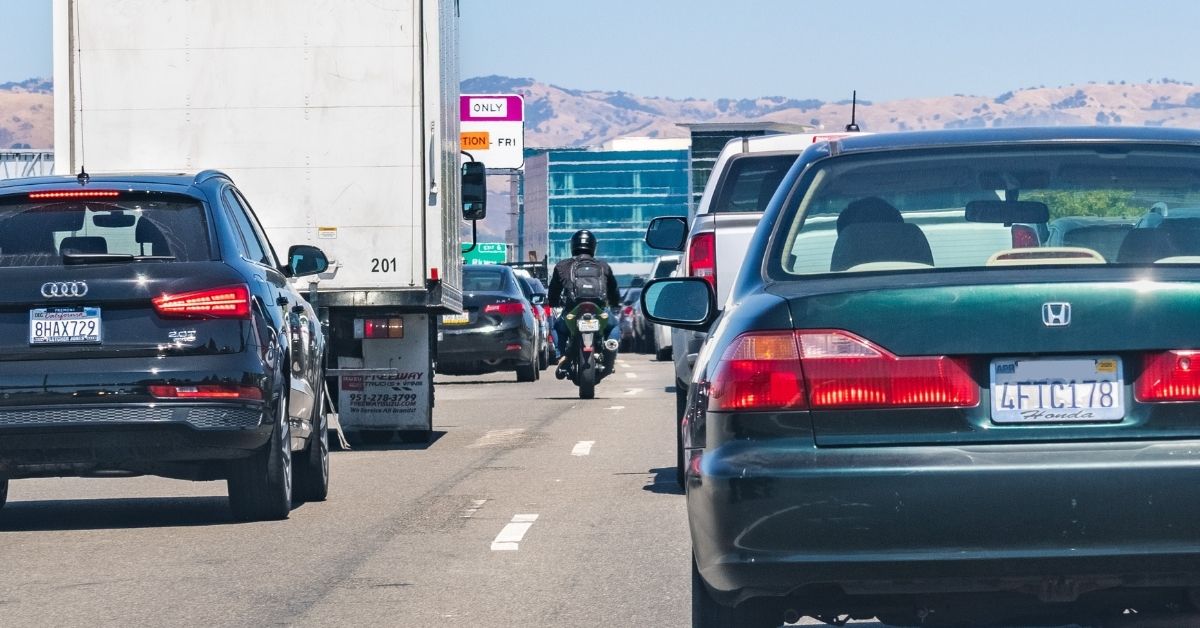
Navigating the vibrant roadways of Florida offers a unique set of challenges and opportunities for every traveler, whether they arrive on four wheels or two. For motorcycle enthusiasts, a particularly pressing question often arises: can you split lanes in the Sunshine State? This practice, also known as lane splitting or filtering, involves a motorcyclist riding between lanes of slower-moving or stopped traffic. Understanding the legality, safety implications, and best practices surrounding this maneuver is crucial for any rider looking to experience Florida from a different perspective.
The Legal Landscape of Lane Splitting in Florida
The straightforward answer to whether motorcycles can split lanes in Florida is currently no, not legally. Unlike a few other states that have legalized or decriminalized lane splitting, Florida statute does not permit this practice. Specifically, Florida Statute § 316.151 addresses the positioning of vehicles on the roadway, and interpretations of this statute have consistently maintained that lane splitting is a violation. Motorcyclists are generally required to operate their vehicles in a manner consistent with the flow of traffic within a single lane.

Understanding Florida’s Traffic Laws for Motorcycles
Florida traffic laws are designed to ensure the safety of all road users. For motorcycles, this typically means adhering to the same rules of the road as automobiles. This includes maintaining a position within a lane of traffic and not weaving between vehicles. The rationale behind this prohibition often centers on the perceived increased risk associated with lane splitting.
- Lane Position: Florida law mandates that a motorcycle must be ridden as near to the right-hand side of the roadway as practicable, but this does not grant permission to deviate from a single lane to pass.
- Overtaking and Passing: When passing other vehicles, motorcycles are subject to the same rules as cars, generally requiring them to pass on the left. Lane splitting, by definition, involves passing within the same lane of traffic.
- Enforcement: Law enforcement officers in Florida can issue citations for lane splitting, treating it as a moving violation. This can result in fines, points on a driver’s license, and potentially increased insurance premiums.
While some riders advocate for the legalization of lane splitting, citing potential benefits such as reduced congestion and decreased risk of rear-end collisions in stop-and-go traffic, the current legal framework in Florida does not align with these arguments. This means riders must exercise caution and remain within their designated lane, even when traffic becomes congested, particularly in bustling areas like Miami, Orlando, and Tampa.
Safety Considerations for Motorcyclists in Florida
Even if lane splitting were legal, it would still necessitate a high degree of caution and skill. The safety implications for motorcyclists are significant, and understanding these risks is paramount for responsible riding.
The Dynamics of Lane Splitting and Rider Safety
The primary argument against lane splitting, and a key reason for its prohibition in Florida, revolves around safety. When a motorcycle splits lanes, it operates in a space not typically occupied by other vehicles, creating potential blind spots and unpredictable interactions.
- Visibility: While motorcycles are generally smaller and can be harder to see, lane splitting can exacerbate this issue. Drivers of larger vehicles may not anticipate a motorcycle filtering through traffic, leading to accidental contact.
- Sudden Maneuvers: Drivers may make sudden lane changes or braking decisions without seeing the motorcycle beside them. This leaves the motorcyclist with very little room to react and avoid a collision.
- Road Hazards: Road surfaces can be unpredictable. Debris, potholes, oil slicks, and uneven pavement can pose a greater threat to a motorcycle maneuvering between lanes, especially at higher speeds or when drivers are not expecting it.
- Driver Awareness: The effectiveness of lane splitting relies heavily on the awareness and attentiveness of other drivers. Unfortunately, driver distraction is a significant factor on any roadway, and this risk is amplified when a motorcycle enters the space between vehicles.
Defensive Riding Strategies
Given the legal restrictions and inherent safety concerns, Florida motorcyclists should focus on defensive riding techniques. This approach emphasizes anticipating potential hazards and taking proactive measures to ensure safety.
- Maintain a Safe Following Distance: This applies to following cars, trucks, and other motorcycles. A sufficient gap allows for reaction time to sudden braking.
- Be Visible: Wear bright, contrasting clothing, use headlights at all times, and position your motorcycle within the lane to maximize visibility to other drivers.
- Scan Ahead: Constantly survey the road ahead for potential dangers, such as changing traffic patterns, brake lights, or road hazards.
- Assume You Are Invisible: While not literal, adopting this mindset can encourage a higher level of vigilance and proactive safety measures.
- Use Turn Signals: Always signal your intentions, even for minor adjustments. This communicates your intended movements to other road users.
- Know Your Limits: Be aware of your riding skills and the limitations of your motorcycle, especially in challenging Florida weather conditions, which can include sudden downpours and high humidity.

The Debate Around Legalization: A Look Ahead
The discussion around lane splitting is not unique to Florida. Across the country, there are ongoing debates and legislative efforts to address this practice. States like California, Arizona, and Utah have taken different approaches, with some legalizing it under specific conditions.
Arguments for and Against Legalization
Proponents of legalizing lane splitting often point to studies that suggest it can reduce traffic congestion and decrease the likelihood of rear-end collisions, a common and dangerous accident type for motorcyclists. They argue that when done safely, it allows motorcyclists to move through traffic efficiently, reducing their exposure time on busy roads.
Opponents, however, raise concerns about increased accident rates, particularly those involving multiple vehicles. They emphasize the potential for severe injuries to motorcyclists in such accidents and the difficulty of establishing fault in complex multi-vehicle crashes. The complexity of enforcing any new regulations and ensuring rider compliance also remains a significant hurdle.
Potential Future Changes in Florida
While Florida currently has a clear prohibition on lane splitting, the landscape of traffic laws is always evolving. As more data becomes available from states where lane splitting is permitted and as advocacy groups continue to push for changes, it is possible that Florida could revisit its stance in the future. Any potential legalization would likely involve strict guidelines and regulations to mitigate risks, such as limitations on speed differentials, specific times of day, and conditions under which it would be allowed. For now, however, riders must operate within the existing legal framework, prioritizing safety and adhering to current statutes when exploring the beautiful Florida coastline or the vibrant energy of its cities.
Exploring Florida by Motorcycle: Beyond Lane Splitting
Even without the option of lane splitting, Florida remains an exceptional destination for motorcycle touring. The state offers a diverse range of landscapes, from the tropical allure of the Florida Keys to the historic charm of St. Augustine and the natural beauty of the Everglades.
Scenic Routes and Motorcycle-Friendly Destinations
Florida boasts numerous scenic byways and routes that are perfect for motorcycle exploration. The Overseas Highway, stretching across the Florida Keys, offers breathtaking ocean views at every turn. The scenic highways along the Gulf Coast provide a more relaxed pace, with opportunities to stop at pristine beaches and charming coastal towns like Sarasota or Clearwater. For those interested in history and culture, a ride through the historic districts of cities like Savannah, just over the border in Georgia, or exploring the Spanish colonial architecture of St. Augustine can be incredibly rewarding.
Many towns and cities in Florida are welcoming to motorcyclists, with dedicated parking areas and vibrant biker communities. Events like motorcycle rallies are frequently held throughout the state, offering opportunities to connect with fellow riders and enjoy the unique subculture that surrounds motorcycling. Planning your route to include stops at classic roadside diners, local attractions, and perhaps even a stay at a motorcycle-friendly hotel can enhance the overall travel experience.
Essential Gear and Preparation for Florida Riding
Riding a motorcycle in Florida requires proper preparation and gear, especially considering the climate.
- Riding Gear: Always wear a DOT-approved helmet, even though Florida has a helmet law that allows riders over 21 to opt-out if they have completed a motorcycle safety course and have a specific endorsement on their license. This is a personal safety decision. Additionally, wear protective jackets, pants, gloves, and sturdy footwear to protect against abrasions and impact in case of a fall.
- Hydration: Florida can be extremely hot and humid. Staying hydrated is critical to prevent fatigue and heatstroke. Carry plenty of water.
- Sun Protection: Long sleeves and pants made of breathable materials can help protect your skin from the sun’s intense rays. Sunscreen is also essential for exposed areas.
- Rain Gear: Florida is known for its sudden, intense rain showers. Always carry lightweight, waterproof rain gear to stay dry and comfortable.
- Motorcycle Maintenance: Ensure your motorcycle is in good working order. Check tire pressure, brakes, fluids, and lights before embarking on any significant ride.
By respecting Florida’s traffic laws, prioritizing safety through defensive riding, and preparing adequately for the conditions, motorcyclists can enjoy the freedom and adventure of exploring the Sunshine State to its fullest. The question of lane splitting may remain a point of discussion, but the open road and the thrill of riding are always available.
LifeOutOfTheBox is a participant in the Amazon Services LLC Associates Program, an affiliate advertising program designed to provide a means for sites to earn advertising fees by advertising and linking to Amazon.com. Amazon, the Amazon logo, AmazonSupply, and the AmazonSupply logo are trademarks of Amazon.com, Inc. or its affiliates. As an Amazon Associate we earn affiliate commissions from qualifying purchases.