
The notion of olive trees flourishing amidst the palm trees and citrus groves of Florida might seem like a botanical paradox. Traditionally associated with the sun-drenched hills of the Mediterranean, olive cultivation conjures images far removed from the humid subtropics of the Sunshine State. Yet, a quiet agricultural revolution has been taking root, challenging preconceived notions and opening up exciting new avenues for Florida’s diverse tourism landscape, local culture, and burgeoning food scene. This intriguing development is not merely an agricultural experiment; it is rapidly becoming a vibrant component of Florida’s appeal, offering visitors unique agritourism experiences, a taste of local culinary innovation, and a deeper connection to the state’s evolving identity.
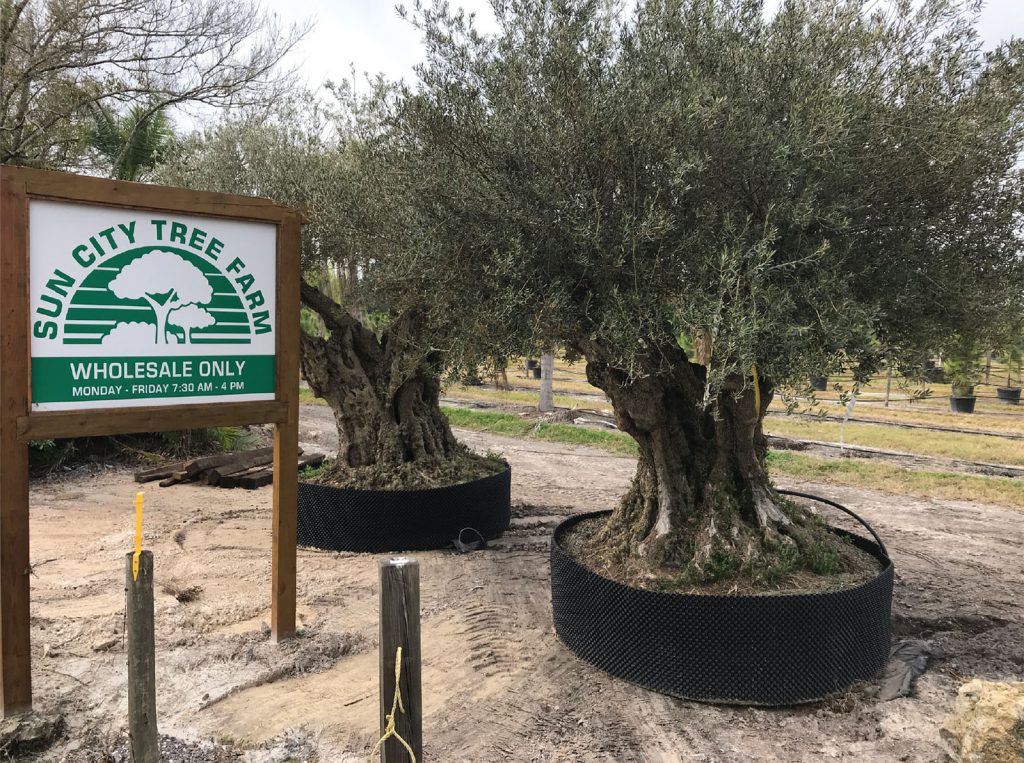
The Allure of Mediterranean Agriculture in the Sunshine State
For centuries, the olive tree, Olea europaea, has been a symbol of peace, longevity, and prosperity, deeply embedded in the cultural fabric and culinary traditions of many global regions. Its iconic silvery-green foliage and the promise of liquid gold—extra virgin olive oil—have drawn admirers and cultivators alike. The very idea of transplanting this ancient crop to a climate as distinct as Florida’s speaks volumes about modern agricultural innovation and the relentless pursuit of diversification, which, in turn, offers fresh perspectives for travelers seeking novel experiences beyond the state’s traditional offerings.
Florida’s Unique Climate Challenge
Florida’s climate is famously subtropical to tropical, characterized by abundant sunshine, high humidity, and distinct wet and dry seasons. While olive trees thrive in full sun, their traditional habitat typically involves well-drained soils, long hot summers, and distinct, often cool, winters that provide the necessary chill hours for fruit set. The high humidity and sandy soils common in much of Florida present significant hurdles, particularly concerning fungal diseases and root rot.
However, regions in northern Florida, such as areas around Gainesville, Ocala, and the Panhandle, experience cooler winters with sufficient chill hours to support certain olive varietals. This climatic nuance has been the key to unlocking the potential for olive cultivation, transforming theoretical possibility into tangible reality. Researchers and pioneering farmers have diligently identified and experimented with olive cultivars known for their adaptability and resilience to Florida’s specific environmental conditions, paving the way for a new agricultural commodity that can also enrich the local tourism product.
A Historical Nod to Olive Cultivation
While large-scale olive cultivation in Florida is a relatively recent phenomenon, the idea isn’t entirely new. Historical records indicate sporadic attempts at growing olives in the state dating back to Spanish colonial times. These early efforts, often limited by a lack of scientific understanding regarding suitable varietals and proper horticultural practices for the local climate, rarely achieved lasting commercial success.
Today’s endeavors benefit from advanced agricultural science, global access to diverse olive genetics, and a deeper understanding of microclimates within Florida. This modern renaissance in olive farming reflects a broader trend in sustainable agriculture and a desire to cultivate unique, high-value crops that can contribute to local economies and offer distinctive experiences for visitors. It’s a testament to human ingenuity and a commitment to exploring new frontiers, creating a compelling narrative for tourists interested in the origins of their food and the evolution of local culture.
Emerging Olive Groves: A New Facet of Florida Tourism
The successful establishment of olive groves in parts of Florida has given rise to exciting opportunities for the tourism sector, transforming agricultural land into appealing destinations. Far from being merely farms, these olive operations are increasingly becoming integrated experiences that invite travelers to engage with the land, learn about the production process, and savor the fruits of local labor. This diversification broadens Florida’s appeal beyond its renowned beaches and theme parks, offering an authentic taste of agricultural life and culinary innovation.
Agritourism on the Rise: Farm Tours and Tastings
Florida’s emerging olive farms are quickly embracing agritourism, providing immersive experiences that educate and entertain. Visitors can embark on guided tours through picturesque groves, learning about the lifecycle of an olive tree, the cultivation challenges, and the intricate process from fruit to oil. These tours often culminate in tasting sessions, where guests can sample freshly pressed Florida olive oil, appreciating its unique flavor profile, often described as milder or fruitier than traditional Mediterranean varieties.
Such activities are particularly attractive to travelers seeking authentic, educational, and sustainable experiences. They offer a tangible connection to Florida’s agricultural roots and its innovative future. For families, it’s an engaging way to learn about food production; for foodies, it’s an opportunity to discover new flavors; and for anyone, it’s a tranquil escape into the beauty of the countryside, a refreshing contrast to the bustling coastal areas.
Florida Olive Oil: A Local Delicacy
The production of locally sourced extra virgin olive oil is perhaps the most tangible outcome of Florida’s olive venture. This “liquid gold” is gaining recognition for its quality and distinctive taste. Unlike mass-produced oils, Florida olive oil often boasts a freshness that can only come from proximity to its origin. Its unique terroir—a combination of soil, climate, and farming practices—contributes to flavor notes that differentiate it from its global counterparts.
For tourists, purchasing a bottle of Florida olive oil becomes more than just a souvenir; it’s a direct connection to a local craft and a culinary experience they can take home. It represents the pioneering spirit of the state’s farmers and the delicious potential of its land. Local markets, gourmet food shops, and farm-gate sales are becoming popular spots for visitors to acquire this regional specialty, further bolstering local economies and promoting Florida’s unique food identity.
Culinary Experiences and Local Food Scene Integration
The presence of local olive oil has a ripple effect on Florida’s broader culinary landscape. Chefs in farm-to-table restaurants are increasingly incorporating Florida olive oil into their dishes, showcasing its versatility and supporting local producers. From dressings and marinades to baking and finishing, the oil adds a distinct local flavor to menus across the state.
This integration into the local food scene enriches the dining experience for tourists, allowing them to savor authentic Florida flavors beyond traditional seafood and citrus. Food festivals and farmers’ markets are also featuring Florida olive oil prominently, creating opportunities for tastings, cooking demonstrations, and direct engagement with producers. This cultural exchange elevates Florida’s reputation as a dynamic culinary destination, appealing to a sophisticated palate and a desire for genuine, place-based experiences.
Cultivating Success: Key Factors for Florida’s Olives
The journey from experimental plots to commercially viable olive groves in Florida has been underpinned by meticulous research, innovative farming techniques, and a deep understanding of the unique agricultural challenges and opportunities presented by the state’s environment. For tourism, understanding these efforts adds another layer of appreciation for the local industry and the ingenuity behind it.
Selecting the Right Olive Varietals
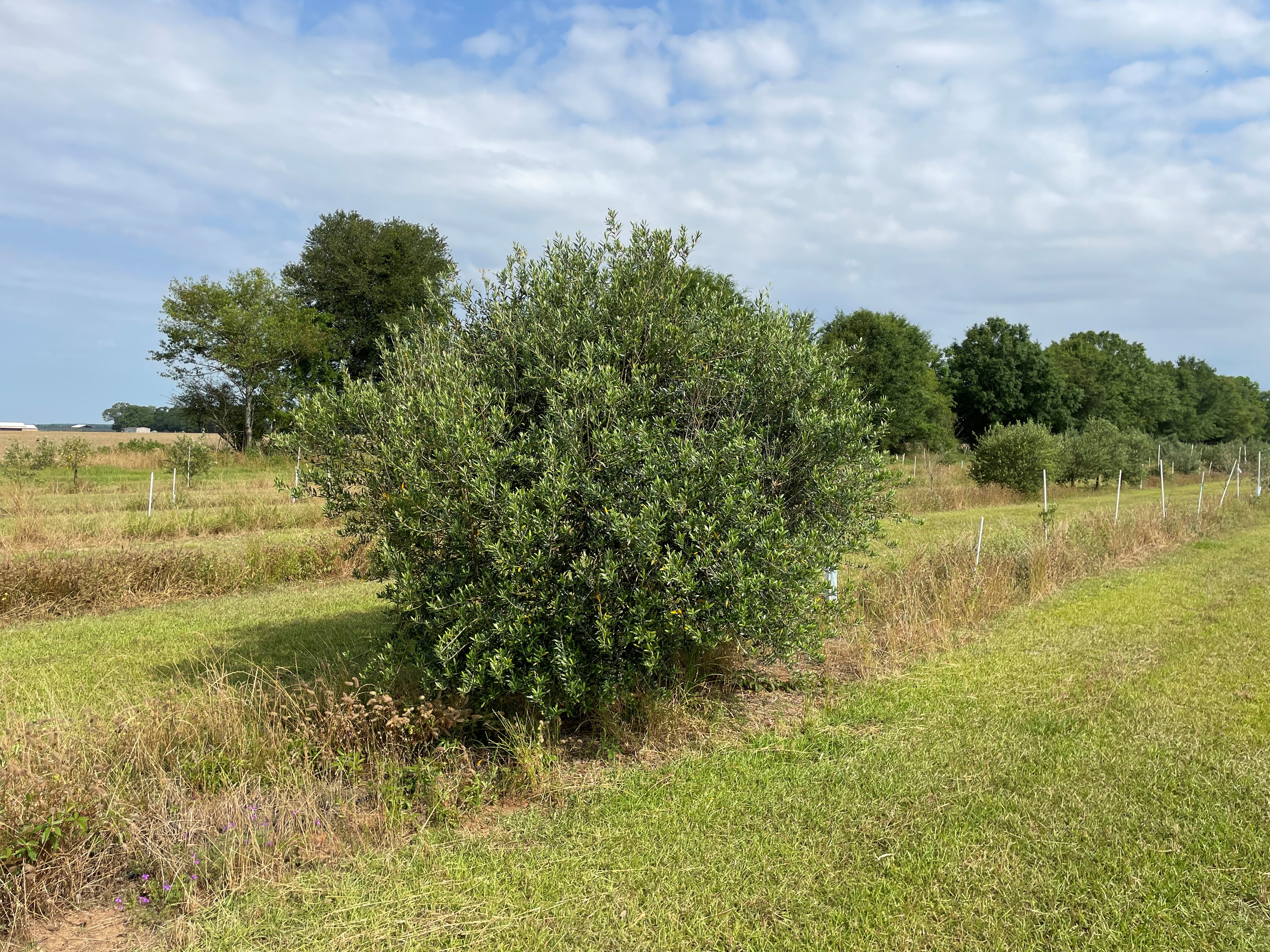
A critical factor in Florida’s olive success story has been the careful selection of appropriate olive varietals. Not all olive trees are created equal, especially when it comes to climate adaptability. Researchers have identified and promoted cultivars that are more tolerant of humidity and require fewer chill hours than traditional Mediterranean varieties. Cultivars such as ‘Arbequina’, ‘Arbosana’, and ‘Koroneiki’, often favored for high-density planting and early production, have shown promising results in Florida’s northern regions. This careful horticultural choice is what makes the whole tourism experience possible, ensuring there’s a thriving product for visitors to discover.
Soil and Water Management in the Florida Landscape
Florida’s predominantly sandy soils, while well-draining, are often low in organic matter and nutrients compared to the heavier, richer soils of traditional olive-growing regions. This necessitates precise soil management strategies, including regular fertilization and the addition of organic amendments to improve soil structure and nutrient retention.
Water management is equally crucial. While Florida receives ample rainfall, the distinct dry season requires efficient irrigation systems to ensure consistent moisture levels, particularly for young trees and during fruit development. Smart irrigation techniques, such as drip irrigation, minimize water waste and deliver water directly to the root zone, contributing to sustainable farming practices that resonate with environmentally conscious travelers. The visible infrastructure of these systems on farm tours often sparks discussions about sustainable agriculture, adding an educational dimension to the visitor experience.
Pest and Disease Challenges in a Humid Environment
The high humidity of Florida creates a favorable environment for certain fungal diseases and insect pests that are less prevalent in drier Mediterranean climates. Farmers must employ integrated pest management (IPM) strategies to protect their crops while minimizing environmental impact. This involves careful monitoring, cultural practices, and, when necessary, targeted treatments. The ongoing research and adaptation by local farmers to overcome these challenges are integral to the narrative shared with tourists, highlighting the dedication and expertise involved in bringing this novel crop to fruition in Florida.
The Economic and Cultural Impact on Florida
The successful cultivation of olive trees in Florida is more than just an agricultural triumph; it represents a significant economic and cultural shift for the state. This new industry not only diversifies Florida’s agricultural output but also enriches its cultural tapestry, providing new attractions and products for residents and tourists alike.
Diversifying Florida’s Agricultural Portfolio
For decades, Florida’s agriculture has been heavily reliant on citrus, sugarcane, and vegetables. While these remain vital, the introduction of olive cultivation offers a valuable diversification, particularly important in the face of challenges like citrus greening disease. A diversified agricultural base provides greater economic stability and resilience, benefiting rural communities and offering a wider array of agricultural stories for visitors to explore. It showcases Florida as an innovative agricultural powerhouse, not just a traditional one.
Job Creation and Local Community Development
The burgeoning olive industry creates new job opportunities, from farm labor and processing to marketing and agritourism roles. This economic injection can revitalize rural communities, fostering local entrepreneurship and strengthening the social fabric. As olive farms expand and gain recognition, they attract investment, support local businesses, and contribute to a vibrant, self-sustaining economy that provides authentic experiences for tourists. When travelers visit these farms, they directly support these local economies and the people who are building this new industry.
Enhancing Florida’s Unique Identity
The rise of Florida olive oil adds a sophisticated layer to the state’s culinary identity, moving beyond its established reputation for oranges and fresh seafood. This unique product helps to define a distinct “taste of Florida,” one that is both innovative and rooted in the land. For tourists, it’s an opportunity to discover an unexpected facet of Florida’s character, enhancing their overall experience and encouraging them to explore regions of the state they might not have considered before. It enriches the local culture by introducing new traditions and flavors.
Planning Your Olive-Inspired Florida Journey
For those intrigued by the prospect of Florida’s burgeoning olive industry, planning an olive-centric journey can be a rewarding addition to any travel itinerary. It’s an opportunity to delve into the local culture, savor unique flavors, and engage in activities that connect you with the agricultural heart of the state.
Discovering Olive Farms and Festivals
Start your exploration by seeking out olive farms, particularly in the northern and central parts of Florida, such as the areas surrounding Gainesville, Ocala, and even as far east as Jacksonville. Many farms are open for tours and tastings, offering a firsthand look at the groves and the oil production process. Checking their websites or calling ahead is advisable to confirm operating hours and tour availability.
Beyond individual farms, keep an eye out for local agricultural festivals or food events. As the industry grows, dedicated olive festivals are beginning to emerge, offering broader opportunities to sample different oils, meet producers, and participate in olive-related activities. These events are fantastic ways to immerse yourself in the local culture and celebrate Florida’s innovative spirit.
Where to Taste Florida Olive Oil
Beyond the farm gate, Florida olive oil can be found in various locations across the state. Upscale grocery stores, specialty food markets, and gourmet shops often stock local brands. Many farm-to-table restaurants are proud to feature Florida olive oil in their dishes, making dining out an excellent way to experience its unique flavors. Don’t hesitate to ask your server about the provenance of the olive oil used in your meal; it’s a great conversation starter and supports local businesses.
Consider visiting farmers’ markets, which are treasure troves for local produce and artisanal products. Here, you might find producers offering direct tastings and sales, allowing for a personal interaction with the people behind the product.

Tips for Supporting Local Olive Producers
Your visit plays a crucial role in the continued growth and success of Florida’s olive industry. When planning your trip:
- Purchase Directly: Buying olive oil and related products directly from the farms or at local markets ensures that more of your money goes back to the producers.
- Spread the Word: Share your positive experiences with friends, family, and on social media. Word-of-mouth is invaluable for emerging industries.
- Engage and Learn: Ask questions during farm tours and tastings. Your interest helps foster a vibrant agritourism environment.
- Dine Locally: Support restaurants that prioritize local ingredients, including Florida olive oil.
The answer to “Can olive trees grow in Florida?” is a resounding yes, and with it comes a compelling new chapter for Florida’s tourism, culinary scene, and cultural identity. Exploring these groves and savoring their liquid gold offers a distinct and enriching way to experience the ever-evolving charm of the Sunshine State.
LifeOutOfTheBox is a participant in the Amazon Services LLC Associates Program, an affiliate advertising program designed to provide a means for sites to earn advertising fees by advertising and linking to Amazon.com. Amazon, the Amazon logo, AmazonSupply, and the AmazonSupply logo are trademarks of Amazon.com, Inc. or its affiliates. As an Amazon Associate we earn affiliate commissions from qualifying purchases.