
For many, exploring a new city or country is as much about savoring the local cuisine as it is about visiting iconic landmarks. Food, in particular, offers a direct window into local culture, traditions, and the daily rhythms of life. However, for expectant mothers traveling or simply navigating their everyday culinary choices, the question of food safety takes on paramount importance. Amidst the myriad of delicious options available, one common query often surfaces: “Can a pregnant woman eat a California Roll?” This seemingly simple question opens up a broader discussion about navigating dietary guidelines during pregnancy, especially when engaging with diverse food scenes as a tourist or local.
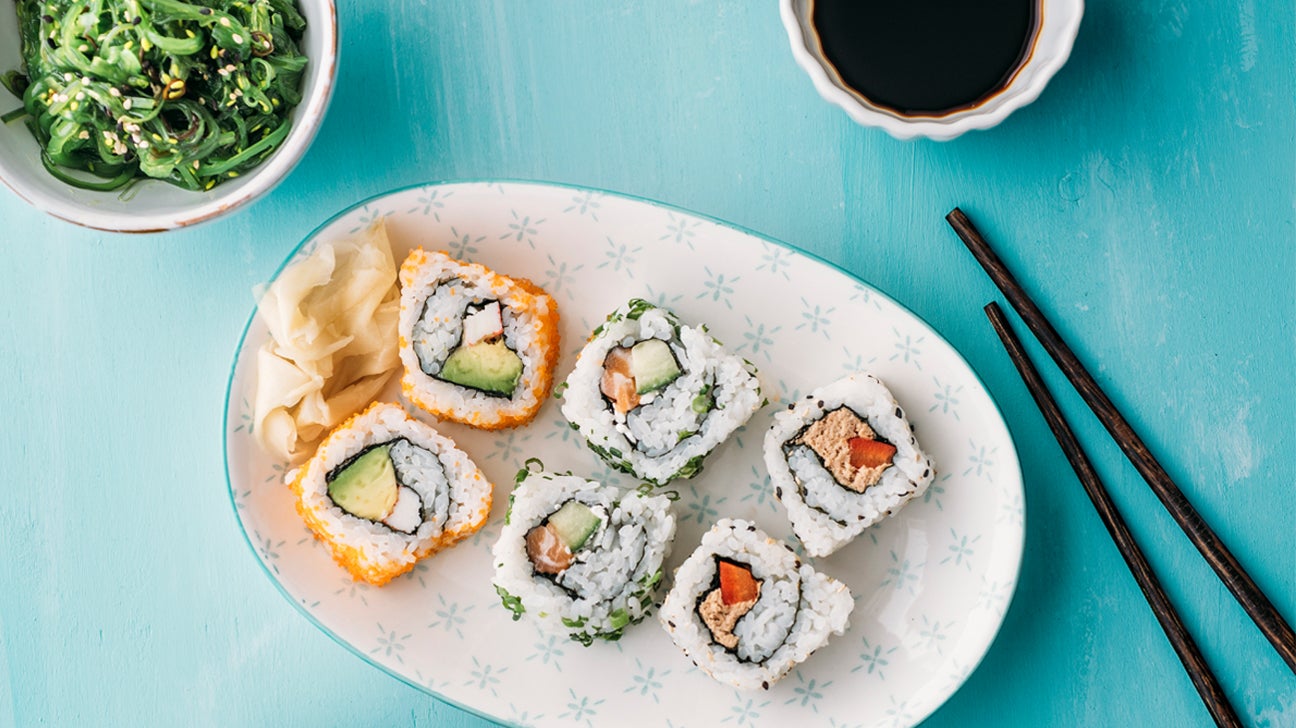
The California Roll, with its vibrant colors and approachable flavor profile, has transcended its origins to become a global sushi staple. Its widespread availability in restaurants, grocery stores, and even airport kiosks makes it a convenient and often tempting option. But for pregnant women, understanding the nuances of its ingredients and preparation is crucial for making informed and safe choices, ensuring both maternal and fetal well-being without compromising the joy of culinary exploration.
Understanding the California Roll: A Culinary Traveler’s Staple
The California Roll holds a unique place in the culinary world, often serving as an introduction to sushi for many who might be hesitant about raw fish. Its popularity surged in the 1970s, particularly in North America, leading to its widespread adoption and subsequent global presence. For travelers, it’s a familiar sight on menus, offering a taste of Japanese-inspired cuisine in an accessible format.
Ingredients Breakdown: Crab, Avocado, Cucumber, Rice, Nori
At its core, a traditional California Roll is a makizushi (rolled sushi) that typically features a few key ingredients:
- Cooked Sushi Rice: Seasoned with vinegar, sugar, and salt.
- Nori (Seaweed): Used to hold the roll together, often on the inside (uramaki style), with rice on the outside.
- Avocado: Creamy and rich, providing a contrasting texture.
- Cucumber: Crisp and refreshing, adding a pleasant crunch.
- Crab Meat: This is the most critical ingredient when considering pregnancy safety. Traditionally, a California Roll uses imitation crab meat, also known as surimi. Surimi is a paste made from various fish (often pollock), which is processed, cooked, and flavored to resemble crab meat. Some high-end establishments might use real cooked crab meat. Crucially, the roll is not made with raw crab meat.
The Allure in Tourism: Why It’s Popular and Widely Available
The California Roll’s appeal lies in its mild flavor and texture, lacking the intense “fishiness” that might deter some from traditional raw-fish sushi. Its combination of creamy avocado, crunchy cucumber, and savory imitation crab creates a harmonious bite that appeals to a broad palate. For tourists, it offers a safe, palatable, and ubiquitous option when exploring diverse culinary landscapes. It’s often seen as a gateway dish, making Japanese cuisine more approachable and less intimidating. This widespread availability means it’s a go-to choice when quick, satisfying meals are needed, whether in a bustling market or a sit-down restaurant, across various destinations.
Navigating Food Safety During Pregnancy: Key Considerations for Tourists
Pregnancy introduces a heightened need for vigilance regarding food safety. Expectant mothers are more susceptible to certain foodborne illnesses, which can have serious implications for both mother and baby. When traveling or dining out, these considerations become even more complex due to unfamiliar preparation methods, ingredient sourcing, and varying hygiene standards.
The Raw Fish Dilemma: Listeria and Parasites
The primary concern with sushi and pregnancy revolves around raw fish. Raw or undercooked seafood can harbor bacteria like Listeria monocytogenes or various parasites.
- Listeria: Infection with Listeria can lead to listeriosis, a serious illness that can cause miscarriage, premature birth, or stillbirth. Unlike many bacteria, Listeria can grow at refrigerator temperatures, making proper food handling critical.
- Parasites: While less common in well-regulated food systems, parasites in raw fish can cause gastrointestinal distress and, in severe cases, more systemic health issues.
Because of these risks, health organizations worldwide generally advise pregnant women to avoid all raw or undercooked seafood. This is why the distinction between raw and cooked ingredients in a California Roll is so vital.
Mercury Levels: Fish Choices in General
Another significant concern with seafood during pregnancy is mercury content. Certain large, predatory fish accumulate higher levels of mercury, a neurotoxin that can harm a developing fetus’s brain and nervous system. While crab meat (including imitation crab) generally has very low mercury levels, it’s a broader consideration for pregnant women who regularly consume seafood. Health guidelines typically recommend limiting or avoiding high-mercury fish like swordfish, shark, king mackerel, and tilefish, opting instead for low-mercury choices such as salmon, shrimp, canned light tuna, and cod. This consideration extends beyond sushi to any seafood encountered during travel.
Cross-Contamination Concerns: Especially in Sushi Restaurants
Even when opting for seemingly “safe” cooked or vegetarian sushi, cross-contamination is a significant concern, particularly in restaurants that handle both raw and cooked ingredients on the same surfaces or with the same utensils. A sushi chef’s cutting board or knife, if not properly cleaned between preparing raw fish and a cooked California Roll, could transfer harmful bacteria. For tourists, assessing a restaurant’s hygiene standards can be challenging. Therefore, choosing establishments with high cleanliness ratings and a clear commitment to food safety protocols is paramount. It’s a good tip for any traveler, but especially critical for pregnant women.
Decoding the California Roll for Expectant Mothers: Is It Safe?
Given the common ingredients and preparation methods, the California Roll generally emerges as one of the safer sushi options for pregnant women, provided certain conditions are met. The key lies in understanding the crab component and the establishment’s food handling practices.
Imitation Crab (Surimi): Generally Considered Safe
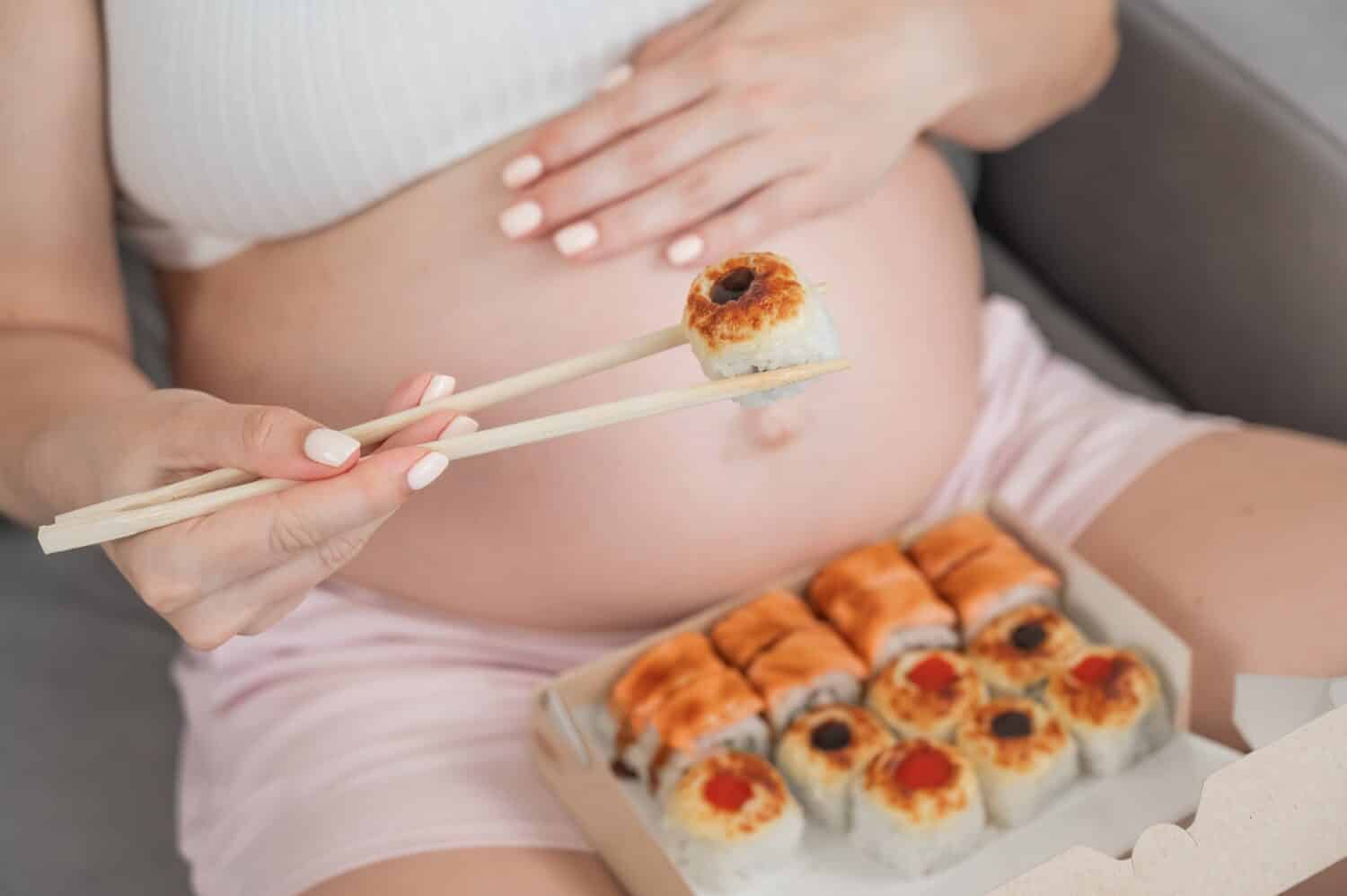
The good news for California Roll enthusiasts is that the imitation crab meat (surimi) typically used in these rolls is fully cooked during its processing. This means it does not carry the same risks of bacteria or parasites associated with raw fish. Surimi is made from cooked fish paste, and any risks associated with it would typically come from improper handling after it has been cooked, leading to cross-contamination, rather than the ingredient itself being raw. Therefore, a California Roll made with imitation crab is generally considered safe for pregnant women, assuming it has been prepared and stored hygienically.
Real Cooked Crab: Safe, But Confirm It’s Fully Cooked
Some upscale or specialized sushi restaurants might use real crab meat instead of imitation crab. If this is the case, it is imperative to ensure that the crab meat has been fully cooked. Crab is naturally safe when cooked thoroughly, as the cooking process kills any potential bacteria or parasites. However, if there is any doubt about its cooked status—for instance, if it’s described as “lightly seared” or “rare”—it should be avoided. When dining out, especially in unfamiliar places, don’t hesitate to ask your server or the chef about the preparation of the crab meat. Transparency is key when making safe dietary choices during pregnancy.
Raw Crab: A Definite No-Go
While rare in commercially prepared sushi rolls like the California Roll, raw crab meat is unequivocally unsafe for pregnant women. Raw crustaceans can harbor parasites and bacteria that are particularly dangerous during pregnancy. Always confirm that any crab product consumed is fully cooked. If a restaurant offers a “crab salad” or a roll with crab, it’s always wise to ask about the cooking method to be absolutely certain. This vigilance is a crucial tip for any expectant mother venturing into new culinary experiences during her travels.
Other Ingredients: Avocado, Cucumber, Rice, Nori Are Generally Safe
The other components of a California Roll—avocado, cucumber, sushi rice, and nori—are generally safe for pregnant women.
- Avocado and Cucumber: These fresh vegetables provide vitamins and fiber and pose no specific risks as long as they are washed thoroughly, which is standard practice in reputable kitchens.
- Sushi Rice: Cooked rice is safe. The main concern with rice is if it’s left at room temperature for too long, allowing bacteria (like Bacillus cereus) to multiply, but this is a general food safety principle, not specific to sushi rice in particular.
- Nori: Seaweed is safe and a good source of minerals.
Making Informed Choices: Tips for Enjoying Cuisine While Pregnant on the Go
Traveling while pregnant can be a wonderful experience, and exploring local cuisines is a significant part of that journey. With a few mindful precautions, expectant mothers can still enjoy a diverse and delicious culinary adventure. The focus should always be on making informed choices that prioritize safety without completely sacrificing the joy of eating.
Communicate with Restaurants: Ask About Ingredients and Preparation Methods
One of the most powerful tools an expectant mother has when dining out, especially as a tourist, is communication. Don’t be shy about asking questions regarding ingredients and preparation methods.
- Ask about the crab: Specifically inquire whether the crab in a California Roll is imitation (surimi) or real cooked crab. If it’s real crab, confirm it’s fully cooked.
- Inquire about cross-contamination: While not always easy to discern, you can ask if separate cutting boards or utensils are used for raw fish and cooked/vegetarian items. A reputable establishment will be happy to answer your questions and reassure you.
- Check for pasteurization: For dairy products or juices, ask if they are pasteurized.
Being an informed diner helps ensure your safety and that of your baby.
Opt for Reputable Establishments: Importance of Hygiene
When traveling, it’s tempting to try quaint local spots, but during pregnancy, prioritizing restaurants with clear hygiene standards is crucial.
- Look for high ratings: Check online reviews and health inspection scores if available.
- Observe cleanliness: A clean dining area, visible kitchen (if applicable), and tidy staff are good indicators of overall hygiene.
- Choose busy places: Restaurants with high customer turnover often mean fresh ingredients are being used and not sitting around for long periods.
These tips apply broadly to all food choices when exploring new destinations.
Safe Sushi Alternatives: Cooked Rolls, Vegetarian Options, Hand Rolls
If you’re still apprehensive about California Rolls or simply want to expand your safe sushi repertoire, there are plenty of delicious and safe alternatives:
- Cooked Rolls: Many sushi restaurants offer rolls with fully cooked ingredients, such as shrimp tempura rolls, cooked eel (unagi) rolls, or rolls featuring other cooked fish.
- Vegetarian Rolls: Avocado rolls, cucumber rolls, sweet potato tempura rolls, or asparagus rolls are excellent, refreshing, and safe choices.
- Temaki (Hand Rolls): These cone-shaped rolls can be customized with safe, cooked, or vegetarian fillings.
- Nigiri/Sashimi with Cooked Fish: Opt for seared salmon (fully cooked), cooked shrimp, or octopus (tako). Always confirm that the fish is cooked through.
- Udon/Ramen: Japanese noodle soups with fully cooked broth, meat, and vegetables are comforting and safe options, offering another delightful aspect of local cuisine.
Beyond Sushi: Exploring Other Local Cuisines with Safe Options
Remember that food exploration goes far beyond sushi. Many other local cuisines offer a wealth of safe and delicious options for pregnant travelers:
- Cooked Meats and Poultry: Ensure all meats are cooked to their recommended internal temperatures.
- Cooked Vegetables: Enjoy a wide array of steamed, roasted, or stir-fried vegetables.
- Pasteurized Dairy: Opt for pasteurized milk, cheeses, and yogurts.
- Washed Fruits: Fresh fruits are excellent, but ensure they are thoroughly washed, or choose fruits that can be peeled.
Embrace the adventure of food, but do so with a cautious and informed approach, allowing you to create beautiful culinary memories safely.
In conclusion, for expectant mothers, the California Roll is generally considered a safe option, provided it contains imitation crab (surimi) or real, fully cooked crab meat. The key to enjoying this ubiquitous sushi staple, and indeed any food while pregnant, especially when traveling, lies in awareness, communication, and making informed choices about where and what you eat. By prioritizing reputable establishments, asking pertinent questions, and exploring the many safe and delicious alternatives available, pregnant women can confidently navigate the culinary landscape, savoring every moment of their journey safely and joyfully.
LifeOutOfTheBox is a participant in the Amazon Services LLC Associates Program, an affiliate advertising program designed to provide a means for sites to earn advertising fees by advertising and linking to Amazon.com. Amazon, the Amazon logo, AmazonSupply, and the AmazonSupply logo are trademarks of Amazon.com, Inc. or its affiliates. As an Amazon Associate we earn affiliate commissions from qualifying purchases.