
California, often celebrated for its sunny beaches, towering redwoods, and iconic cities like Los Angeles and San Francisco, typically conjures images of perpetual sunshine and mild weather. Yet, the question of whether tornadoes, those powerful rotating columns of air, can occur in the Golden State often surprises travelers and residents alike. While California is not synonymous with tornado activity like the Great Plains or the Deep South, the answer is a definitive yes – tornadoes do happen in California, albeit with less frequency and intensity. Understanding this meteorological reality is crucial for any traveler planning an extensive trip through this diverse state, ensuring a comprehensive awareness of its varied weather patterns.

The Surprising Truth About California Tornadoes
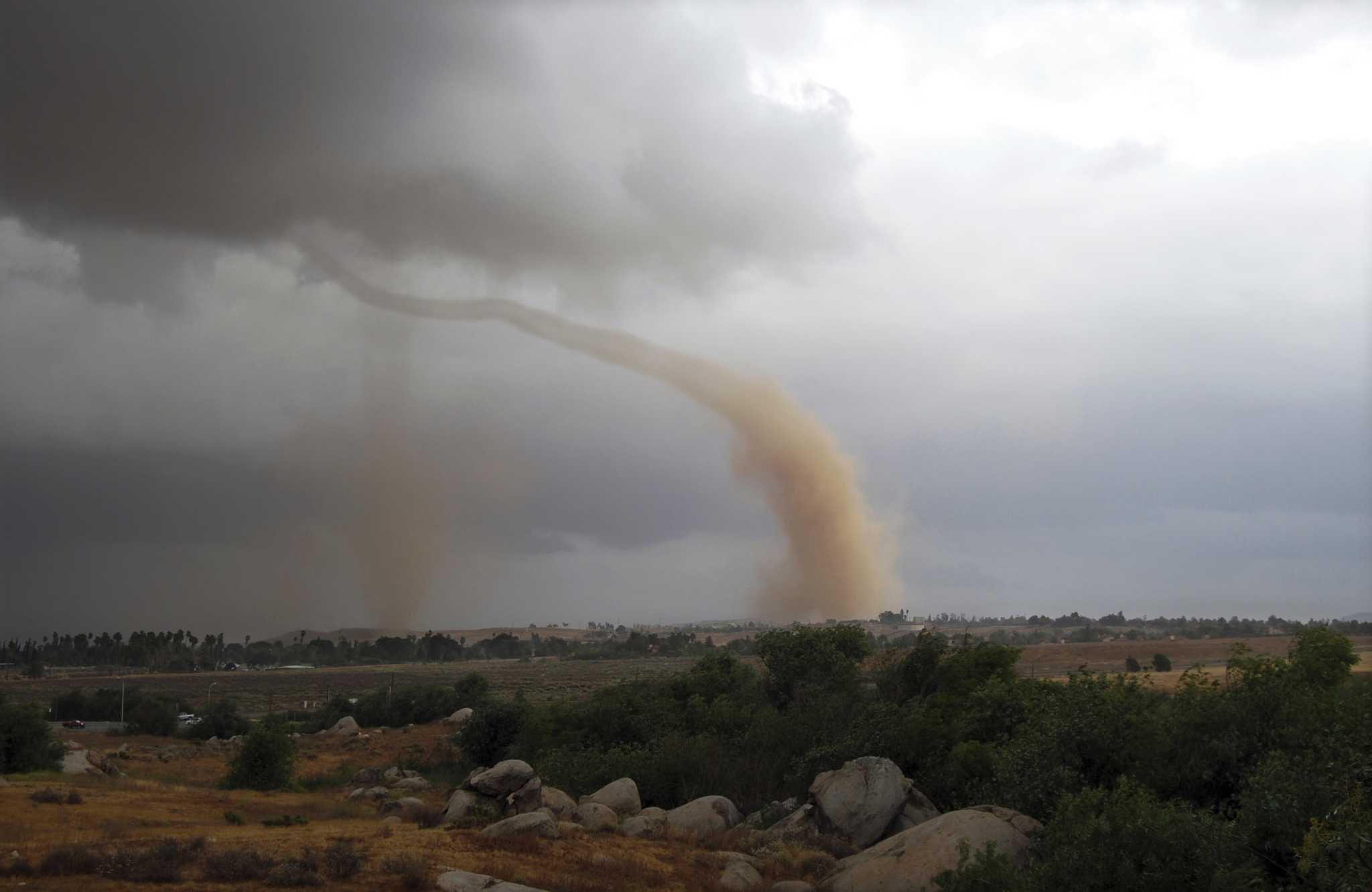
For many, the concept of a tornado touching down in California seems almost contradictory to the state’s popular image. However, meteorological records clearly show that these events, though rare and typically weaker, are a part of California’s atmospheric repertoire. Unlike the supercell thunderstorms that spawn violent tornadoes in “Tornado Alley,” California experiences tornadoes more often from squall lines or cold fronts, which typically produce weaker, shorter-lived events.
Frequency and Intensity
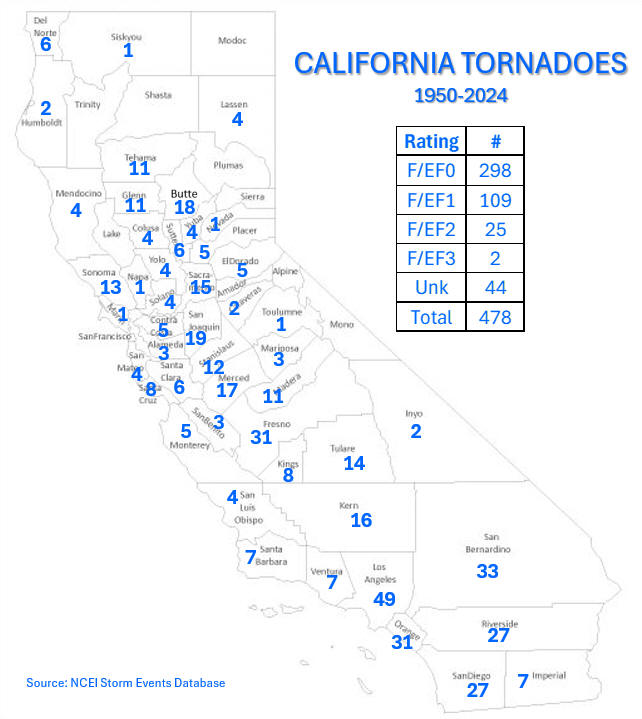
On average, California experiences between 5 to 10 confirmed tornadoes annually. While this number is significantly lower than states like Kansas or Oklahoma, it’s far from zero. The vast majority of these tornadoes are rated EF0 or EF1 on the Enhanced Fujita (EF) scale, meaning they are weak with winds ranging from 65 to 110 mph. Damage is typically minor, consisting of downed trees, broken windows, or minor structural damage to homes and outbuildings. Violent tornadoes (EF3 and above), which are responsible for widespread devastation, are exceedingly rare in California, with only a handful ever recorded in the state’s history. The likelihood of encountering such an event during a typical vacation is remarkably low, yet awareness is still beneficial for comprehensive travel planning.
Geographical Patterns
Tornadoes in California are not uniformly distributed across the state. They tend to concentrate in specific regions that are more conducive to the necessary atmospheric conditions. The Central Valley, particularly the agricultural expanse from Sacramento south through Stockton, Modesto, and into the San Joaquin Valley, sees the highest frequency. This region’s relatively flat terrain and vulnerability to moist air intrusions from the Pacific Ocean interacting with colder upper-level air masses create conditions ripe for atmospheric instability. The Inland Empire in Southern California also experiences sporadic tornado activity. Coastal areas and mountainous regions, while not entirely immune, see significantly fewer occurrences due to the moderating influence of the ocean and the disruptive topography of the Sierra Nevada mountain range. Travelers exploring the diverse landscapes of California should note that the greatest potential, though still low, for tornado activity lies within these valley systems, particularly during the cooler, wetter months.
Understanding Tornado Formation in the Golden State
The mechanisms that produce tornadoes in California differ somewhat from those in the notorious “Tornado Alley” regions of the central United States. While the fundamental ingredients of atmospheric instability, wind shear, and moisture are always required, their specific interplay in California is influenced by the state’s unique geography and proximity to the Pacific Ocean.
Atmospheric Conditions
Most California tornadoes are associated with strong winter and spring storm systems that sweep in from the Pacific Ocean. These systems often bring cold upper-level troughs that destabilize the atmosphere when they interact with warmer, moist air near the surface. The presence of significant wind shear – a change in wind speed or direction with height – is crucial. As these storm fronts move inland, particularly into the relatively flat Central Valley, they can generate localized rotation within powerful thunderstorms, leading to the formation of waterspouts over the ocean that sometimes move ashore as tornadoes, or landspout tornadoes that develop rapidly from non-supercell thunderstorms. These conditions are most prevalent between November and April, aligning with California’s rainy season.
Unique Topography and Microclimates
California’s diverse topography plays a significant role in shaping its weather patterns, including tornado potential. The formidable Sierra Nevada acts as a barrier, often shielding the eastern parts of the state from severe weather systems originating from the west. However, the expansive, flat Central Valley provides a less impeded path for storm systems, allowing them to organize and intensify. Coastal mountain ranges, such as the Santa Monica Mountains or the Santa Cruz Mountains, can also influence wind patterns, creating localized areas of enhanced wind shear that, under the right conditions, could contribute to tornado development. The interplay of ocean influences, mountain barriers, and valley floors creates a complex meteorological environment, leading to a unique subset of tornado events distinct from other parts of the United States.
Assessing the Risk for Travelers
For travelers visiting California, understanding the risk of tornadoes is important for comprehensive trip planning, even if that risk is statistically low. The primary concern should always be general weather preparedness, as severe thunderstorms, heavy rainfall, and flash floods pose a far greater and more frequent threat across much of the state.
Comparing California’s Tornado Risk to Other Regions
When put into perspective, California’s tornado risk is minimal compared to the central and southeastern United States. Regions like Tornado Alley (e.g., Oklahoma, Kansas, Texas) and Dixie Alley (e.g., Alabama, Mississippi, Arkansas) experience hundreds of tornadoes annually, many of them violent and long-tracked. In contrast, California’s tornadoes are typically weak, short-lived, and localized, making the probability of a traveler encountering one incredibly small. While it’s wise to be informed, the risk should not deter travel plans. Instead, it serves as a reminder that diverse weather phenomena can occur even in seemingly placid climates, necessitating a broad approach to travel safety.
Seasonal Considerations for Your Trip
The peak season for tornado activity in California generally coincides with the state’s wet season, roughly from November through April. This period is when strong frontal systems from the Pacific Ocean are most active. Travelers visiting during these months, especially if planning to spend time in the Central Valley or the Inland Empire, should be slightly more attentive to weather forecasts. During the drier summer months (May through October), tornado activity is exceedingly rare. However, even during the peak season, the risk is still low, and focusing on broader weather awareness (such as heavy rain warnings or high wind advisories) will be more practical than specifically preparing for a tornado. Planning your California adventure during the summer or early fall will further minimize any exposure to these types of weather events, though it’s important to remember that these months bring their own weather challenges, such as wildfires and extreme heat.
Staying Safe: Preparedness for Visitors
While the odds of a traveler encountering a tornado in California are low, general preparedness for any severe weather event is a hallmark of responsible travel. Understanding basic safety protocols and staying informed can make a significant difference, regardless of the specific weather phenomenon.
General Weather Awareness
The most effective safety measure for travelers is proactive weather awareness. Before and during your trip, make it a habit to check the local weather forecasts for the areas you plan to visit. Reliable sources include the National Weather Service (NWS) or reputable weather apps. Pay attention to watches and warnings, which indicate the potential for or the actual occurrence of severe weather. A “tornado watch” means conditions are favorable for tornadoes to develop in the specified area, while a “tornado warning” means a tornado has been sighted or indicated by radar, posing an imminent threat. Even if tornadic activity is low, being aware of heavy rain, high winds, or flash flood warnings is essential, as these are more common and potentially dangerous in various parts of California. Many hotels, resorts, and popular attractions in cities like San Diego, Santa Barbara, and Ventura are equipped with systems to alert guests to severe weather, so familiarizing yourself with local procedures upon arrival is always a good practice.
Emergency Protocols
In the unlikely event that a tornado warning is issued while you are traveling, knowing basic safety measures can provide peace of mind. If you are outdoors, seek shelter immediately in the nearest sturdy building. Avoid large, open areas. If you are in a car, do not attempt to outrun a tornado. Instead, abandon the vehicle and seek sturdy shelter, or if no shelter is available, lie in a ditch or other low-lying area and cover your head. If you are in a building, move to an interior room on the lowest floor, away from windows, and cover your head with your arms. Basements or designated storm shelters are ideal, though less common in California structures. Public buildings, such as shopping malls or convention centers, often have designated safe areas. Staying calm and following instructions from local authorities or emergency services is paramount. While these scenarios are rare for California visitors, being prepared for any eventuality enhances the overall safety and enjoyment of your travel experience.
The Broader California Weather Landscape for Travelers
Beyond the infrequent tornado, California’s weather is incredibly diverse and dynamic, ranging from desert heat to alpine snow, and coastal fog to powerful winter storms. A comprehensive understanding of the state’s climate is essential for any traveler to pack appropriately and plan activities safely.
Other Notable Weather Events
While tornadoes are a minor concern, other weather phenomena pose more significant and frequent risks to travelers in California. Wildfires are a major annual threat, particularly during the hot, dry summer and fall months, impacting air quality and potentially leading to evacuations. Earthquakes are a constant, though usually minor, presence due to California’s location on major fault lines. Heavy winter rains can lead to flash floods and mudslides, especially in areas affected by recent wildfires. Coastal regions can experience king tides and powerful surf, while mountainous areas are prone to blizzards and avalanches in winter. Preparing for these more common events, such as knowing earthquake safety procedures or staying updated on wildfire alerts, will be far more relevant to the average California traveler.
Planning Your California Adventure
Ultimately, the minimal risk of tornadoes should not deter anyone from experiencing the unparalleled beauty and diversity of California. Instead, it reinforces the importance of holistic travel planning that considers the full spectrum of local conditions. Researching the specific climate of your chosen destinations within California for your travel dates is key. Are you heading to the desert heat of Palm Springs, the snowy peaks of Lake Tahoe, the foggy charm of the Bay Area, or the mild climate of San Diego? Each region presents its own unique weather profile. By staying informed through reliable weather sources like NOAA and understanding general safety guidelines, travelers can confidently enjoy all that California has to offer, from its bustling urban centers to its tranquil natural wonders, with peace of mind.
LifeOutOfTheBox is a participant in the Amazon Services LLC Associates Program, an affiliate advertising program designed to provide a means for sites to earn advertising fees by advertising and linking to Amazon.com. Amazon, the Amazon logo, AmazonSupply, and the AmazonSupply logo are trademarks of Amazon.com, Inc. or its affiliates. As an Amazon Associate we earn affiliate commissions from qualifying purchases.