
Understanding the timeline and procedures for counting mail-in ballots in Florida is crucial for voters to ensure their voice is heard in local, state, and federal elections. As voting by mail has become an increasingly popular and convenient option, particularly for those who find it challenging to visit polling places on Election Day, clarity on the counting process is paramount. This guide delves into the intricacies of how and when these ballots are processed and tallied in the Sunshine State, offering insights into the security and transparency measures in place.
The Mail-In Ballot Process in Florida
In Florida, mail-in ballots, officially known as absentee ballots, undergo a rigorous and multi-stage process from the moment they are requested to the final tally. The process is designed to maintain the integrity of the election while accommodating the needs of voters.
Requesting a Mail-In Ballot
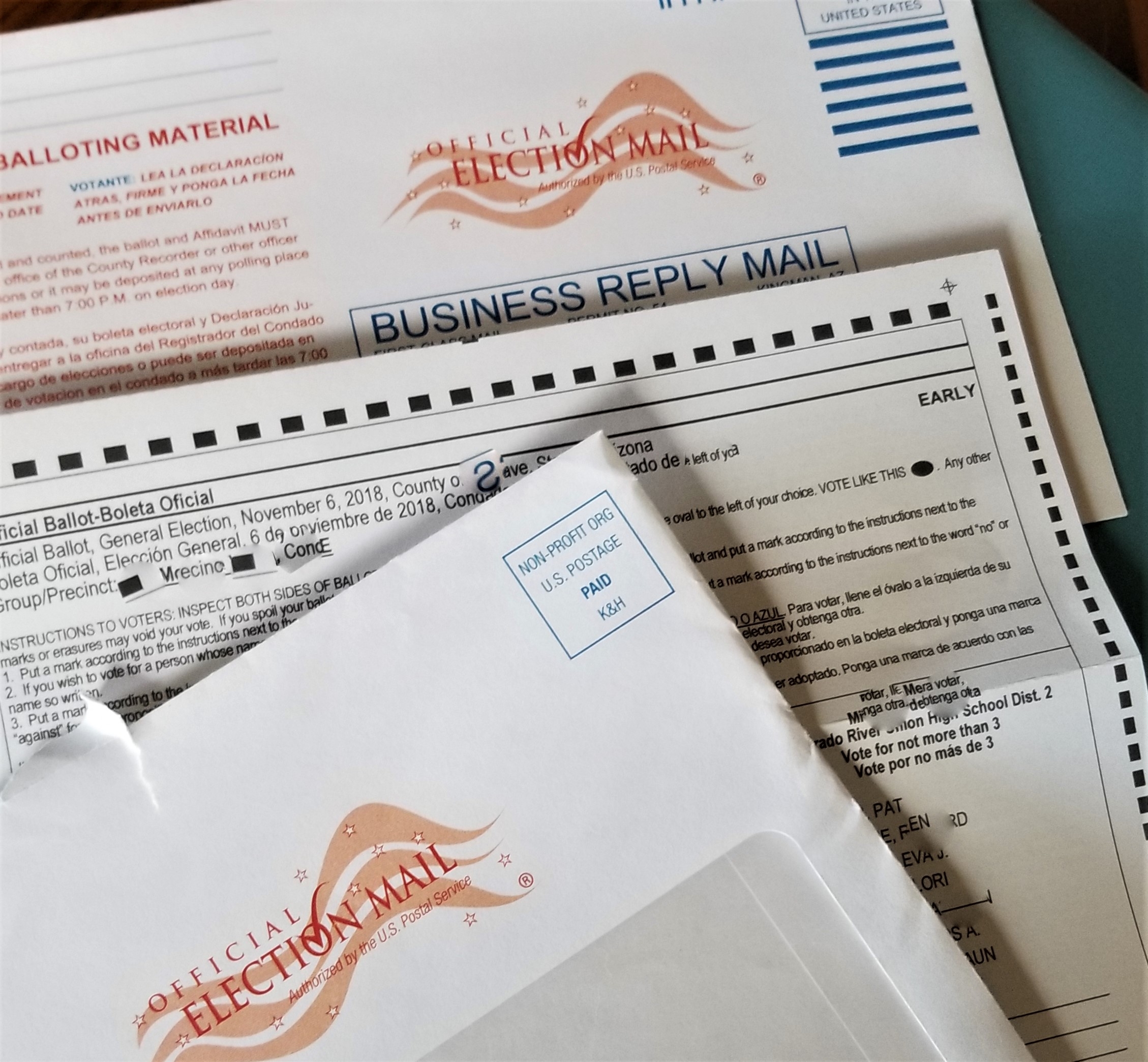
Any registered voter in Florida can request a mail-in ballot without needing to provide a reason. The request must be made to the Supervisor of Elections in their county of residence. There are specific deadlines for requesting a mail-in ballot, which are typically 10 days before an election. Voters can submit their requests online through the Florida Department of State’s Division of Elections website, by mail, fax, or in person at their county’s Supervisor of Elections office. Once a request is received and verified, the Supervisor of Elections will mail the ballot to the voter’s address on file.
Receiving and Returning the Ballot
Upon receiving the mail-in ballot, voters must carefully follow the instructions provided. This typically involves marking their choices clearly, placing the ballot in the provided secrecy envelope (if applicable), and then sealing that secrecy envelope within the return envelope. The return envelope is pre-addressed and often includes a place for the voter’s signature and date of birth. It is critical for the voter to sign the oath on the return envelope, as a missing or mismatched signature can lead to the ballot being rejected.
Voters have several options for returning their mail-in ballots. They can mail them back, ensuring they are postmarked by Election Day and received by the Supervisor of Elections’ office within a specific timeframe after Election Day (typically by 7 PM on Election Day or the following Friday, depending on the election type and specific county rules). Alternatively, voters can hand-deliver their ballots to their Supervisor of Elections office or any designated early voting site or polling place within their county during the early voting period or on Election Day.
Ballot Verification and Processing
Before mail-in ballots are counted, they undergo a crucial verification process. The Supervisor of Elections’ office is responsible for receiving and securely storing all returned mail-in ballots. Upon receipt, election officials compare the signature on the return envelope with the voter’s signature on file in the voter registration system. This signature verification process is a key security measure to prevent fraud. If there are any discrepancies, the voter is typically notified and given an opportunity to “cure” the issue, meaning they can provide additional information or verification to validate their ballot.
Once the signatures are verified, the ballots are prepared for tabulation. This involves carefully opening the return envelopes and separating them from the ballots to maintain the secrecy of the vote. The ballots are then scanned and prepared for the counting machines.
When Do Mail-In Ballots Get Counted in Florida?
The counting of mail-in ballots in Florida is not a single event that happens after the polls close on Election Day. Instead, it is a process that can begin earlier, with final counts often not being declared until days after the election.
Early Processing and Tabulation
Florida law permits Supervisors of Elections to begin processing mail-in ballots up to 15 days before Election Day. “Processing” includes opening the outer return envelopes, verifying the voter’s information and signature, and preparing the ballot for tabulation. However, the actual tabulation, or counting of the votes, can commence no earlier than 7 AM on the Sunday before Election Day. This early processing and tabulation are crucial for allowing election officials to efficiently tally the large volume of mail-in ballots that are typically cast.
This early start allows election officials to identify any potential issues with ballots or signatures, which can then be addressed before Election Day, thereby expediting the final count. It also means that preliminary results, which often include a significant portion of mail-in ballots, may be available shortly after the polls close on Election Day.
Counting on Election Day
On Election Day itself, the counting of mail-in ballots continues. Ballots that arrive throughout the day are also processed and tabulated. However, a crucial aspect of the process is that mail-in ballots cannot be reported or released until the polls close at 7 PM. This is to ensure that the results are not influenced by early reporting of absentee vote totals.
Once the polls close, election officials will finalize the tabulation of all processed mail-in ballots. The results of these counts are then combined with the in-person voting results to determine the overall election outcome. It is important to note that while tabulation can begin early, the full picture of the election results is not complete until all valid ballots, including those cast on Election Day at polling places, have been counted.
Post-Election Day Counting and Certification
In some instances, counting may extend beyond Election Day. This can occur if a significant number of mail-in ballots arrive on Election Day or if there are delays in processing. Furthermore, as mentioned earlier, mail-in ballots must be received by the Supervisor of Elections by 7 PM on Election Day (or within a few days following for certain types of elections or if postmarked by Election Day, as per specific laws and court rulings that can evolve). Ballots that are received after these deadlines, even if postmarked correctly, will not be counted.
The final tally of all votes, including mail-in ballots, is then subject to a certification process. This involves reviewing the results, conducting any necessary recounts (which are triggered by specific vote margins), and formally declaring the official winners. This certification process typically takes place several days or even weeks after Election Day, depending on the complexity of the election and any challenges that may arise.
Security and Transparency Measures
Florida employs a robust set of security and transparency measures to ensure the integrity of the mail-in ballot counting process. These measures are designed to protect against fraud, errors, and undue influence.
Signature Verification
The signature verification process is a cornerstone of mail-in ballot security. Election officials are trained to identify valid signatures and are provided with resources to assist them in this task. The law allows for a process where voters whose signatures are questioned can be notified and given the opportunity to affirm that they did indeed sign the ballot. This safeguards against both accidental rejection and intentional fraud.
Chain of Custody
A strict chain of custody is maintained for all mail-in ballots from the moment they are requested until they are counted and stored. Ballots are securely transported, stored in locked facilities, and handled only by authorized election personnel. This ensures that ballots are not tampered with or lost.
Observation and Audits
The processing and tabulation of mail-in ballots are open to public observation. Authorized poll watchers from political parties and campaigns, as well as members of the public, can witness the proceedings at the Supervisor of Elections’ offices. Additionally, post-election audits are conducted to verify the accuracy of the vote count, further enhancing transparency and public trust. These audits often involve a risk-limiting audit, which uses statistical methods to determine with a high degree of confidence that the reported outcome is correct.
Common Questions and Considerations
What if my mail-in ballot is rejected?
If your mail-in ballot is rejected for a reason such as a missing or mismatched signature, you will typically receive a notice from your Supervisor of Elections explaining the issue and providing instructions on how to cure the problem. You usually have until a specific deadline after Election Day to provide the necessary information to validate your ballot. It is crucial to respond promptly to any such notifications.
Can I track my mail-in ballot?
Yes, most counties in Florida offer a ballot tracking system through their Supervisor of Elections website. This allows you to see when your ballot was mailed to you, when it was received by the election office, and whether it has been counted. This feature provides an additional layer of assurance and transparency for voters.
How late can mail-in ballots be counted?
While the tabulation of mail-in ballots can begin days before Election Day, all ballots must be received by the Supervisor of Elections by 7 PM on Election Day to be counted. However, there are specific provisions for certain types of voters, such as overseas and military voters, who may have extended deadlines. It is essential to be aware of the precise deadlines applicable to your situation.

What happens to the mail-in ballots after the election?
After the election, mail-in ballots and all related election materials are securely stored for a period mandated by law, typically for 22 months following a federal election. This ensures that they are available for audits, recounts, or any legal challenges that may arise.
Understanding the nuances of when and how mail-in ballots are counted in Florida empowers voters to participate confidently in the democratic process. By staying informed about the timelines, procedures, and security measures, voters can ensure their vote is cast and counted accurately.
LifeOutOfTheBox is a participant in the Amazon Services LLC Associates Program, an affiliate advertising program designed to provide a means for sites to earn advertising fees by advertising and linking to Amazon.com. Amazon, the Amazon logo, AmazonSupply, and the AmazonSupply logo are trademarks of Amazon.com, Inc. or its affiliates. As an Amazon Associate we earn affiliate commissions from qualifying purchases.