
The allure of California is undeniable, with its sun-drenched beaches, iconic cities like Los Angeles and San Francisco, and a coastline that stretches for hundreds of miles, beckoning travelers from across the globe. Yet, beneath the serene surface of the Pacific Ocean and the state’s vibrant terrestrial landscape lies a geological reality that often prompts a crucial question for visitors and residents alike: Can tsunamis happen in California? The unequivocal answer is yes, tsunamis can and have occurred in California. Understanding this risk is not a cause for alarm but rather an essential aspect of informed travel and responsible enjoyment of this breathtaking destination. By delving into the scientific underpinnings, historical context, and modern preparedness strategies, travelers can navigate California’s coastal wonders with confidence and knowledge.
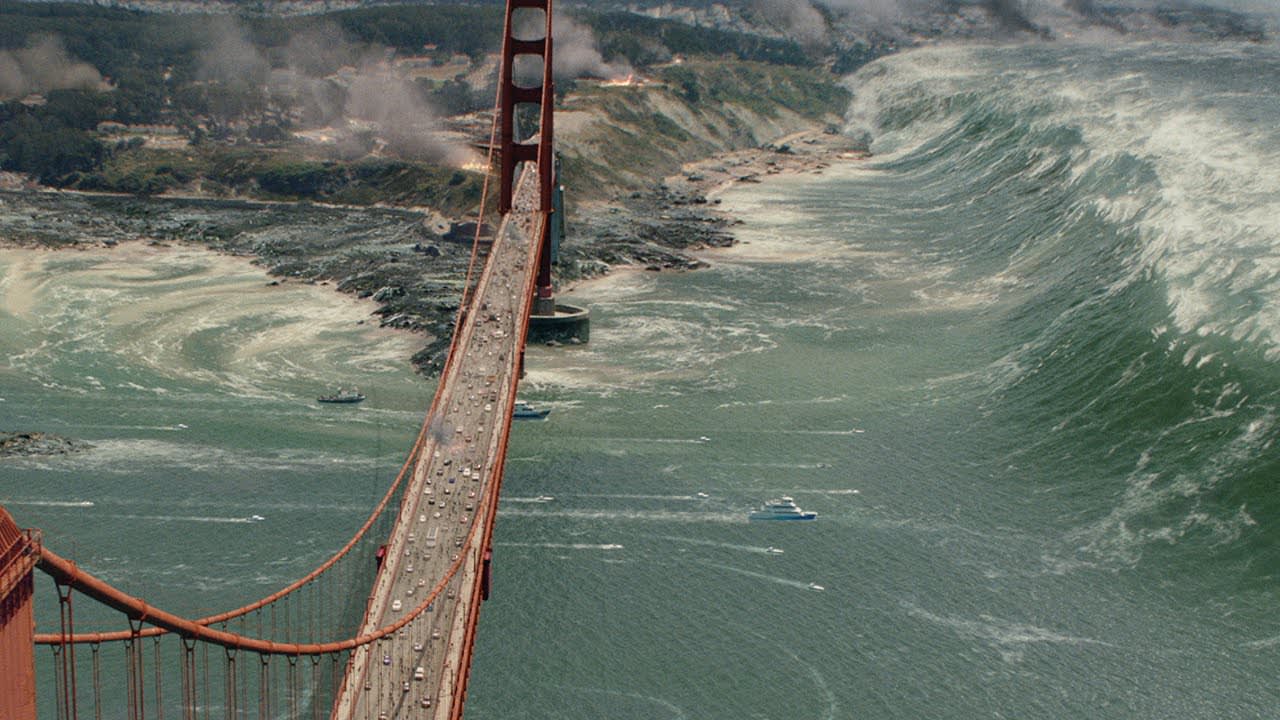
Understanding California’s Tsunami Risk
California’s geographical position makes it inherently vulnerable to tsunamis. Situated along the seismically active Pacific Rim, often referred to as the Pacific Ring of Fire, the state is exposed to the potential for large earthquakes, both locally and across the vast ocean basin, which are the primary triggers for these powerful waves.
The Pacific Ring of Fire Connection
The Pacific Ring of Fire is a horseshoe-shaped belt of active volcanoes and seismic activity that encircles the Pacific Ocean. It is home to roughly 90% of the world’s earthquakes and over 75% of the world’s active volcanoes. This intense geological activity is a direct result of the movement and collision of tectonic plates. When these plates abruptly shift, particularly in subduction zones where one plate slides beneath another, they can displace massive volumes of seawater, generating tsunamis.
While California is famous for its own seismic activity, notably along the San Andreas Fault, this fault is primarily a strike-slip fault, meaning plates slide past each other horizontally. While such quakes can be devastating, they are less likely to generate significant tsunamis directly. The greater tsunami threat to California often comes from distant, powerful subduction zone earthquakes across the Pacific basin, such as those off the coast of Alaska, Japan, or South America. These ‘distant tsunamis’ can travel across the entire ocean, arriving at California’s shores hours after the initial earthquake. However, California also faces a risk from ‘local tsunamis,’ which can be generated by undersea landslides or shallow offshore earthquakes closer to the coast, though these are less common.
Historical Precedent and Geological Vulnerabilities
California’s history is punctuated by numerous tsunami events, underscoring the ongoing risk. One of the most significant impacts occurred in 1964, following the massive magnitude 9.2 Great Alaska Earthquake – the second-largest earthquake ever recorded. While the epicenter was thousands of miles away, the resulting tsunami waves devastated coastal communities in Northern California, most notably Crescent City, which experienced multiple destructive waves and sustained significant damage and loss of life. Even more recently, the 2011 Tohoku Earthquake and tsunami in Japan caused substantial damage to harbors and boats along the California coast, particularly in areas like Santa Cruz Harbor. These events serve as stark reminders that while tsunamis are infrequent, their potential for impact is considerable.
Geological features also play a role in how tsunami waves affect different parts of the California coastline. Harbors, bays, and inlets can amplify wave action, leading to stronger currents and higher wave run-up in these confined areas, even when open coastlines experience relatively minor disturbances. This variability means that travelers should be aware of the specific characteristics of the coastal areas they plan to visit.
The Science Behind California’s Coastal Safety
Given the inherent risks, California has developed a robust framework of scientific monitoring and public safety measures to protect its coastal communities and visitors. This system relies on continuous data collection, advanced modeling, and rapid communication.
Local vs. Distant Tsunamis
Distinguishing between local and distant tsunamis is critical for effective response.
- Distant Tsunamis: These are generated by powerful earthquakes far across the Pacific Ocean. They can take several hours to reach California’s shores, providing valuable time for warnings, evacuations, and preparedness actions. The National Tsunami Warning Center (NTWC) and the Pacific Tsunami Warning Center (PTWC) continuously monitor seismic activity and ocean levels to detect potential threats and issue alerts.
- Local Tsunamis: These are less common but potentially more dangerous due to their rapid arrival. They can be triggered by large, shallow offshore earthquakes or underwater landslides directly off the California coast. In such scenarios, the time between the earthquake and the first wave arrival might be only minutes, offering little time for official warnings. This emphasizes the importance of understanding natural warning signs, a topic crucial for every traveler.
Early Warning Systems and Infrastructure
California is part of a sophisticated global tsunami detection and warning network. This system includes:
- Seismographs: Networks of seismographs constantly monitor earthquake activity around the Pacific Rim.
- DART Buoys (Deep-ocean Assessment and Reporting of Tsunamis): These strategically placed buoys in the open ocean detect pressure changes indicative of a propagating tsunami wave. They are a cornerstone of the distant tsunami warning system, providing real-time data to warning centers.
- Sea Level Gauges: Tide gauges along coastlines measure changes in sea level, confirming the arrival and magnitude of a tsunami.
- Communication Networks: Once a threat is identified, the California Office of Emergency Services (CalOES) works with local emergency management agencies to disseminate warnings through various channels, including emergency alerts on phones, radio, television, and sometimes sirens in vulnerable coastal areas.
- Tsunami Ready Program: Many California coastal communities participate in the “Tsunami Ready” program, a national initiative that helps communities prepare for tsunamis through risk assessment, public education, and emergency planning. Travelers can often find signage in these communities detailing evacuation routes and safety information.
Navigating California’s Coastline: A Traveler’s Guide
For travelers planning a trip to California’s beautiful coastline, understanding potential tsunami risks is part of a comprehensive safety plan, just like understanding rip currents or sun protection. Being prepared allows for a safer and more enjoyable experience.
Recognizing Natural Warning Signs
Since local tsunamis can arrive quickly, knowing natural warning signs is paramount. If you are on the beach or in a coastal area and experience any of the following, do not wait for an official warning; immediately move to higher ground:
- Strong Earthquake: If you are near the coast and feel an earthquake strong enough to make it difficult to stand, a local tsunami could be generated. Drop, cover, and hold on, then immediately move to higher ground once the shaking stops.
- Sudden Sea Level Drop or Rise: A rapid and unexplained recession of the ocean from the coastline (a “drawback”) or a sudden rise in sea level can be a sign of an approaching tsunami.
- Loud Ocean Roar: An unusual and loud roar coming from the ocean, similar to a train or jet aircraft, can precede a tsunami wave.
In any of these situations, the safest action is to evacuate immediately to an area at least 100 feet (30 meters) above sea level or at least 1 mile (1.6 km) inland, following designated evacuation routes if available. Stay on higher ground until official “all clear” messages are issued.
Evacuation Routes and Emergency Preparedness
Before heading to a coastal destination in California, consider these practical steps:
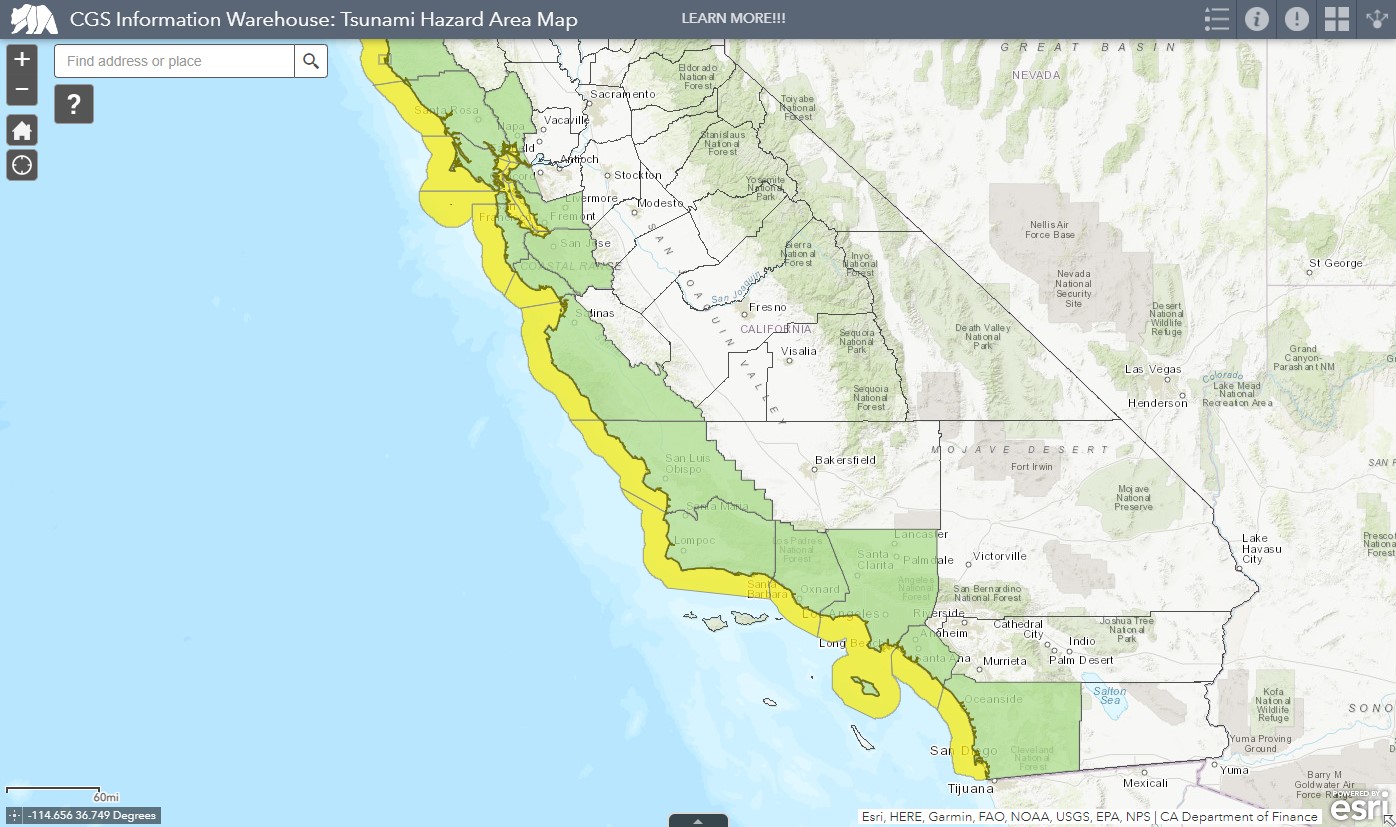
- Check Local Information: Most coastal cities and counties in California, from San Diego to Eureka, have online resources detailing tsunami hazard zones and evacuation routes. A quick search for “tsunami evacuation map + [city name]” can provide valuable information.
- Identify High Ground: Upon arrival at your coastal accommodation or attraction, take a moment to identify nearby high ground and potential evacuation paths. Look for blue and white “Tsunami Evacuation Route” signs.
- Stay Informed: Monitor local news and weather reports. If a distant earthquake occurs that could generate a tsunami, authorities will issue advisories. Sign up for local emergency alerts if available.
- Have an Emergency Kit: For any extended travel, especially in seismically active regions, a basic emergency kit with water, non-perishable food, a first-aid kit, a flashlight, and a whistle is always prudent.
Enjoying California Safely: Beyond Tsunami Preparedness
While tsunamis are a serious consideration, they are relatively rare events. The probability of experiencing one during a short trip to California is low. By understanding the risks and knowing how to respond, travelers can focus on the myriad of incredible experiences the state has to offer.
Resources for Visitors
Many government agencies and local organizations provide extensive safety information tailored for visitors:
- The California Coastal Commission offers resources on coastal hazards.
- The California Office of Emergency Services (CalOES) website is a comprehensive source for all hazard preparedness.
- The National Weather Service provides current tsunami watches, warnings, and advisories for the U.S. coastlines.
Familiarizing yourself with these resources empowers you to make informed decisions and enjoy your journey responsibly.
Embracing the Golden State’s Beauty Responsibly
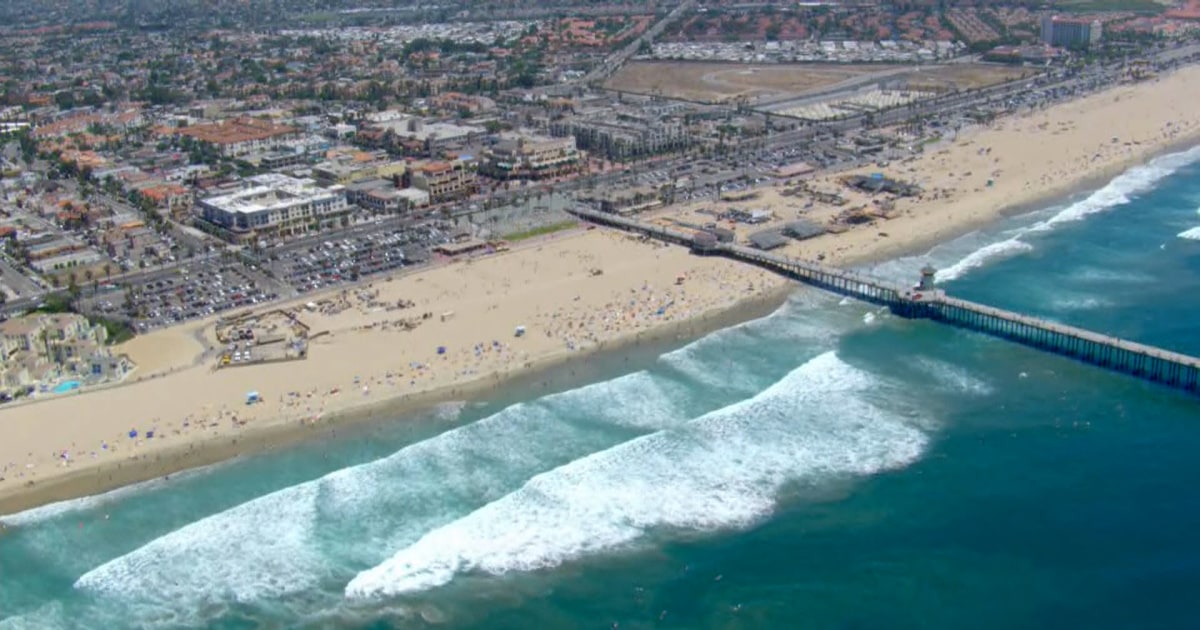
California’s coast offers unparalleled beauty—from the dramatic cliffs of Big Sur to the expansive beaches of Orange County and the rugged charm of the Redwood Coast. With preparation and awareness, the potential for tsunamis becomes a manageable risk rather than a deterrent. Travelers can marvel at the Golden Gate Bridge, explore the tide pools, surf the legendary waves, and relax on the sandy shores, all while knowing they are equipped with the knowledge to stay safe. Responsible travel in California means appreciating its natural wonders while respecting its dynamic geological nature. By understanding “Can tsunamis happen in California?”, you are not just acknowledging a risk; you are embracing a deeper, more informed connection with this magnificent travel destination.
LifeOutOfTheBox is a participant in the Amazon Services LLC Associates Program, an affiliate advertising program designed to provide a means for sites to earn advertising fees by advertising and linking to Amazon.com. Amazon, the Amazon logo, AmazonSupply, and the AmazonSupply logo are trademarks of Amazon.com, Inc. or its affiliates. As an Amazon Associate we earn affiliate commissions from qualifying purchases.