
The traditional perception of the hospitality industry is built upon a standard twenty-four-hour cycle: you check in during the afternoon, stay the night, and check out by late morning. However, the modern traveler’s needs are rarely so rigid. Whether you are a business professional dealing with a long layover in Dubai, a freelancer seeking a quiet space to work, or a weary traveler needing to refresh before an evening flight, the demand for flexible stay durations is growing. Fortunately, the concept of day-use hotels is not only a reality but a burgeoning sector within the hospitality landscape.
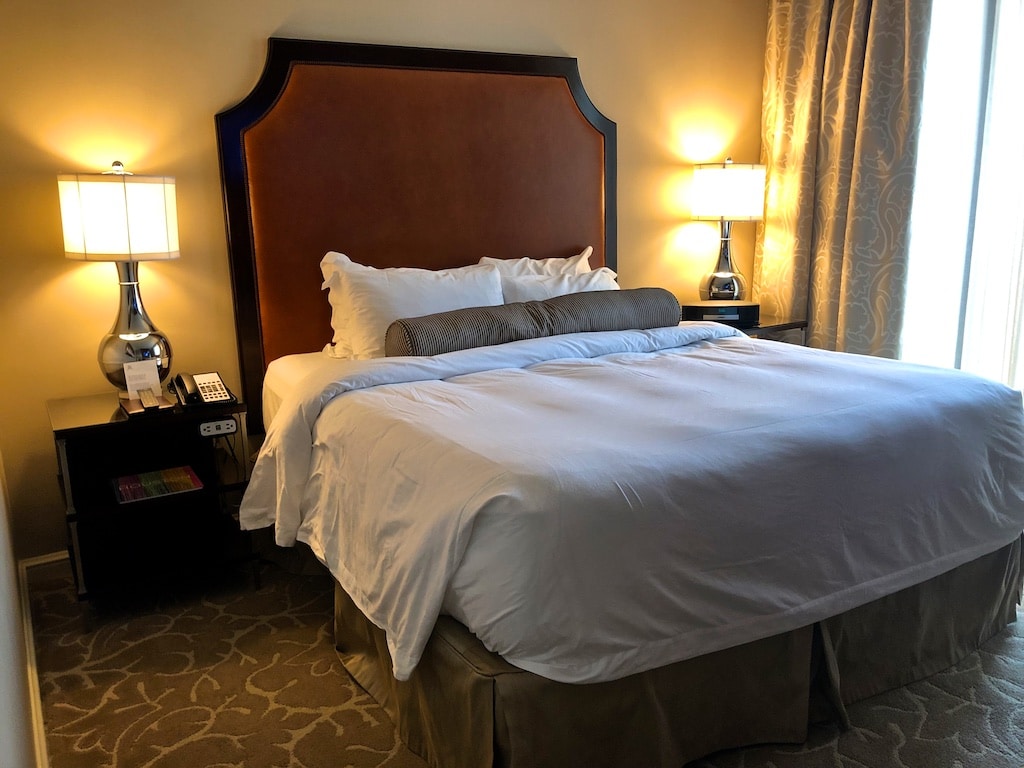
The Rise of Micro-Stays and Day-Use Bookings
The traditional “day-use” or “day-room” booking allows guests to reserve a room for a fraction of the standard nightly rate, typically ranging from three to eight hours during daylight business hours. This service has evolved significantly, moving away from its historical associations and into the realm of convenience for the modern, time-pressed individual.
Bridging the Gap Between Flights
For international travelers, the agony of a ten-hour layover in a city like Singapore is a familiar struggle. Instead of sleeping on an uncomfortable airport bench, many travelers are now utilizing day-use bookings at properties such as the Crowne Plaza Changi Airport. By securing a room for just a few hours, travelers can shower, sleep in a proper bed, and store their luggage, effectively resetting their internal clock before the next leg of their journey.
The Business Professional’s Office
In cities like London or New York City, the need for a private, quiet space for high-stakes Zoom calls or document preparation is a constant challenge for digital nomads and traveling executives. Many premium hotels, including those under the Hilton banner, have begun marketing rooms not just for sleeping, but as private workspaces. These bookings offer high-speed Wi-Fi, ergonomic furniture, and the silence required for deep work, which is rarely found in crowded airport lounges or coffee shops.
Understanding the Logistics of Short-Term Stays
Booking a room for a few hours is conceptually simple, but it requires a bit of logistical awareness to ensure a seamless experience. Unlike a standard reservation, which is often done through generic booking engines, day-use rooms often require specialized platforms or direct inquiries.
How to Find Available Properties
Major brands like Marriott International and Accor have increasingly embraced the day-use model. To find these options, it is often best to visit the hotel’s official website directly and look for a “Day Use” or “Work from Hotel” tab. Alternatively, there are dedicated third-party services that aggregate hotels specifically offering flexible, short-term windows.
When searching, keep these factors in mind:
- Window of Availability: Most day-use stays are restricted to check-in between 8:00 AM and 10:00 AM, with check-out usually occurring by 5:00 PM or 6:00 PM.
- Pricing Structures: Expect to pay between 50% and 70% of the standard daily rate. While this may seem high for only a few hours, the value lies in the access to the room’s amenities, such as a private bathroom, room service, and secure storage for belongings.
- Amenity Access: Always confirm if a day-use booking grants access to the swimming pool or fitness center. While some properties at destinations like Bali offer full access, others may restrict day-use guests to the room only.
Who Benefits Most from Day-Use Hotels?
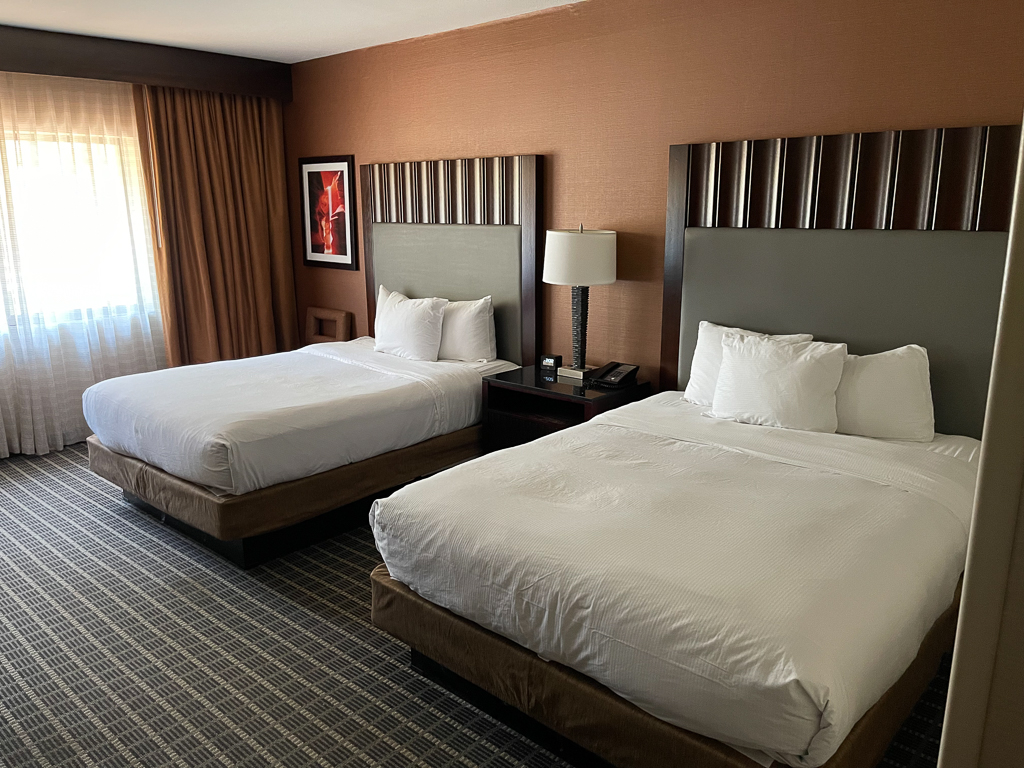
The demographic of guests renting rooms for short durations is as diverse as the cities they inhabit. The flexibility offered by this model caters to specific lifestyle requirements that the traditional nightly rate simply cannot address.
The Transit Traveler
If you are passing through a major hub such as Paris, your primary concern is comfort and hygiene. A hotel room provides a secure environment to leave your bags while you visit a landmark like the Louvre Museum. You can return for a quick shower before heading to the train station, ensuring you arrive at your final destination refreshed rather than exhausted.
The “Staycation” Enthusiast
In urban centers, day-use hotels are becoming popular for local residents seeking a temporary change of scenery. Whether it is to utilize the rooftop pool at a luxury resort like the Marina Bay Sands or to celebrate a special occasion without the commitment of an overnight stay, locals are finding that a few hours of indulgence can be just as restorative as a weekend getaway.
The Commuter
For individuals who work in a metropolis but live in the suburbs, the day-use room acts as a bridge. If an evening meeting runs late or if there is a massive weather delay, having the option to book a room for four hours at a hotel like the Grand Hyatt Tokyo provides a level of peace of mind that justifies the cost. It transforms the hotel from a travel destination into a functional tool for daily productivity.
Strategic Tips for Booking Short-Term Stays
To get the most out of your short-stay experience, consider these strategic approaches to ensure your booking is as efficient as possible.
Join Loyalty Programs
Even if you only need a room for four hours, it is highly recommended to sign up for the hotel’s loyalty program, such as Bonvoy. Many chains allow you to earn points even on short-stay bookings. Over time, these small durations add up, potentially leading to free nights or elite status perks that you can utilize during longer vacations.
Location is Everything
When booking for a few hours, do not prioritize the hotel’s charm or aesthetic above its location. If you have a flight to catch from Heathrow Airport, select a property that is either inside the terminal or a very short shuttle ride away. Every minute saved in transit adds to the quality of your rest.
Check the Cancellation Policy
Day-use bookings can be more volatile than traditional ones, especially if your flight plans change. Always verify the cancellation policy before hitting “book.” Some hotels allow for free cancellation up to an hour before check-in, while others may require a non-refundable deposit. Understanding these terms is vital to avoiding unnecessary financial loss.

Embrace the “Refresh” Mindset
The primary goal of a short-stay booking should be to optimize your physical state. Use the time to hydrate, catch up on emails, and enjoy a quiet meal. If the hotel is located in a vibrant city like Barcelona, consider using the first hour for the room, and the remaining time to explore the immediate neighborhood before heading to your next point of transit. By viewing the room as a base of operations rather than just a place to sleep, you maximize the utility of your investment.
The flexibility to book hotel rooms for a few hours is a testament to how the accommodation industry is adapting to our fast-paced global society. Whether you are seeking refuge from a hectic transit schedule, a quiet office space, or simply a temporary sanctuary, the ability to rent a room for a partial day is a luxury that has become a practical necessity.
LifeOutOfTheBox is a participant in the Amazon Services LLC Associates Program, an affiliate advertising program designed to provide a means for sites to earn advertising fees by advertising and linking to Amazon.com. Amazon, the Amazon logo, AmazonSupply, and the AmazonSupply logo are trademarks of Amazon.com, Inc. or its affiliates. As an Amazon Associate we earn affiliate commissions from qualifying purchases.