
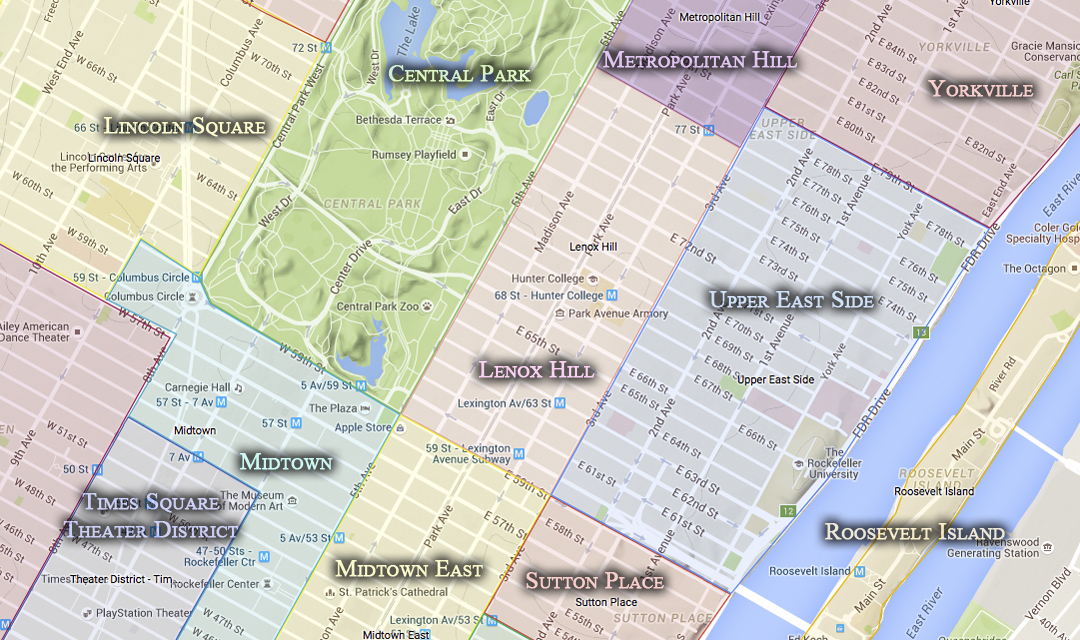
The Upper East Side stands as one of the most iconic neighborhoods in New York City. Stretching from 59th Street to 96th Street and bounded by Fifth Avenue to the west and the East River to the east, this enclave is synonymous with old-world prestige, architectural grandeur, and a refined pace of life that feels worlds away from the frenetic energy of Midtown Manhattan. For the discerning traveler, the Upper East Side is not merely a residential district; it is a cultural destination that offers a glimpse into the historic affluence and artistic heritage of the United States.

A Legacy of Architecture and Elegance
To walk the streets of the Upper East Side is to participate in a living architectural tour. The neighborhood is defined by its limestone townhouses, pre-war apartment buildings, and stately mansions that once served as the private homes of the American elite.
The Gilded Age Influence
During the late 19th and early 20th centuries, titans of industry—including the Carnegie family and the Frick family—commissioned lavish residences along the perimeter of Central Park. Today, many of these structures have been repurposed as prestigious cultural institutions, preserving the opulent aesthetic of a bygone era. Walking north from 70th Street, one finds a concentration of limestone facades that remain immaculately preserved, serving as a testament to the neighborhood’s enduring commitment to historical preservation.
Residential Sophistication
The residential character of the Upper East Side is characterized by high ceilings, ornate moldings, and doorman-serviced buildings. Streets like Park Avenue and Madison Avenue feature some of the most sought-after real estate in the world. While many of these buildings are strictly private, the exterior view alone provides a comprehensive look at the evolution of urban luxury in New York.
The Cultural Epicenter: Museum Mile
Perhaps the most significant draw for visitors to the Upper East Side is the stretch of Fifth Avenue known as Museum Mile. This singular corridor houses one of the highest concentrations of culture in the world, making it an essential stop for any traveler interested in art, history, and anthropology.
The Metropolitan Museum of Art
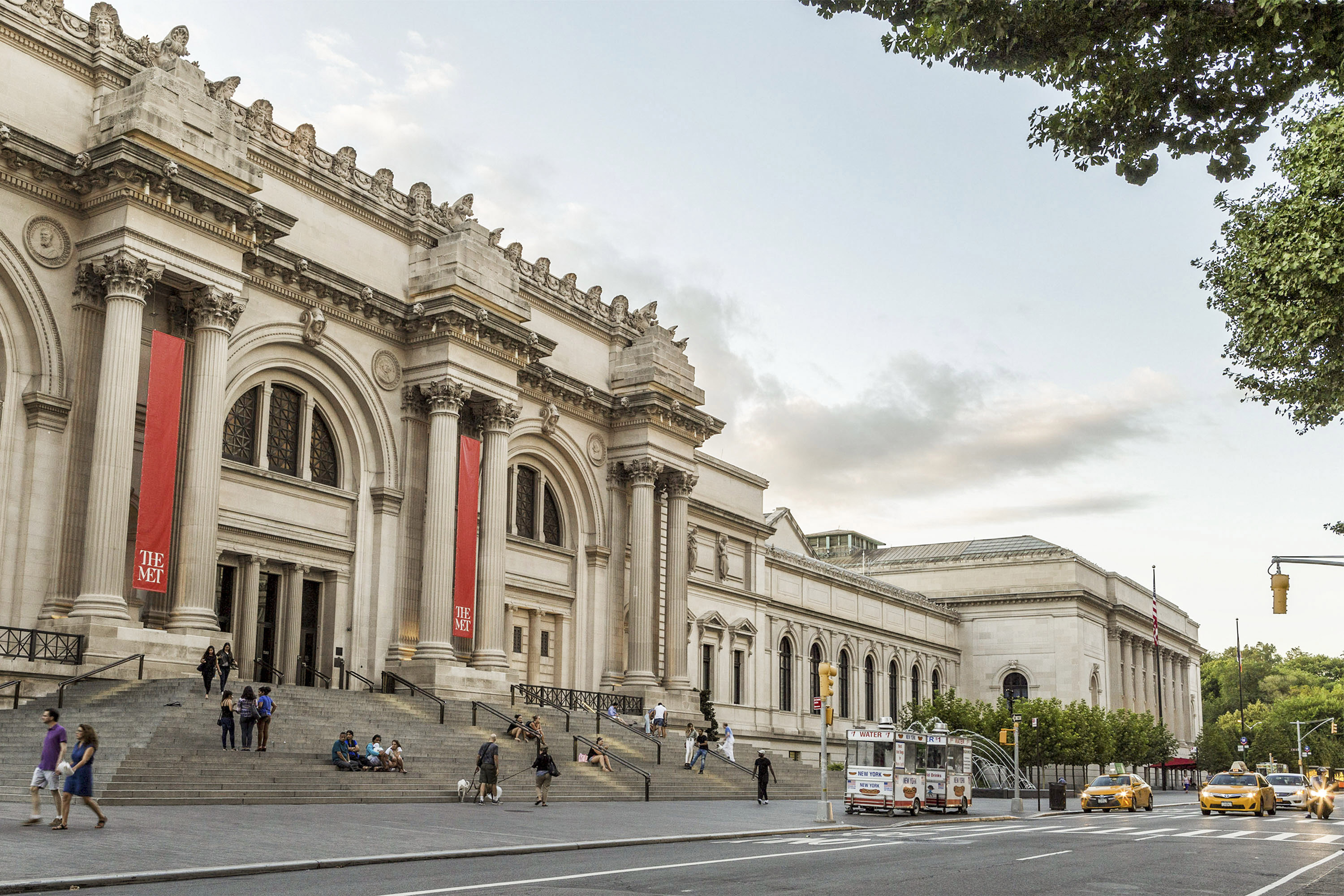
Occupying a sprawling site within Central Park, the Metropolitan Museum of Art is the crown jewel of the neighborhood. With a collection spanning over 5,000 years of global history, the “Met” provides an unparalleled educational and visual experience. From the Temple of Dendur to the extensive galleries of European painting, the museum is vast enough to require multiple visits.
The Solomon R. Guggenheim Museum
Further north, the Solomon R. Guggenheim Museum offers a stark architectural contrast to the classical limestone buildings nearby. Designed by Frank Lloyd Wright, the building’s spiral ramp design revolutionized the way visitors experience art. It remains a masterpiece of 20th-century architecture and a focal point for modern and contemporary art enthusiasts.
The Frick Collection and Beyond
The Frick Collection offers a more intimate experience. Housed in the former home of industrialist Henry Clay Frick, the collection features masterpieces by Rembrandt, Vermeer, and Goya. Other notable institutions on Museum Mile include the Museum of the City of New York and the Cooper Hewitt Smithsonian Design Museum, ensuring that the neighborhood remains a hub for ongoing intellectual engagement.
Lifestyle and Leisure: Parks and Promenades
While the Upper East Side is known for its museums and mansions, it is also a place defined by its relationship with nature and the outdoors. The neighborhood’s proximity to some of the city’s most beloved green spaces provides a tranquil counterpoint to the density of the urban environment.
Central Park’s Eastern Edge
The eastern edge of Central Park provides residents and visitors with access to pristine landscapes, including the Conservatory Garden and the Jacqueline Kennedy Onassis Reservoir. Whether one is jogging around the track, picnicking on the Great Lawn, or enjoying a quiet moment near the Belvedere Castle, the park serves as the neighborhood’s primary recreational backyard.
Carl Schurz Park and the Waterfront
Tucked away at the easternmost edge of the neighborhood is Carl Schurz Park. Overlooking the East River and Hell Gate, this park offers a quieter, more local atmosphere than Central Park. It is also the site of Gracie Mansion, the official residence of the Mayor of New York City. The promenade here is a favorite for locals, providing a serene environment to watch the boats pass through the river.
Dining and Shopping: The Madison Avenue Standard
The Upper East Side maintains a reputation for high-end retail and sophisticated dining. The commercial backbone of the neighborhood, particularly along Madison Avenue, hosts some of the world’s most prestigious fashion houses and boutiques.
Haute Couture and Exclusive Boutiques
Madison Avenue, from the 60s to the 80s, is lined with international flagship stores and independent luxury boutiques. This is not the place for mass-market retail; rather, it is a curated experience of high fashion. Visitors often find that window shopping along these blocks is as much about observing the neighborhood’s polished aesthetic as it is about the retail itself.
Culinary Excellence
The dining scene on the Upper East Side ranges from historic, white-tablecloth establishments to discreet, elegant cafes. Many of the restaurants in this area have catered to the same clientele for decades, fostering a sense of consistency and excellence. Neighborhood staples often emphasize French, Italian, or classic American cuisine, served in environments that prioritize intimacy and impeccable service.
- Café Culture: The neighborhood is home to numerous sidewalk cafes and bakeries that provide a perfect vantage point for people-watching.
- Fine Dining: Several establishments in the area hold Michelin stars, attracting food enthusiasts from across the globe who appreciate a refined, quiet dining atmosphere.
Why the Upper East Side Matters
The Upper East Side is more than just an affluent district; it is a repository of history and a bastion of cultural tradition. It represents a side of New York City that values history, art, and a slower, more deliberate approach to urban living. For the traveler, it offers a respite from the intensity of the city, providing access to world-class museums, beautiful parks, and an architectural landscape that is unmatched in its elegance.
When visiting, one should take the time to wander through the side streets between Park Avenue and the East River, where the neighborhood’s true character is best revealed. From the quiet stoops of townhouses to the bustling, yet polite, activity of the local shops, the Upper East Side invites observers to appreciate the enduring charm of one of the world’s most storied neighborhoods. Whether your interest lies in the collections of the Metropolitan Museum of Art or simply the desire to experience the atmosphere of a classic New York lifestyle, this district remains an essential pillar of the Manhattan experience. It is a neighborhood that does not need to shout; its history, beauty, and refined culture speak for themselves, confirming its place as a permanent landmark in the global imagination.
LifeOutOfTheBox is a participant in the Amazon Services LLC Associates Program, an affiliate advertising program designed to provide a means for sites to earn advertising fees by advertising and linking to Amazon.com. Amazon, the Amazon logo, AmazonSupply, and the AmazonSupply logo are trademarks of Amazon.com, Inc. or its affiliates. As an Amazon Associate we earn affiliate commissions from qualifying purchases.