
The question of whether undocumented immigrants can obtain a driver’s license in Chicago is a complex one, touching upon legal frameworks, practical considerations, and the broader socio-economic landscape of the city and the state of Illinois. For many residents, a driver’s license is not merely a document for operating a vehicle; it’s a fundamental tool for daily life, enabling access to employment, education, healthcare, and community participation. In Chicago, a bustling metropolis with a diverse population, the ability to drive legally can significantly impact an individual’s integration and overall well-being.

Navigating the Legal Landscape
Historically, the ability of undocumented immigrants to obtain driver’s licenses has varied significantly by state. Some states have historically prohibited it, while others have moved towards more inclusive policies. The legal standing of undocumented immigrants is often a point of contention, but in the context of driving, the focus shifts to public safety and the practicalities of road usage.
The Illinois Approach: The Driving Privilege License
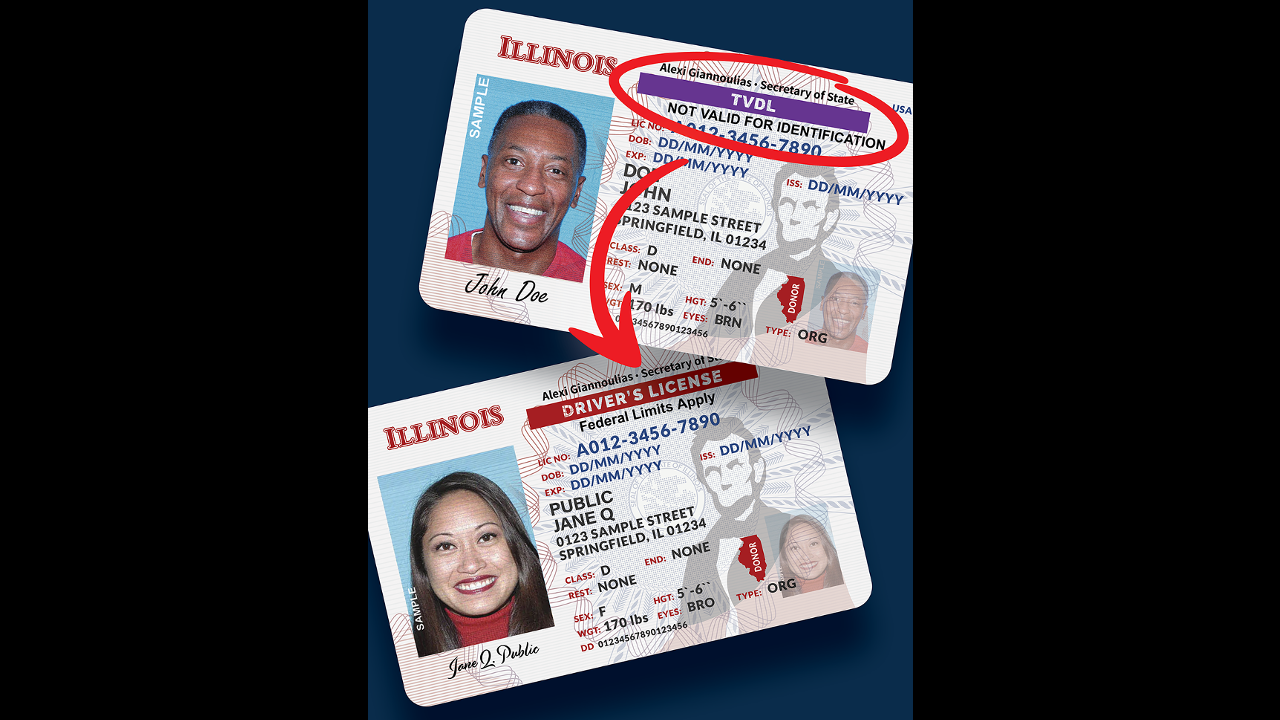
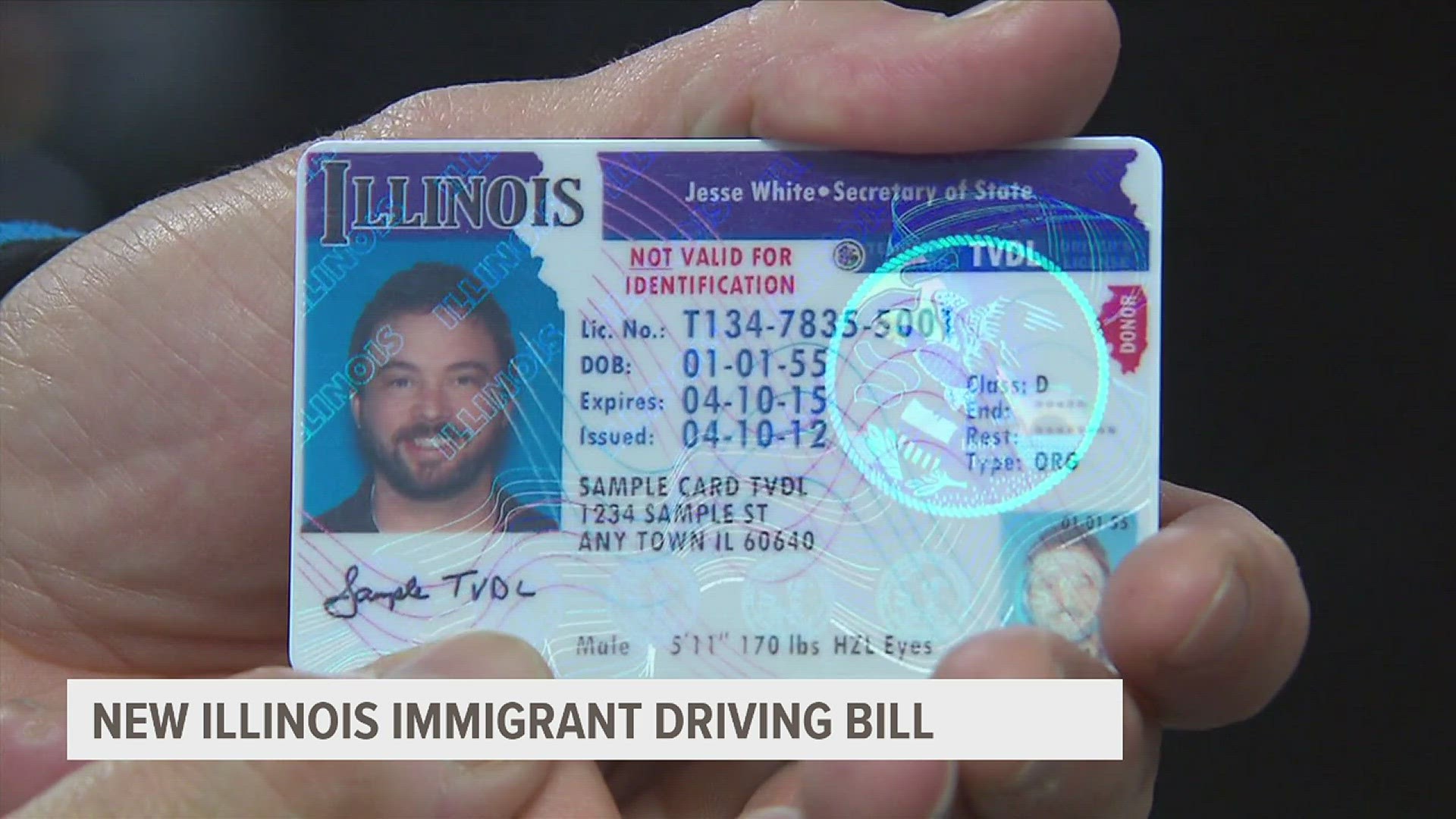
Illinois, like a growing number of states, has enacted legislation that allows undocumented immigrants to obtain a driver’s license. This is often referred to as a “driving privilege license” or a similar designation, distinguishing it from a standard driver’s license that typically requires proof of legal presence in the United States. The passage of such legislation aims to acknowledge the reality that many individuals without documentation are integral members of the community and regularly operate vehicles.
The core of this policy rests on the principle of public safety. Proponents argue that when undocumented immigrants can obtain licenses legally, they are more likely to be insured, undergo mandatory driving tests, and adhere to traffic laws. This, in turn, contributes to safer roads for everyone. Denying licenses, conversely, could lead to a significant portion of the driving population operating vehicles without formal training, testing, or insurance, posing a greater risk to themselves and others.
Key Requirements for a Driving Privilege License
While the pathway to a driver’s license is now open for undocumented immigrants in Illinois, it’s not without its requirements. Applicants must still meet certain criteria, which are designed to ensure a basic level of competency and identification. These typically include:
- Proof of Identity: This is a crucial element. Since traditional forms of identification might be unavailable, the state has established a list of acceptable documents. These can include foreign birth certificates, foreign passports, consular identification cards, and identification documents issued by a foreign government. The emphasis is on providing verifiable proof of who the applicant is.
- Proof of Residency: Applicants must demonstrate that they reside in Illinois. Utility bills, lease agreements, or other official mail addressed to the applicant at their Illinois address are commonly accepted. This ensures that the license is being issued to a resident of the state.
- Passing the Driving Test: Like all aspiring drivers, undocumented immigrants must pass the written knowledge test and the behind-the-wheel driving test administered by the Illinois Secretary of State’s office. This ensures they possess the necessary understanding of traffic laws and the skills to operate a vehicle safely.
- Vision Test: A standard vision screening is also a mandatory part of the licensing process.
- Payment of Fees: Standard application and testing fees apply, similar to those for other license applicants.
It is important for individuals to consult the official website of the Illinois Secretary of State for the most up-to-date and comprehensive list of required documents and procedures. The specific documentation accepted can evolve, and it’s vital to have accurate information directly from the source.
The Impact on Life in Chicago
The availability of driver’s licenses for undocumented immigrants has tangible implications for life in Chicago and the surrounding suburban communities. This policy impacts several key areas:
Employment Opportunities
For many jobs in Chicago, especially those outside the immediate downtown core or requiring travel to various sites, a driver’s license is a prerequisite. This includes professions in construction, delivery services, landscaping, and some healthcare roles. Without a license, individuals may be excluded from these opportunities, limiting their earning potential and economic contribution. The ability to drive legally opens doors to a wider range of employment, fostering greater economic stability for families.
Access to Essential Services
Beyond employment, a driver’s license facilitates access to essential services. This includes:
- Healthcare: Many medical facilities, especially specialized clinics or hospitals, may be located in areas not easily accessible by public transportation. A driver’s license allows individuals to transport themselves and their families to appointments, ensuring timely medical care.
- Education: Parents with licenses can more easily transport their children to school, attend parent-teacher conferences, or participate in school activities. For adults seeking further education or vocational training, a license can mean access to programs further afield.
- Childcare: Similarly, reliable transportation is crucial for dropping off and picking up children from daycare or after-school programs.
Community Engagement and Daily Life
In a city like Chicago, where public transportation is extensive but not always comprehensive in every neighborhood, personal vehicles often play a significant role in daily life. A driver’s license allows individuals to:
- Visit family and friends: Maintaining social connections is vital for well-being, and a license facilitates visits across the city and to surrounding areas.
- Shop for groceries and other necessities: This becomes more efficient and accessible, especially for larger shopping trips.
- Participate in community events and volunteer work: It allows for greater flexibility and involvement in civic life.
Enhanced Public Safety and Insurance Coverage
As mentioned earlier, a significant argument for issuing driving privilege licenses is the potential for increased public safety. When undocumented immigrants are legally licensed, they are more likely to:
- Obtain vehicle insurance: This is often a requirement for obtaining a license and ensures that victims of accidents are compensated.
- Understand and adhere to traffic laws: The licensing process includes education and testing on safe driving practices.
- Register their vehicles: This contributes to official tracking and accountability.
By bringing these drivers into the formal system, the state aims to reduce the number of uninsured and untested drivers on the road, thereby contributing to a safer environment for all road users, including residents and visitors exploring attractions like the Art Institute of Chicago or the Navy Pier.
The Process at the [Illinois] DMV
For individuals in Chicago and throughout Illinois seeking a driving privilege license, the process is managed by the Illinois Secretary of State’s office, which oversees the Driver Services facilities (often referred to as DMVs).
Preparing for the Application
Thorough preparation is key to a smooth application process. Aspiring license holders should:
- Gather all required documents: Meticulously collect proof of identity and residency. It’s advisable to have multiple forms of each if possible, to ensure that at least one is accepted.
- Study the driver’s handbook: The official Illinois Driver’s Handbook is available online and provides comprehensive information on traffic laws, road signs, and safe driving practices. Understanding this material is essential for passing the written test.
- Practice driving: If possible, practice driving with a licensed individual to gain proficiency and confidence before the behind-the-wheel test.
- Schedule an appointment: While walk-ins may be possible, scheduling an appointment at a Driver Services facility can significantly reduce wait times.
At the Driver Services Facility
Upon arrival at the Driver Services facility, the applicant will typically go through the following steps:
- Document Review: Staff will review the submitted documents to ensure they meet the state’s requirements.
- Application Submission: The applicant will fill out the official driver’s license application form.
- Vision Screening: A vision test will be administered.
- Written Test: If the vision screening is passed, the applicant will take the written knowledge test.
- Road Test Scheduling: Upon passing the written test, the applicant will schedule the behind-the-wheel driving test. This test may be taken at a later date or at a different facility, depending on availability.
- Issuance of Temporary License: Once all tests are passed, a temporary license or permit may be issued, with the permanent card mailed later.
It’s crucial for applicants to remain calm, be honest about their status, and present their documentation clearly. The staff at the Illinois Driver Services facilities are trained to assist applicants through the process.
Conclusion: A Step Towards Integration and Safety
The ability for undocumented immigrants to obtain driver’s licenses in Chicago and Illinois represents a significant policy shift that acknowledges the realities of modern society. By providing a legal pathway to driving, the state aims to enhance public safety through increased insurance coverage and adherence to traffic laws. Furthermore, it fosters greater economic opportunity and community integration for a substantial segment of the population. While the process requires diligent preparation and adherence to specific requirements, it offers a tangible benefit that can profoundly improve the daily lives of many residents, allowing them to more fully participate in the vibrant life of Chicago and beyond. This approach ultimately benefits not just the license holders but the entire community.
LifeOutOfTheBox is a participant in the Amazon Services LLC Associates Program, an affiliate advertising program designed to provide a means for sites to earn advertising fees by advertising and linking to Amazon.com. Amazon, the Amazon logo, AmazonSupply, and the AmazonSupply logo are trademarks of Amazon.com, Inc. or its affiliates. As an Amazon Associate we earn affiliate commissions from qualifying purchases.