
The humid, subtropical climate of Florida provides a haven for a myriad of creatures, including the elusive and often frustrating ghost ant. These tiny invaders, scientifically known as Tapinoma melanocephalum, are a common nuisance in homes and businesses throughout the Sunshine State, from the bustling streets of Miami to the tranquil beaches of the Florida Keys. Their name is derived from their pale, almost translucent bodies, making them difficult to spot until their numbers become significant. For homeowners and visitors alike, understanding how to identify and effectively manage ghost ant infestations is crucial for maintaining a pest-free environment, especially in transient accommodations like vacation rentals or hotel suites.
Understanding the Ghost Ant and Its Florida Presence
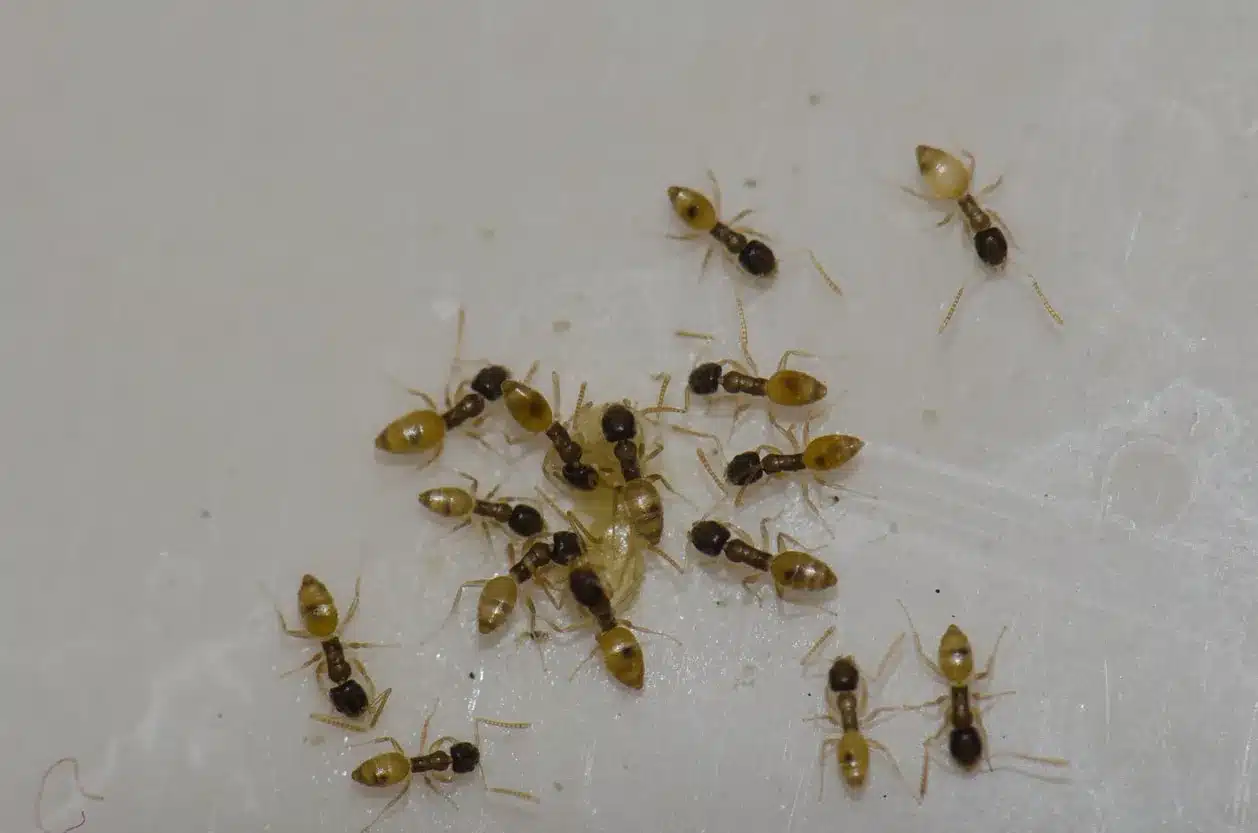
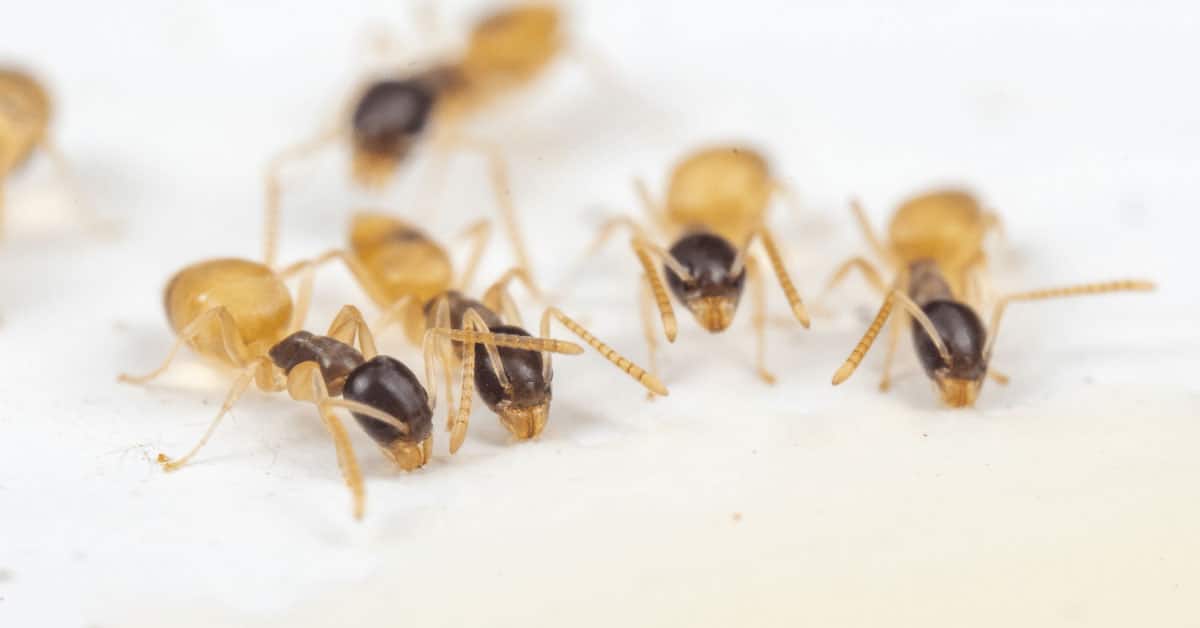
Ghost ants are characterized by their extremely small size, typically measuring just 1.3 to 1.5 millimeters in length. Their bodies are a pale brown to translucent color, with a darker head. They are opportunistic foragers, attracted to a variety of food sources, including sweets, grease, and even other insects. What makes them particularly challenging to deal with is their ability to nest in a wide array of locations, both indoors and outdoors.
Common Nesting Sites in Florida
In the warm and humid environment of Florida, ghost ants exploit numerous potential nesting sites. This adaptability is a key reason for their widespread presence.
Indoor Nesting Habits
Indoors, ghost ants often seek out moist or humid areas. Common locations include:
- Behind baseboards and wall voids: Gaps and cracks within the structure of a building provide sheltered environments.
- Underneath sinks and around plumbing: Leaky pipes or condensation can create the humidity they thrive in.
- In potted plants: Damp soil and the general environment of houseplants can be attractive nesting spots.
- Within electrical equipment: The warmth and moisture in some appliances can also serve as a nesting site.
- In bathroom and kitchen areas: These are prime locations due to readily available moisture and food sources.
Outdoor Nesting Habits
Outdoors, their nesting preferences are equally diverse:
- Underneath rocks and debris: Anything that offers shelter and retains moisture can be a potential nest.
- In tree cavities and under loose bark: Natural structures provide ample protection.
- Around foundations and walkways: Cracks in concrete or asphalt can harbor nests.
- In gardens and mulched areas: The moist soil and organic matter are ideal.
Why Ghost Ants Are a Concern for Florida Residents and Visitors
For those staying in hotels, resorts, or vacation rentals, the presence of ghost ants can significantly detract from the experience. A clean and pest-free environment is a fundamental expectation, and an infestation can lead to discomfort, disappointment, and negative reviews. For permanent residents, ghost ants are a persistent nuisance that can infiltrate kitchens, bathrooms, and living spaces, compromising hygiene and aesthetic appeal. Their tendency to trail in large numbers, even if individually small, makes them highly noticeable and bothersome.
Effective Strategies for Ghost Ant Control in Florida
Addressing a ghost ant infestation requires a multi-faceted approach that focuses on elimination, prevention, and understanding their behavior. Simply killing the visible ants is rarely enough, as the colony, often hidden and dispersed, will continue to reproduce.
Identifying Infestations
The first step is recognizing the signs of a ghost ant problem. Look for:
- Small, pale ants: Their translucent bodies are a giveaway.
- Trails of ants: They often follow distinct trails, especially along walls or countertops, searching for food and water.
- Nests in unusual places: Keep an eye out for ants emerging from cracks in walls, under appliances, or in houseplants.
Elimination Tactics
Once identified, a targeted elimination strategy is necessary.
Baits are Key
Ghost ants are particularly susceptible to baits. This is because they are attracted to sweet and greasy substances. Baiting works by allowing the ants to carry the poisoned bait back to the colony, effectively eliminating the entire population, including the queen.
- Gel baits: These are highly effective and can be placed in areas where ants are frequently seen, such as along trails, near entry points, or in nesting areas. Look for baits specifically formulated for ants.
- Liquid baits: Similar to gel baits, liquid baits offer an attractive food source that the ants will consume and transport back to the nest.
- Placement: Strategically place baits along ant trails, near suspected nesting sites, and in areas where ants are entering the structure. Avoid spraying insecticides near bait stations, as this can deter ants from foraging.
Professional Pest Control
For severe or persistent infestations, it is highly recommended to contact a professional pest control service. They have access to a wider range of treatments and the expertise to identify and treat all potential nesting sites, ensuring a more complete and long-lasting solution. Professionals can also provide advice on ongoing prevention strategies tailored to the specific environment.
Prevention Measures
Preventing ghost ants from entering and establishing colonies is as important as eliminating existing ones. This is especially relevant for the hospitality industry, where consistent cleanliness and proactive measures are paramount.
Sanitation and Food Source Removal
Ghost ants are attracted to food and water. Maintaining a clean environment is the first line of defense.
- Cleanliness is paramount: Regularly clean kitchens and dining areas, paying close attention to crumbs, spills, and sticky residues on countertops, floors, and in pantries.
- Proper food storage: Store all food items, including pet food, in airtight containers.
- Waste management: Seal garbage cans tightly and dispose of trash regularly, especially in outdoor bins.
- Address water sources: Fix leaky pipes and faucets, and ensure that areas around sinks and bathrooms are kept dry.
Sealing Entry Points
Preventing ants from entering your living space is critical.
- Inspect for cracks and crevices: Regularly examine the exterior and interior of the building for any openings, no matter how small.
- Seal entry points: Use caulk or other appropriate sealants to close gaps around windows, doors, utility lines, and foundation cracks.
- Check screens: Ensure window and door screens are intact and free of holes.
Outdoor Management
Managing the area surrounding your property can significantly reduce ant populations.
- Remove debris: Clear away leaf litter, woodpiles, and other debris from the foundation of the building, as these provide excellent nesting sites.
- Trim vegetation: Keep shrubs and tree branches trimmed back from the house, as these can serve as bridges for ants to access the structure.
- Proper drainage: Ensure that water drains away from the foundation to avoid creating damp conditions attractive to ants.
Ghost Ant Management in Hospitality Settings
For hotels, resorts, and vacation rental properties, maintaining a ghost ant-free environment is not just about guest comfort; it’s a critical component of reputation management and repeat business.
Proactive Inspection and Treatment Regimens
- Regular Inspections: Implement a schedule for regular, thorough inspections of all guest rooms, common areas, kitchens, and storage spaces. Pay close attention to areas known for moisture or food access.
- Integrated Pest Management (IPM): Adopt an IPM approach that combines prevention, monitoring, and the judicious use of control methods. This often involves working with a professional pest management company that specializes in hospitality.
- Staff Training: Educate housekeeping and maintenance staff on the signs of ghost ant activity and the importance of reporting any sightings immediately. Train them on proper sanitation procedures to minimize food and water sources.
Guest Communication and Expectations
- Setting Expectations: For vacation rentals, clear communication with guests about the property’s pest control measures can be beneficial. While you aim for a pest-free experience, transparency can manage expectations.
- Prompt Response: If a guest reports an ant issue, respond immediately. A swift and effective resolution can often mitigate negative impacts on their stay and their review.

Maintaining Amenities and Structures
- Plumbing and Moisture Control: Hotels and resorts have extensive plumbing systems. Regular checks for leaks and prompt repairs are essential. Ensuring proper ventilation in bathrooms and kitchens can also help reduce humidity.
- Landscaping: Maintain outdoor areas by regularly removing debris, trimming vegetation away from the building, and ensuring proper drainage. This reduces outdoor harborage for ants.
By understanding the specific habits of ghost ants in the Florida environment and implementing a consistent, proactive management plan, residents and hospitality providers can effectively combat these tiny invaders, ensuring a more comfortable and enjoyable experience for everyone. Whether you are a homeowner in Tampa or a guest at a luxury resort in Naples, a ghost ant-free space is achievable with vigilance and the right strategies.
LifeOutOfTheBox is a participant in the Amazon Services LLC Associates Program, an affiliate advertising program designed to provide a means for sites to earn advertising fees by advertising and linking to Amazon.com. Amazon, the Amazon logo, AmazonSupply, and the AmazonSupply logo are trademarks of Amazon.com, Inc. or its affiliates. As an Amazon Associate we earn affiliate commissions from qualifying purchases.