
Understanding the intricate landscape of California‘s firearm regulations is a critical aspect of responsible citizenship and informed decision-making for both residents and visitors. For individuals whose lifestyle includes shooting sports, personal defense, or simply an interest in firearms, navigating these laws can be particularly challenging. Among the most frequently asked questions, and one that underscores the unique legal environment of the state, is whether one can legally purchase a 15-round magazine in California. The answer, like many aspects of California gun law, is complex, marked by a history of legislative action, legal challenges, and fluctuating interpretations. This article delves into the current legal status, the historical context that shaped it, and what it means for anyone seeking to understand or comply with these regulations as part of their informed lifestyle choices.
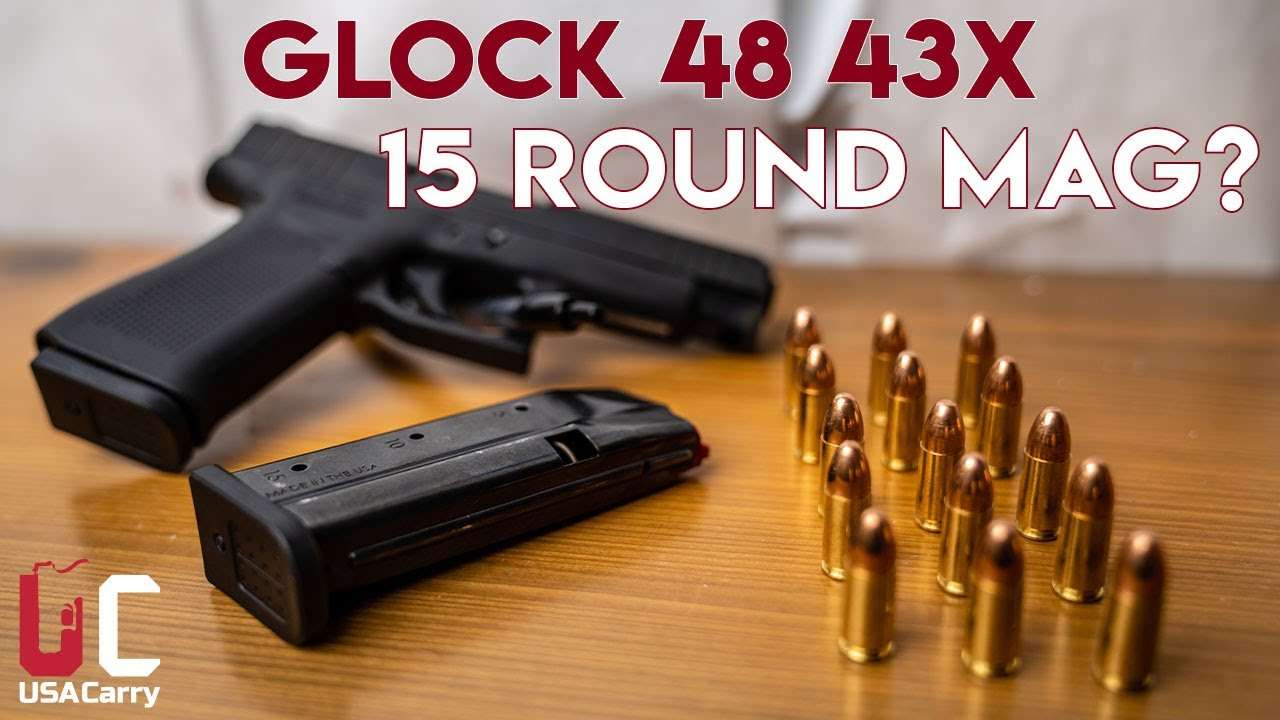
The Foundation of California’s Magazine Capacity Restrictions
California has long been at the forefront of implementing stringent firearm regulations within the United States. These laws reflect a policy objective to reduce gun violence through various control measures, including limitations on the capacity of firearm magazines. To understand the current situation regarding 15-round magazines, it’s essential to first grasp the historical evolution of these restrictions.
Early Legislative Actions and the 10-Round Limit
The journey towards California’s current magazine capacity laws began decades ago, with incremental legislative steps. The pivotal moment arrived in 2000 with the enactment of a statewide ban on “large-capacity magazines.” This legislation defined a large-capacity magazine as any ammunition feeding device capable of holding more than 10 rounds of ammunition. Prior to this, individuals could generally possess such magazines without explicit state-level restrictions, although federal laws and local ordinances varied.
The 2000 ban specifically prohibited the manufacture, import, sale, or transfer of large-capacity magazines. However, it included a “grandfather clause” that allowed individuals who already lawfully possessed these magazines before January 1, 2000, to retain them. This distinction would become a critical point of contention and legal challenge in the years that followed, as it created a two-tiered system of ownership: those who could legally possess pre-ban magazines and those who could not acquire new ones.
The Rationale Behind Capacity Bans
Proponents of magazine capacity bans argue that restricting the number of rounds a firearm can hold limits the lethality of firearms in mass shooting events. The theory suggests that smaller capacity magazines necessitate more frequent reloading, providing potential opportunities for victims to escape or intervene, and for law enforcement to respond. While the effectiveness of such bans is a subject of ongoing debate, the legislative intent in California has consistently leaned towards these restrictions as a public safety measure. Understanding this underlying rationale helps to contextualize the persistence and severity of the laws, shaping the legal and social environment for firearm owners in the state.
The “Freedom Week” Phenomenon: A Brief Legal Interlude
The landscape of California’s magazine capacity laws is not static; it is a dynamic arena marked by continuous legal battles. One of the most significant and talked-about events in this ongoing saga was “Freedom Week,” a period in 2019 that briefly, and dramatically, altered the legality of large-capacity magazines.
Duncan v. Bonta and the Injunction
The catalyst for “Freedom Week” was the federal court case Duncan v. Bonta (originally Duncan v. Becerra). This lawsuit challenged California’s ban on large-capacity magazines, arguing that it infringed upon the Second Amendment rights of law-abiding citizens. On March 29, 2019, U.S. District Judge Roger Benitez issued a permanent injunction against the state’s ban, declaring it unconstitutional.
Crucially, Judge Benitez issued a temporary stay on his injunction, allowing the state 10 days to appeal. When the state appealed, a three-judge panel of the Ninth Circuit Court of Appeals granted an emergency stay on Benitez’s injunction for only a brief period – until April 5, 2019. However, the Ninth Circuit Court of Appeals then issued a partial stay, which allowed the sale and import of large-capacity magazines to resume temporarily while the appeal process continued. This narrow window, from March 29, 2019, to April 5, 2019, became famously known as “Freedom Week.”
The Surge of Purchases and Subsequent Confusion
During this fleeting period, thousands of California residents, seizing the opportunity, rushed to purchase and import magazines capable of holding more than 10 rounds, including 15-round and 30-round magazines. Online retailers and out-of-state vendors saw a massive surge in orders from California buyers. The expectation was that these purchases, made during a legally permissible window, would be considered lawful even if the ban were to be reinstated.
However, the legal situation quickly became muddled. On April 5, 2019, the Ninth Circuit Court of Appeals issued a new order, placing a full stay on Judge Benitez’s injunction, effectively reinstating the ban. This meant that while magazines purchased and received during “Freedom Week” were generally considered lawfully acquired, any further purchases, imports, or transfers of large-capacity magazines became illegal once more. The legal complexity left many residents confused about their rights and obligations, highlighting the precariousness of firearm ownership within the state. The period served as a stark reminder of the fluid nature of firearm law and the importance of staying abreast of legal developments.
The Current Legal Status of 15-Round Magazines

Following the rollercoaster of “Freedom Week” and subsequent legal skirmishes, the question of whether one can buy a 15-round magazine in California returns to a state of prohibition, albeit with nuanced considerations for those who acquired them during the brief legal window.
Reinstatement of the Ban and Ongoing Appeals
As of the current understanding, California’s ban on the sale, manufacture, importation, and transfer of magazines capable of holding more than 10 rounds is back in full effect. This means that, for the vast majority of California residents, purchasing a new 15-round magazine directly from a retailer or another individual within the state is illegal.
The Duncan v. Bonta case has continued its path through the federal court system. While Judge Benitez initially struck down the ban, the Ninth Circuit Court of Appeals later heard the case en banc (before a larger panel of judges). In 2021, the en banc panel reversed the earlier decision, upholding California’s ban. This decision was then appealed to the U.S. Supreme Court. In June 2022, after the landmark Bruen decision, the U.S. Supreme Court vacated the Ninth Circuit Court of Appeals ruling and remanded the Duncan v. Bonta case back to the Ninth Circuit Court of Appeals for reconsideration in light of Bruen.
This legal ping-pong means that while the core ban remains in effect during these appeals, the legal battle is far from over. The future legality of large-capacity magazines in California hinges on how the courts apply the Bruen standard, which emphasizes a historical test for Second Amendment challenges. Until a definitive ruling against the ban is finalized and allowed to take effect without a stay, the prohibition on acquiring new 15-round magazines persists.
The Status of “Freedom Week” Acquisitions
A crucial distinction exists for those who acquired 15-round or other large-capacity magazines during “Freedom Week.” Based on the legal understanding at the time, magazines lawfully acquired and received by California residents during that specific period (March 29, 2019, to April 5, 2019) are generally considered legal to possess. The temporary injunction meant that for that brief window, the state’s ban was not in effect, thus allowing for lawful acquisition.
However, even for these individuals, there are important caveats. The law prohibiting the manufacture, import, sale, or transfer of such magazines was reinstated. This means that even if you lawfully acquired a 15-round magazine during “Freedom Week,” you generally cannot sell it, give it away, or transfer it to another California resident who did not also lawfully possess it before or during that period. The legal framework attempts to prevent the proliferation of these magazines beyond those who already possess them through specific legal pathways. The nuanced nature of these laws underscores the complexity of firearm ownership in California and the importance of precise legal interpretation.
Navigating Compliance and Responsible Ownership in California
For individuals who value responsible firearm ownership as part of their lifestyle, understanding and adhering to California’s complex regulations is paramount. The legal landscape surrounding 15-round magazines exemplifies the challenges inherent in the state’s approach to firearms.
The Importance of Due Diligence and Legal Counsel
Given the dynamic and often contentious nature of California gun laws, due diligence is not merely recommended; it is essential. Relying on outdated information or casual advice can lead to severe legal consequences. For anyone considering firearm-related purchases or seeking clarity on their current possessions, consulting with a qualified attorney specializing in California firearm law is the most prudent course of action. These legal professionals can provide accurate, up-to-date advice tailored to individual circumstances, ensuring full compliance with state and federal regulations. This proactive approach reflects a responsible lifestyle choice, prioritizing legal adherence over potential risks.
Avoiding Accidental Violations
Accidental violations are a real concern in California, especially concerning magazine capacity. For instance, traveling to California from another state where 15-round magazines are legal and unknowingly bringing them into the state can lead to serious charges. Similarly, inheriting firearms that come with large-capacity magazines requires immediate attention to legal compliance, which might involve rendering them inoperable (blocking them to 10 rounds) or turning them over to law enforcement.
Retailers, both online and brick-and-mortar, are generally prohibited from selling or shipping magazines over 10 rounds to California addresses. Attempting to circumvent these restrictions through intermediaries or by misrepresenting residency status carries significant legal risks. The state’s enforcement agencies are vigilant, and penalties for violations, including possession or transfer of illegal magazines, can range from misdemeanors to felonies, with accompanying fines and potential incarceration.

Staying Informed and Engaged
The legal battles surrounding magazine capacity bans, like Duncan v. Bonta, demonstrate that the legal status of firearms and accessories is subject to change. For those whose lifestyle includes an interest in firearms, staying informed about ongoing litigation and new legislative developments is crucial. Reputable firearm advocacy organizations and legal news outlets often provide updates on these matters. Engaging with these resources helps individuals remain aware of their rights and responsibilities, empowering them to make informed decisions and adapt their practices to align with evolving legal requirements. This continuous learning and adaptation are integral to responsible firearm ownership in a state with such a unique and evolving regulatory framework.
In conclusion, the direct purchase of a new 15-round magazine in California is currently prohibited for most residents, reflecting the state’s stringent approach to firearm regulation. While a brief window known as “Freedom Week” allowed for lawful acquisition by some, the ban has largely been reinstated, and the legal challenges continue. For anyone navigating this complex environment, prioritizing legal counsel, diligent adherence to laws, and staying informed are not just recommendations, but essential components of a responsible and compliant lifestyle.
LifeOutOfTheBox is a participant in the Amazon Services LLC Associates Program, an affiliate advertising program designed to provide a means for sites to earn advertising fees by advertising and linking to Amazon.com. Amazon, the Amazon logo, AmazonSupply, and the AmazonSupply logo are trademarks of Amazon.com, Inc. or its affiliates. As an Amazon Associate we earn affiliate commissions from qualifying purchases.