
Venturing through the Golden State, from the sun-drenched beaches of San Diego to the majestic redwoods of the north, California offers an unparalleled tapestry of experiences for every traveler and resident. Its diverse landscapes, iconic landmarks, and vibrant cities like Los Angeles and San Francisco draw millions annually, promising everything from luxury stays at world-class resorts to rugged outdoor adventures. However, for those who own firearms or are considering bringing one into the state, navigating California’s gun laws is a critical aspect of responsible travel and residency. Unlike many other states in the United States, California maintains some of the strictest gun control measures in the nation, making understanding these regulations not just advisable, but absolutely essential to avoid legal complications.
Whether you’re planning a family trip to Disneyland Park, a business stay in Sacramento, or an extended retreat to a coastal villa, the question of whether you can legally carry a gun in California is complex and demands careful attention. These laws impact not only how firearms can be carried but also how they must be stored, transported, and even purchased within the state. For visitors, the implications are particularly significant, as interstate reciprocity for concealed carry permits is virtually nonexistent, and the mere presence of certain firearm types can lead to serious legal issues. This comprehensive guide aims to demystify California’s gun laws, providing practical insights for both travelers and residents, ensuring your focus remains on enjoying California’s unparalleled attractions rather than grappling with unforeseen legal challenges.
Understanding California’s Gun Laws: A Primer for Travelers and Residents
California’s approach to firearm regulation is characterized by a robust framework of state laws, often supplemented by local ordinances, all designed to enhance public safety. For anyone considering carrying a firearm in the state, whether openly or concealed, a fundamental understanding of these laws is paramount. The distinction between open carry and concealed carry, along with the stringent requirements for permits and prohibitions in specific locations, forms the cornerstone of California’s regulatory environment.
Open Carry vs. Concealed Carry
California broadly prohibits the open carry of loaded or unloaded firearms in most public places. This prohibition extends to handguns, rifles, and shotguns alike. While there are very limited exceptions, such as within one’s home or business, or during lawful hunting activities in designated areas, the general rule of thumb for anyone in California is that openly carrying a firearm in public is illegal. This stance is notably stricter than in many other states, where open carry may be permitted without a specific license. This means that if you are exploring the vibrant neighborhoods of Oakland, hiking a trail in a state park, or simply walking down a street in any California city, carrying a visible firearm is almost certainly against the law.
When it comes to concealed carry, California operates under a “may-issue” system for Concealed Carry Weapons (CCW) permits, meaning that issuing authorities (typically county sheriffs or city police chiefs) have discretion in granting permits, even if an applicant meets all objective criteria. This is a significant hurdle compared to “shall-issue” states, where permits are granted as long as the applicant meets specified requirements. To obtain a CCW permit in California, applicants must generally:
- Be a resident of the county or city to which they are applying.
- Be 21 years of age or older.
- Complete a firearm safety course.
- Demonstrate “good moral character.”
- And, critically, demonstrate “good cause” for needing to carry a concealed firearm.
The “good cause” requirement has historically been the most significant barrier, often interpreted as requiring more than just a general desire for self-defense. While recent legal challenges, particularly the Supreme Court’s Bruen decision, have impacted “good cause” requirements nationally, California’s interpretation remains restrictive. Some counties in California, such as Orange County and Ventura County, may have slightly more streamlined processes than others, but obtaining a CCW permit is still a challenging endeavor for residents. For non-residents, obtaining a California CCW permit is virtually impossible, as the residency requirement is strictly enforced. This means that a concealed carry permit valid in your home state will almost certainly not be recognized in California.
Specific Prohibited Locations and Scenarios
Beyond the general prohibitions on open and concealed carry without a permit, California law explicitly designates numerous “gun-free zones” where firearms are strictly forbidden, even for those with a valid CCW permit. These locations are critical for travelers and residents alike to be aware of:
- Schools and Universities: Carrying firearms on K-12 school grounds or within 1,000 feet of a school, and on college or university campuses, is generally illegal, with limited exceptions for law enforcement.
- Government Buildings and Courthouses: Firearms are prohibited in state and local government buildings and judicial facilities.
- Airports: Inside the sterile areas of airports, firearms are strictly prohibited. When transporting firearms by air, they must be unloaded, secured in a locked, hard-sided container, and declared to the airline, complying with both federal and airline regulations.
- Voting Places: It is illegal to carry firearms within 100 feet of a polling place while an election is underway.
- Private Businesses: Many private businesses, especially those serving alcohol or attracting large crowds, may prohibit firearms on their premises. It is always wise to respect “no firearms” signage posted by private establishments, whether a boutique hotel or a popular restaurant in Malibu.
- Designated Public Spaces: This can include public parks, playgrounds, and even certain public transit facilities, depending on local ordinances.
- Federal Facilities: Federal law prohibits firearms in federal buildings, courthouses, and postal offices, regardless of state law.
- National Parks: While federal law allows for firearms in national parks under certain conditions, California’s state laws often apply within the parks located in the state, creating a complex interaction. For instance, in Yosemite National Park or Joshua Tree National Park, while you might be allowed to possess a firearm under federal regulations, California’s storage and transportation laws (e.g., unloaded and locked in a container when in a vehicle) still largely apply.
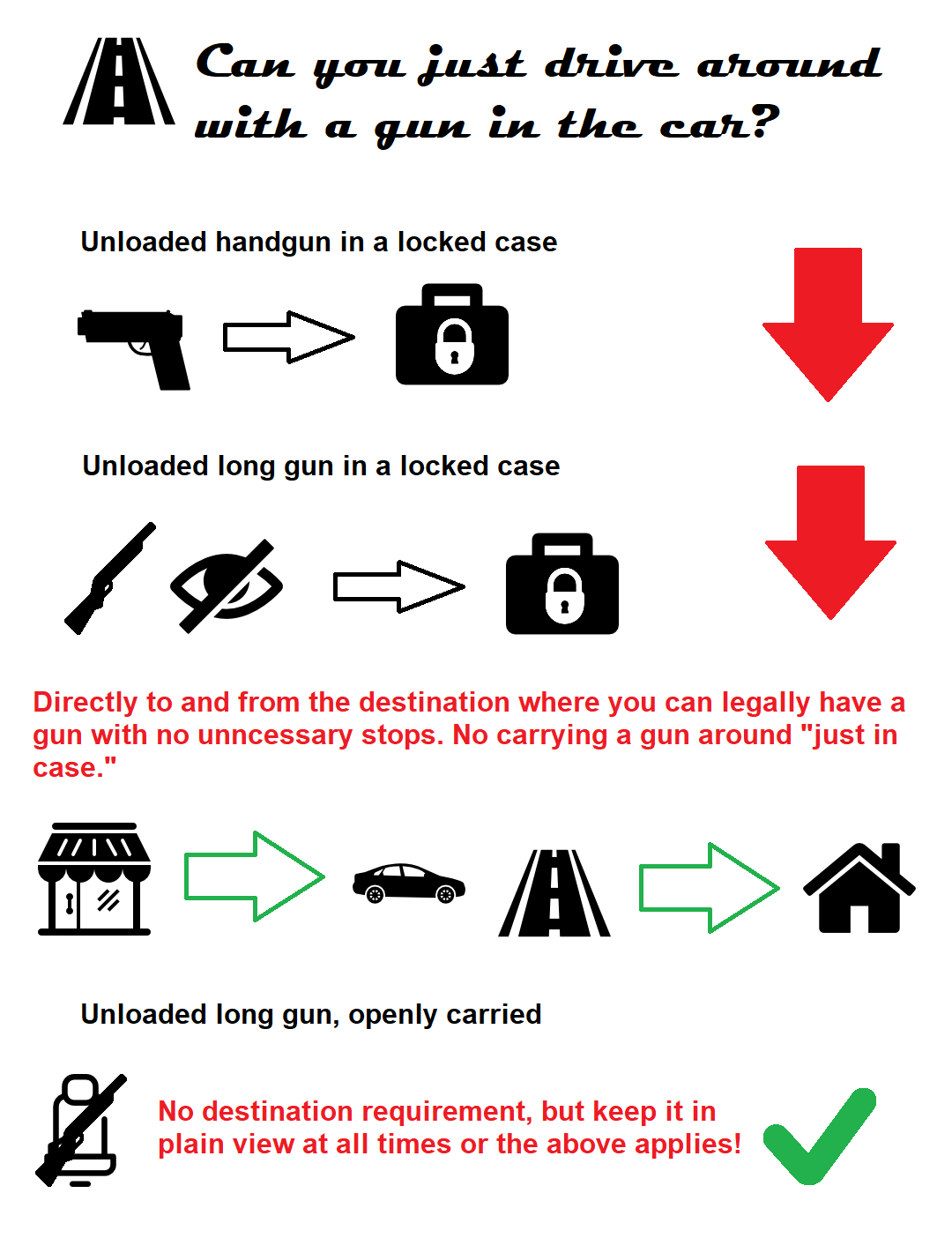
For those traveling by vehicle, California has specific regulations for transporting firearms. Handguns must be transported unloaded in a locked container, which can include the vehicle’s trunk or a locked glove compartment. Long guns (rifles and shotguns) must also be transported unloaded. While not always requiring a locked container for long guns, it is often recommended for maximum safety and legal clarity. These transportation rules are crucial for anyone driving through the state, even if they do not intend to carry the firearm outside their vehicle.
Navigating California’s Diverse Landscapes with Gun Laws in Mind
California’s allure lies in its incredible diversity, from the urban jungles of its metropolitan centers to the serene beauty of its wilderness areas. Each setting presents unique considerations for gun owners, underscoring the importance of understanding how state laws interact with local ordinances and the specific policies of various establishments. Responsible tourism in California means being prepared for these nuances.
From Bustling Cities to Serene Wilderness: Regional Variations and Local Ordinances
While California’s gun laws are primarily state-level, certain cities and counties have enacted additional ordinances that can further restrict firearm possession and use. This adds an extra layer of complexity for travelers and residents. For example:
- In a bustling metropolis like Los Angeles, visitors enjoying the Hollywood Walk of Fame or exploring Universal Studios Hollywood must be acutely aware of the comprehensive state and local prohibitions on firearms in public and commercial spaces. The dense urban environment makes it highly unlikely that any form of public carry would be legal.
- Similarly, in San Francisco, a city famed for its landmarks such as the Golden Gate Bridge and Alcatraz Island, strict local ordinances often complement state law, impacting everything from firearm storage requirements to restrictions on certain types of ammunition.
- When venturing into the wilderness, such as to Lake Tahoe for a ski trip or to Big Sur for a scenic drive, the rules can shift again. While certain hunting or target shooting activities may be permitted in designated areas (with appropriate licenses and compliance with all laws), general recreational carrying remains highly restricted. National forests and other federal lands within California often fall under a blend of federal and state laws, which can be confusing. It is always best to check with the specific land management agency (e.g., National Forest Service, California State Parks) for their particular regulations before bringing a firearm onto their property.
For tourists, this patchwork of regulations means that what might be permissible in one part of California could be illegal in another, even for activities seemingly far removed from urban centers. This uncertainty is why the safest approach for most visitors is to leave firearms at home unless a specific, legally permissible activity is planned and all local and state laws have been thoroughly researched and understood.
Accommodations and Private Property: What You Need to Know
When planning your accommodation in California, whether it’s a luxurious stay at the Four Seasons Hotel Los Angeles at Beverly Hills, a historic retreat at the Hotel del Coronado, or a cozy Airbnb rental in Santa Monica, understanding the property’s stance on firearms is crucial.
- Hotels and Resorts: Many hotels and resorts, particularly upscale establishments like the Hyatt Regency San Francisco or The Ritz-Carlton, Laguna Niguel, have their own internal policies regarding firearms on their premises. These policies can range from outright prohibitions to specific requirements for storage (e.g., unloaded and secured in a locked case in your room). It is highly recommended to contact the hotel directly before your arrival to inquire about their firearm policy. Even if state law permits you to possess a firearm under certain conditions, private property owners retain the right to restrict or prohibit firearms on their property. Ignoring these policies could result in asking you to leave, or worse, legal issues if their policy is violated in conjunction with a violation of a local ordinance.
- Rental Properties (Airbnb, VRBO, etc.): Similar to hotels, individual hosts for rental platforms like Airbnb or VRBO have the discretion to set rules regarding firearms in their properties. Some hosts may explicitly state “no firearms” in their listing, while others may not. It is essential to communicate with your host beforehand if you plan to bring a firearm. Transparency and adherence to house rules are paramount for a smooth stay.
- Long-Term Stays: For those considering extended stays, perhaps in serviced apartments or long-term vacation rentals, the same principles apply. Always clarify with the property management or owner. Additionally, for residents in apartment complexes or condominiums, specific rules set by the homeowners’ association or landlord regarding firearms on common property or even within units may exist.
Regardless of the type of accommodation, California’s state laws on safe storage still apply. If you possess a firearm in your room or rental, it must be stored safely to prevent unauthorized access, particularly by minors. This often means keeping it unloaded and in a locked container, even if you are present in the room.
Lifestyle and Safety: Responsible Gun Ownership in California
California’s stringent gun laws are deeply intertwined with a broader philosophy emphasizing public safety and responsible firearm ownership. For residents and visitors alike, adopting a mindset of diligence and legal compliance is not just about avoiding penalties, but about contributing to a safe environment for everyone. Understanding the regulations surrounding storage, transportation, and acquisition is key to navigating the Californian lifestyle as a gun owner.
Storage, Transportation, and Purchases for Residents
For California residents, responsible gun ownership involves a continuous commitment to adhering to state and local regulations that go beyond just carrying.
- Safe Storage Laws: California has some of the toughest safe storage laws in the nation. Firearms must be stored in a locked container or disabled with a trigger lock when not in the immediate control of the owner, especially if a minor or a prohibited person could gain access. This is a critical point for families, ensuring children cannot accidentally access firearms. Negligent storage that results in injury or death can lead to severe criminal penalties. When traveling within the state, even short distances, firearms must be transported unloaded and in a locked container, reinforcing the importance of secure storage outside the home.
- Restrictions on Certain Types of Firearms: California has a comprehensive “assault weapons” ban, which prohibits the sale, manufacture, and possession of a wide range of semi-automatic rifles and pistols with certain features. The state also regulates large-capacity magazines. For new residents moving to California, or existing residents inheriting firearms, it’s vital to ensure that all firearms comply with these specific restrictions. Non-compliant firearms must often be registered or rendered inoperable.
- Background Checks, Waiting Periods, and Firearm Safety Certificates: Anyone purchasing a firearm in California must undergo a background check conducted through a licensed dealer. There is also a mandatory 10-day waiting period between purchase and delivery. Furthermore, prospective purchasers must obtain a Firearm Safety Certificate (FSC) by passing a written test, demonstrating knowledge of firearm safety rules and laws. These measures are designed to ensure that firearms are only transferred to eligible and informed individuals.
These requirements shape the lifestyle of gun owners in California, emphasizing safety and responsibility at every stage of firearm possession.
Implications for Visitors and Non-Residents
For individuals visiting California from other states or countries, the implications of these laws are particularly stark. The generally restrictive environment means that bringing a firearm into the state, especially with the intent to carry it, is fraught with legal peril unless meticulously planned and executed with expert legal advice.
- General Difficulty of Bringing Firearms into California: Due to the lack of interstate reciprocity for CCW permits and California’s specific prohibitions on certain firearm types, non-residents will find it extremely difficult, if not impossible, to legally carry a concealed firearm in the state. Even if you possess a valid CCW from your home state, it will not be recognized in California. The safest course of action for most visitors is to avoid bringing firearms into California altogether unless there’s an explicit, legal purpose (e.g., participation in a competition, professional security detail) and all necessary permits and legal consultations have been secured in advance.
- Interstate Transportation: The federal Firearm Owners’ Protection Act (FOPA) provides some protection for individuals transporting firearms through states where they might otherwise be illegal, provided the firearm is unloaded, secured in a locked container, and not readily accessible, and the traveler is merely passing through the state. However, California’s interpretation of FOPA can be strict, and minor deviations can lead to significant legal trouble. FOPA protects transportation, not possession or carry in general. This means if you stop for tourism, an overnight stay in a hotel like the Loews Santa Monica Beach Hotel, or even a brief rest, you must still adhere to California’s strict storage and unloaded requirements. Attempting to bring firearms that are illegal to possess in California (e.g., “assault weapons”) under the guise of FOPA is not advisable and could lead to confiscation and arrest.
- Emphasis on Legal Counsel: Given the complexity and severity of California’s gun laws, especially for non-residents, seeking legal counsel from a California attorney specializing in firearm law is strongly recommended if you intend to bring a firearm into the state for any reason. Relying on generalized internet advice or assumptions based on laws in other states could have severe consequences, including felony charges, fines, and imprisonment.
In conclusion, the question “Can you carry a gun in California?” has a nuanced answer, leaning heavily towards “no” in most public scenarios for the average person, and “only with extreme caution and strict adherence to specific rules” for very limited circumstances. California’s dedication to robust gun control shapes the environment for residents and visitors alike. To truly enjoy the state’s incredible travel destinations, from the bustling Santa Monica Pier to the serene redwood forests, it is imperative to prioritize legal compliance and responsible decision-making regarding firearms. When in doubt, the safest and most advisable course of action is always to err on the side of caution and leave your firearms at home, allowing you to immerse yourself fully in the Golden State’s unique charm without legal worries.
LifeOutOfTheBox is a participant in the Amazon Services LLC Associates Program, an affiliate advertising program designed to provide a means for sites to earn advertising fees by advertising and linking to Amazon.com. Amazon, the Amazon logo, AmazonSupply, and the AmazonSupply logo are trademarks of Amazon.com, Inc. or its affiliates. As an Amazon Associate we earn affiliate commissions from qualifying purchases.