

The dream of travel often involves late-night arrivals or early-morning touchdowns, leading many weary travelers to wonder: is the standard check-in time a hard rule or a flexible guideline? Understanding the nuances of hotel operations can mean the difference between a seamless start to your vacation at the Four Seasons Resort or a frustrating wait in a lobby. While the industry operates on standard windows, the reality of check-in times is a blend of policy, logistical constraints, and human hospitality.
Understanding Standard Hotel Policies
Most hospitality establishments operate within a predictable framework designed to manage the flow of housekeeping services. Generally, the standard check-in time across the globe—from boutique properties in Paris to sprawling resorts in Bali—is between 3:00 PM and 4:00 PM.
Why Check-in Times Exist
The primary reason for these specific windows is the housekeeping turnover process. When a guest checks out, usually by 11:00 AM or 12:00 PM, the staff requires a significant block of time to deep-clean the room, replenish amenities, and ensure the space meets the hotel’s rigorous standards. If you arrive at a property like the Ritz-Carlton at 9:00 AM, the room you are intended to occupy is likely still being prepared by the guest who departed that morning.
The Myth of 24-Hour Check-in
While some modern tech-forward hotels or hostels offer automated kiosks that allow for 24-hour access, it is a fallacy to assume that traditional hotels offer true “anytime” check-in. Most front desks require specific documentation, credit card authorizations, and security checks that necessitate human interaction during operating hours. Even if you book a night, arriving in the middle of the night without notifying the hotel can often result in your room being marked as a “no-show,” leading to the cancellation of your entire reservation.
Strategies for Early Arrivals
If your flight lands in New York City at 6:00 AM, you are understandably eager to drop your bags. While early check-in is never guaranteed, there are several professional ways to increase your chances of gaining access to your room ahead of schedule.
Pre-Arrival Communication
The most effective way to secure an early arrival is to contact the hotel directly via email or phone at least 48 hours before your arrival. Speaking with the front office manager or a concierge can provide them with the necessary context. Hotels want to accommodate their guests, and knowing you are arriving early allows them to prioritize your room during the housekeeping cycle.
Leveraging Loyalty Programs
Frequent traveler status, such as those offered by Marriott Bonvoy or Hilton Honors, often includes perks like “early check-in subject to availability.” If you are a high-tier member, the hotel staff will actively work to ensure your room is ready the moment you arrive.
Booking the Night Before
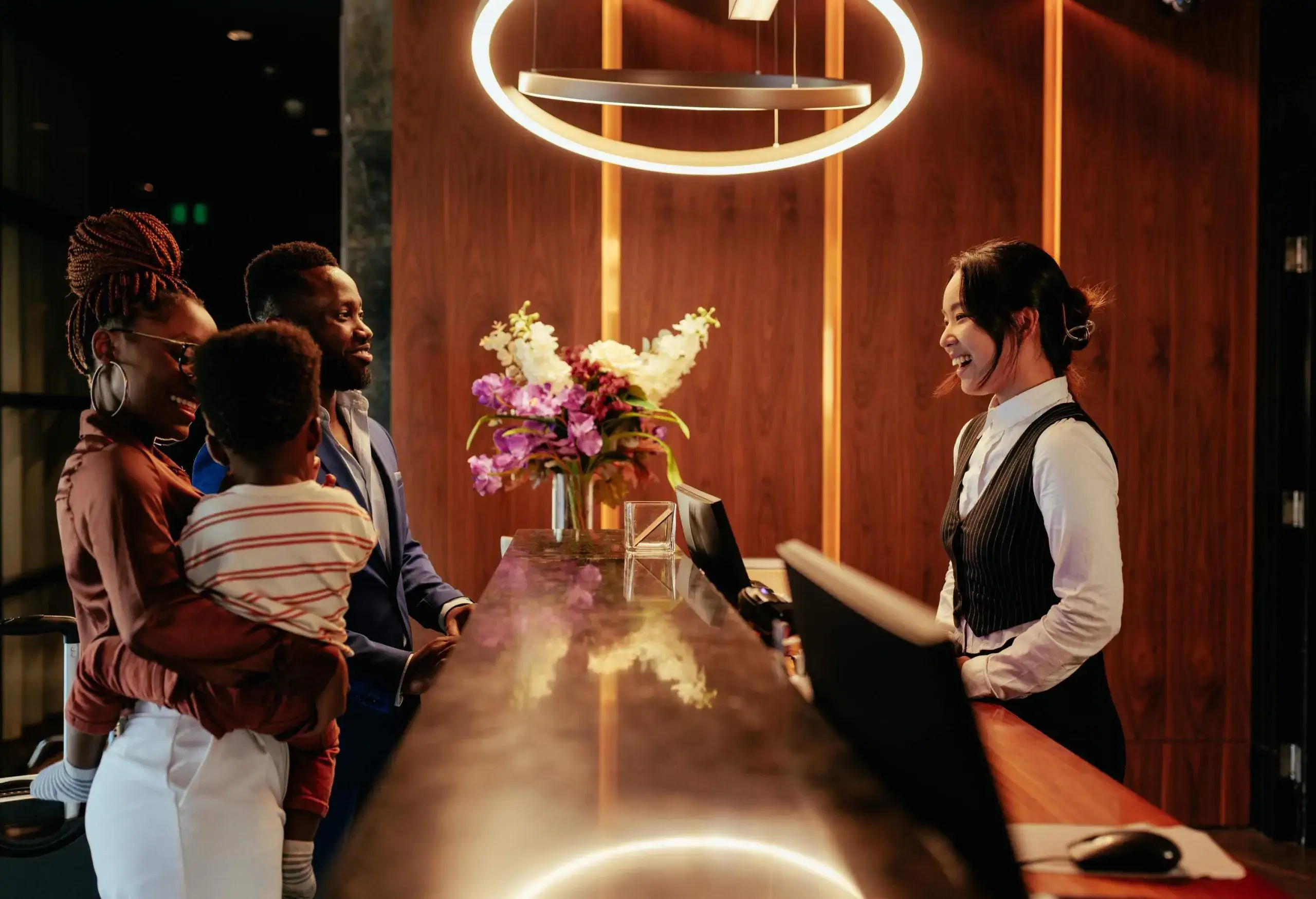
For business travelers with critical early-morning meetings, the only guaranteed way to ensure your room is available at 5:00 AM is to book the room for the previous night. By paying for an extra night, you ensure that the room remains vacant and ready for your arrival, regardless of when you walk through the doors of a property like the St Regis Hotel.
Navigating Late-Night Check-ins
Late-night arrivals are common in international travel, especially when connecting through major hubs like Dubai or London. While most hotels offer 24-hour reception, arriving after midnight requires a different approach to ensure your room is held.
Communicating Your Late Arrival
If you fail to inform the hotel of a late arrival, you risk the property assuming you are not coming. Many hotels have an automated system that flags a room for release if the guest has not arrived by a certain hour. Always inform the reservation desk of your expected arrival time. If you are staying at a smaller, independent lodge or a property in a quieter region like the Swiss Alps, they may not have a 24-hour staff presence, and arriving late could leave you locked out.
Utilizing Digital Keys
Many modern chains, such as those owned by InterContinental Hotels Group, now offer digital key technology through their mobile apps. This allows guests to bypass the front desk entirely. If you have checked in digitally, you can head straight to your room, which is particularly beneficial if you arrive in the middle of the night when the lobby is quiet or understaffed.
Amenities While You Wait
When your room isn’t ready, your vacation doesn’t have to be on hold. Most high-end properties, such as the Waldorf Astoria, offer comprehensive services to bridge the gap between your arrival and your check-in time.
Luggage Storage
Every professional hotel will securely store your bags. This allows you to immediately begin exploring the local area or head to a local café for a coffee. Simply drop your luggage with the bellhop or at the front desk, receive a claim ticket, and return once the room is prepared.
Access to Facilities
One of the best-kept secrets of hotel travel is that you have access to the property’s amenities even before you check into your room. You can often head to the pool, use the fitness center, or enjoy the spa at a resort in Mexico or the Caribbean while you wait. Some hotels even offer “hospitality suites” or change rooms equipped with showers, allowing you to freshen up after a long flight before you head out to explore the city.
Concierge Support
Don’t underestimate the utility of the concierge desk during your waiting period. They can recommend breakfast spots, provide walking maps, or assist in booking tours, turning an inconvenient waiting period into the first highlight of your trip. By embracing the flexibility of the hotel, you can transform a logistical challenge into an opportunity to experience the destination on your own terms. Whether you are checking into a high-rise in Tokyo or a safari camp in Kenya, proactive communication remains the golden key to ensuring that whenever you arrive, your hospitality experience begins on a high note.
LifeOutOfTheBox is a participant in the Amazon Services LLC Associates Program, an affiliate advertising program designed to provide a means for sites to earn advertising fees by advertising and linking to Amazon.com. Amazon, the Amazon logo, AmazonSupply, and the AmazonSupply logo are trademarks of Amazon.com, Inc. or its affiliates. As an Amazon Associate we earn affiliate commissions from qualifying purchases.