
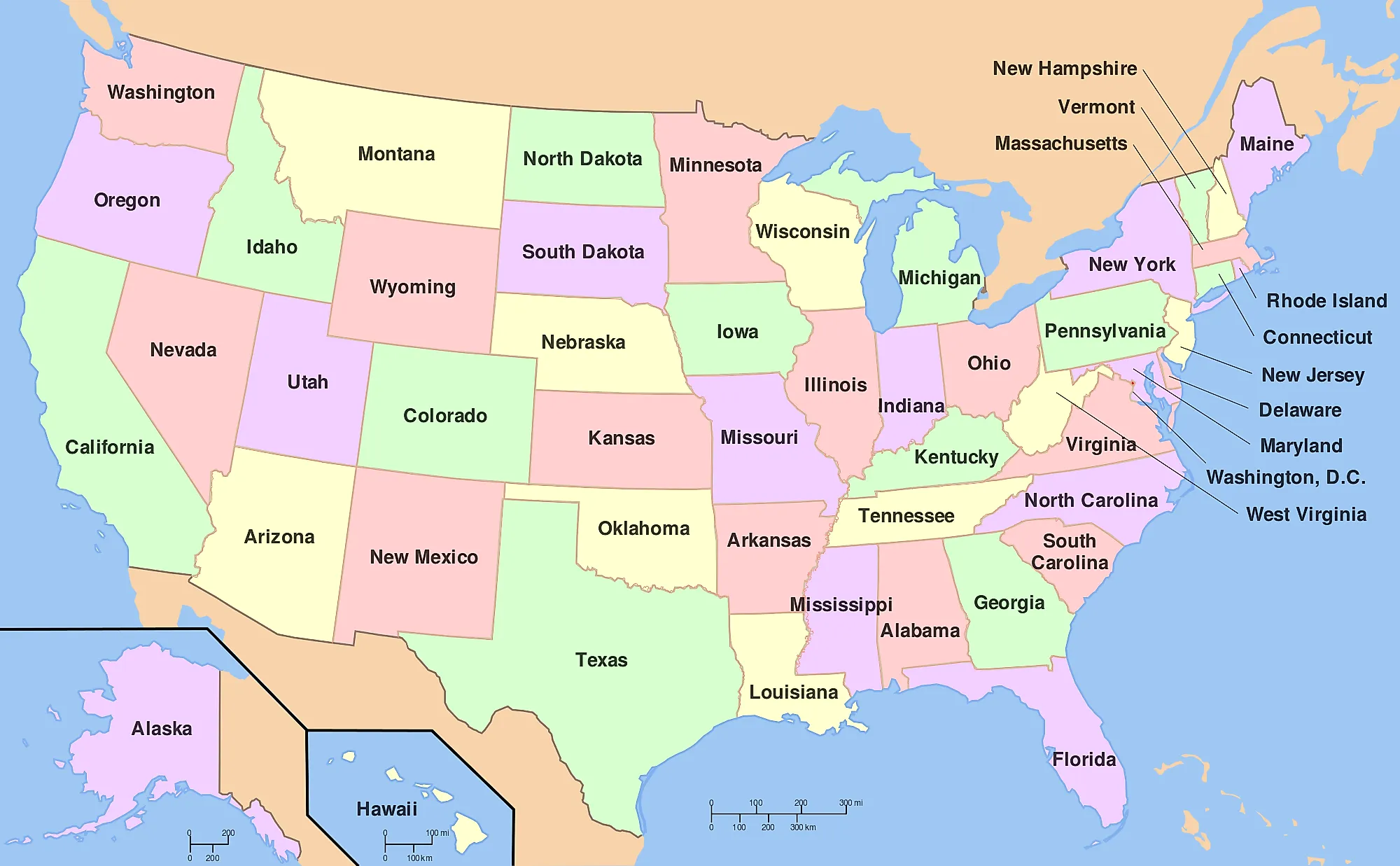
Geography often defines the character of a place, and for Nebraska, its location at the heart of the United States creates a unique crossroads of culture and landscape. As a landlocked state in the Great Plains, its neighbors contribute significantly to its identity. Understanding the borders of this state is not merely an exercise in map-reading; it is an invitation to explore the interconnected regions of the American Midwest and the West. With six bordering states, Nebraska serves as a bridge between the humid farmlands of the east and the rugged, high-altitude terrain of the Rockies.

The Northern Border: South Dakota
To the north, Nebraska shares a long and storied border with South Dakota. This region is defined by a dramatic transition in topography. As travelers move from the fertile river valleys of the south into the northern reaches, the landscape begins to shift toward the dramatic geological formations iconic to the Dakotas.
Geographic Transitions
The boundary line between these two states is a straight latitude line, but the terrain is anything but uniform. Near the Niobrara River, the environment changes from rolling prairies to deep, forested canyons. This area provides a natural sanctuary for diverse wildlife and offers some of the most scenic vistas in the Midwest.
Historical and Cultural Links
The connection between Nebraska and South Dakota is rooted in the shared history of the Great Sioux Reservation and the expansion of the western frontier. Today, this border region serves as a gateway for those traveling toward the Black Hills and Mount Rushmore, making it a vital corridor for interstate tourism.
The Eastern and Southeastern Frontiers: Iowa and Missouri
Moving east, Nebraska is bounded by the Missouri River, which serves as a natural border separating the state from Iowa and a small portion of Missouri. This river has historically acted as both a barrier and a conduit for trade, exploration, and settlement.
The Significance of the Missouri River
The Missouri River is more than just a political boundary; it is the lifeblood of the eastern edge of Nebraska. Cities like Omaha have thrived precisely because of their position along this waterway. The river has facilitated the growth of major transit hubs, connecting the agricultural heartland to the wider world. The cultural exchange between Nebraska and Iowa is particularly strong here, with the Omaha-Council Bluffs metropolitan area functioning as a single, cohesive unit despite being divided by the state line.
Southern Gateways
As the Missouri River flows south, it marks the brief border with Missouri. While this segment is shorter than the northern or western boundaries, it remains a critical link for regional commerce. The Loess Hills run parallel to this corridor, offering travelers unique geological features that are rare to find elsewhere in the country. This stretch is a testament to how the rivers of the Plains shaped the development of American expansion.
The Western and Southern Borders: Wyoming, Colorado, and Kansas
If the eastern side of Nebraska is defined by water, the western and southern sides are defined by the rising elevation of the American West. Sharing borders with Wyoming, Colorado, and Kansas, Nebraska finds its western identity firmly planted in the high plains.
Bridging the Plains and the Rockies
The western border with Wyoming and the southwestern border with Colorado signify a shift toward the Rocky Mountains. In regions like the Nebraska Panhandle, the elevation rises, and the environment transitions into the shortgrass prairie. Sites such as Scotts Bluff National Monument serve as prominent landmarks that echo the experiences of pioneers traveling the Oregon Trail.
The Kansas Connection
To the south lies Kansas, a state that shares much of Nebraska’s agricultural heritage. The border here is a sprawling expanse of farmland, small towns, and deeply rooted rural traditions. The agricultural output of this region—including wheat, corn, and cattle—is a hallmark of the Great American Desert, a term once used to describe this land, which has since been transformed into one of the most productive farming regions on the planet.
Exploring the Intersection of Landscapes
The borders of Nebraska offer a masterclass in American geography. Because the state is so centrally located, it encapsulates the variety of the nation’s interior. Each neighboring state brings a distinct influence, and traveling these borders allows visitors to witness how the landscape gradually evolves.
Why the Borders Matter for the Traveler
For those interested in regional travel, the edges of Nebraska are where the most interesting shifts occur. Whether you are driving north toward the pine-dotted ridges of the Dakotas or heading west toward the shadows of the Front Range, the state’s position provides a perfect starting point for longer expeditions.
Unique Landmarks Along the Lines
- The Niobrara National Scenic River: Located near the northern border, this is a prime destination for outdoor enthusiasts.
- Chimney Rock: Standing as a beacon for those traveling west toward the Colorado and Wyoming borders, this National Historic Site remains a powerful symbol of westward expansion.
- The Lewis and Clark National Historic Trail: Following the Missouri River, this route connects the state’s eastern border to the broader history of the American exploration effort.
By understanding the states that border Nebraska, one gains a deeper appreciation for the state’s role as the “Good Life” intersection. The proximity to Iowa’s rolling hills, the rugged spirit of South Dakota, the high-altitude inspiration of Colorado and Wyoming, and the agricultural solidarity of Kansas all weave together to form the unique tapestry of Nebraska.
Whether you are navigating the riverways of the east or gazing toward the mountainous horizon in the west, these boundaries serve as constant reminders of the vast, interconnected nature of the American landscape. Nebraska stands not as an island, but as a central player in the diverse and expansive narrative of the United States. Traveling through these border zones offers a rare opportunity to see how topography, history, and community blend seamlessly across state lines, creating a journey that is as educational as it is visually arresting. For the inquisitive traveler, Nebraska is not just a destination to pass through; it is the anchor point for a profound exploration of the American heartland.
LifeOutOfTheBox is a participant in the Amazon Services LLC Associates Program, an affiliate advertising program designed to provide a means for sites to earn advertising fees by advertising and linking to Amazon.com. Amazon, the Amazon logo, AmazonSupply, and the AmazonSupply logo are trademarks of Amazon.com, Inc. or its affiliates. As an Amazon Associate we earn affiliate commissions from qualifying purchases.