
Colorado, known for its majestic Rocky Mountains, pristine rivers, and arid high-desert plains, has a unique and often misunderstood relationship with water. For visitors and new residents alike, questions often arise regarding everyday practices that might be taken for granted in other parts of the world, such as collecting rainwater. Understanding the intricacies of Colorado’s water laws is not just a matter of legal compliance but also offers a fascinating insight into the state’s history, environment, and the delicate balance of its natural resources. The short answer to the question is: yes, but with specific, well-defined limitations that reflect centuries of water management philosophy.

The Unique Water Rights Landscape of Colorado
To fully grasp why rainwater collection is regulated in Colorado, one must first understand the state’s foundational water law: the Doctrine of Prior Appropriation. Unlike riparian rights, which grant landowners adjacent to a water body the right to use its water, Colorado operates under a “first in time, first in right” system. This principle, established during the Gold Rush era of the mid-19th century, dictates that the first person to divert water from a stream or river and put it to beneficial use has a senior right to that water. Subsequent users have junior rights, meaning their access to water can be curtailed during times of scarcity to ensure senior rights holders receive their full allocation.
This system was developed out of necessity in an arid region where water was, and remains, a precious commodity. Miners and farmers needed reliable access to water, often diverting it far from its natural course. The Doctrine of Prior Appropriation provided a framework for managing these competing demands, ensuring that investments in water infrastructure were protected. Every drop of water, whether it falls as rain or snow, is considered part of an interconnected system that eventually feeds into surface streams and rivers, and ultimately, existing water rights. This is why even seemingly innocuous acts like collecting rainwater on one’s property have historically been subject to regulation.
Modern Rainwater Collection Laws: A Shift in Policy
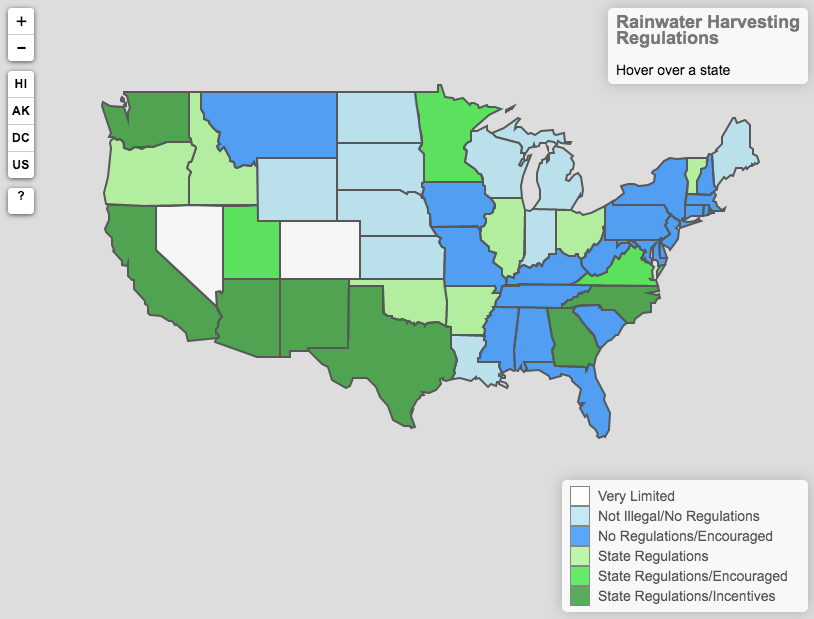
For decades, collecting rainwater in Colorado was largely illegal for residential use, a stark contrast to many other states where it’s encouraged for sustainability. This prohibition was rooted in the fear that capturing precipitation would diminish the flow in streams and rivers, thereby infringing upon existing senior water rights downstream. However, as public awareness of water conservation grew, and with technological advancements making rainwater harvesting more efficient, the pressure to reform these laws mounted.
The turning point came in 2016 with the passage of House Bill 16-1005 (HB 16-1005). This landmark legislation significantly altered the landscape of rainwater collection in Colorado, making it legal for homeowners to collect precipitation from their rooftops. This change was not without extensive debate and careful consideration of its potential impacts on water rights. The bill aimed to strike a balance between promoting water conservation and protecting the established prior appropriation system.
What the Law Allows
Under HB 16-1005, residential property owners are permitted to collect rainwater from the rooftops of their homes or other buildings on their property. However, there are strict limitations:
- Maximum Capacity: A household can collect a maximum of two rain barrels, with a combined storage capacity not exceeding 110 gallons. This limit is crucial. It ensures that the amount of water diverted from the natural system remains relatively small, minimizing any measurable impact on downstream water rights holders.
- Permitted Use: The collected rainwater must be used only on the property where it was collected. This means it cannot be transported to another location.
- Beneficial Use: The collected water must be used for outdoor non-potable purposes, such as watering gardens, lawns, or indoor plants. It cannot be used for drinking, cooking, or other indoor potable uses unless it undergoes proper treatment, which adds another layer of complexity and cost.
- Property Type: The law applies to single-family homes and multi-family residences with four or fewer units. Larger commercial or industrial properties, or properties with more than four residential units, still require a water right or a specific augmentation plan to collect rainwater.
These regulations reflect the careful legal tightrope Colorado walks between modernization and tradition in water management. The 110-gallon limit, for instance, was scientifically determined to be a de minimis amount, meaning it’s unlikely to cause material injury to existing water rights.
Understanding the Broader Context for Tourists and Residents
For anyone visiting or considering a move to Colorado, understanding these water laws is more than just trivia; it’s a key piece of the local culture and environmental ethos. The state’s relationship with water shapes everything from agricultural practices in the eastern plains to the ski resorts in the mountains, and even urban planning in cities like Denver and Colorado Springs.
While a tourist might not be setting up rain barrels, this knowledge provides context for water conservation efforts they’ll observe, such as xeriscaping in public parks or water-wise landscaping requirements in new developments. For those considering a longer stay or property ownership, these regulations are directly applicable and highlight the importance of responsible water stewardship in a region constantly mindful of its finite resources.
Why the Restrictions? The Interconnected Water Cycle
The fundamental reason behind Colorado’s cautious approach to rainwater harvesting lies in the intricate hydrological cycle and the legal framework that governs it. In most of Colorado, precipitation eventually becomes part of the surface and groundwater systems. Rain that falls on land either evaporates, is absorbed by plants, or runs off into streams and rivers. Some infiltrates the ground to recharge aquifers. All these pathways ultimately contribute to the water supply that has been legally appropriated by various users over the decades and centuries.

Surface Water vs. Groundwater Integration
Colorado law views surface water and tributary groundwater as fundamentally interconnected. This means that water extracted from a shallow well that is hydraulically connected to a river is treated similarly to water directly diverted from the river. The same logic applies to rainwater. If collected and not allowed to flow into its natural course, it’s considered a diversion from the overall water system.
Impact on Downstream Users
Consider the Colorado River, a vital artery not just for Colorado but for seven states and parts of Mexico. Every drop of water in the Colorado River basin is accounted for and allocated. If widespread, unregulated rainwater collection were permitted, it could cumulatively reduce the flow in tributaries and main stems, thereby harming senior water rights holders who depend on that water for agriculture, municipal supply, or industrial uses. These senior rights holders often include farmers who have cultivated the land for generations, relying on their water rights to sustain their livelihoods.
The 110-gallon limit under HB 16-1005 is a carefully calculated figure designed to allow individual homeowners to engage in a sustainable practice without materially impacting these existing water rights. It acknowledges the public’s desire for conservation while upholding the long-standing legal framework essential to the state’s economy and stability.
Practical Tips for Colorado Residents and Visitors
For those looking to engage with Colorado’s environment responsibly, whether as a temporary visitor or a long-term resident, understanding water laws offers valuable insights and practical guidance.
Permitted Uses of Collected Water
If you reside in Colorado and plan to utilize rainwater collection, remember the strict guidelines. The collected water is ideal for:
- Gardening: Watering outdoor plants, vegetable gardens, and flowers.
- Landscaping: Maintaining lawns and shrubs, particularly in times of drought.
- Indoor Plants: Sustaining houseplants.
Crucially, always ensure you are within the 110-gallon capacity limit and that the water is used exclusively on the property where it was collected. These are not merely suggestions but legal requirements. Violations can lead to fines, though enforcement generally focuses on significant diversions rather than minor infractions.
Sustainable Practices Beyond Rainwater Harvesting
Colorado’s water challenges extend beyond rainwater collection. The state actively promotes a range of water-wise practices. For tourists, observing these practices provides a window into local efforts. For residents, adopting them is a civic responsibility.
- Xeriscaping: Using drought-tolerant plants native to the Colorado climate. This is widely seen in public spaces and residential areas, particularly in drier urban centers.
- Efficient Irrigation: Installing drip irrigation systems or smart controllers that adjust watering based on weather conditions.
- Water-Saving Appliances: Using low-flow toilets, showerheads, and energy-efficient washing machines.
- Conscious Consumption: Simply being mindful of water usage in daily activities, from shorter showers to promptly fixing leaks.
Many local municipalities in Colorado, such as the City of Boulder or Denver Water, offer rebates and educational programs to encourage these sustainable practices. Engaging with these resources can not only save money but also contribute to the long-term health of Colorado’s water supply.
Resources for Further Information
For the most current and detailed information on Colorado water law and rainwater harvesting, consulting official state resources is always recommended. The Colorado Division of Water Resources and the Colorado Water Conservation Board are excellent starting points. These agencies provide detailed guides, FAQs, and contact information for specific inquiries. Understanding these regulations is part of appreciating the complex, yet fascinating, interplay between human activity and the natural environment in this remarkable Western state.
LifeOutOfTheBox is a participant in the Amazon Services LLC Associates Program, an affiliate advertising program designed to provide a means for sites to earn advertising fees by advertising and linking to Amazon.com. Amazon, the Amazon logo, AmazonSupply, and the AmazonSupply logo are trademarks of Amazon.com, Inc. or its affiliates. As an Amazon Associate we earn affiliate commissions from qualifying purchases.