
Stepping off a plane in Honolulu, the first thing most visitors notice is not just the warm, plumeria-scented air, but the melodic cadence of the local speech. For those planning a journey to the Hawaii islands, understanding the linguistic landscape is more than just a practical necessity; it is a gateway into the soul of the islands’ rich history and vibrant community. While Hawaii is the 50th state of the United_States, its isolation in the middle of the Pacific Ocean and its complex history have fostered a unique environment where multiple languages coexist, evolve, and thrive.
The Official Languages: English and ‘Ōlelo Hawai‘i
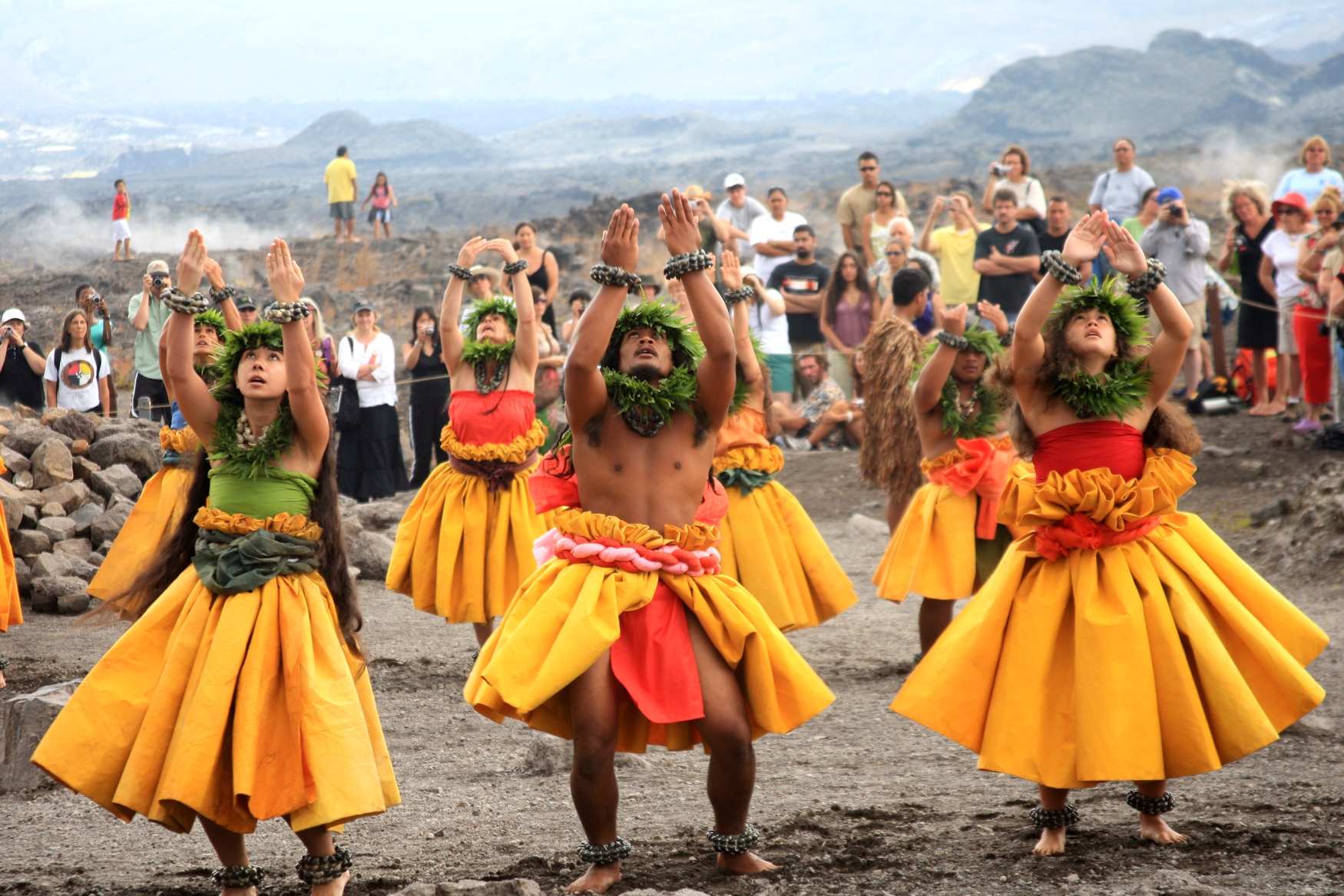
Hawaii holds the distinction of being the only state in the United States with two official languages: English and Hawaiian (known locally as ‘Ōlelo Hawai‘i). This dual-language status reflects a deep commitment to preserving the indigenous culture that existed long before the arrival of Western explorers.
The Legal Status of the Hawaiian Language
In 1978, during a period of cultural resurgence often referred to as the Hawaiian Renaissance, the state constitution was amended to recognize Hawaiian as an official language. While English is the primary language used for business, government, and education across the islands of Oahu, Maui, and Kauai, you will see the influence of the Hawaiian language everywhere. Street signs, government documents, and public announcements often feature both languages.
For travelers, this is most visible at landmarks like Pearl Harbor or Iolani Palace, where historical contexts are presented in both tongues. Even at modern resorts such as the Hilton Hawaiian Village or the Aulani Disney Resort, the use of ‘Ōlelo Hawai‘i is a standard practice to welcome guests and provide an authentic cultural experience.
The Renaissance of ‘Ōlelo Hawai‘i
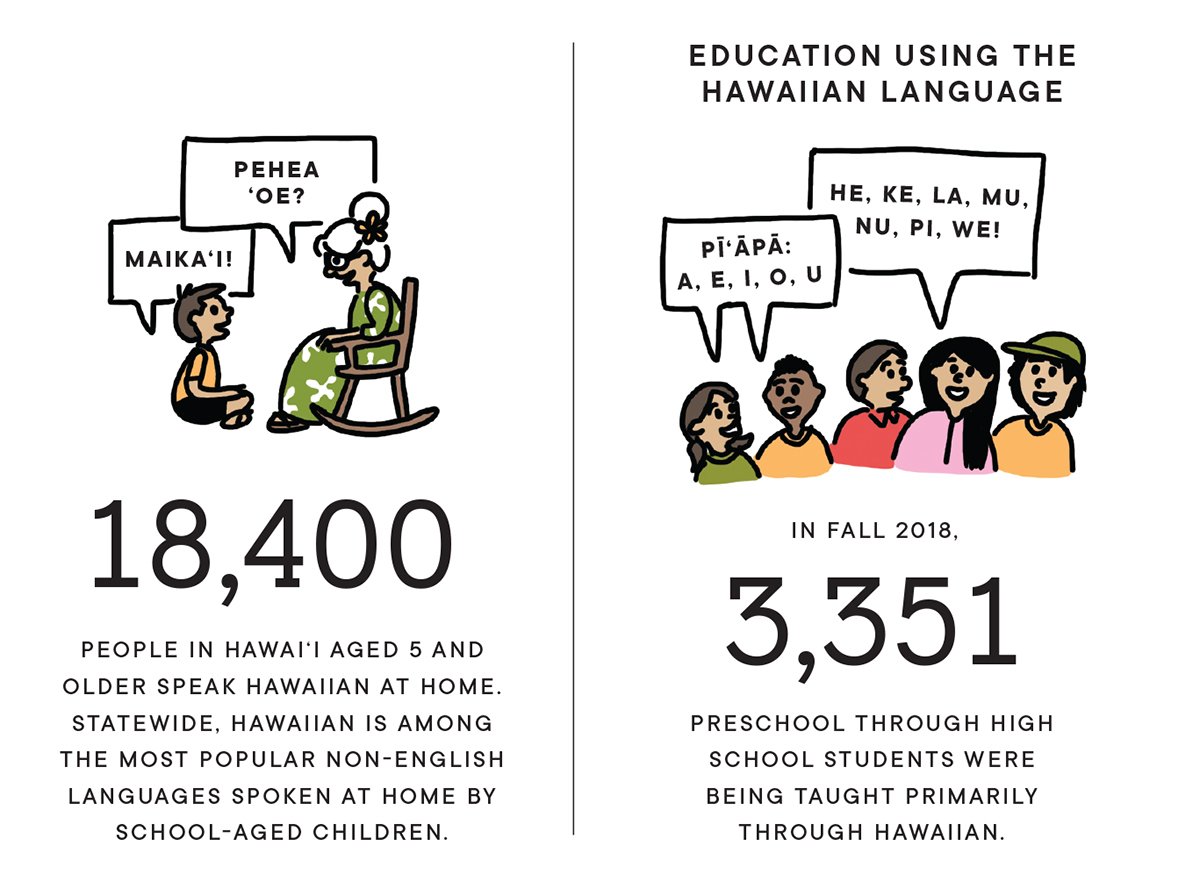
For many decades, the Hawaiian language was in danger of extinction. Following the overthrow of the Hawaiian Kingdom, the language was banned from schools in 1896, leading to a sharp decline in native speakers. However, the last forty years have seen a remarkable turnaround. Programs like Pūnana Leo (language immersion preschools) and the efforts of the University of Hawaii have revitalized the language among younger generations.
While you may not hear locals conversing exclusively in Hawaiian at a grocery store in Hilo or a cafe in Lahaina, the language remains a vital part of ceremonial life, music, and hula. One notable exception is the island of Niihau, where a small, private community continues to speak Hawaiian as their primary first language, largely isolated from outside linguistic influences.
Understanding Hawaii Creole English (Pidgin)
If you find yourself wandering the North Shore or browsing the shops in Waikiki, you will likely overhear a rhythmic, fast-paced dialect that sounds familiar yet distinct from standard English. This is Hawaii Creole English, colloquially known as “Pidgin.”
The Origins of Pidgin on the Plantations
Pidgin is the true “lingua franca” of the islands, born out of necessity during the 19th-century plantation era. As laborers arrived from Japan, China, the Philippines, Portugal, and Puerto Rico to work on sugar and pineapple plantations, they needed a way to communicate with one another and their English-speaking overseers.
The resulting creole is a fascinating linguistic stew. It utilizes English as its base but incorporates vocabulary, grammar, and intonation from all these diverse cultures. For example, the Portuguese influence is found in the use of “stay” (similar to the Portuguese ‘estar’) to describe a location or state of being. The grammatical structure often mirrors Asian sentence patterns, creating a dialect that is incredibly expressive and efficient.
Common Pidgin Phrases for Travelers
While visitors are not expected to speak Pidgin—and attempting it without a deep understanding can sometimes be seen as disrespectful—knowing a few common terms can help you navigate local interactions. If a local tells you the food is “broke da mouth,” they are giving it the highest compliment for being delicious. If you are told to go “mauka,” it means to head toward the mountains; if you are told to go “makai,” you should head toward the sea. These directional terms are used by everyone, from surfers on the Big Island to commuters in the heart of Honolulu.
Linguistic Diversity in the Aloha State
Because of its central location in the Pacific Ocean, Hawaii is a melting pot of global cultures. This diversity is reflected in the dozens of languages spoken daily across the archipelago.
Influence of Immigrant Communities
The legacy of the plantation era continues to shape the sounds of Hawaii today. According to census data, nearly one in four households in the state speaks a language other than English at home. Tagalog and Ilocano, languages of the Philippines, are among the most widely spoken, followed closely by Japanese and Spanish.
In neighborhoods like Kalihi or when visiting agricultural hubs like Kona, you may hear a tapestry of international tongues. This multiculturalism is also a primary driver of the local food scene. When you visit a “plate lunch” spot near Hanauma Bay, the menu itself is a linguistic lesson, featuring Japanese “katsu,” Korean “kalbi,” and Hawaiian “laulau” all in one place.
Polynesian Roots and Connections
The Hawaiian language belongs to the Austronesian family, specifically the Polynesia sub-branch. This means it shares deep roots with languages spoken in Tahiti, Samoa, and New Zealand. For guests visiting the Polynesian Cultural Center on Oahu, the linguistic similarities between these island nations are often highlighted. Words like “tapu” in other islands become “kapu” (sacred or forbidden) in Hawaii, illustrating the shared heritage of the seafaring people who first discovered these islands.
Cultural Etiquette and the Power of Words
In Hawaii, words are believed to have “mana,” or spiritual power. Therefore, how you use the language is just as important as the words themselves. Tourism in Hawaii is heavily centered on respect for the land (aina) and the local people.
The Concept of Aloha and Pono
The word “Aloha” is perhaps the most famous Hawaiian word worldwide, but its meaning goes far beyond “hello” and “goodbye.” It represents a spirit of love, compassion, and peace. Similarly, “Pono” refers to righteousness and balance. When locals speak of doing what is “pono,” they are referring to a moral compass that guides life in the islands.
When visiting sensitive natural sites like Volcanoes National Park or the summit of Mauna Kea, understanding these concepts helps travelers appreciate why certain areas are protected or why local guides speak with such reverence for the landscape.
Navigating Place Names and Pronunciation
Hawaiian pronunciation is remarkably consistent once you learn the basics. The alphabet consists of only 12 letters: five vowels (A, E, I, O, U) and seven consonants (H, K, L, M, N, P, W). Additionally, the ‘okina (a glottal stop represented by a backward apostrophe) and the kahakō (a macron over a vowel) are essential for correct pronunciation and meaning.
For example, when staying at the Grand Hyatt Kauai Resort and Spa on the island of Kauai, you might notice the distinct pronunciation of local towns like Koloa or Waimea. Making an effort to pronounce these names correctly—by sounding out every vowel—is a sign of respect that locals deeply appreciate.
Tips for Travelers: Communicating Like a Local
While you will have no trouble getting by with English at your hotel in Waikiki, incorporating local terminology can enrich your travel experience and foster better connections with the people you meet.
Essential Vocabulary for Your Trip
Here are a few words and phrases that every traveler should know:
- Mahalo: Thank you. You will hear this everywhere, from the Bishop Museum to the smallest food truck on the Road to Hana.
- Keiki: Child. Often seen on “keiki menus” at restaurants.
- Kama‘āina: Local resident. You may see “kama‘āina rates” at attractions like Diamond Head, though these are reserved for those with state ID.
- Ohana: Family. This term encompasses both blood relatives and close friends.
- Pau: Finished. If a server asks if you are “pau,” they want to know if they can take your plate.
Respecting the Oral Tradition
Language in Hawaii was traditionally oral. History, genealogy, and laws were passed down through chants (mele) and stories. Even today, the way stories are told in the islands—often referred to as “talking story”—is a relaxed, communal activity. Whether you are taking a surf lesson in Kaanapali or visiting a coffee farm in Holualoa, take the time to listen. The linguistic landscape of Hawaii is not just about the words spoken, but the history they carry and the connections they build between the people and the islands they call home.
LifeOutOfTheBox is a participant in the Amazon Services LLC Associates Program, an affiliate advertising program designed to provide a means for sites to earn advertising fees by advertising and linking to Amazon.com. Amazon, the Amazon logo, AmazonSupply, and the AmazonSupply logo are trademarks of Amazon.com, Inc. or its affiliates. As an Amazon Associate we earn affiliate commissions from qualifying purchases.