
When planning a trip to the vibrant metropolis of New York City, a myriad of details spring to mind: which iconic landmarks to visit, the best New York pizza joints, the most comfortable accommodation options, and how to navigate the bustling streets. Amidst these exciting considerations, a more practical, yet equally important, question often arises for travelers: can you safely drink tap water in New York City? The answer, for the vast majority of visitors, is a resounding yes. In fact, New York City’s tap water is not only safe but often lauded for its exceptional quality.
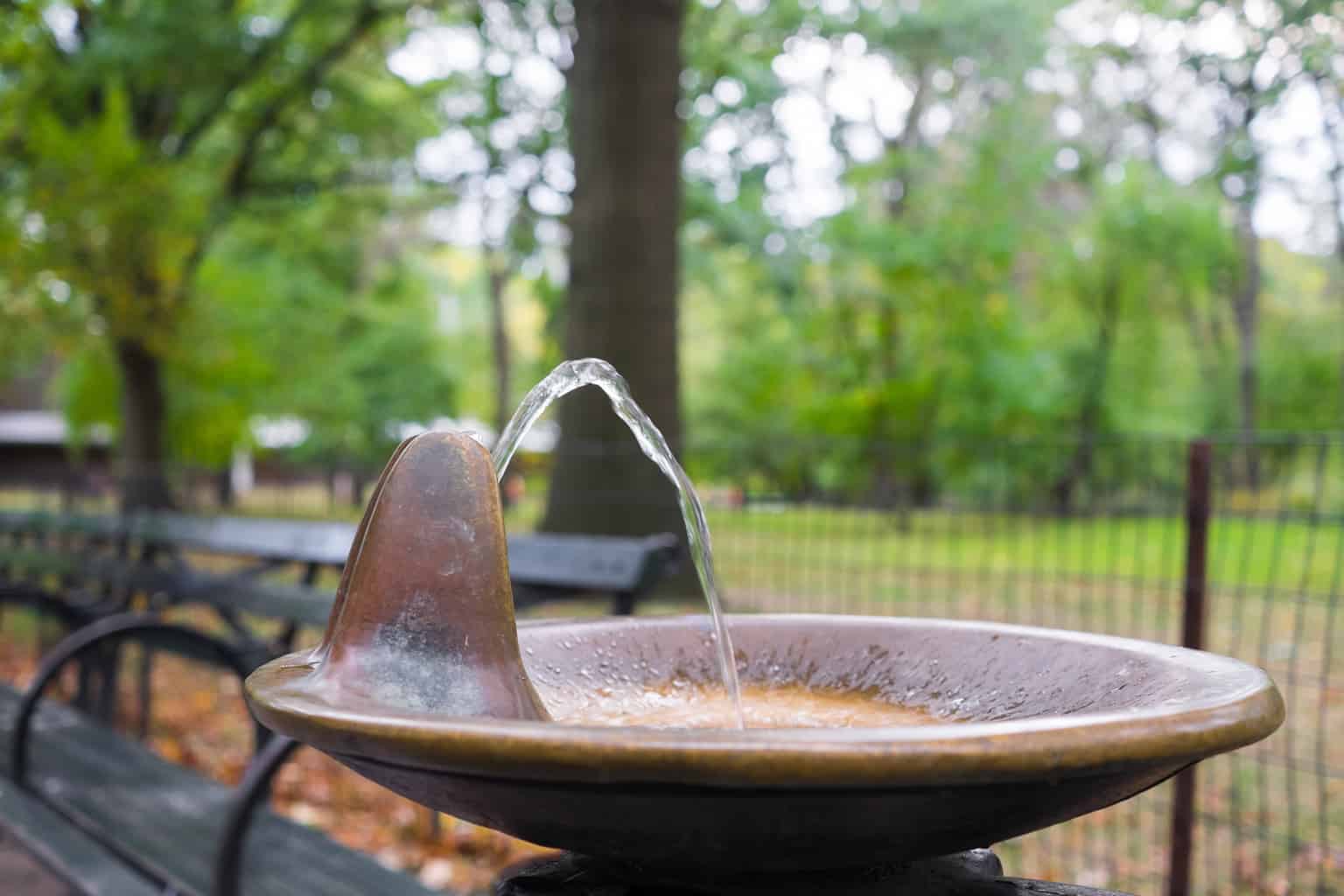
This comprehensive guide delves into the safety and quality of New York City’s tap water, exploring its sources, treatment processes, and the reasons behind its high standards. We’ll also offer practical tips for travelers, from choosing reusable water bottles to understanding local regulations, ensuring your New York adventure is both enjoyable and worry-free. Whether you’re staying in a luxurious suite at the Plaza Hotel or a budget-friendly apartment in Brooklyn, understanding your hydration options is key to a seamless travel experience.
The Source of the City’s Hydration: A Journey from Mountains to Metropolis
The remarkable quality of New York City’s tap water can be attributed to its unique and extensive water system, which draws water from vast reservoirs nestled in protected watershed areas located far upstate. These regions, primarily in the Catskill Mountains and the Delaware River watershed, are largely undeveloped and free from significant industrial or agricultural pollution. This natural pristine environment is the first line of defense in ensuring the purity of the water before it even reaches the city.
A Natural Reservoir System
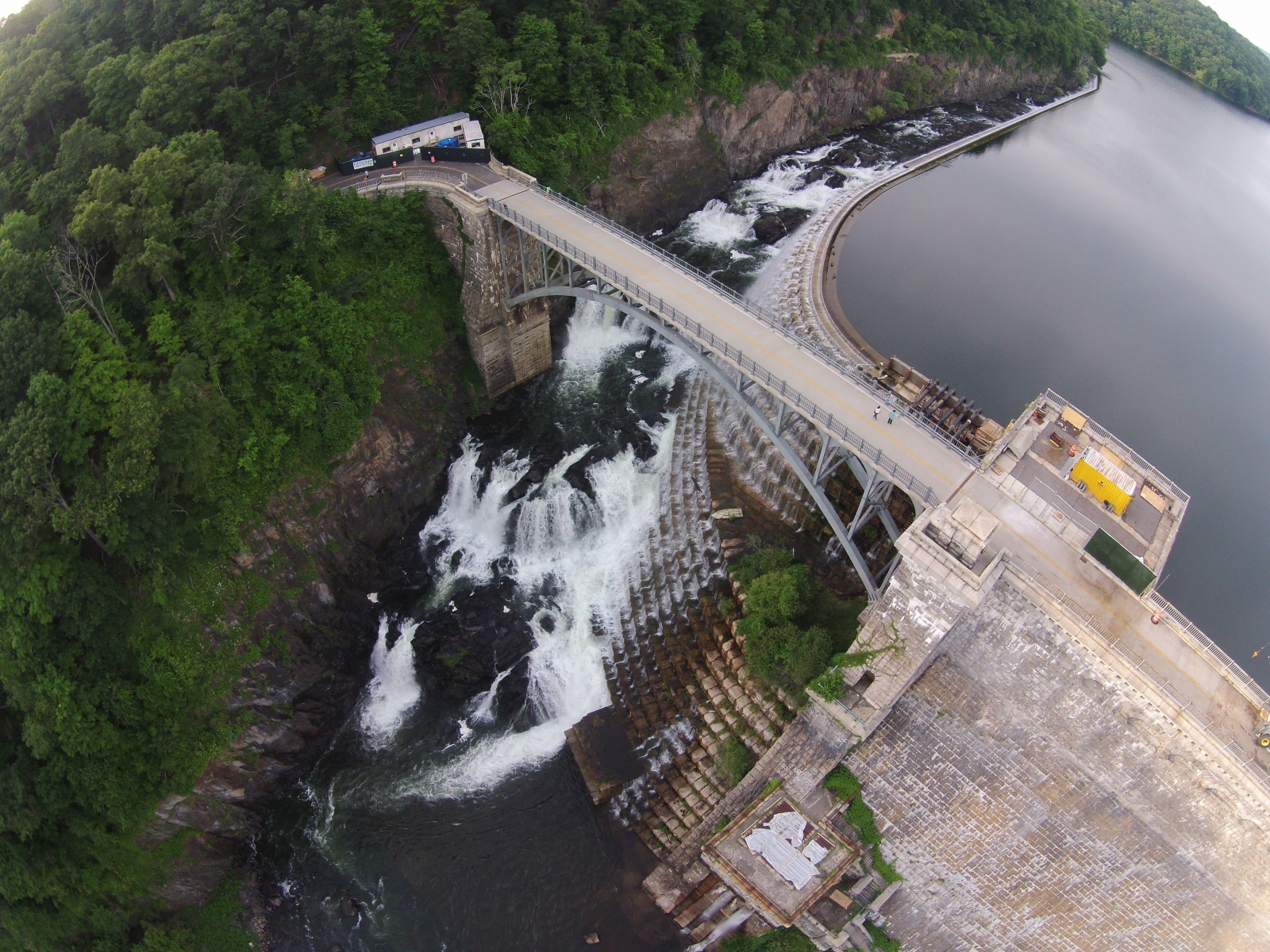
New York City boasts one of the largest unfiltered water systems in the United States. This is a significant achievement, as most other major cities require extensive filtration for their water supply. The natural geography of the Catskill and Delaware watersheds provides a vast network of reservoirs and lakes, including the Ashokan Reservoir, Rondout Reservoir, and Cannonsville Reservoir, which store billions of gallons of water. These reservoirs are fed by rainfall and snowmelt, creating a sustainable and natural water source. The high elevation of these sources also allows for gravity to play a crucial role in delivering water to the city, minimizing the need for energy-intensive pumping.
The protected nature of these watersheds is paramount. The New York City Department of Environmental Protection (DEP) works diligently to preserve the ecological integrity of these areas. This includes land acquisition, stringent regulations on land use, and ongoing monitoring to prevent contamination. This proactive approach to watershed management is a key factor that allows New York City to bypass the extensive filtration process required by many other urban centers.
The Journey Downhill: Aqueducts and Tunnels
From these upstate reservoirs, the water embarks on a remarkable journey to the five boroughs of New York City. This is accomplished through an intricate network of aqueducts and tunnels, some of which are engineering marvels dating back over a century. The Catskill Aqueduct and the Delaware Aqueduct are two of the most significant conduits, stretching for over 100 miles. These massive structures, largely underground, transport the water safely and efficiently.
Once the water arrives in the city, it enters the distribution system, a vast network of pipes that deliver it to every tap, faucet, and fountain across New York, Brooklyn, Queens, The Bronx, and Staten Island. While the system is extensive and ancient in parts, constant investment and maintenance ensure its integrity. The New York City DEP regularly inspects and repairs these pipes to prevent leaks and maintain water quality throughout the distribution network.
Quality and Safety: Rigorous Testing and Public Health
The safety of New York City’s tap water is not left to chance. The New York City Department of Environmental Protection (DEP) adheres to strict federal and state regulations, implementing rigorous testing protocols to ensure the water is safe for consumption. These protocols go above and beyond federal requirements, reflecting the city’s commitment to public health and the quality of its most essential resource.
Beyond Federal Standards: A Commitment to Purity
The U.S. Environmental Protection Agency (EPA) sets the national standards for drinking water quality. However, New York City often exceeds these requirements. The DEP conducts hundreds of thousands of tests annually, analyzing water samples from the watersheds, reservoirs, aqueducts, and the distribution system. These tests measure a wide range of parameters, including chemical contaminants, bacteria, viruses, and physical characteristics such as turbidity and pH.

The results of these tests are publicly available, allowing residents and visitors to stay informed about their water quality. The DEP publishes an annual Water Quality Report, detailing the findings and demonstrating the consistent adherence to high standards. This transparency is a testament to the confidence New York City has in its water supply.
The Absence of Lead: A Crucial Distinction
One significant aspect contributing to the safety of New York City’s tap water is the relative absence of lead contamination. While lead can be a concern in older water systems due to lead pipes or solder, New York City has historically used different materials, and ongoing efforts have been made to replace lead service lines. The DEP actively monitors for lead and has implemented programs to address any potential issues. This proactive approach significantly reduces the risk of lead exposure from drinking tap water.
Making the Most of Your Hydration in the Big Apple: Practical Tips for Travelers
Knowing that New York City’s tap water is safe and high-quality is one thing; making the most of it as a traveler is another. Here are some practical tips to ensure you stay hydrated and enjoy the pristine taste of New York’s finest water throughout your visit.
Embrace the Reusable Bottle: A Sustainable and Savvy Choice
For any traveler, especially those exploring the wonders of New York City from the Statue of Liberty to Times Square, carrying a reusable water bottle is an environmentally conscious and economically sound decision. Instead of purchasing single-use plastic bottles, which contribute to waste and can be surprisingly expensive in tourist areas, simply refill your bottle at any public water fountain, hotel room, or restaurant.
New York City has a robust network of accessible water fountains, particularly in parks like Central Park and public facilities. Many cafes and restaurants are also happy to refill your personal bottle. This practice not only saves you money but also significantly reduces your environmental footprint, a responsible choice for any tourist.
Beyond the Tap: Understanding Other Water Options
While tap water is the primary and recommended source of hydration, it’s worth noting that bottled water is readily available throughout New York City in supermarkets, convenience stores, and restaurants. Some travelers may have personal preferences or specific health concerns that lead them to opt for bottled water. However, for general consumption, the tap water provides a superior and more sustainable alternative.
Sparkling water and seltzer water are also popular choices, and if you order these at a restaurant, you will likely be served a bottled variety. If you prefer sparkling water from the tap, you would typically need to specify this and potentially pay a small surcharge.
Staying Hydrated During Your Adventures
Whether you’re exploring world-class museums like the Metropolitan Museum of Art, catching a Broadway show, or simply wandering through the vibrant streets of Greenwich Village, staying hydrated is crucial. The energy of New York City can be invigorating, but it also demands that you replenish your fluids.
During warmer months, heat can be a significant factor. Ensure you’re drinking enough water to prevent dehydration. Likewise, during the colder months, the dry air, especially indoors, can also lead to dehydration. Always have your water bottle at hand.
When dining out, don’t hesitate to ask for a glass of tap water. It is standard practice in New York City restaurants, and it will be served promptly and free of charge. This is a simple yet effective way to stay hydrated throughout your meals.
By understanding the quality and safety of New York City’s tap water and adopting simple habits like carrying a reusable bottle, you can ensure your travel experience in this iconic city is not only memorable but also healthy and sustainable. Enjoy the refreshing taste of New York’s remarkable water, a true testament to the city’s commitment to its residents and visitors alike.
LifeOutOfTheBox is a participant in the Amazon Services LLC Associates Program, an affiliate advertising program designed to provide a means for sites to earn advertising fees by advertising and linking to Amazon.com. Amazon, the Amazon logo, AmazonSupply, and the AmazonSupply logo are trademarks of Amazon.com, Inc. or its affiliates. As an Amazon Associate we earn affiliate commissions from qualifying purchases.