
One of the most common questions posed by visitors to New York City – a bustling metropolis synonymous with world-class attractions, diverse culture, and endless energy – is often surprisingly fundamental: “Can I drink the tap water?” For travelers accustomed to varying water quality across different United States cities or international destinations, this is a perfectly valid and practical concern. The good news, and the definitive answer, is a resounding yes. New York City boasts some of the cleanest, safest, and highest-quality tap water in the world, a fact that often surprises those who associate big cities with pollution and compromised resources.
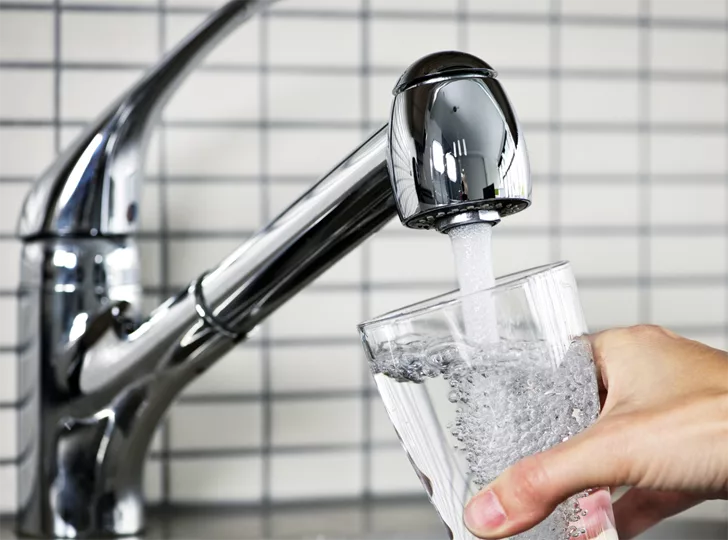
This isn’t just a matter of convenience; it’s a testament to over a century of meticulous engineering, environmental protection, and unwavering commitment to public health. For anyone planning their next adventure, navigating accommodation choices, or simply exploring the unique lifestyle of this iconic destination, understanding the exceptional quality of New York’s tap water can significantly enhance their travel experience. It affects everything from budget-friendly hydration to eco-conscious tourism, making it a crucial piece of information for every visitor.
The Unrivaled Source: A Natural Wonder Protected
What makes New York City’s tap water so exceptional? The secret lies in its pristine sources: a vast network of reservoirs and controlled watersheds located far upstate. The city primarily draws its water from two major watershed systems: the Catskill and Delaware Watersheds, which collectively span over 2,000 square miles across the Catskill Mountains and the Hudson Valley. These areas are largely undeveloped, mountainous regions, allowing for natural filtration as rainwater and snowmelt make their way into rivers and streams, eventually feeding into the city’s reservoirs.
The sheer scale and natural purity of these sources are key. Unlike many other major cities that rely on groundwater or rivers flowing through heavily populated or industrialized areas, New York City has the unique advantage of an upland watershed system. This means the water is naturally clean even before it undergoes treatment. This natural advantage has earned New York City a rare “Filtration Avoidance Determination” (FAD) from the United States Environmental Protection Agency (EPA). This waiver allows the city to largely forgo the expensive and energy-intensive filtration plants required by most other large municipalities, solely due to the superior quality of its untreated source water.
A Journey Through State-of-the-Art Infrastructure
From its pristine mountain origins, the water embarks on an impressive journey. It travels through a massive network of aqueducts and tunnels, primarily by gravity, covering distances of up to 125 miles. This gravity-fed system is not only environmentally friendly but also remarkably efficient, saving significant pumping costs. Before it reaches your tap, the water undergoes a rigorous treatment process, though it’s primarily for disinfection, not comprehensive filtration.
At facilities like the Kensico Reservoir in Westchester County, the water receives a blend of ultraviolet (UV) treatment and chlorine disinfection. UV light is highly effective at neutralizing cryptosporidium and giardia, two common waterborne parasites, while chlorine provides a residual disinfectant to protect the water as it travels through the distribution pipes to homes, hotels, and businesses across all five boroughs: Manhattan, Brooklyn, Queens, The Bronx, and Staten Island. Fluoride is also added to promote dental health.
The entire process is overseen by the NYC Department of Environmental Protection (DEP), which conducts approximately half a million tests annually, from the watersheds to the city’s distribution mains. These tests monitor for hundreds of potential contaminants, ensuring that the water consistently meets or exceeds stringent federal and state drinking water standards. This unparalleled level of testing and oversight guarantees that New York City’s tap water remains of superior quality, providing peace of mind for both residents and travelers.
The Traveler’s Perspective: Health, Budget, and Sustainability
For visitors exploring the vibrant streets and iconic landmarks of New York, understanding the quality of tap water has significant implications for their overall trip. From ensuring personal health and comfort to optimizing travel budgets and promoting sustainable tourism, embracing NYC Water can transform the travel experience.
Staying Healthy and Hydrated On-The-Go
Exploring New York City can be an exhilarating but physically demanding endeavor. Whether you’re pounding the pavement through Times Square, strolling through Central Park, or climbing the stairs of the Statue of Liberty, staying hydrated is crucial. The readily available and safe tap water means you don’t have to rely on expensive bottled alternatives or worry about waterborne illnesses.
Many major tourist attractions, museums like the Metropolitan Museum of Art and the American Museum of Natural History, parks such as Washington Square Park and the High Line, and even transportation hubs like Grand Central Terminal, have water fountains available. Carrying a reusable water bottle allows you to fill up frequently and conveniently, ensuring you remain energized throughout your adventures. This is especially important during the warmer months, when dehydration can quickly set in while exploring outdoor destinations like the Brooklyn Bridge or the Empire State Building observation deck.
Budget-Friendly Hydration for Every Trip
Cost is a significant factor for many travelers, whether they are on a luxury getaway or a tight budget. Bottled water in New York City can be surprisingly expensive, especially in tourist hotspots or convenience stores. A single bottle can cost anywhere from $2 to $5, and these costs add up quickly over the course of a multi-day trip for a family or even a solo traveler.
By confidently drinking tap water, visitors can save a substantial amount of money. Imagine the hundreds of dollars that could be reallocated from buying bottled water to enjoying an extra Broadway show, a delicious meal in Greenwich Village, or souvenirs from Rockefeller Center. This simple choice allows travelers to stretch their budget further, making a trip to New York more accessible and enjoyable. Many restaurants are also happy to provide tap water upon request, saving you from purchasing bottled versions.
Embracing Sustainable Travel Practices
Beyond personal health and financial benefits, choosing tap water contributes significantly to sustainable tourism. The environmental impact of bottled water is immense, from the energy used in manufacturing plastic bottles to the carbon footprint of transportation and the burden on landfills. Globally, billions of plastic water bottles are consumed annually, with many ending up in oceans and natural environments.
By opting for a reusable bottle and filling up with New York City’s excellent tap water, visitors actively participate in reducing plastic waste. This aligns perfectly with the growing global movement towards eco-conscious travel and responsible tourism. Many hotels, recognizing this trend, are increasingly installing filtered water stations or providing in-room filtered water options, making it even easier for guests to make sustainable choices. For those staying in apartments or long-term accommodations, this is an even easier habit to maintain. Contributing to a greener planet while enjoying your vacation is a win-win scenario, demonstrating that a responsible lifestyle can seamlessly integrate with the travel experience.
Navigating Water in Accommodation and Dining
The quality of New York City’s water extends into every aspect of a visitor’s stay, from their hotel room to local eateries. Understanding how to access and utilize this resource can further enhance comfort and convenience.
Water Quality in Hotels and Other Accommodation
When staying in a hotel, resort, or apartment, you can generally expect the tap water to be just as safe and delicious as anywhere else in the city. The main plumbing in most establishments is connected directly to the municipal water supply, meaning it receives the same high-quality water. Some older buildings might have internal pipes that could slightly affect the taste or introduce minuscule amounts of sediment, but this is rarely a health concern.
- In-Room Amenities: Many modern hotels, especially higher-end establishments, are increasingly providing filtered water pitchers, refillable glass bottles, or even filtered water dispensers in common areas. This reflects a growing trend towards sustainability and guest convenience. If unsure, a quick call to the front desk or a look at the hotel’s amenities list (often found on booking sites under ‘accommodation’ or ‘suites’) can clarify their water provisions.
- Ice and Coffee: Rest assured, ice served in restaurants and hotels, as well as water used for coffee and tea, is made with the same safe municipal tap water. There’s no need to worry about consuming beverages made with local water.
- Apartment Rentals: For those opting for apartment rentals or long-term stays, the tap water is also perfectly safe. Consider investing in a simple pitcher filter for the refrigerator if you prefer an even colder, chlorine-reduced taste, though it’s not strictly necessary for safety. This can be a great lifestyle choice for extended visits.
Dining Out and Hydration Options
New York City’s culinary scene is a major draw for tourists. When dining out, don’t hesitate to ask for “tap water.” It’s standard practice, and you’ll typically be served a glass of perfectly potable water, often with ice. This simple request can save you money compared to ordering bottled water, sodas, or other beverages.
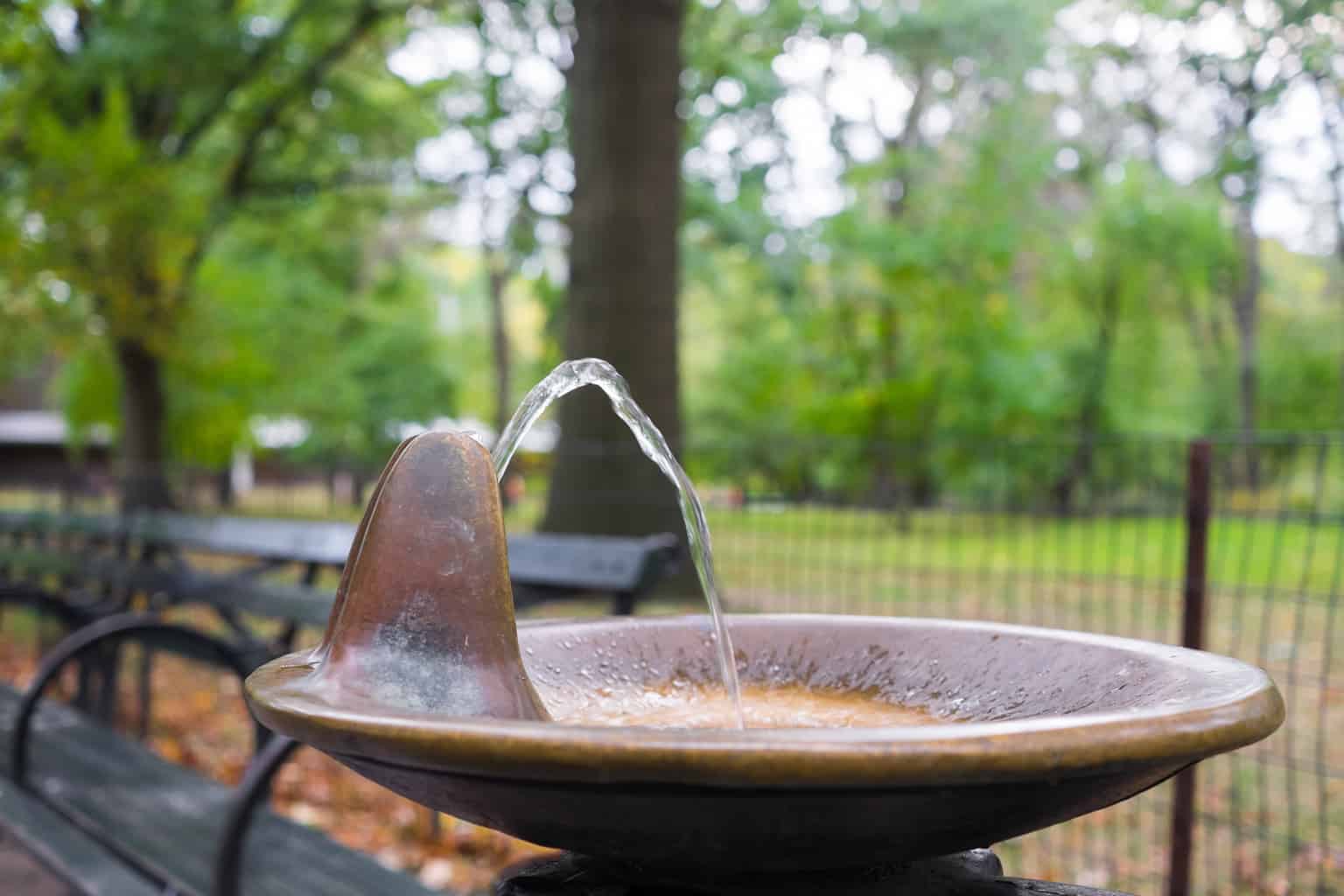
- Public Water Fountains: While not as ubiquitous as in some European cities, public water fountains can be found in various parks and public spaces across the boroughs. Look for them in Central Park, near playgrounds, and at some major transportation hubs.
- Refill Stations: Some cafes and shops, particularly those with a focus on health and sustainability, may offer water refill stations for a small fee or even for free. Larger retail chains like Whole Foods and Trader Joe’s also typically have water fountains.
- Convenience Stores: If you absolutely prefer bottled water for specific reasons, convenience stores like CVS and Duane Reade are plentiful throughout the city, offering a range of brands from Poland Spring to imported options like Fiji or Evian. However, for the reasons mentioned above, this should be a last resort.
Addressing Common Concerns and Taste Preferences
Despite its documented quality, some visitors might still have reservations or notice slight variations in taste. These are usually minor and easily addressed.
The Chlorine Factor and Building Pipes
The most common complaint about New York City tap water is a faint chlorine taste or smell. This is due to the disinfection process and is a sign that the water is safe. Chlorine levels are carefully monitored to ensure they are effective without being harmful. The taste is generally mild and often dissipates quickly if the water is left to sit for a few minutes. Chilling the water in a refrigerator can also significantly reduce the perception of chlorine.
Another factor is the age and material of a building’s internal plumbing. While the city’s main distribution system is well-maintained, older buildings might have pipes (such as lead or copper) that could affect the water’s taste or, in very rare cases, its chemical composition at the tap. However, stringent regulations and ongoing infrastructure upgrades minimize these risks. For travelers staying in modern hotels or recently renovated accommodations, this is unlikely to be an issue. If you’re staying in an older building and are concerned, running the tap for 30 seconds before drinking can flush out any stagnant water from the internal pipes.

Adapting to Local Water: A General Travel Tip
It’s a common travel phenomenon that even perfectly safe tap water in a new destination can sometimes cause minor digestive upset. This isn’t usually due to contamination but rather the change in mineral content, pH, or local microbial balance that one’s body isn’t accustomed to. This phenomenon is observed worldwide, whether traveling within North America or to destinations in Europe, Asia, Africa, South America, or Australia.
For sensitive individuals, carrying a personal water filter bottle or a portable UV purifier can offer an extra layer of reassurance, though it’s generally unnecessary for New York City’s tap water. Most people will adapt quickly with no issues. The overarching message remains clear: the water is safe, tested, and reliable.
In conclusion, when planning your next trip to New York City, put any concerns about tap water quality aside. Embrace the convenience, cost savings, and environmental benefits of this world-class resource. Carry a reusable bottle, hydrate frequently, and enjoy every moment of your exploration, knowing that you’re drinking some of the best water available anywhere. This simple fact is a testament to New York’s enduring commitment to its residents and visitors, making it an even more welcoming and sustainable travel destination.
LifeOutOfTheBox is a participant in the Amazon Services LLC Associates Program, an affiliate advertising program designed to provide a means for sites to earn advertising fees by advertising and linking to Amazon.com. Amazon, the Amazon logo, AmazonSupply, and the AmazonSupply logo are trademarks of Amazon.com, Inc. or its affiliates. As an Amazon Associate we earn affiliate commissions from qualifying purchases.