
For millions of travelers each year, the three-letter code MCO is synonymous with the start of an unforgettable adventure in the heart of Florida. As the primary gateway to the theme park capital of the world, Orlando International Airport (MCO) is one of the busiest airports globally, welcoming families, business travelers, and adventurers alike. Yet, for many, the origin of its unique airport code remains a perplexing mystery. Unlike most airports where the code directly relates to the city name (e.g., LAX for Los Angeles International Airport or MIA for Miami International Airport), MCO seems to be an outlier.
The answer lies deep in the airport’s historical roots, tracing back to its military past. MCO actually stands for McCoy Air Force Base, the military installation that occupied the site before its transformation into a civilian airport. This fascinating piece of history is more than just a trivial fact; it embodies the dynamic evolution of Orlando from a military stronghold to a global tourism powerhouse. Understanding the MCO code offers a unique glimpse into the rich heritage that underpins one of the world’s most vibrant travel destinations, influencing everything from the city’s infrastructure to its enduring spirit of innovation and welcome.

This article delves into the fascinating story behind MCO, exploring its historical significance, the airport’s modern-day role as a crucial travel hub, and how it serves as the launching pad for countless Orlando experiences. From understanding its sprawling terminals and state-of-the-art amenities to navigating the myriad accommodation options and attractions that await beyond its runways, we provide a comprehensive guide for anyone planning a journey to Central Florida.
The Legacy Behind the Code: Unraveling MCO’s History
The story of MCO is inextricably linked to the post-World War II era and the Cold War, a period that significantly shaped many American cities, including Orlando. What began as a strategic military outpost ultimately paved the way for a world-class civilian airport. This transformation reflects not only shifting geopolitical landscapes but also the incredible foresight and adaptability that allowed Orlando to pivot from military operations to an epicenter of global tourism.
From Military Base to Major Hub: The Evolution of Orlando International Airport
Before it became the bustling commercial gateway we know today, the land occupied by Orlando International Airport was home to McCoy Air Force Base. Established during World War II, initially as Orlando Army Air Field, it was later renamed in honor of Colonel Michael N.W. McCoy, a distinguished commander of the 321st Bomb Group who tragically died in a B-24 crash in 1957. Throughout the Cold War, McCoy Air Force Base played a critical role as a Strategic Air Command (SAC) installation, housing B-52 bombers and KC-135 tankers, essential assets in America’s defense strategy.
The base was a vibrant community, contributing significantly to the local economy and culture. However, as military priorities shifted, the base was slated for closure in the early 1970s. This presented a unique opportunity for Orlando, which was experiencing burgeoning growth, particularly with the opening of Walt Disney World Resort in 1971. The existing runways and infrastructure of McCoy Air Force Base offered a ready-made solution for a city desperate for a larger, more modern airport to accommodate the influx of tourists.
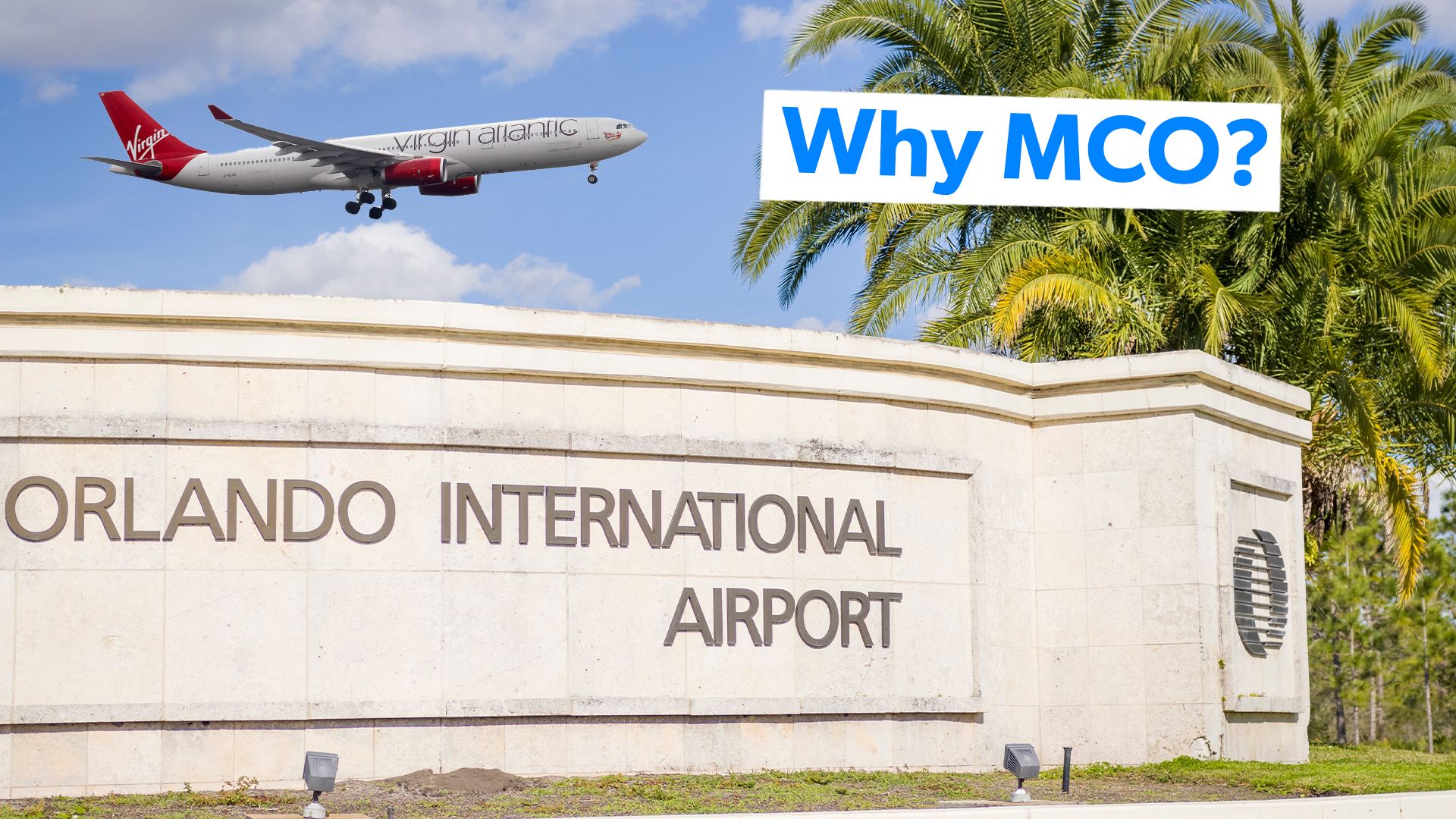
In 1975, the former military airfield officially transitioned to civilian control, becoming the Orlando International Airport. Despite the change in ownership and purpose, the airport retained its distinctive IATA code, MCO, as a nod to its military heritage. This decision not only preserved a piece of history but also created a unique identifier that stands out among global airport codes. The rapid expansion that followed saw the development of new terminals, improved ground transportation, and a continuous focus on enhancing the passenger experience, cementing MCO’s status as a top-tier international airport.
The Significance of IATA Codes
International Air Transport Association (IATA) codes are three-letter geocodes that designate many airports and metropolitan areas around the world. These codes are vital for airline operations, baggage handling, ticketing, and flight scheduling. While many IATA codes are straightforward, reflecting the city or airport name (e.g., ORD for Chicago O’Hare), others, like MCO, tell a deeper story.
The retention of the McCoy Air Force Base code for Orlando International Airport is not an isolated incident. Many airports worldwide carry codes that reflect their past military origins, former names, or geographical quirks. This practice highlights the often-complex evolution of infrastructure and urban development. For MCO, it serves as a daily reminder of the airport’s impressive journey from a strategic military asset to a bustling civilian hub, underscoring Orlando’s incredible growth and transformation into a global destination for travel and tourism. This unique identifier sets MCO apart and sparks curiosity, often leading travelers to uncover the rich history embedded in its very name.
Orlando International Airport: A Gateway to Central Florida
Today, Orlando International Airport is far more than just a historical relic; it is a meticulously designed, high-traffic hub catering to over 50 million passengers annually, making it one of the busiest airports in the United States and the world. Its strategic location, just six miles southeast of downtown Orlando, positions it perfectly for access to the region’s world-famous attractions, business districts, and vibrant communities. MCO is a vital economic engine for Central Florida, supporting thousands of jobs and serving as the primary entry point for the region’s massive tourism industry.
Navigating MCO: Terminals, Services, and Amenities
MCO is renowned for its modern architecture, spacious design, and a strong focus on passenger convenience and comfort. The airport is currently comprised of two main terminal areas: Terminal A/B (the North Terminal Complex) and Terminal C (the South Terminal Complex), connected by automated people movers (APMs).
- Terminal A/B: This complex houses multiple airside concourses (1-4), each accessible via APM. It’s home to a vast array of airlines, both domestic and international. Passengers can find a comprehensive selection of shops, restaurants, and services, ranging from duty-free boutiques to fast-casual dining and full-service restaurants. The terminal is designed to be intuitive, with clear signage and open spaces that minimize the feeling of being rushed.
- Terminal C: Opened in 2022, Terminal C is a stunning expansion designed to accommodate future growth and enhance the traveler experience. Featuring state-of-the-art technology, including facial recognition boarding and an advanced baggage handling system, Terminal C offers a more contemporary and streamlined journey. Its open, airy design incorporates natural light and innovative art installations, creating a welcoming atmosphere. It also boasts an impressive array of dining and retail options, many reflecting local Orlando flavors and brands.
Beyond its terminals, MCO offers a plethora of amenities designed to cater to diverse traveler needs. This includes free Wi-Fi throughout the airport, pet relief areas, nursing suites, and dedicated quiet rooms for relaxation or meditation. The airport also features a unique on-site hotel, the Hyatt Regency Orlando International Airport, offering unparalleled convenience for early morning flights or late-night arrivals. Other services include car rental facilities, ground transportation options like taxis, ride-shares, and shuttle services, making onward travel seamless. MCO’s commitment to efficiency and passenger satisfaction ensures that your journey begins and ends with comfort and ease.
Connecting to Orlando’s Premier Attractions
The strategic location of Orlando International Airport is a significant advantage for tourists. Upon arrival, visitors are just a short drive away from Orlando’s world-renowned theme parks and attractions.
- Theme Parks: Walt Disney World Resort, Universal Orlando Resort, and SeaWorld Orlando are all within a 20-40 minute drive, depending on traffic. Numerous shuttle services, taxis, and ride-shares operate from MCO, providing direct transport to these magical destinations.
- International Drive: This bustling corridor, known for its myriad hotels, restaurants, shops, and attractions like ICON Park and the Orange County Convention Center, is also easily accessible from the airport. It’s a popular choice for those seeking vibrant nightlife, diverse dining, and family-friendly entertainment beyond the major parks.
- Downtown Orlando and Beyond: For travelers interested in urban experiences, sports, or culture, downtown Orlando is within a 30-minute drive. Here, visitors can explore Lake Eola Park, catch an event at the Amway Center, or enjoy a show at the Dr. Phillips Center for the Performing Arts. The airport also serves as a convenient gateway to other Central Florida destinations, including Kissimmee for more accommodation options, and even the Kennedy Space Center Visitor Complex on the Space Coast, which is about an hour’s drive east.
MCO’s comprehensive transportation network, including future plans for rail connections like Brightline and expansion of the SunRail commuter rail, further enhances its role as a seamless entry point to all that Orlando and its surrounding areas have to offer.
Beyond the Runway: Exploring Orlando as a Premier Destination
Orlando isn’t just a city with an airport; it’s a global phenomenon, a true landmark of entertainment, tourism, and innovation. While the theme parks are undoubtedly the main draw, the city offers a diverse tapestry of experiences, from culinary adventures and vibrant arts scenes to natural springs and high-end shopping. Its reputation as a family-friendly destination is unparalleled, but Orlando also caters to luxury travelers, business professionals, and those seeking unique cultural insights.
Accommodation Options Near MCO and Across Orlando
The vast number of visitors passing through MCO has naturally led to an equally vast array of accommodation options. Whether you’re seeking a budget-friendly stay, a luxurious resort, or a long-term villa rental for a family trip, Orlando has it all.
- Airport Area Hotels: For convenience, especially if you have an early flight or late arrival, numerous hotels are located within minutes of MCO. Beyond the aforementioned Hyatt Regency Orlando International Airport directly in the terminal, options like the Marriott Orlando Airport Lakeside and Aloft Orlando Airport offer shuttle services and a range of amenities for a comfortable overnight stay.
- Theme Park Resorts: For an immersive experience, staying at an on-site resort at Walt Disney World Resort or Universal Orlando Resort offers perks like early park access, complimentary transportation, and themed environments. These often range from value-oriented options to deluxe villas and suites with exclusive amenities.
- International Drive and Kissimmee: These areas are replete with hotels, apartments, and resorts offering a balance of convenience and affordability. Many provide shuttle services to the major parks, and the abundance of dining and entertainment makes them popular choices for families and groups.
- Vacation Rentals: Orlando is a hub for vacation rentals, from cozy apartments to sprawling villas with private pools. These are particularly popular for larger families or longer stays, offering a home-away-from-home experience. Websites for booking and comparison allow travelers to find the perfect fit for their budget and needs, often accompanied by user reviews.
- Luxury and Boutique Hotels: For those seeking a more upscale lifestyle experience, Orlando boasts several luxury hotels and resorts that offer world-class spas, gourmet dining, and impeccable service, often located in areas like Lake Nona or near upscale shopping districts.
Orlando’s Diverse Attractions and Experiences
While theme parks are undoubtedly the crown jewel of Orlando’s appeal, the city and its surrounding region offer a wealth of other attractions and experiences that cater to every interest.
- Beyond the Parks: Explore the vibrant entertainment and dining districts of Disney Springs and Universal CityWalk, offering live music, unique shops, and acclaimed restaurants without requiring theme park admission.
- Nature and Outdoors: Central Florida is dotted with beautiful natural springs, like Wekiwa Springs State Park, perfect for swimming, kayaking, and wildlife viewing. The region also offers numerous golf courses, airboat tours through the Everglades, and beautiful nature trails.
- Arts and Culture: Dive into Orlando’s burgeoning arts scene, with institutions like the Orlando Museum of Art and the Orlando Science Center. Catch a Broadway show at the Dr. Phillips Center for the Performing Arts, or explore the historic neighborhoods with their charming architecture.
- Shopping and Dining: From upscale malls like The Mall at Millenia to outlet centers offering designer brands at discount prices, Orlando is a shopper’s paradise. The dining scene is equally diverse, featuring everything from celebrity chef restaurants to authentic international cuisine and local food trucks.
- Day Trips: MCO’s location also makes it an ideal base for day trips. Head west to the stunning beaches of Clearwater Beach or St. Petersburg on the Gulf Coast. To the east, the Space Coast beckons with the Kennedy Space Center Visitor Complex and the cruise ship terminals of Port Canaveral.
Planning Your Orlando Journey: Tips for Travelers
Making the most of your Orlando adventure starts with efficient planning, especially when it comes to navigating Orlando International Airport and the city’s diverse offerings. Here are some essential tips to ensure a smooth and memorable trip, whether you’re embarking on a family vacation, a business stay, or a luxury getaway.
- Transportation from MCO: Upon arrival, you have several options for getting to your accommodation. Rental cars are highly popular, especially for those planning to explore extensively. Book in advance to secure the best rates. Shuttle services, ride-sharing apps (Uber/Lyft), and taxis are readily available. For those staying at Walt Disney World Resort or Universal Orlando Resort hotels, check if your resort offers dedicated transportation. Consider the Lynx public bus service for budget travel to certain areas, though it may take longer.
- Accommodation Booking and Comparison: Orlando offers a vast range of hotels, resorts, suites, apartments, and villas. Utilize online travel agencies and direct hotel websites for booking and comparison. Read recent reviews to gauge cleanliness, service, and proximity to attractions. For long-term stays or larger groups, vacation rentals can be a cost-effective and comfortable option.
- Theme Park Tickets and Strategy: Purchase theme park tickets in advance online to save time and sometimes money. Consider multi-day passes or park hopper options depending on your itinerary. Plan your park days strategically, utilizing apps for wait times and show schedules to maximize your experiences. Early arrival at the parks is always recommended.
- Best Time to Visit: Orlando is a year-round destination, but certain seasons are more pleasant. Spring (March-May) and Fall (September-November) offer cooler temperatures and lower humidity, often with fewer crowds outside of holiday weekends. Summer can be very hot and humid, with frequent afternoon thunderstorms, but also features longer park hours and water park popularity.
- Local Culture and Dining: Don’t limit your culinary experiences to theme park food. Explore Orlando’s diverse neighborhoods for authentic local culture and incredible dining. From the vibrant eateries in the Mills 50 district to the upscale restaurants in Winter Park, there’s a food experience for every palate.
- Packing Essentials: Florida’s weather can be unpredictable. Pack light layers, comfortable walking shoes, swimwear, sunscreen, and rain gear, especially during the summer months.
- Travel Guides and Apps: Utilize comprehensive travel guides and mobile apps for navigation, attraction information, dining reservations, and real-time updates on park operations. This digital assistance can significantly enhance your trip planning and on-the-ground experiences.
In conclusion, MCO is more than just an airport code; it’s a window into the rich history and dynamic evolution of Orlando. From its origins as McCoy Air Force Base to its current status as a bustling international gateway, MCO serves as the starting point for countless adventures in one of the world’s most beloved destinations. By understanding its past and leveraging its modern amenities, travelers can embark on an Orlando journey that is as smooth and enjoyable as the destination itself.
LifeOutOfTheBox is a participant in the Amazon Services LLC Associates Program, an affiliate advertising program designed to provide a means for sites to earn advertising fees by advertising and linking to Amazon.com. Amazon, the Amazon logo, AmazonSupply, and the AmazonSupply logo are trademarks of Amazon.com, Inc. or its affiliates. As an Amazon Associate we earn affiliate commissions from qualifying purchases.