
For millions of tourists, business travelers, and locals alike, New York City remains the ultimate urban playground. From the neon-soaked energy of Times Square to the serene, winding paths of Central Park, the city offers an unparalleled sensory experience. However, amidst the excitement of planning an itinerary, checking into a New York Hilton Midtown, or deciding which Broadway show to catch, a basic physiological question often arises: is the tap water safe? The answer is a resounding yes, and in fact, it is widely considered some of the finest municipal water in the United States.
The Origin of the NYC Water Supply
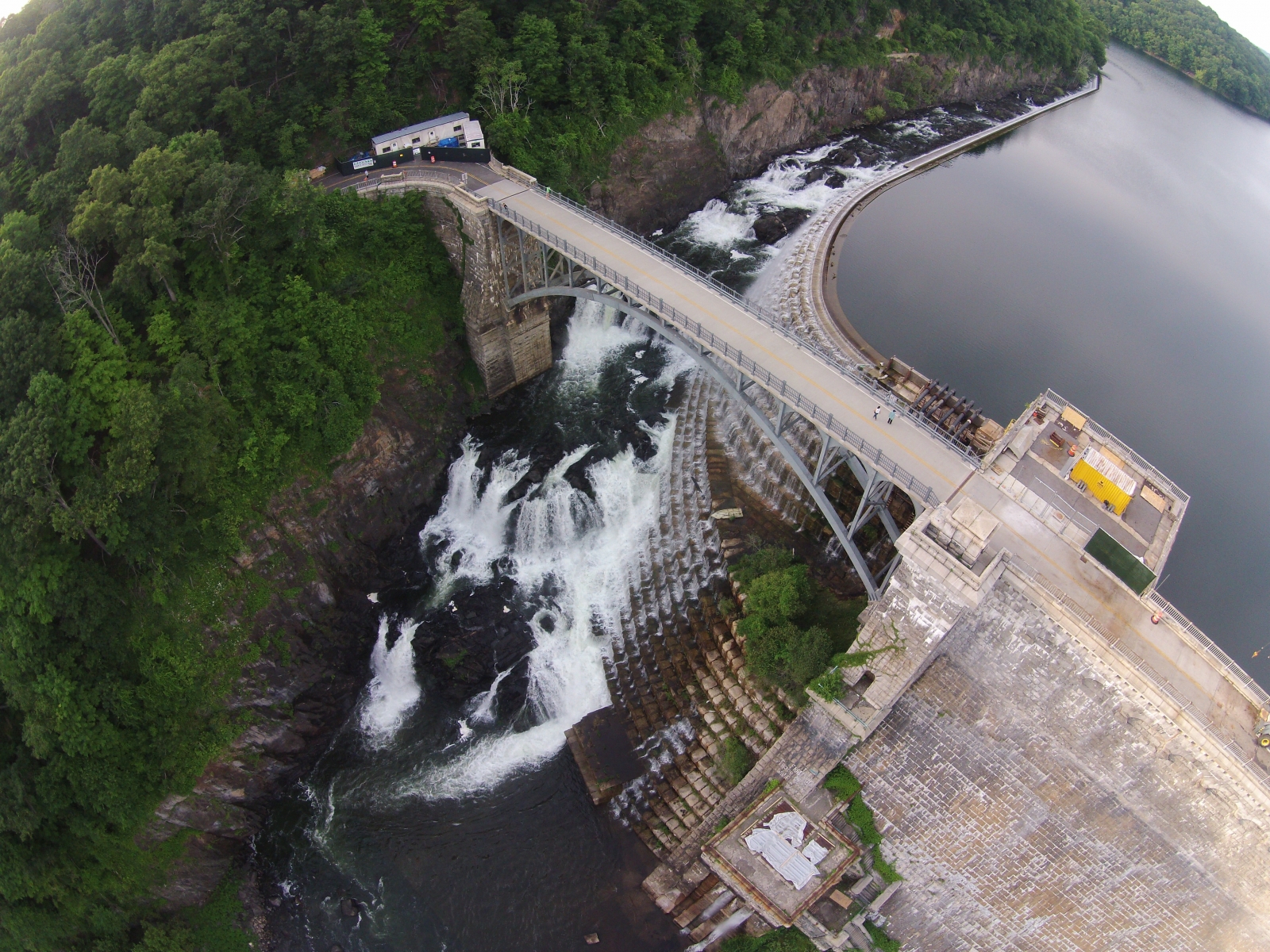
The journey of the water that reaches your glass in Manhattan begins far from the bustling concrete jungle. The vast majority of the city’s water—roughly 90%—originates from the Catskill Mountains and the Delaware River watersheds. These protected reservoirs are located over a hundred miles north of the city, nestled in pristine forests and mountain terrain.
A Natural Filtration System
Because these watersheds are so carefully monitored and protected by the New York City Department of Environmental Protection, the water is naturally filtered as it moves through soil, rock, and vegetation. This means that the city’s water requires significantly less chemical treatment than water found in other major metropolitan areas. By the time it travels through the extensive aqueduct system—a feat of engineering that deserves its own place in the history of New York infrastructure—it is of exceptional quality.
The Role of Infrastructure
The journey from the reservoir to your faucet involves gravity-fed tunnels, some of which were built over a century ago. While the pipes under the city are old, the constant pressure and the quality of the water flowing through them ensure that, in most cases, the water remains pristine. Whether you are grabbing a quick drink at a fountain near the Statue of Liberty or filling a reusable bottle in your Brooklyn hotel room, you are benefiting from a system designed for resilience and purity.
Taste, Quality, and Culinary Folklore
If you have ever wondered why New York City pizza crusts and bagels have a distinct, inimitable texture, you have arrived at a point of local pride. Many bakers and chefs swear by the city’s tap water as the secret ingredient. The specific mineral content of the water, which is famously “soft,” is said to interact perfectly with gluten development, creating that iconic chewiness that defines a true New York bagel.
Perception vs. Reality
Despite its high quality, some travelers arriving from countries where tap water is generally not potable may find themselves hesitant. It is natural to be cautious when visiting a new North America destination, but the reality is that the New York City water supply undergoes rigorous daily testing. The Environmental Protection Agency sets strict standards for municipal water systems, and New York City consistently meets or exceeds these benchmarks.
Avoiding Single-Use Plastics
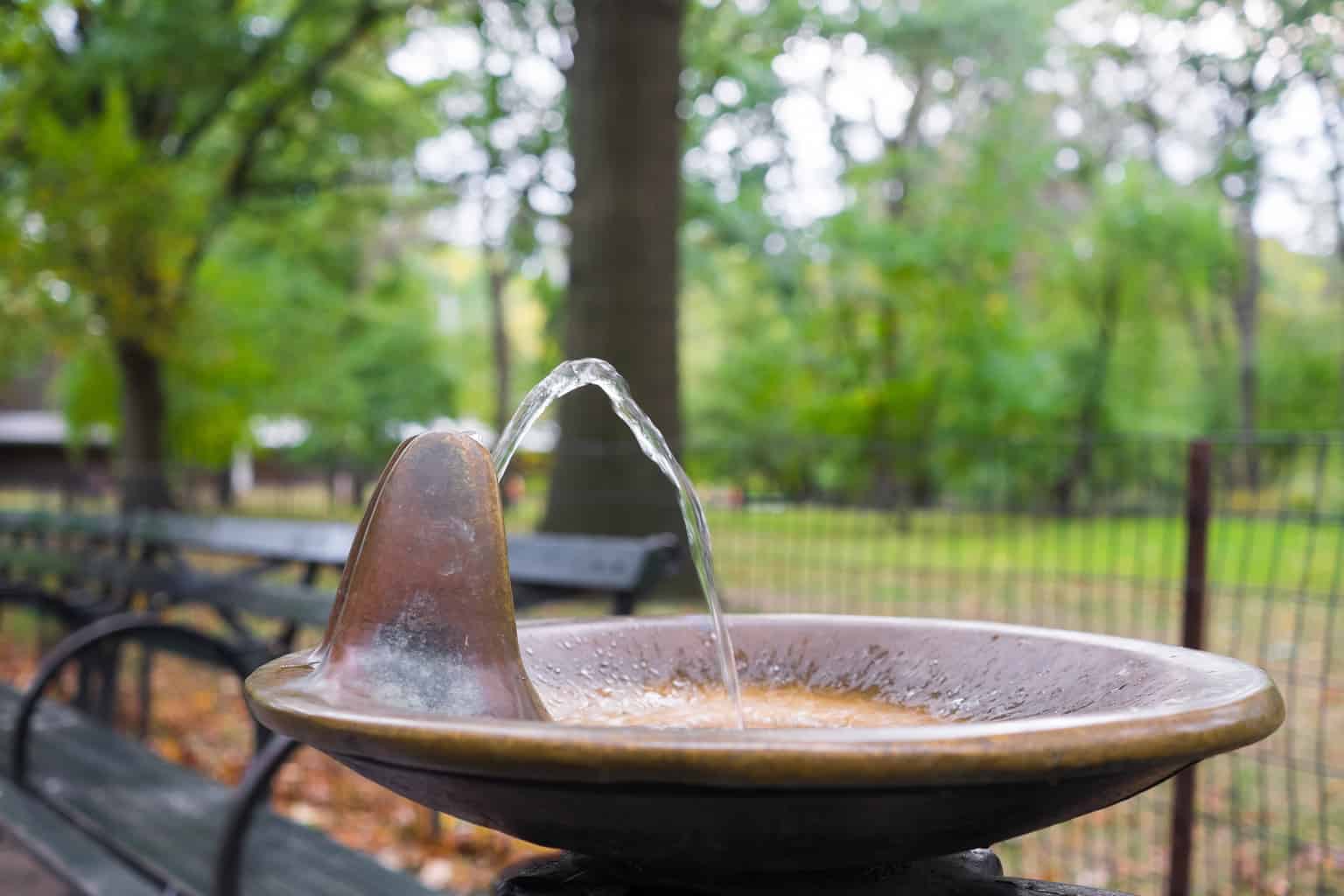
For the conscious traveler, drinking tap water is more than just a matter of convenience—it is a matter of environmental responsibility. New York City has been making a concerted effort to reduce its plastic waste. By carrying a refillable bottle, you can skip the expensive, bottled water sold at tourist kiosks near Empire State Building and contribute to a greener city. Most public parks, including Bryant Park, are equipped with water stations, making it easier than ever to stay hydrated while exploring the Big Apple.
Practical Tips for the Traveling Connoisseur
While the water is safe at the source, there are minor logistical factors that can occasionally affect the taste or quality at the point of delivery. Understanding these will ensure you have the best hydration experience during your stay in New York City.
Navigating Building Plumbing
In older buildings, particularly historic brownstones or pre-war apartments in Queens or The Bronx, pipes may be aged. If you are staying in a legacy hotel or an older Airbnb, it is often recommended to let the cold water run for a few seconds before filling your glass. This clears out any sediment that may have settled in the local plumbing overnight.
Temperature Preference
New York tap water is served cold, but depending on the time of year and the building’s heating system, it may arrive at the tap slightly warmer than in other cities. To mimic the crispness of bottled water, many travelers simply fill a carafe and place it in the hotel refrigerator for a few hours. This simple step is all that is required to enjoy high-quality water that rivals the most expensive imported brands.
When to Seek Alternatives
There are very rare instances where New York City may issue a “boil water” advisory. These are almost always localized, usually stemming from unexpected water main breaks or localized pipe maintenance. Such events are widely broadcast on local news and communicated via hotel management. If you happen to be in an area affected by such an advisory, bottled water becomes the prudent choice for the duration of the alert.

Why Quality Water Matters for the New York Experience
Water is the lifeblood of New York City. It keeps the coffee brewing in the busy cafes of Greenwich Village, sustains the chefs preparing high-end dining at Le Bernardin, and refreshes the millions of pedestrians walking the High Line.
When you choose to drink the tap water, you are participating in a long-standing New York tradition. You are opting for a sustainable, safe, and surprisingly delicious resource that has supported the city’s growth for generations. Whether you are walking through the Metropolitan Museum of Art or heading to a business meeting in Wall Street, you can trust that your hydration needs are fully covered by the city’s infrastructure.
By embracing the tap, you save money, reduce plastic waste, and enjoy a product that is subject to some of the strictest quality controls in the world. So, the next time you feel the urge to hydrate, find the nearest fountain or sink, fill up your bottle, and enjoy a true taste of New York City. It is not just safe; it is one of the hidden culinary highlights of the greatest city in the world.
LifeOutOfTheBox is a participant in the Amazon Services LLC Associates Program, an affiliate advertising program designed to provide a means for sites to earn advertising fees by advertising and linking to Amazon.com. Amazon, the Amazon logo, AmazonSupply, and the AmazonSupply logo are trademarks of Amazon.com, Inc. or its affiliates. As an Amazon Associate we earn affiliate commissions from qualifying purchases.