
The relocation of thousands of members of the United States Marine Corps to the island of Guam represents one of the most significant geopolitical and cultural shifts in the Pacific Ocean region in recent decades. While the primary drivers are rooted in national defense and regional stability, the move has profound implications for tourism, local culture, and the economy of this Micronesia gem. As the island prepares for a new era, travelers and residents alike are witnessing a transformation that blends military heritage with a thriving tourism industry.
The Strategic Why: Global Security and Regional Stability
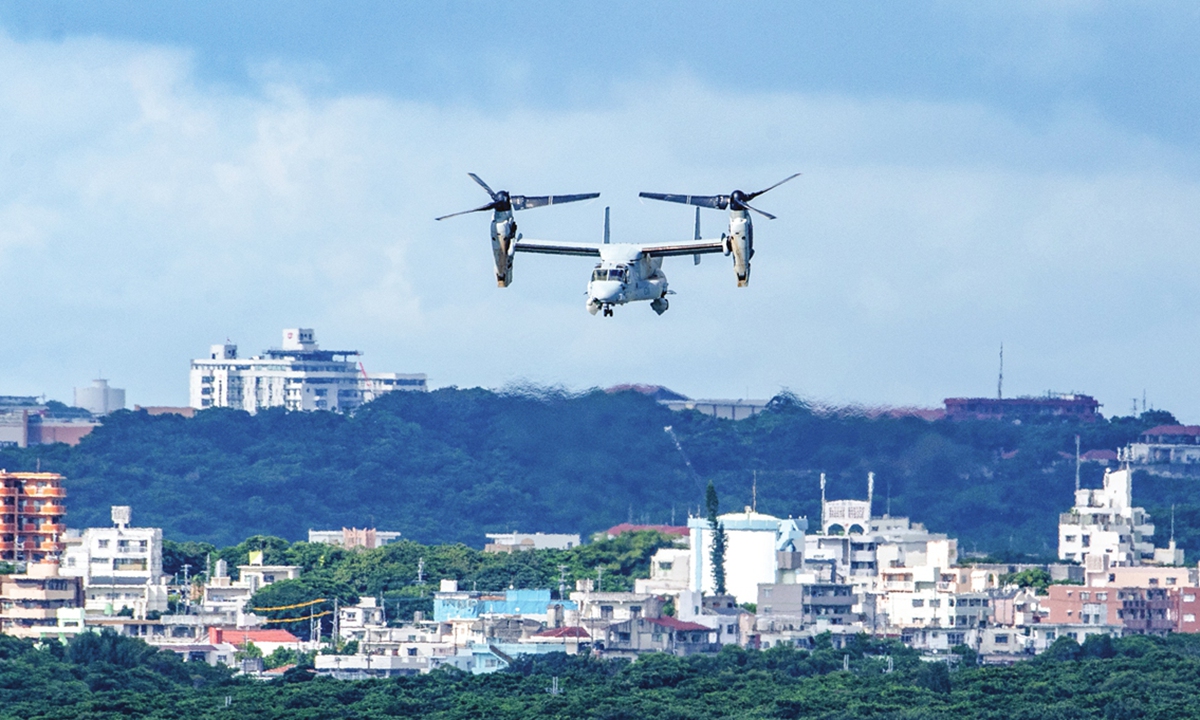
The decision to move United States forces from Okinawa, Japan to Guam is part of a long-term agreement between the United States and the Japanese government. Known as the Defense Policy Review Initiative, this plan aims to reduce the footprint of military personnel in Okinawa while maintaining a robust presence in the Asia region. Guam, being an unincorporated territory of the United States, offers a stable and sovereign location for the establishment of Camp Blaz, the first new Marine base built since 1952.

Positioning the Tip of the Spear
Guam is often referred to as the “Tip of the Spear” because of its proximity to major East Asian hubs. It is roughly the same distance from Tokyo, Manila, and Hong Kong. This strategic positioning allows the United States Marine Corps to respond rapidly to humanitarian crises, natural disasters, and security challenges throughout the Mariana Islands and the broader Pacific Ocean.
Modernizing the Infrastructure
The construction of Camp Blaz has necessitated massive investments in the island’s infrastructure. From upgraded power grids to improved road networks connecting Andersen Air Force Base and Naval Base Guam, these improvements directly benefit the tourism sector. Visitors traveling from the Antonio B Won Pat International Airport to the resort district of Tumon now experience smoother commutes and better-maintained public facilities.
Impact on Tourism Infrastructure and the Economy
The influx of military personnel and their families creates a dual-layered economy. While Guam has long relied on tourists from Japan, South Korea, and the Philippines, the growing military population provides a stable “resident-tourist” base. These individuals explore the island, dine at local restaurants, and participate in recreational activities, providing a buffer for the tourism industry during global travel fluctuations.
Boosting the Hospitality Sector
The hospitality industry in Tamuning and Tumon Bay is evolving to meet the needs of a more diverse clientele. Hotels that once catered primarily to short-term vacationers are now seeing demand for extended-stay options and business-oriented amenities. This has led to a revitalization of local shopping centers and the introduction of new dining concepts that merge American tastes with Chamorro traditions.
Retail and Service Growth
With thousands of new residents, the demand for high-quality retail and services has skyrocketed. Tourism hubs like the Guam Premier Outlets and the T Galleria by DFS have seen sustained foot traffic. This economic stimulus allows for the preservation of local attractions and the development of new eco-tourism ventures that might otherwise struggle without a consistent population base.
Exploring the Island: Cultural and Natural Attractions
For those moving to Guam or visiting for the first time, the island offers an incredible array of natural beauty and cultural depth. The move of the United States Marine Corps has sparked a renewed interest in the island’s environmental conservation and the promotion of its unique history.

The Beauty of the North: Ritidian Point
One of the most pristine locations on the island is Ritidian Point, part of the Guam National Wildlife Refuge. Located near the northern military installations, this area is a sanctuary for endemic species and features some of the most breathtaking white-sand beaches in the world. Tourism here focuses on “leave no trace” principles, allowing visitors to experience Guam as it looked centuries ago.
Legends and Landscapes: Two Lovers Point
No trip to the island is complete without visiting Two Lovers Point, or Puntan Dos Amantes. This iconic cliffside lookout offers panoramic views of the Philippine Sea. The site tells the story of two star-crossed lovers who leaped to their deaths rather than be parted, a narrative central to Chamorro folklore. The site’s popularity with both tourists and new residents highlights the shared appreciation for the island’s romantic and tragic history.
Southern Charm: Inarajan Pools and Talofofo Falls
As the military presence concentrates in the north, the southern part of Guam remains a bastion of traditional lifestyle and rugged nature. The Inarajan Pools offer natural volcanic salt-water swimming holes, while Talofofo Falls provides a lush jungle experience. These sites are essential for anyone wanting to understand the geographical diversity of the island, from volcanic peaks like Mount Lamlam to cascading waterfalls.
Preserving the Past: Historical Tourism
The relocation of the United States Marine Corps is deeply intertwined with the island’s history, particularly the events of World War II. Guam was occupied by Japanese forces shortly after the attack on Pearl Harbor and was liberated by American forces in 1944.
War in the Pacific National Historical Park
This multi-site park is a cornerstone of tourism on the island. The War in the Pacific National Historical Park honors the bravery and sacrifices of those who participated in the Pacific Theater. Visitors can explore battlefields, trenches, and coastal gun defenses. The move of modern Marines back to the island serves as a living connection to this history, often bringing veterans and families back to Guam to commemorate past events.
Hagatna: The Heart of Heritage
The capital city of Hagatna is a living museum. Here, travelers can walk the Hagatna Heritage Walking Trail, which includes stops at the Dulce Nombre de Maria Cathedral-Basilica and the Plaza de Espana. The architecture reflects the layers of Spanish, Japanese, and American influence, providing a complex and engaging narrative for history enthusiasts.
Cultural Synthesis: The Chamorro Spirit in a Changing Landscape
At the center of Guam’s identity is the Chamorro people, who have inhabited the island for nearly 4,000 years. The influx of new residents provides an opportunity for cultural exchange, ensuring that the indigenous spirit remains the guiding force of the island’s future.
Gastronomy and the Fusion of Flavors
Tourism in Guam is increasingly focused on culinary experiences. The arrival of new populations has encouraged local chefs to showcase traditional dishes like Red Rice, Chicken Kelaguen, and Kadun Pika. The Chamorro Village night market remains a primary destination for visitors to sample these flavors while enjoying local music and dance.
Sustainable and Cultural Tourism
Initiatives like the Valley of the Latte Adventure Park allow visitors to travel by riverboat into the heart of the island. Here, they can learn about ancient Latte Stones, traditional weaving, and sustainable farming. As the island grows, there is a concerted effort by the Guam Visitors Bureau to ensure that the increased population respects and preserves these cultural treasures.
Navigating the Future
The relocation of the United States Marine Corps to Guam is more than just a military maneuver; it is a catalyst for growth and modernization. For the traveler, this means better access to remote areas, a more diverse culinary scene, and a deeper appreciation for the strategic importance of the Mariana Islands. Whether you are visiting for the world-class diving in Tumon Bay or the historical solemnity of the Pacific War sites, Guam stands as a vibrant, welcoming destination that honors its past while looking firmly toward the future.
The integration of the United States Marine Corps into the local community continues to shape the island’s identity. From the bustling streets of Hagatna to the quiet shores of Merizo, the synergy between the military and the tourism industry creates a unique environment where history, security, and tropical beauty coexist. As more people call Guam home, the island’s reputation as the premier destination in Micronesia only grows stronger, inviting the world to discover its “Hafa Adai” spirit.
LifeOutOfTheBox is a participant in the Amazon Services LLC Associates Program, an affiliate advertising program designed to provide a means for sites to earn advertising fees by advertising and linking to Amazon.com. Amazon, the Amazon logo, AmazonSupply, and the AmazonSupply logo are trademarks of Amazon.com, Inc. or its affiliates. As an Amazon Associate we earn affiliate commissions from qualifying purchases.