
For many travelers landing at Daniel K. Inouye International Airport in Honolulu, the first instinct is to shed the heavy layers and restrictive footwear of the mainland. The warm, humid air of Oahu beckons for a more liberated lifestyle, one where the sand stays between your toes and the heavy boots of the United States mainland are left in the suitcase. This transition often leads to a common question for those renting vehicles to explore the North Shore or the Road to Hana: Is it legal to drive barefoot in Hawaii?
The short answer is yes. However, understanding the intersection of local law, cultural norms, and safety requirements is essential for any visitor looking to embrace the Aloha State lifestyle while remaining a responsible tourist.
Understanding the Legal Framework for Barefoot Driving
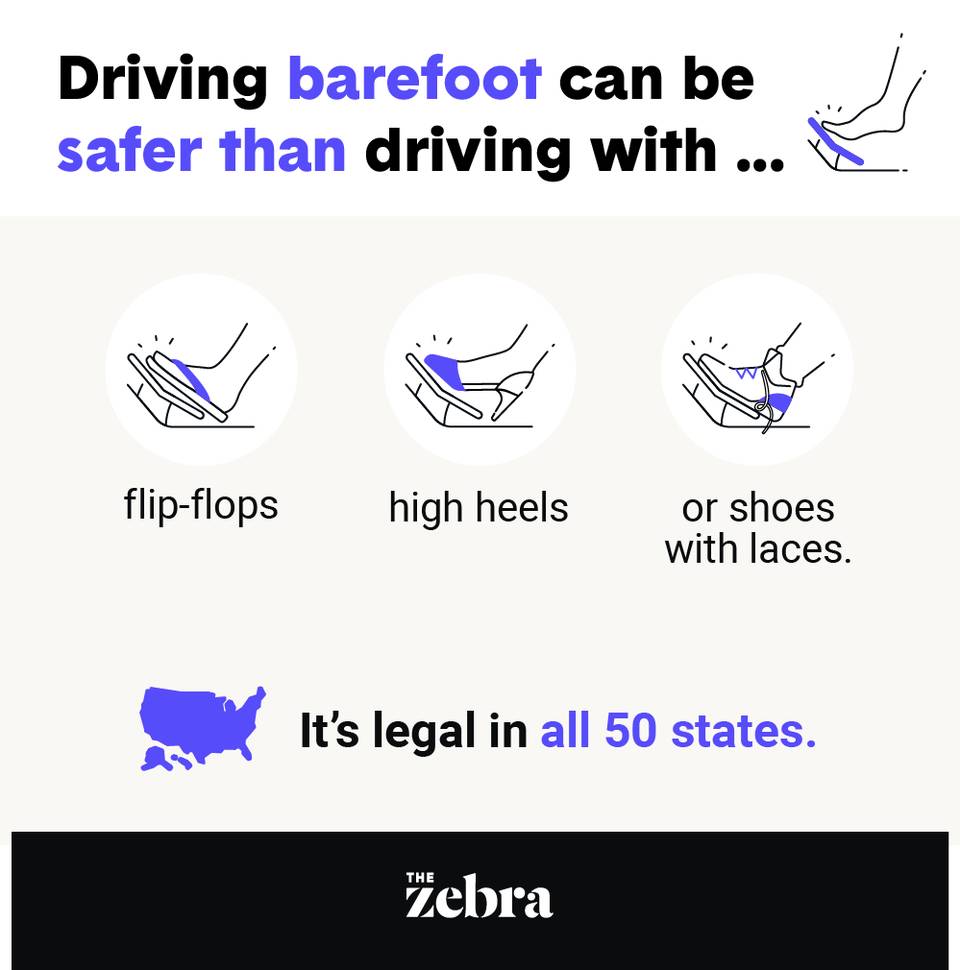
In the United States, there is a persistent urban legend that operating a motor vehicle without shoes is a punishable offense. This misconception is particularly prevalent among visitors to Hawaii. In reality, there is no state law in the islands—nor in any other state in the country—that specifically prohibits driving barefoot. The Hawaii Department of Transportation does not mandate specific footwear for non-commercial drivers.
The Nuances of Local Traffic Laws
While there is no “barefoot ban,” drivers must still adhere to general safety statutes. In Honolulu and across the Big Island, law enforcement officers prioritize safe vehicle operation above all else. If a driver is involved in an accident or is observed driving erratically, and the lack of footwear is deemed a contributing factor to the loss of control, the driver could theoretically be cited for “reckless driving” or “negligent driving.”
For instance, if your bare foot slips off the brake pedal while navigating the sharp turns of the Pali Highway, or if a discarded flip-flop gets lodged under the accelerator, you are legally responsible for the outcome. Therefore, while the act of being barefoot is legal, the responsibility for maintaining absolute control of the vehicle remains paramount.
Insurance and Liability Considerations
Tourism in Hawaii often involves rental agreements with major agencies found in Kahului or Lihue. While your rental contract likely won’t mention footwear, insurance companies are notoriously meticulous. In the event of a collision on the Hana Highway, an adjuster might investigate whether the driver’s choice of footwear—or lack thereof—played a role in the incident. For the savvy tourist, this means that even if the law allows for barefoot driving, personal liability remains a factor to consider.
Footwear Culture and Local Customs in the Islands
To understand why so many people in Hawaii choose to drive barefoot, one must look at the local culture. The islands have a deeply ingrained relationship with footwear that differs significantly from most Western societies. In the Pacific Ocean region, the separation between the indoors and outdoors is strictly maintained through the “no shoes in the house” rule, a custom heavily influenced by the diverse Asian and Polynesian heritages of the local population.
The “Slippah” Phenomenon
In Hawaii, what the mainland calls “flip-flops,” the locals call “slippers” or “slippahs.” Whether you are visiting the Polynesian Cultural Center or grabbing a plate lunch in Hilo, you will see that slippahs are the unofficial state footwear. However, slippahs can be notoriously dangerous for driving. They can easily slide off a sweaty foot or get caught under the pedals.
Many locals find that driving barefoot offers more tactile feedback and a more secure grip on the pedals than a loose-fitting rubber slipper. For a tourist traveling from Waikiki Beach to a hike at Diamond Head, the transition from sand to car often makes barefoot driving the most convenient and, arguably, the safest choice compared to loose sandals.
Respecting the Ohana Spirit
Tourism is not just about visiting Pearl Harbor or watching the sunset at Kailua-Kona; it is about integrating respectfully into the local way of life. Barefoot driving is an extension of the relaxed, “island time” philosophy. It reflects a culture that prioritizes comfort and a connection to the environment. However, this freedom comes with the “Kuleana” (responsibility) to drive with extra care. When you are behind the wheel on the Island of Maui, you are sharing the road with the local “Ohana” (family). Being a respectful tourist means ensuring your choice of footwear—or lack thereof—never compromises the safety of others on the road.

Safety and Practicality: To Shoe or Not to Shoe?
While legally permissible, driving barefoot in Hawaii presents unique practical challenges. The environment of the islands, from the volcanic slopes of Mauna Kea to the tropical rains of Kauai, dictates certain safety precautions.
Pedal Control and Tactile Feedback
Proponents of barefoot driving argue that it provides a better “feel” for the car’s mechanics. You can sense the vibrations of the engine and the exact pressure required for the brakes. This can be particularly helpful when navigating the steep, winding roads of Waimea Canyon. However, there are downsides. In the tropical heat of Lanai or Molokai, feet can become sweaty, potentially leading to a foot slipping off the pedal during a sudden stop.
The Danger of Footwear Underfoot
The greatest risk associated with barefoot driving in a tourism context isn’t actually the bare feet—it’s the shoes left on the floorboard. Many visitors kick off their sandals or sneakers and leave them near the driver’s seat. This is a significant hazard. On a winding descent from Haleakala National Park, a loose shoe can easily slide forward and lodge itself behind the brake pedal, preventing the driver from stopping. If you choose to drive barefoot, always place your shoes in the passenger footwell or the backseat.
Environmental Hazards
The Hawaii Volcanoes National Park and other volcanic areas feature rugged terrain and sharp lava rock. If you are driving barefoot and need to exit the vehicle suddenly due to an emergency or a mechanical breakdown, the ground can be incredibly hot or sharp. It is a vital safety tip for any Hawaii traveler to keep a pair of sturdy shoes within arm’s reach, even if they prefer the freedom of barefoot driving.
Essential Driving Tips for Hawaii Visitors
Driving in Hawaii is an experience unlike driving in any other part of the United States. Beyond the question of footwear, there are several cultural and practical “rules of the road” that tourists should follow to ensure a smooth trip.
Navigating Scenic and Rural Routes
Whether you are exploring the lush valleys of Kauai or the vast lava fields of the Big Island, island roads can be unpredictable. Many routes, like the road to Lahaina, are two-lane highways where local traffic moves at a different pace than visitors.
- Yielding and the Shaka: If someone lets you merge or pull out into traffic, it is customary to give a “Shaka” (the thumb and pinky extended gesture) as a sign of thanks.
- One-Lane Bridges: In rural areas like the Hana Highway, you will encounter many one-lane bridges. The local etiquette is to let a few cars from one side pass, then a few from the other. Patience is the key to island tourism.
Preparing Your Rental for the Journey
When picking up a vehicle in Kihei or Princeville, take a moment to adjust your seat and pedals specifically for your choice of footwear. If you intend to drive barefoot, ensure the floor mat is secure and dry. Sand from a morning at Hanauma Bay can act like ball bearings under a bare foot, so keep the driver’s side floorboard clean.
Managing Distractions and Speed
The beauty of the Pacific Ocean can be a major distraction. It is tempting to look at the whales breaching off the coast of Maui while driving, but many island roads have narrow shoulders and steep drop-offs. Use designated scenic lookouts like the Nuuanu Pali Lookout for sightseeing.
Beyond the Driver’s Seat: Exploring Hawaii Safely
While the legality of barefoot driving is a common concern, the broader topic of footwear for tourists in Hawaii is equally important. The diverse activities available—from snorkeling at Kaanapali to trekking through Waipio Valley—require a versatile approach to what you wear on your feet.
Footwear for Different Terrains
- Beach and Coastal Areas: Bare feet or slippahs are perfect for the soft sands of Waikiki. However, be wary of “Kiawe” trees, which have long, sharp thorns that can easily pierce a thin sandal or a bare foot.
- Hiking and Inland Trails: If you are heading to Koke’e State Park, barefooting is not recommended. The red mud of Kauai is incredibly slippery, and proper hiking boots with good traction are a necessity.
- Urban Honolulu: When walking through the shopping districts of Ala Moana or visiting historical sites like the Iolani Palace, standard casual footwear is expected.

Final Thoughts for the Island Traveler
In conclusion, driving barefoot in Hawaii is a legal and culturally accepted practice that many visitors find adds to the sense of freedom on their vacation. By understanding that this freedom comes with a responsibility for safety and an awareness of local etiquette, you can enjoy the stunning vistas of the Aloha State with confidence. Whether you are cruising the coastline of Oahu or navigating the volcanic heights of the Big Island, the most important thing is to drive with the spirit of Aloha—with patience, respect, and a focus on the journey.
LifeOutOfTheBox is a participant in the Amazon Services LLC Associates Program, an affiliate advertising program designed to provide a means for sites to earn advertising fees by advertising and linking to Amazon.com. Amazon, the Amazon logo, AmazonSupply, and the AmazonSupply logo are trademarks of Amazon.com, Inc. or its affiliates. As an Amazon Associate we earn affiliate commissions from qualifying purchases.