
The rugged coastline of Maine is synonymous with the haunting, beautiful silhouette of the lighthouse. For centuries, these beacons have stood as silent sentinels against the relentless fury of the Atlantic Ocean, guiding mariners through treacherous fog and jagged rocky shoals. For travelers, photographers, and history enthusiasts, the question of exactly how many lighthouses grace the Pine Tree State is a common point of curiosity, though the answer requires a nuanced understanding of maritime history and administrative classification.
Defining the Maine Lighthouse Count
When historians and maritime enthusiasts discuss the number of lighthouses in Maine, you will often hear the figure “65” or “66” cited as the standard number of historic beacons. However, determining a definitive count is more complex than it appears on the surface.
Historic Beacons Versus Modern Aids
The disparity in numbers often arises from how one categorizes a “lighthouse.” If we are counting historic structures that were purpose-built as lighthouses, the number holds steady near 65. If, however, we include automated light towers, range lights, and private harbor beacons, the list expands significantly.
Many of the structures that once required a live-in keeper are now fully automated, managed by the United States Coast Guard. These historic towers are part of a rich tapestry of New England maritime architecture, many of which have been decommissioned as functional aids to navigation but preserved as significant cultural landmarks.
Publicly Accessible Sites
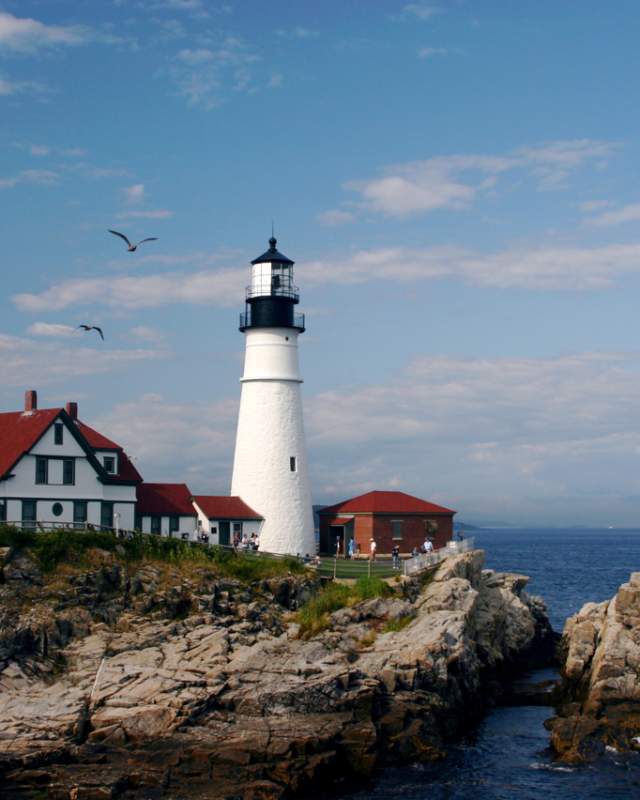
Of the total number, only a fraction are physically accessible to the public. Many are located on remote islands, requiring a private boat or a dedicated sightseeing cruise to view. Others, like the iconic Portland Head Light, are situated within well-maintained public parks, offering visitors a chance to explore the grounds, museums, and keepers’ dwellings. Distinguishing between those you can climb and those you must admire from the water is an essential part of planning a lighthouse tour along the coast.
Iconic Sentinels of the Pine Tree State
To understand the allure of Maine’s lighthouses, one must examine the specific sites that have defined the state’s character. These landmarks are more than mere utility; they are masterpieces of engineering and endurance.
The Historic Elegance of Portland Head Light
Situated in Cape Elizabeth, the Portland Head Light is undoubtedly the most photographed and recognized lighthouse in the state. Commissioned by George Washington in 1787 and completed in 1791, it is the oldest lighthouse in Maine. Its dramatic position overlooking the Casco Bay provides a stunning backdrop, particularly during the transition of seasons when the rocky cliffs contrast with the deep blue Atlantic waters.

Pemaquid Point Light: A Study in Architecture
Located in Bristol, the Pemaquid Point Light is frequently celebrated for its unique architectural profile. Built in 1827, it sits atop jagged metamorphic rock formations that have been warped and twisted by eons of tectonic pressure. The lighthouse itself is a beacon of stability, and the surrounding Pemaquid Point State Park provides an educational museum that chronicles the lives of the keepers who once served here.
West Quoddy Head Light: The Easternmost Point
As you travel further east toward Lubec, you encounter the West Quoddy Head Light. Famous for its distinctive red-and-white candy-cane stripes, this lighthouse guards the Quoddy Narrows, the narrow passage between the United States and Canada. It marks the easternmost point of the contiguous United States, offering visitors a profound sense of reaching the very edge of the continent.
The Evolution of Maritime Preservation
The preservation of Maine’s lighthouses is a testament to the state’s deep respect for its maritime past. In recent decades, a transition has occurred from federal management to community-based stewardship, ensuring these structures survive the harsh coastal winters.
The Role of Non-Profits and Historical Societies
Many of Maine’s lighthouses are now overseen by the American Lighthouse Foundation or local non-profit groups. By taking ownership of these structures, these organizations have managed to prevent the decay that often follows automation and abandonment. Through fundraising, historic restoration, and the creation of small museums, these societies ensure that the history of the Gulf of Maine remains alive for future generations.
Restoration Challenges
Restoring a lighthouse is an immense logistical challenge. Because many are located on exposed islands or exposed headlands, salt spray and hurricane-force winds relentlessly degrade masonry and iron. Projects often require specialized contractors who can work under strict historical preservation guidelines. For example, the restoration of the Owl’s Head Light in Rockland involved painstaking efforts to preserve the original brickwork while upgrading the modern Fresnel lens technologies contained within.
Planning Your Lighthouse Pilgrimage
For those inspired to see these beacons in person, a well-planned itinerary is essential. The Maine coast is sprawling, and many of the most picturesque sites require a departure from the main highways.
The Best Time to Visit
While summer offers the warmest weather and the most frequent ferry service to island-based lighthouses, the autumn months—specifically September and October—provide the best lighting for photography. The dense New England foliage creates a vibrant contrast with the white towers and gray rock, offering an aesthetic experience that is unmatched in other parts of the country.
Logistics and Coastal Navigation
When planning a trip, utilize the Maine Lighthouse Trail as a resource. It is important to note that many lighthouses, such as Mount Desert Rock Light, are accessible only by boat. Planning a trip around a visit to Acadia National Park allows for efficient travel, as the Bass Harbor Head Light is located within the park’s southern boundary, providing one of the most classic views of a lighthouse set against an evergreen-clad cliffside.

A Journey Through Time
Ultimately, visiting the lighthouses of Maine is an act of historical appreciation. Whether you manage to see a dozen or simply stop at one, you are participating in a tradition of coastal discovery that stretches back centuries. Each tower tells a story of survival, trade, and the inevitable struggle between human industry and the raw power of the sea. By visiting, you support the ongoing efforts to keep these lights burning—not necessarily as navigation aids for the modern captain, but as beacons of culture, history, and natural beauty for those who roam the shore.
LifeOutOfTheBox is a participant in the Amazon Services LLC Associates Program, an affiliate advertising program designed to provide a means for sites to earn advertising fees by advertising and linking to Amazon.com. Amazon, the Amazon logo, AmazonSupply, and the AmazonSupply logo are trademarks of Amazon.com, Inc. or its affiliates. As an Amazon Associate we earn affiliate commissions from qualifying purchases.