
For many families in California, the transition of a teenager from learner’s permit to a provisional driver’s license represents a significant milestone. It promises newfound independence for the young driver and offers the potential for greater logistical flexibility for the family. However, this period is also governed by a specific set of regulations designed to ensure safety and foster responsible driving habits. Among the most frequently asked questions for households with multiple children is whether a provisional driver can transport their younger siblings. Navigating these rules is crucial for maintaining compliance with state law and ensuring the safety and well-being of all family members. This question delves deep into the lifestyle implications for families, impacting daily routines, activity schedules, and the dynamics of teenage independence.
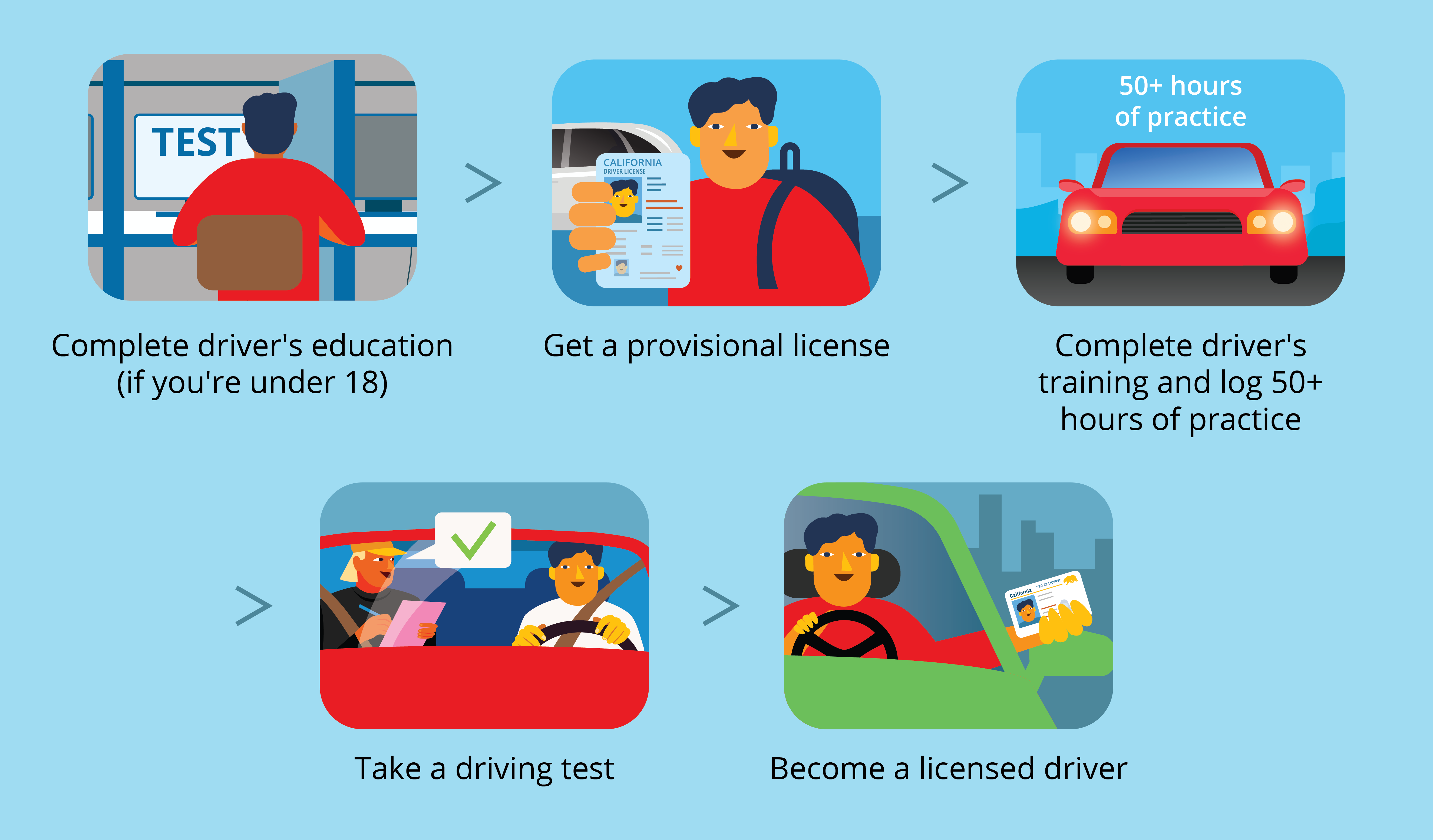
Decoding California’s Provisional Licensing System
The California Department of Motor Vehicles (DMV) implements a provisional licensing program, often referred to as a graduated driver’s license (GDL) program, for drivers under the age of 18. This system is designed to gradually introduce new drivers to the complexities of the road by imposing certain restrictions during their initial months of independent driving. The primary goal is to reduce the risk of accidents, as studies consistently show that new drivers, particularly teenagers, are at a higher risk of collision due to inexperience and susceptibility to distractions.
The Core Restrictions
Upon obtaining a provisional driver’s license in California, individuals under 18 become subject to two key limitations for the first 12 months or until they turn 18, whichever comes first:
- Passenger Restriction: A provisional driver cannot transport passengers under 20 years old. This rule applies unless they are accompanied by a licensed driver who is at least 25 years old. This accompanying driver must be in the vehicle’s front passenger seat.
- Time Restriction: A provisional driver is prohibited from driving between 11:00 PM and 5:00 AM. Similar to the passenger restriction, this rule can be waived if the provisional driver is accompanied by a licensed driver aged 25 or older.
These restrictions are not arbitrary; they are based on extensive research indicating that the presence of peer passengers and driving during late-night hours significantly increases the risk of crashes for new drivers. The absence of these distractions allows provisional drivers to focus on developing critical driving skills and judgment in a less complex environment.
Understanding the “Unless Accompanied” Clause
The “unless accompanied” clause is a significant aspect of the provisional license rules. It explicitly permits provisional drivers to operate a vehicle with passengers under 20 or during restricted hours if a qualified adult is present. This accompanying driver must possess a valid California driver’s license, be at least 25 years of age, and be seated in the front passenger seat to provide immediate supervision and guidance. This provision acknowledges that sometimes, a new driver needs to gain experience in various driving scenarios, but always under the watchful eye of an experienced mentor. For families, this means that while a provisional driver cannot solo-transport younger siblings, they can do so if a parent or another qualified adult is also in the car, effectively turning the drive into a supervised learning opportunity.
The Sibling Question: Navigating Passenger Restrictions
This brings us directly to the crux of the matter for many households: can a teenager with a provisional license drive their siblings? Given the core passenger restriction, the answer, in most circumstances, is a definitive “no.”
The Strict Interpretation
Under the provisional licensing rules in California, any individual under the age of 20 is considered a restricted passenger. This category includes siblings, regardless of their relation to the driver. Therefore, a provisional driver cannot legally transport a brother or sister who is under 20 years old, unsupervised, during the initial 12-month provisional period. This applies even if the provisional driver is the only option for getting the sibling to school, sports practice, or other activities. The law makes no exception for immediate family members in this general rule; a sibling is treated like any other non-family passenger under 20. The rationale behind this stringent rule is to minimize distractions for new drivers, as even well-behaved siblings can divert a driver’s attention, especially during critical early driving experiences.
Permitted Exceptions and Waivers
While the general rule is strict, the California DMV does acknowledge certain circumstances that may necessitate a provisional driver operating a vehicle outside of these restrictions. These exceptions, however, require specific documentation and are generally limited:
- Medical Necessity: If the provisional driver needs to transport themselves or an immediate family member for medical reasons, they can apply for an exception. This requires a signed statement from a physician, outlining the medical condition and the necessity of the transport.
- Schooling/School-Authorized Activities: Driving to or from school, or school-authorized events, can be an exception. A signed statement from the school principal, dean, or an authorized school official is required, verifying the necessity and the schedule.
- Employment Necessity: For provisional drivers who need to drive for employment purposes, an exception can be made. This necessitates a signed statement from the employer, detailing the need for driving during restricted hours or with restricted passengers as a condition of employment.
- Family Necessity: In situations where there is no reasonable alternative transportation for a family member, a provisional driver may be granted an exception. This requires a signed statement from a parent or legal guardian explaining the necessity. This is the most relevant exception for the sibling question. If transporting a sibling under 20 is a documented “family necessity” (e.g., getting them to an unavoidable appointment when no other licensed adult is available), and it falls under the scope of this exception, then it could be permissible.
It is crucial to understand that these exceptions generally apply to both the nighttime driving restriction and the passenger restriction. However, merely having a younger sibling is not sufficient; a compelling and documented “necessity” must be established. For any of these exceptions, the provisional driver must carry the signed statement with them at all times while driving. Failure to do so can result in citations and penalties. Families considering utilizing these exceptions should consult the official California Driver Handbook or the California DMV website for the most current and detailed information to ensure full compliance.

Impact on Family Lifestyle and Teen Independence
The provisional licensing rules, particularly concerning passenger restrictions, have a profound impact on the lifestyle of families with teenage drivers in California. While the rules are designed for safety, they inevitably introduce complexities into daily logistics and shape the journey towards a teenager’s full independence.
Family Logistics and Planning
For families in cities like Los Angeles or San Francisco with extensive public transportation, the impact might be mitigated. However, in many other parts of California, where public transport is less robust, parents often find themselves continuing as the primary chauffeurs for younger children, even after their eldest secures a provisional license. This can lead to intricate scheduling challenges, especially in households where multiple children have extracurricular activities, appointments, or social engagements that occur concurrently or during restricted hours. The hope that a newly licensed teenager will alleviate some of the driving burden is often deferred for the first year, requiring parents to maintain their active role in family transportation.
Cultivating Responsible Driving Habits
From a lifestyle perspective, the restrictions serve a vital educational purpose. They encourage provisional drivers to gain experience in controlled environments, focusing on the act of driving itself without the added complexities of peer or sibling interactions. This period allows teenagers to develop their judgment, spatial awareness, and hazard perception skills before facing the distractions that passengers, particularly those close in age, can introduce. It fosters a foundation of responsible driving, emphasizing safety over convenience during this critical learning phase. Parents play a crucial role during this time, continuing to model safe driving behaviors and reinforce the importance of adherence to all traffic laws. This often translates into family discussions about the rationale behind the rules, turning what might seem like a limitation into a valuable lesson in responsibility.
The Road to Full Independence
While the provisional period can feel restrictive, it is a temporary stepping stone on the path to full driving independence. For teenagers, successfully navigating this phase without incidents is a testament to their growing maturity and responsibility. The 12-month period allows them to build a track record of safe driving, which is paramount for both their safety and their family’s peace of mind. The anticipation of full licensure, which permits driving without passenger or time restrictions (provided other conditions are met), becomes a significant motivator. It marks the moment when a young person can truly contribute to family logistics, offer rides to friends and siblings, and enjoy the full freedom that comes with a California driver’s license, fundamentally altering their personal lifestyle and their role within the family.
Practical Tips for Provisional Drivers and Families in California
Understanding and adhering to the provisional licensing rules is paramount for families in California. Beyond legal compliance, it’s about fostering a safe driving culture and smoothly integrating this phase into the family’s daily life.
Understanding and Adhering to the Rules
The first and most critical step is for both the provisional driver and their parents to thoroughly understand the specific regulations. The California Driver Handbook, available from the California DMV, is the definitive resource. Regular, open communication within the family about these privileges and limitations helps manage expectations and reduces potential conflicts. It’s important for provisional drivers to understand the consequences of violating these rules, which can range from fines and community service to extended license restrictions or even suspension. Emphasizing the rationale behind the rules – safety and gradual skill development – can turn perceived limitations into accepted responsibilities.
Navigating Exceptions (If Applicable)
If a family anticipates needing an exception for transporting a sibling due to a documented “family necessity” or another qualifying reason, meticulous preparation is essential. Secure all necessary written statements and documentation well in advance. This means obtaining signed letters from parents/guardians, medical professionals, school officials, or employers as required for the specific exception. Always ensure these documents are readily accessible in the vehicle whenever the provisional driver is operating under an exception. It’s not enough to simply qualify; the physical proof must be present. Understand the precise scope of each exception; for instance, a “schooling” exception might only cover direct travel to and from school, not detours for other errands.
Planning and Alternative Transport
For situations where provisional driving rules limit options, families should proactively plan alternative transportation. This might involve:
- Car-pooling: Coordinating with other families or older, fully licensed drivers in the neighborhood can be an effective solution for school or extracurricular activities.
- Public Transportation: In urban centers like Los Angeles and San Francisco, leveraging public transport options (buses, trains) for siblings who are old enough can be a viable alternative.
- Ride-sharing Services: For younger siblings, ride-sharing services can be utilized, but always with a parent or guardian present in the vehicle, as minors cannot typically use these services unaccompanied.
- Older Siblings: If an older sibling has already obtained their full, unrestricted license, they can become a valuable asset in transporting younger siblings, offering a layer of support within the family’s transportation network.
- Parental Role: Ultimately, for the first 12 months, parents should anticipate and plan to continue being the primary drivers for children under 20, especially during restricted hours.
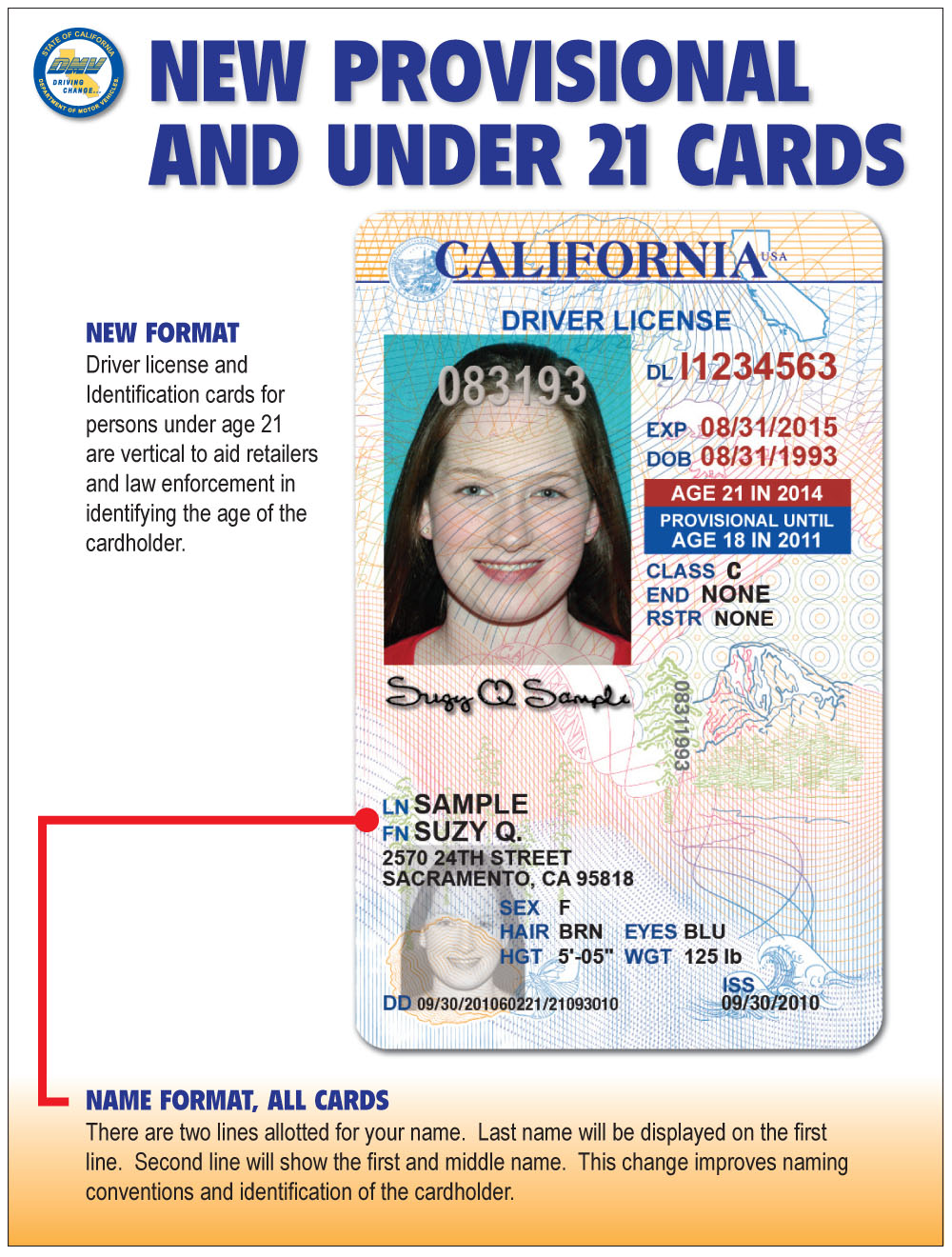
Fostering a Culture of Safety
Beyond mere compliance, the provisional period is an ideal time to instill a profound appreciation for safe driving practices. Parents should continue to reinforce defensive driving techniques, the importance of avoiding all distractions (especially cell phones), and strict adherence to speed limits. Leading by example is critical; parents who drive responsibly send a powerful message. Considering additional driving courses or supervised practice beyond the state minimum requirements can further enhance a provisional driver’s skills and confidence, preparing them for a lifetime of safe driving on California’s diverse roadways. This holistic approach ensures that while navigating the specific rules, the broader goal of safety and responsibility remains central to the family’s lifestyle.
LifeOutOfTheBox is a participant in the Amazon Services LLC Associates Program, an affiliate advertising program designed to provide a means for sites to earn advertising fees by advertising and linking to Amazon.com. Amazon, the Amazon logo, AmazonSupply, and the AmazonSupply logo are trademarks of Amazon.com, Inc. or its affiliates. As an Amazon Associate we earn affiliate commissions from qualifying purchases.