
The allure of Puerto Rico is undeniable. With its vibrant culture, stunning natural landscapes, and a rich tapestry of history, this Caribbean gem calls to travelers seeking an escape from the ordinary. The question that often arises for those planning a journey from the contiguous United States is simple yet crucial: “Can you drive to Puerto Rico from the United States?” The answer, while straightforward, opens the door to a more nuanced understanding of travel logistics and alternative approaches to reaching this island paradise.
While the geographical separation and the vast expanse of the Atlantic Ocean prevent a direct, continuous drive like traversing a highway between states, the concept of “driving” to Puerto Rico can be interpreted in a few different ways, especially when considering the ease and familiarity of driving your own vehicle once you arrive. The primary obstacle is, of course, the water. There are no bridges or tunnels connecting the mainland United States to the island territory. Therefore, a car journey in the traditional sense is not feasible. However, for those who cherish the freedom and convenience of having their own wheels to explore new destinations, the prospect of bringing a vehicle to Puerto Rico is a very real and often advantageous option.
This article will delve into the realities of reaching Puerto Rico with your vehicle, exploring the methods available, the considerations involved, and how to best prepare for an island adventure where driving yourself is a key component of the experience. We’ll look at the practicalities, the potential costs, and the benefits of choosing this method of travel, ensuring you’re well-equipped to plan your unforgettable trip.
Navigating the Waters: Bringing Your Vehicle to Puerto Rico
The most direct answer to the question of driving to Puerto Rico from the United States is that you cannot drive in the literal sense of crossing land bridges. However, the spirit of the question often implies a desire to have your personal vehicle at your disposal on the island. For this, there are established and common methods, primarily revolving around shipping your car.
Ro-Ro Shipping and Container Transport
The most prevalent way to get your car to Puerto Rico is through specialized shipping services. These typically fall into two main categories: Roll-on/Roll-off (Ro-Ro) and container shipping.
Roll-on/Roll-off (Ro-Ro) Services
Ro-Ro shipping is a method where your vehicle is driven onto a specialized cargo ship and then driven off at the destination. This is often the most cost-effective option for transporting cars, motorcycles, and other wheeled vehicles. The process is relatively straightforward: you’ll drive your car to a designated port in cities like Jacksonville, Miami, or San Juan (if shipping internationally, though in this case, it’s domestic). The shipping company will then secure your vehicle on the ship.
When considering Ro-Ro, it’s important to note that you typically cannot leave personal belongings inside the vehicle. This is a crucial detail for packing and preparation. The journey across the Atlantic Ocean can take several days, depending on the specific route and the shipping company’s schedule. Upon arrival in San Juan, you will collect your vehicle from the port.
Container Shipping
Another viable option is to ship your vehicle inside a dedicated container. This method offers an added layer of security and protection, as your car is enclosed. You can often ship personal items along with your car within the container, which can be a significant advantage if you’re moving or planning an extended stay. However, container shipping is generally more expensive than Ro-Ro. The process involves driving your car to a container terminal, where it is loaded into a shipping container. This container is then loaded onto a cargo ship. When your container arrives in Puerto Rico, you will need to pick it up from the container yard.
Regardless of the method chosen, booking your shipping well in advance is highly recommended, especially during peak travel seasons. Researching different shipping companies, obtaining quotes, and understanding their insurance policies are vital steps in ensuring a smooth and secure transport of your vehicle.
Factors to Consider When Shipping Your Car
Before you commit to shipping your vehicle, several factors warrant careful consideration:
- Cost: The price of shipping can vary significantly based on the company, the size of your vehicle, the chosen method (Ro-Ro vs. container), and the departure and arrival ports. It’s wise to get multiple quotes to compare. Remember to factor in potential port fees and insurance costs.
- Timeframe: Shipping takes time. The transit itself can take anywhere from a few days to over a week, not including the time needed for drop-off, processing, and pick-up at either end. Plan your travel dates accordingly to avoid unnecessary delays.
- Insurance: While shipping companies offer insurance, it’s essential to understand the coverage limitations. You might also want to check if your personal auto insurance policy extends to your vehicle while it’s being shipped.
- Vehicle Condition: Ensure your vehicle is in good working order. Most shipping companies will require your car to be in a drivable condition. Any pre-existing damage should be documented before shipping.
- Required Documentation: You will need to provide proof of ownership (title and registration), a valid driver’s license, and potentially identification such as a passport or birth certificate.
Exploring Puerto Rico at Your Own Pace
The primary advantage of bringing your own vehicle to Puerto Rico is the unparalleled freedom it offers for exploration. Once your car has arrived and you’ve cleared customs and collected it, you have the keys to unlock the island’s diverse attractions on your own schedule.
The Freedom of Independent Travel
Puerto Rico boasts an impressive network of roads, though their condition can vary from well-maintained highways to more rural and winding routes. Driving yourself allows you to:
- Discover Hidden Gems: Venture off the beaten path to find secluded beaches, quaint local eateries, and breathtaking viewpoints that might be harder to access with organized tours.
- Flexible Itinerary: Spontaneity is a traveler’s best friend. With your car, you can extend your stay at a particularly enchanting spot or change your plans on a whim without coordinating with a tour operator.
- Comfort and Convenience: Having your personal space, the ability to pack as needed, and the familiarity of your own vehicle can significantly enhance the comfort of your trip, especially for families or those with specific needs.
- Efficient Sightseeing: Maximize your sightseeing opportunities by efficiently moving between attractions. This is particularly useful when visiting multiple locations in a single day, such as exploring the historic streets of Old San Juan, then heading to the El Yunque National Forest.
Navigating Puerto Rican Roads
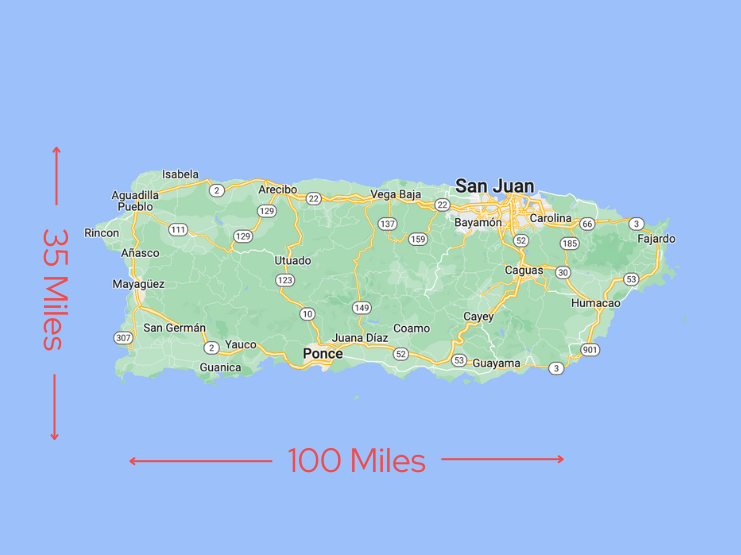
Driving in Puerto Rico is similar to driving in the mainland United States, as they drive on the right side of the road and use U.S. currency. However, there are a few nuances to be aware of:
- Road Conditions: While major highways like PR-52 (Autopista Luis A. Ferré) are generally well-maintained, smaller roads and routes in more rural areas can be narrower, less paved, and may have potholes. Drive cautiously and be aware of your surroundings.
- Local Driving Habits: Like many places, local driving styles can sometimes be more assertive. Be patient, defensive, and avoid getting frustrated.
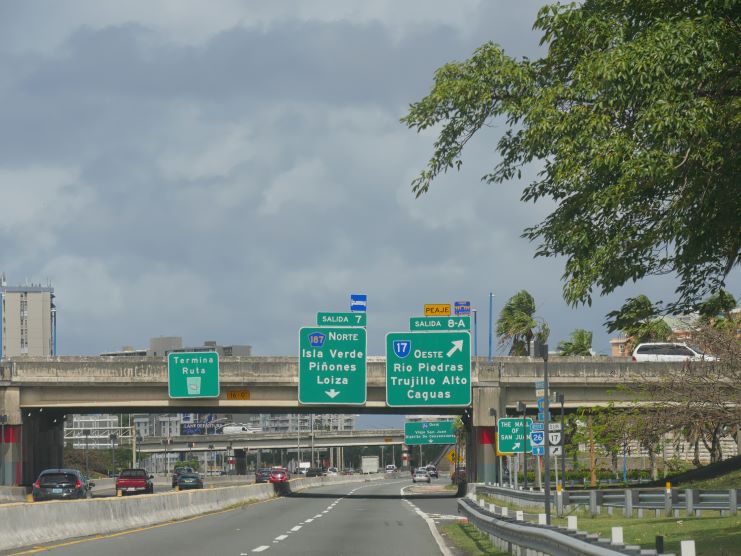
- Navigation: GPS devices and mapping apps on your smartphone are invaluable tools. Ensure you have a reliable data connection or download offline maps. Road signage is generally in Spanish, but common road symbols are universal.
- Parking: Parking can be challenging in popular tourist areas, especially in Old San Juan. Look for designated parking garages and lots. Some hotels offer parking, while others may charge a fee.
Alternatives to Driving Your Own Car
While bringing your car offers distinct advantages, it’s important to acknowledge that it’s not the only way to experience Puerto Rico. For many travelers, other transportation methods provide a more practical and cost-effective solution.
Rental Cars and Ride-Sharing Services
Upon arrival at Luis Muñoz Marín International Airport (SJU) in San Juan, you’ll find a wide array of car rental agencies. Renting a car is a popular and convenient option that allows for independent exploration without the complexities and costs of shipping. Rental agencies are also available in other major towns and cities across the island.
Ride-sharing services like Uber are operational in the San Juan metropolitan area and some surrounding regions, offering a flexible alternative for getting around within those vicinities. However, their reach might be limited in more remote or rural parts of the island.
Public Transportation and Taxis
Puerto Rico has a public transportation system, including buses, particularly within San Juan. The “Metropolitan Bus System” (MTA) operates routes throughout the capital and some adjacent municipalities. However, for extensive island-wide travel and exploring attractions outside of major urban centers, relying solely on public transport can be time-consuming and restrictive.
Taxis are readily available, especially at airports, hotels, and popular tourist spots. While convenient for short trips, they can become expensive for longer journeys or for covering multiple destinations.
Guided Tours and Excursions
For those who prefer not to drive at all, numerous tour operators offer guided excursions to key attractions. These can range from day trips to El Yunque National Forest, snorkeling tours to Culebra or Vieques, historical tours of Old San Juan, to culinary experiences. This option removes the stress of navigation and parking, allowing you to relax and enjoy the expertise of a local guide. Many resorts and hotels also organize or facilitate such tours for their guests.
Ultimately, the decision of whether to drive your own car to Puerto Rico depends on your travel style, budget, and priorities. For those who value ultimate freedom and convenience, shipping your vehicle is a viable, albeit involved, option. For others, renting a car or utilizing a combination of ride-sharing, public transport, and guided tours may be a more practical and enjoyable approach to discovering the wonders of this beautiful island. Regardless of how you choose to get around, Puerto Rico promises an unforgettable travel experience.
LifeOutOfTheBox is a participant in the Amazon Services LLC Associates Program, an affiliate advertising program designed to provide a means for sites to earn advertising fees by advertising and linking to Amazon.com. Amazon, the Amazon logo, AmazonSupply, and the AmazonSupply logo are trademarks of Amazon.com, Inc. or its affiliates. As an Amazon Associate we earn affiliate commissions from qualifying purchases.