
Florida, often celebrated for its sun-drenched beaches and vibrant theme parks, holds a lesser-known but equally compelling allure for outdoor enthusiasts: its exceptional turkey hunting opportunities. The Sunshine State is home to the Osceola turkey, a unique subspecies found nowhere else in the world, making it a prime destination for hunters seeking a challenging and rewarding experience. Understanding the intricacies of Florida’s turkey hunting seasons is paramount for any traveler planning to pursue this elusive game bird. This comprehensive guide delves into the precise timings, regulations, and essential considerations to ensure a successful and memorable Florida turkey hunt, firmly situating this adventure within the broader tapestry of travel experiences the state offers.
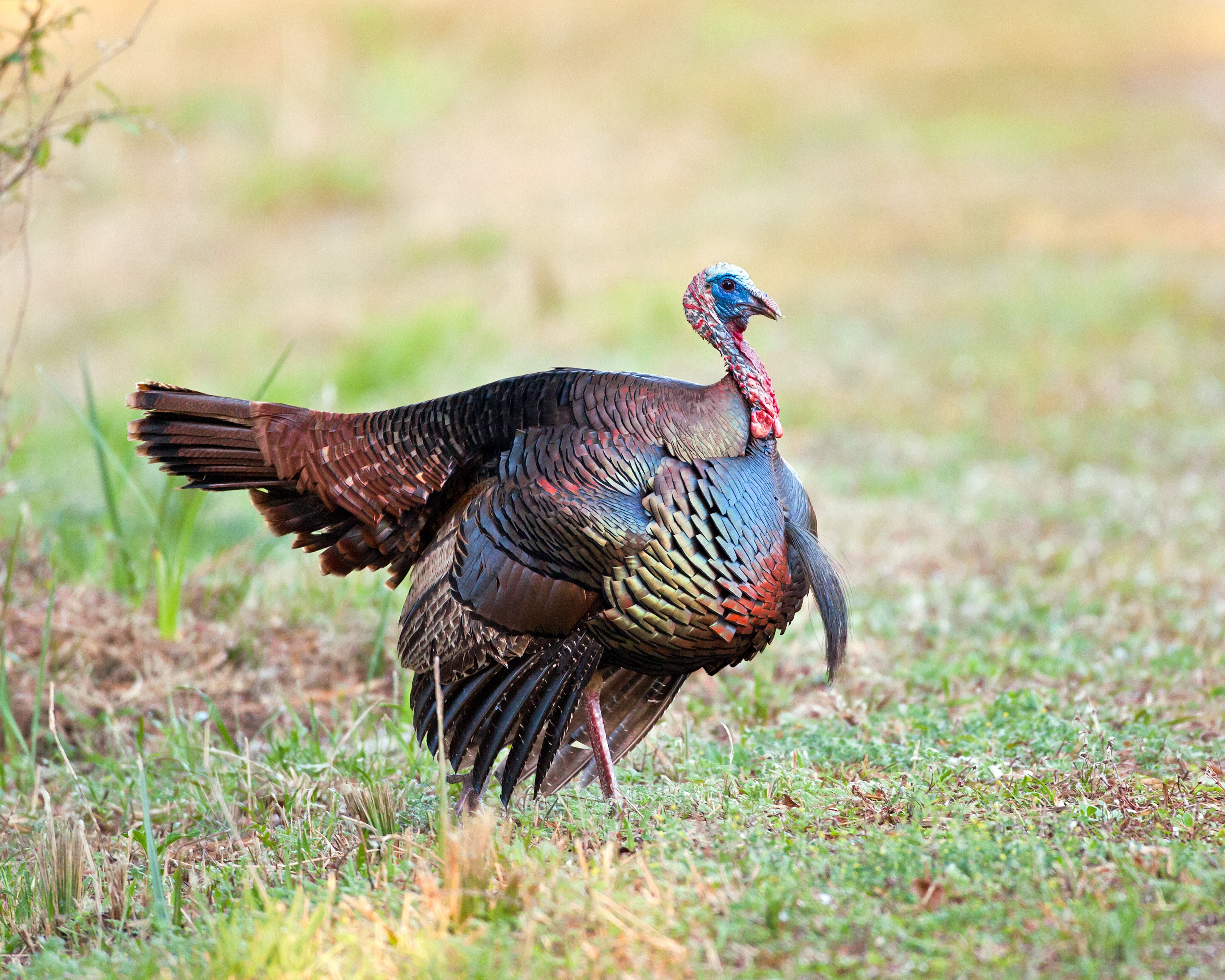
Turkey hunting in Florida is more than just a sport; it’s an immersion into the state’s diverse ecosystems, from vast pine flatwoods to dense cypress swamps. The thrill of the chase, the strategic calling, and the patience required create an unforgettable encounter with nature. For those unfamiliar with the state’s hunting calendar, timing is everything. Seasons are meticulously structured to promote conservation and provide ample opportunity for hunters across different regions, ensuring a sustainable future for the wild turkey population. Whether you’re a seasoned hunter aiming for a Grand Slam or a novice looking for a unique outdoor adventure, pinpointing the correct season and understanding the associated guidelines is the first step in planning your travel itinerary to Florida’s wild heartland.
Understanding Florida’s Turkey Seasons
Florida offers distinct turkey hunting seasons, primarily divided into spring and fall periods, each with its own characteristics and regional variations. These seasons are carefully regulated by the Florida Fish and Wildlife Conservation Commission (FWC) to manage turkey populations and provide ethical hunting opportunities. Travelers planning their trips must pay close attention to the specific dates, which can vary slightly year to year and are typically divided into zones.
Spring Gobbler Season: The Main Event
The spring gobbler season is undeniably the highlight for most turkey hunters in Florida. This is when the male turkeys, or gobblers, are actively engaged in breeding rituals, making them more vocal and responsive to calls. The goal during this season is to harvest a gobbler or a bearded turkey. The season is traditionally split into two main zones:
- South Zone: Typically opening in early March and running for approximately 37 days, this zone encompasses the southern counties of Florida, south of a line running through certain central counties. Due to its earlier warm weather, gobblers tend to become active sooner here. Hunters traveling to areas like Lake Okeechobee or the Everglades region will fall within this zone.
- Northwest Zone: This zone generally opens later, around mid-March, and also runs for about 37 days. It covers the panhandle region and other northern counties. This slightly delayed opening accommodates the later onset of spring breeding activity in the cooler northern parts of the state. Destinations such as the Apalachicola National Forest or near Tallahassee would be in this zone.
The dates for these zones are published annually by the FWC, usually in the late summer or early fall of the preceding year. It is crucial for travelers to consult the most current FWC regulations guide for precise dates before booking any travel or hunting excursions. The spring season is particularly coveted for the chance to hunt the Osceola turkey, a unique subspecies that attracts hunters from across the globe to Florida.
Fall Turkey Season: A Unique Opportunity
While less popular than the high-energy spring gobbler season, Florida also offers a fall turkey season. This season typically allows for the harvest of any turkey, including hens, making it a different kind of hunting experience. Fall hunting often involves scouting for flocks and ambushing turkeys as they move through feeding areas, rather than relying on calling to attract gobblers.
- General Fall Season: The fall season usually coincides with general gun seasons for deer and other game, often opening in November and extending into January, with varying dates by zone. Similar to spring, exact dates and permissible game vary by zone and management area.
- Archery and Muzzleloading Fall Seasons: Florida also provides specific archery and muzzleloading seasons in the fall, preceding the general gun season. These offer earlier opportunities for hunters preferring these traditional methods, often starting in September for archery and October for muzzleloaders.
Fall turkey hunting provides a different challenge and a quieter, more reflective experience compared to the intensity of spring gobbler season. It’s an excellent option for travelers who prefer to combine their turkey hunt with other fall hunting pursuits or simply enjoy the tranquility of Florida’s woods during the cooler months. Again, checking the latest FWC regulations for precise dates and bag limits is absolutely essential.
Essential Regulations and Licensing
Navigating the legal requirements for turkey hunting in Florida is critical for any out-of-state hunter. The Florida Fish and Wildlife Conservation Commission (FWC) sets forth clear guidelines regarding licenses, permits, bag limits, and legal hunting hours to ensure sustainable practices and public safety. Understanding and adhering to these regulations is not just about compliance; it’s about respecting the wildlife and the hunting heritage of the state. Travel plans must account for the time needed to acquire the necessary documentation before embarking on the hunt.
Required Permits and Licenses
All turkey hunters in Florida, including residents and non-residents, must possess a valid Florida hunting license. In addition to the general hunting license, a specific Florida Turkey Permit is required for all turkey hunters.
- Hunting License: Non-residents can purchase an annual non-resident hunting license or a 10-day non-resident hunting license, depending on the duration of their trip.
- Turkey Permit: This permit is mandatory for anyone hunting wild turkeys and must be purchased in conjunction with a valid hunting license.
Licenses and permits can be conveniently purchased online through the FWC website, at tax collectors’ offices, or from licensed vendors throughout the state, such as sporting goods stores. It is highly recommended that travelers acquire all necessary documentation well in advance of their hunting trip to avoid any last-minute delays. The cost of licenses and permits directly contributes to conservation efforts and wildlife management programs in Florida.
Bag Limits and Legal Shooting Hours
To ensure fair chase and population management, strict bag limits and shooting hours are enforced during Florida’s turkey seasons.
- Spring Gobbler Season: The typical bag limit is two gobblers or bearded turkeys per season. However, on some Wildlife Management Areas (WMAs), the bag limit might be one gobbler. It is vital to check the specific WMA regulations if hunting on public land.
- Fall Turkey Season: The bag limit for the fall season is typically two turkeys (of either sex) per day, with a total of two per season. Again, WMA regulations may differ.
- Legal Shooting Hours: Hunting is generally permitted from one-half hour before sunrise until sunset. This applies to both spring and fall seasons. Hunters must be vigilant about these times, as violations can lead to significant penalties.
Hunters should always tag their harvested turkey immediately according to FWC guidelines, which typically involve notching the hunting license or permit and logging the harvest via a phone app or website. Proper tagging and reporting are crucial for data collection that aids in conservation.

Where to Hunt: Public vs. Private Lands
Choosing the right location is as crucial as timing when planning a turkey hunting trip to Florida. The state offers a diverse range of habitats suitable for wild turkeys, accessible through both public land opportunities and private land leases or guided hunts. Each option presents unique advantages and challenges for the traveling hunter. Understanding these differences will help travelers tailor their hunting experience to their preferences and skill level.
Florida’s Wildlife Management Areas (WMAs)
Florida’s extensive system of Wildlife Management Areas (WMAs) provides excellent public hunting opportunities for turkeys. These areas are managed by the FWC and are designed to conserve wildlife habitats while offering recreational access. Hunting on WMAs often requires an additional WMA stamp or permit in addition to the state hunting license and turkey permit.
- Variety and Accessibility: WMAs range from vast national forests like the Osceola National Forest and the Ocala National Forest to smaller, more localized management units. Many offer primitive camping options, making them ideal for multi-day hunting trips.
- Quota Hunts: Due to high demand and conservation efforts, many popular WMAs implement quota hunts for turkeys, especially during the spring season. This means hunters must apply and be drawn for a limited number of permits to hunt during specific periods. The application period usually occurs months in advance, often in late summer or early fall, making early planning essential for travelers targeting specific public lands.
- Regulations Vary: Each WMA has its own specific set of regulations regarding season dates, bag limits, legal weapons, and access points. Hunters must consult the individual WMA brochures, available on the FWC website, before planning their trip. Popular WMAs known for turkey include Big Cypress National Preserve, Green Swamp WMA, and Blackwater River State Forest.
Hunting on WMAs can be challenging due to hunting pressure and the need to scout unfamiliar territory, but it offers an authentic and rewarding public land hunting experience in Florida’s wild landscapes.
Opportunities on Private Land
For travelers seeking a more exclusive or guided hunting experience, private land options abound in Florida. Large tracts of private property, often ranches, timberland, or agricultural areas, offer prime turkey habitat.
- Guided Hunts and Outfitters: Many professional outfitters and guides operate on private lands, offering all-inclusive packages that include lodging, meals, guides, and often guaranteed opportunities. This can be an excellent option for out-of-state hunters unfamiliar with the local terrain or those seeking a higher success rate. Outfitters typically know the best spots and can significantly enhance the hunting experience.
- Leases and Day Fees: Some private landowners offer leases for the season or charge day fees for access. This requires hunters to do their own scouting and hunting, but provides a less crowded environment than public lands.
- Benefits: Private land hunting often means less competition, better-managed turkey populations, and a more comfortable experience, especially if staying at a dedicated hunting lodge. The cost is generally higher than public land hunting, but for many travelers, the enhanced experience and potential for success are worth the investment. Many operations are located in central Florida in counties like Polk, Highlands, and Osceola, which are prime Osceola turkey country.
Regardless of whether you choose public or private land, thorough research and booking well in advance are crucial steps for any turkey hunting trip to Florida.
Preparing for Your Florida Turkey Hunt
A successful and ethical turkey hunt in Florida goes beyond knowing the seasons and regulations; it involves careful preparation. For travelers venturing to a new environment, understanding the specific gear, tactics, and ethical considerations for Florida’s unique conditions is paramount. Proper planning ensures not only a better chance of success but also a safer and more enjoyable overall travel experience.
Gear and Equipment Essentials
Florida’s climate and terrain present specific demands for turkey hunting gear. While general hunting equipment applies, some items are particularly important for the Sunshine State.
- Camouflage: Full camouflage, including face mask and gloves, is essential. Opt for patterns that blend with Florida’s varied vegetation, from palmetto thickets to pine forests.
- Footwear: Waterproof boots are highly recommended due to potential for wet conditions, swamps, and morning dew. Snake boots or gaiters are also wise given the presence of venomous snakes like rattlesnakes and cottonmouths.
- Calling Devices: A variety of calls – slate calls, box calls, mouth diaphragms – are standard. Practice with them before your trip to master realistic turkey vocalizations.
- Shotgun/Bow: Ensure your chosen firearm (typically a 12-gauge or 20-gauge shotgun with turkey loads) or bow is sighted in and appropriate for turkey hunting. Check WMA regulations for weapon restrictions.
- Thermacell/Insect Repellent: Mosquitoes and other biting insects can be relentless in Florida, especially in swampy areas. A Thermacell or strong repellent is a must-have.
- Water and Hydration: Florida’s heat and humidity can be deceptive, even in spring. Carry ample water to stay hydrated throughout the day.
- First-Aid Kit: A compact first-aid kit equipped for minor cuts, scrapes, and insect bites is always a good idea.
- Navigation Tools: GPS device or smartphone with mapping apps are crucial, especially on vast public lands. Even experienced hunters can get disoriented in unfamiliar territory.
Packing appropriately for Florida’s conditions will significantly enhance comfort and safety during your hunt.
Ethical Hunting and Conservation
Ethical hunting practices and a commitment to conservation are integral to the turkey hunting experience in Florida. Travelers should approach their hunt with respect for the animal, the environment, and fellow hunters.
- Fair Chase: Adhere strictly to fair chase principles, ensuring the turkey has a reasonable chance to escape. Avoid “road hunting” or shooting turkeys from vehicles.
- Respect Property: Whether on public or private land, respect boundaries and private property. Leave no trace, packing out all trash and spent shells.
- Wildlife Management: Understanding that hunting plays a vital role in wildlife management and population control is key. Your license and permit fees directly support FWC’s conservation efforts.
- Safety First: Always follow firearm safety rules. Be absolutely sure of your target and what is beyond it. Wear blaze orange when walking in to and out of your hunting spot, especially during the fall season when other game hunters might be present. Avoid wearing red, white, or blue while camouflaged in the spring, as these colors resemble a gobbler’s head and can attract unwanted attention from other hunters.
- Turkey Identification: Especially in spring, ensure you can properly identify a gobbler or bearded turkey to avoid accidentally harvesting a hen.
By embracing these ethical guidelines, hunters not only contribute to the longevity of Florida’s turkey populations but also uphold the integrity and positive image of the sport.

Beyond the Hunt: Making the Most of Your Florida Trip
While the primary focus of your travel might be the thrill of the turkey hunt, Florida offers a wealth of additional experiences that can complement your trip. Integrating other attractions and activities into your itinerary can enrich your travel experience and provide opportunities for relaxation and exploration once your hunting days are complete.
After the intense focus of a turkey hunt, consider unwinding along Florida’s stunning coastlines, whether it’s the Gulf or Atlantic side. Many hunting areas are within a few hours’ drive of popular beach destinations like Sarasota, St. Augustine, or the Emerald Coast, offering a stark contrast to the dense woods. Alternatively, explore some of Florida’s renowned state parks and natural springs, such as Blue Spring State Park or Weeki Wachee Springs State Park, for kayaking, snorkeling, or observing manatees.
For those interested in Florida’s unique culture and cuisine, a visit to cities like Gainesville, Orlando, or Tampa can offer diverse dining options, local breweries, and cultural attractions. Many of these cities also serve as convenient travel hubs, making transitions between hunting grounds and other leisure activities seamless. Combining the rugged challenge of a turkey hunt with the relaxed charm of Florida’s other offerings truly embodies the spirit of a comprehensive travel adventure, ensuring your trip is memorable in every dimension.
LifeOutOfTheBox is a participant in the Amazon Services LLC Associates Program, an affiliate advertising program designed to provide a means for sites to earn advertising fees by advertising and linking to Amazon.com. Amazon, the Amazon logo, AmazonSupply, and the AmazonSupply logo are trademarks of Amazon.com, Inc. or its affiliates. As an Amazon Associate we earn affiliate commissions from qualifying purchases.