
Understanding the intricacies of electoral processes is crucial for informed civic participation. In Colorado, a state known for its pioneering approach to voter access, the question of ballot submission often arises, particularly concerning whether one can submit a ballot on behalf of another individual. This topic is not just a matter of personal convenience but touches upon the fundamental principles of election security and individual voting rights. Navigating these rules ensures that every vote cast is legitimate and contributes to the integrity of the democratic process.
Ballot Collection Rules in Colorado
Colorado has specific regulations regarding who can return an absentee or mail-in ballot and under what circumstances. These rules are designed to prevent coercion and ensure that each ballot reflects the independent will of the voter. The primary objective is to safeguard the ballot’s journey from the voter’s hand to the official ballot box.

Who Can Return a Mail-In Ballot?
In Colorado, a voter who has received a mail-in ballot can return it through several authorized methods. The voter themselves can mail it back using the United States Postal Service, ensuring it is postmarked by Election Day and received within a specified timeframe after the election. Alternatively, voters can deliver their ballot in person to designated drop-off locations. These locations can include county clerk and recorder offices, polling places on Election Day, or secure ballot drop boxes established by the county.
The critical aspect for ballot submission is who is permitted to handle the ballot. The law generally permits the voter to return their own ballot. However, specific provisions allow for authorized assistance in certain situations. This is where the nuance of “dropping off someone else’s ballot” becomes relevant.
Authorized Ballot Collection Agents
Colorado law designates specific individuals who are authorized to return a ballot on behalf of another person. These individuals are often referred to as “ballot collection agents.” The legislation clearly defines who can act as such an agent to maintain the integrity of the voting process.
- Family Members: Close family members, such as a spouse, parent, child, sibling, grandparent, or grandchild, are generally permitted to return a ballot for another voter. This allows for convenient assistance within a trusted household.
- Household Members: Any person residing in the same household as the voter can also be authorized to return the ballot. This extends the allowance to other individuals who share a living space and may be assisting the voter.
- Caregivers: Individuals who provide care for the voter, whether professionally or informally, can also be authorized to return the ballot. This is particularly important for voters who may have difficulty leaving their homes due to illness or disability.
- Elected Officials or Their Designees: In some instances, elected officials or individuals specifically designated by them may be authorized to collect ballots from constituents. This provision is often tied to specific outreach efforts or community engagement initiatives.
It is crucial for individuals acting as ballot collection agents to understand their responsibilities. They are entrusted with ensuring the ballot is delivered securely and without alteration. They should not influence the voter’s choices or handle the ballot in any way that could compromise its anonymity or integrity. The voter must voluntarily hand over their ballot to the authorized agent for submission.
Restrictions on Ballot Collection
While Colorado allows for authorized ballot collection, there are also strict prohibitions in place to prevent ballot trafficking and voter intimidation. These restrictions are vital for upholding the principle of a free and fair election.
- Prohibition on Compensation: Individuals are generally prohibited from being paid or compensated for collecting or delivering absentee ballots. This measure aims to prevent the establishment of “ballot broker” schemes where individuals are incentivized to collect ballots, potentially leading to fraudulent activities.
- No Mass Collection: Unless specifically authorized by law (such as through official election office drop boxes), an individual cannot collect ballots from multiple voters who are not part of their immediate household or family. This prevents the consolidation of ballots by individuals who might seek to manipulate the process.
- No Tampering or Alteration: Any individual handling a ballot, whether their own or on behalf of another, is strictly forbidden from tampering with, altering, or destroying it. The ballot must be submitted exactly as the voter intended.
Violations of these ballot collection laws can carry significant penalties, including fines and imprisonment. Therefore, it is imperative for voters and their designated helpers to adhere strictly to the established guidelines.
The Role of Ballot Drop Boxes
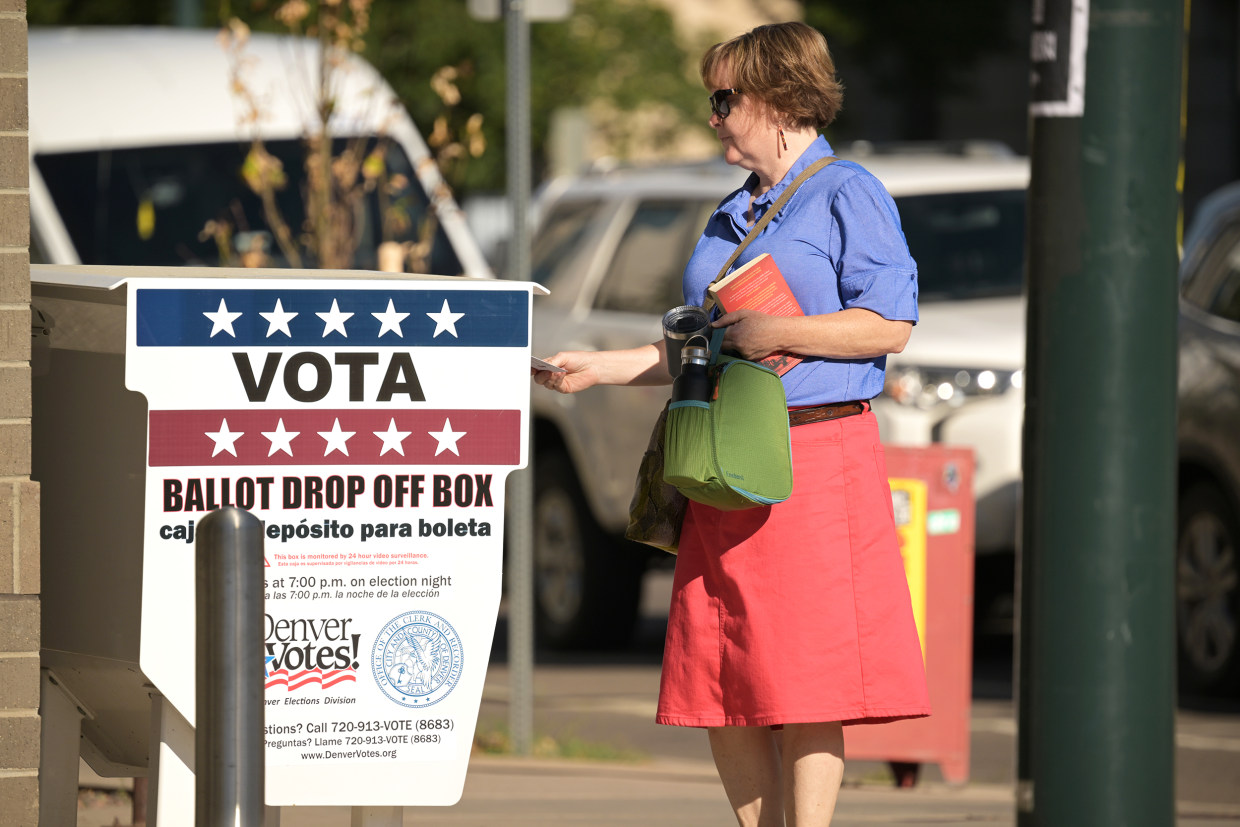
Colorado has embraced secure ballot drop boxes as a convenient and accessible method for voters to return their mail-in ballots. These drop boxes are a key component of the state’s commitment to making voting as easy as possible.
How Ballot Drop Boxes Work
Ballot drop boxes are secure, tamper-evident containers placed at strategic locations throughout the county. They are typically located at public facilities like libraries, community centers, and government buildings, ensuring accessibility. Voters can deposit their completed mail-in ballots into these boxes at any time during the early voting period up until the close of polls on Election Day.
The process is designed for simplicity: a voter fills out their ballot, seals it in the provided envelope, signs the affidavit, and then deposits it into the designated drop box. The ballots are regularly collected by bipartisan teams of election officials, who then transport them to the county election center for processing and tabulation.
Can Someone Else Use a Ballot Drop Box for You?
Yes, an authorized individual can indeed drop off someone else’s ballot in a designated ballot drop box in Colorado, provided they meet the criteria of an authorized ballot collection agent as previously outlined. This means a family member, household member, or caregiver who is assisting a voter can deposit that voter’s ballot into a secure drop box.
The key is that the voter must have voluntarily completed and sealed their ballot, and the person depositing it must be one of the authorized individuals. The drop box serves as a secure conduit, and authorized persons can utilize it to ensure the voter’s ballot is submitted. This significantly enhances voter convenience, particularly for those who may face mobility challenges or busy schedules.
It is important to reiterate that an individual cannot simply collect ballots from multiple unrelated people and deposit them. The authorization is tied to specific relationships and the voluntary act of the voter entrusting their ballot to another person.
Ensuring Ballot Integrity and Security
The regulations surrounding ballot collection in Colorado are rooted in a broader commitment to maintaining the integrity and security of the electoral process. Several mechanisms are in place to ensure that every vote cast is legitimate and that the election results are accurate.
Verification Processes
Once a mail-in ballot is returned, either via mail or drop box, it undergoes a rigorous verification process. Election officials examine the voter’s signature on the ballot envelope against the signature on file in the voter registration records. This signature verification is a critical step in confirming the identity of the voter.
If there are any discrepancies with the signature or if the ballot is missing information, the voter is typically notified and given an opportunity to “cure” the issue, meaning they can provide the necessary information or verification to ensure their ballot is counted. This “cure period” further enhances the security and inclusivity of the mail-in voting system.
Bipartisan Oversight
Colorado elections are conducted with bipartisan oversight at various stages. Ballot collection from drop boxes, for instance, is often performed by teams comprising members from different political parties. This shared responsibility helps to build trust and transparency in the process, ensuring that no single party has undue influence.

Voter Education and Outreach
The Colorado Secretary of State’s office and local county clerk and recorder offices conduct extensive voter education and outreach programs. These initiatives aim to inform voters about their rights and responsibilities, including how to properly cast their ballot, the importance of signature verification, and the rules governing ballot collection. Clear communication is a powerful tool in preventing accidental errors and deterring potential misconduct.
Understanding the legal framework for ballot submission in Colorado is essential for every voter. While the state provides ample opportunities for voters to cast their ballots conveniently, these conveniences are balanced with robust security measures designed to protect the sanctity of each vote. By adhering to the guidelines regarding who can return a ballot and how, citizens can actively participate in maintaining a trustworthy and accessible electoral system.
LifeOutOfTheBox is a participant in the Amazon Services LLC Associates Program, an affiliate advertising program designed to provide a means for sites to earn advertising fees by advertising and linking to Amazon.com. Amazon, the Amazon logo, AmazonSupply, and the AmazonSupply logo are trademarks of Amazon.com, Inc. or its affiliates. As an Amazon Associate we earn affiliate commissions from qualifying purchases.