
Navigating the process of establishing a business in the Sunshine State requires a clear understanding of the legal and administrative steps involved. Florida offers a vibrant economic landscape, attracting entrepreneurs from diverse sectors. Whether you’re planning to open a charming boutique in Miami, a unique Airbnb in the Florida Keys, or a consultancy serving the Orlando tourism industry, understanding business registration is paramount. This guide breaks down the essential procedures, ensuring a smooth and compliant launch for your venture.
Understanding Business Structures
Before diving into the registration process, it’s crucial to select the appropriate legal structure for your business. This decision impacts taxation, liability, and operational flexibility.
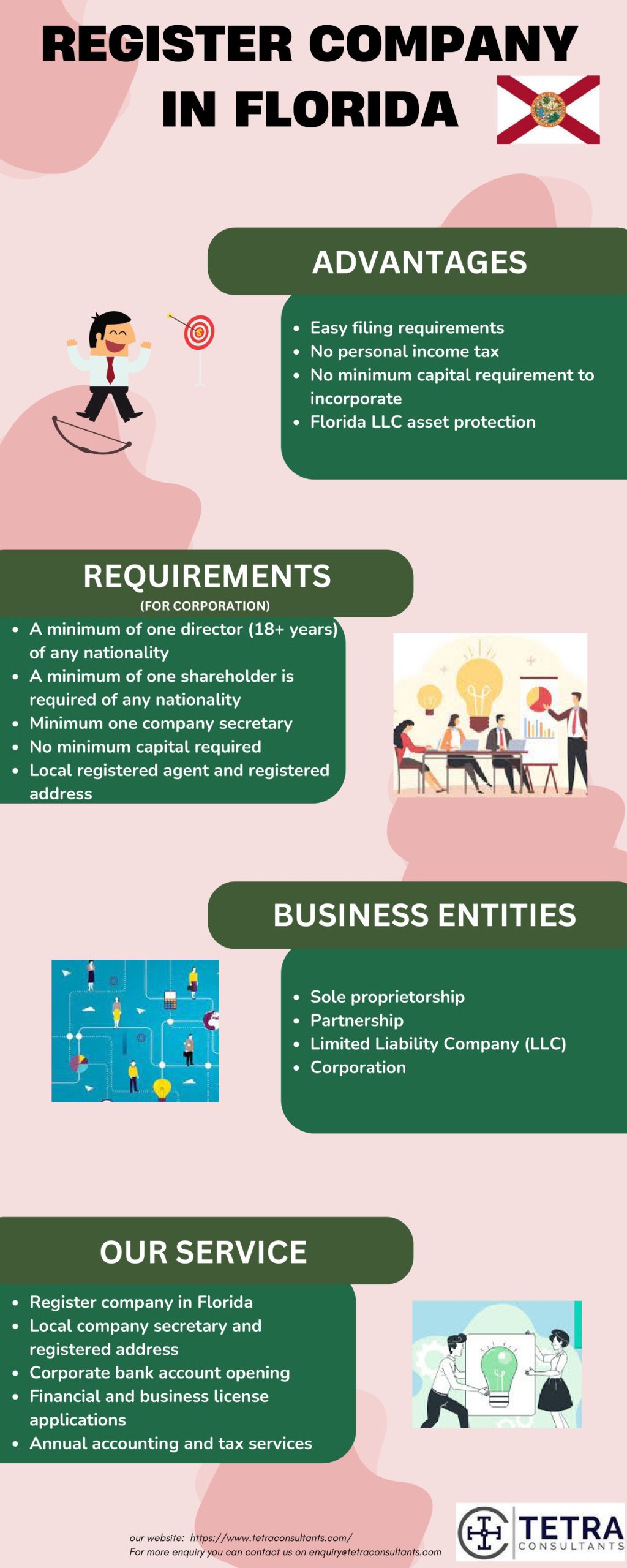
Sole Proprietorship
A sole proprietorship is the simplest business structure. It is owned and run by one individual, and there is no legal distinction between the owner and the business. While easy to set up, the owner is personally liable for all business debts and obligations. This structure is often chosen for very small operations or freelance work.
Partnership
Similar to a sole proprietorship, a partnership is a business owned by two or more individuals. Partners typically share in the profits and losses of the business. There are various types of partnerships, including general partnerships where all partners share in operations and liability, and limited partnerships, which have both general and limited partners with varying degrees of liability and control. Like sole proprietorships, partners are generally personally liable for business debts.
Limited Liability Company (LLC)
An LLC offers a hybrid structure, combining the pass-through taxation of a sole proprietorship or partnership with the limited liability of a corporation. This means that the personal assets of the owners (members) are protected from business debts and lawsuits. LLCs are popular for their flexibility in management and taxation. For many entrepreneurs in the tourism and hospitality sectors, an LLC provides a good balance of protection and simplicity.
Corporation
A corporation is a more complex legal entity, separate from its owners (shareholders). Corporations can raise capital more easily through the sale of stock and offer the strongest protection against personal liability. However, they are subject to more stringent regulations and may face “double taxation” – once at the corporate level and again when profits are distributed to shareholders. Common types include S Corporations and C Corporations, each with distinct tax implications.
The Registration Process in Florida
The specifics of registration vary depending on the chosen business structure. However, several core steps are common for most entities.
Choosing a Business Name
Your business name is a critical component of your brand identity. In Florida, your business name must be distinguishable from any other name already registered with the Florida Department of State.
Name Availability Search
Before officially filing, it’s wise to conduct a name availability search. You can do this through the Florida Department of State’s Division of Corporations website. This search will tell you if your desired name is already in use by another registered business. For an LLC or corporation, this is a mandatory step during the registration process.
Fictitious Name Registration (DBA)
If you plan to operate your business under a name different from your own legal name (for a sole proprietorship or partnership) or the registered legal name of your LLC or corporation, you will need to file a “fictitious name” or “doing business as” (DBA) registration. This is also filed with the Florida Department of State. For example, if your LLC is registered as “Sunshine Holdings LLC” but you want to operate a beachfront resort called “Oceanfront Escapes,” you would need to register “Oceanfront Escapes” as a fictitious name.
Obtaining an Employer Identification Number (EIN)
An Employer Identification Number, also known as a Federal Tax Identification Number, is issued by the Internal Revenue Service (IRS). It is essentially a Social Security number for your business. You will need an EIN if you plan to hire employees, operate your business as a corporation or partnership, or file certain tax returns. Even if not strictly required, many businesses opt to get an EIN for banking purposes and to maintain a clear separation between personal and business finances. The application is free and can be completed online through the IRS website.
Registering with the Florida Department of State
The primary entity for registering businesses in Florida is the Florida Department of State, Division of Corporations. The specific filing requirements depend on your business structure.
Filing Articles of Incorporation (for Corporations)
If you are forming a corporation, you must file Articles of Incorporation with the Florida Department of State. This document includes essential information such as the corporation’s name, the purpose of the corporation, the number of shares it is authorized to issue, and the names and addresses of the incorporators and registered agent. A registered agent is a person or entity designated to receive official legal documents on behalf of the corporation.
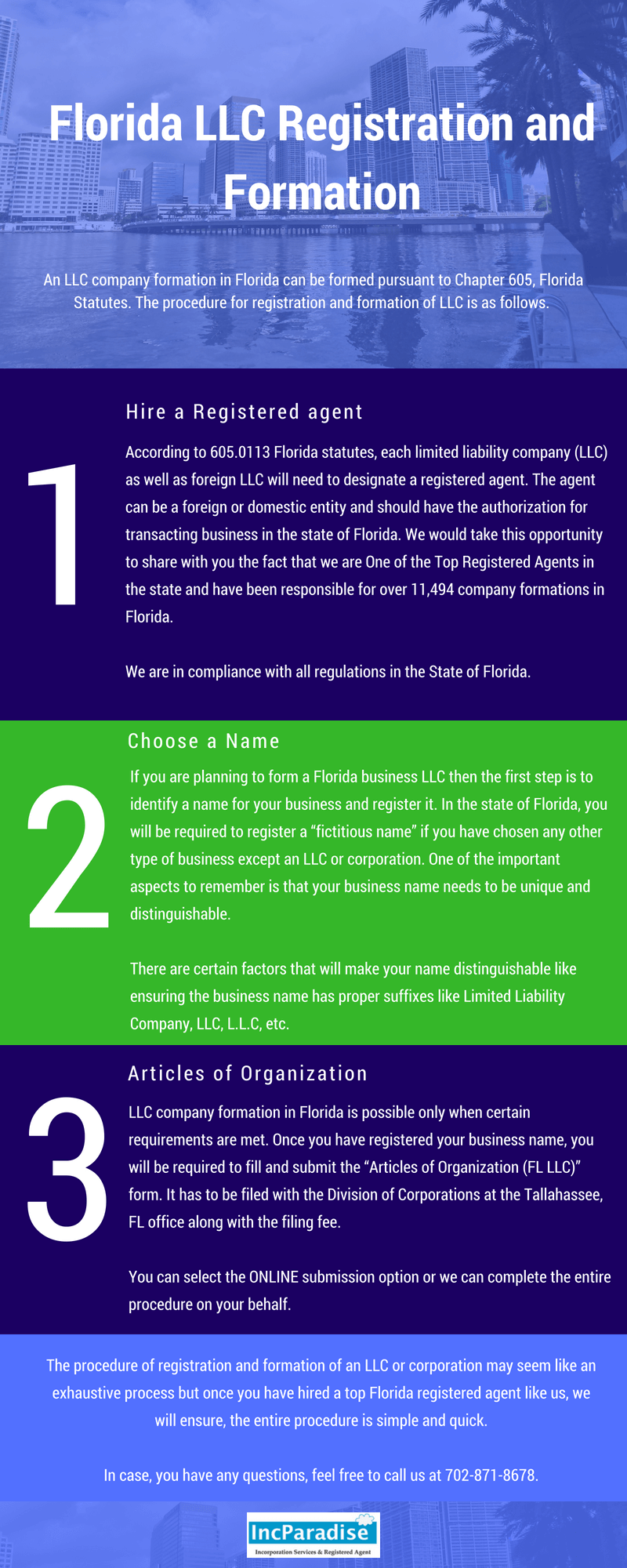
Filing Articles of Organization (for LLCs)
For Limited Liability Companies, the foundational document is the Articles of Organization. Similar to Articles of Incorporation, this filing requires information about the LLC’s name, its principal address, and the name and address of its registered agent. The Articles of Organization establish the LLC as a legal entity in Florida.
Registering Sole Proprietorships and Partnerships
Sole proprietorships and general partnerships generally do not file formation documents with the Florida Department of State unless they are using a fictitious name. In such cases, they would file a Fictitious Name Registration.
Obtaining Necessary Licenses and Permits
Beyond state-level business registration, you will likely need various licenses and permits to operate legally in Florida, depending on your industry and location.
State Licenses and Permits
Many industries are regulated at the state level and require specific licenses. For example, if you are opening a restaurant, you will need food service licenses. A real estate agency will require real estate broker licenses. The Florida Department of Business and Professional Regulation (DBPR) is a key agency overseeing many of these licenses. Consulting with the relevant state agencies is crucial to identify all required permits for your specific business. If your business involves selling goods subject to sales tax, you will need to register with the Florida Department of Revenue for a sales and use tax certificate.
Local Licenses and Permits
Cities and counties in Florida often have their own licensing and permit requirements. These can include business tax receipts (formerly occupational licenses) and zoning permits. For instance, a hotel or vacation rental operating in Key West will need to comply with specific local ordinances and obtain relevant permits from the city government. It is essential to contact the city hall or county government office where your business will be physically located to understand their specific requirements.
Opening a Business Bank Account
Once your business is officially registered and you have obtained your EIN, opening a dedicated business bank account is a vital step. This separates your personal finances from your business finances, which is crucial for maintaining accurate financial records, protecting your personal assets, and simplifying tax preparation. You will typically need your formation documents (Articles of Organization or Incorporation), your EIN, and identification to open an account.
Understanding Florida’s Tax Obligations
Florida has a unique tax landscape, with no state income tax for individuals. However, businesses are subject to various other taxes.
Sales and Use Tax
If your business sells tangible personal property or taxable services, you are generally required to collect and remit Florida sales tax to the Department of Revenue. This includes most goods and services provided by businesses in the tourism and hospitality sector.
Corporate Income Tax
While individuals do not pay state income tax, corporations operating in Florida are subject to corporate income tax. The rate is currently a flat 5.5% of net taxable income, with a $5,000 exemption.
Other Taxes
Depending on your business activities, you may also be subject to other taxes, such as unemployment tax if you have employees, and various industry-specific taxes and fees.
Maintaining Compliance
Registering your business is just the beginning. Ongoing compliance with state and federal regulations is essential for continued operation.
Annual Reports and Fees
Corporations and LLCs registered in Florida are required to file an annual report with the Florida Department of State. This report updates information about the business, such as its officers, directors, or members, and its registered agent. A filing fee is associated with this report. Failing to file can lead to administrative dissolution of your business.
Tax Filing and Payment
Regularly filing and paying all applicable federal, state, and local taxes is non-negotiable. This includes income tax, sales tax, and any other taxes relevant to your business operations.

Renewing Licenses and Permits
Licenses and permits often have expiration dates and require renewal. It is crucial to track these renewal deadlines to avoid operating without the necessary authorizations, which can result in significant fines and penalties.
For any entrepreneur looking to establish a presence in the dynamic Florida market, a thorough understanding of business registration is the first step towards a successful and sustainable venture. From selecting the right business structure to navigating the state and local requirements, this process lays the foundation for growth and compliance.
LifeOutOfTheBox is a participant in the Amazon Services LLC Associates Program, an affiliate advertising program designed to provide a means for sites to earn advertising fees by advertising and linking to Amazon.com. Amazon, the Amazon logo, AmazonSupply, and the AmazonSupply logo are trademarks of Amazon.com, Inc. or its affiliates. As an Amazon Associate we earn affiliate commissions from qualifying purchases.