
The vast and varied landscapes of Arizona offer a unique tapestry of experiences for travelers and locals alike. Beyond the iconic red rocks of Sedona and the awe-inspiring depths of the Grand Canyon, the state is home to a rich diversity of wildlife. Among these creatures, the javelina, often mistaken for a wild pig, holds a curious place in the local consciousness. This leads to a fascinating question for those exploring the local culture and cuisine: can you eat javelina in Arizona? The answer is complex, involving regulations, culinary traditions, and practical considerations.
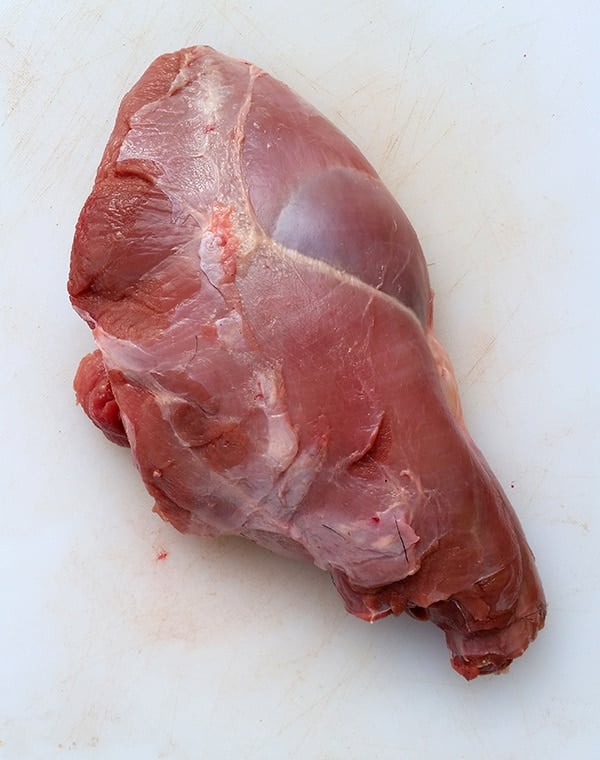
Understanding the Javelina in Arizona
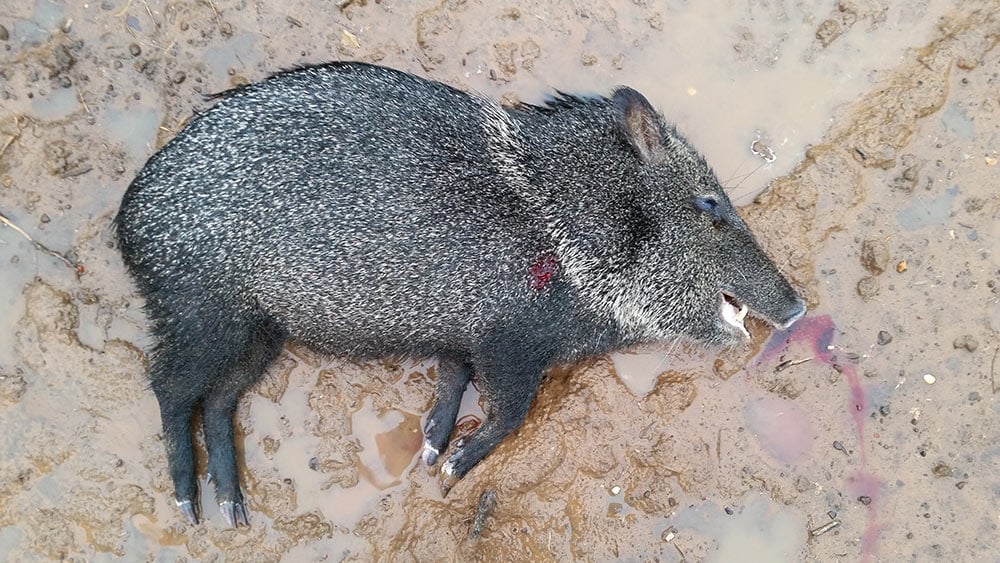
The collared peccary, or javelina, is a fascinating mammal native to the Americas, with a significant population thriving in Arizona. These hardy animals are characterized by their coarse, bristly hair, tusks, and a distinctive scent gland that gives them their common name. They are social creatures, typically found in herds, and are well-adapted to the arid and semi-arid environments of the Sonoran Desert and surrounding regions. Their diet is primarily herbivorous, consisting of cacti, mesquite beans, grasses, and roots, though they are known to opportunistically consume insects and small vertebrates.
Javelina’s Ecological Role
Javelinas play an important, albeit often unseen, role in the desert ecosystem. Their foraging habits can influence plant distribution and seed dispersal. As a prey species for larger predators like mountain lions, they are an integral part of the food web. Their presence is a common sight for hikers and wildlife enthusiasts exploring areas such as the Tonto National Forest or the Sonoran Desert National Monument. Observing them in their natural habitat is a quintessential Arizona experience, offering a glimpse into the resilience of life in the desert.
Legal Considerations for Harvesting Javelina
The question of whether one can eat javelina in Arizona is fundamentally tied to its legal status as a game animal. The Arizona Game and Fish Department regulates hunting and harvesting of wildlife within the state. Javelina are classified as game animals, meaning that their take is permissible under specific regulations and seasons.
Hunting Licenses and Permits
To legally hunt javelina in Arizona, individuals must possess a valid hunting license. Furthermore, specific javelina tags or permits are required for harvesting. These permits are often issued through a draw system, where hunters apply for a limited number of tags. The application periods and draw results are managed by the Arizona Game and Fish Department and are announced annually. Success in the draw determines the opportunity to hunt javelina.
Seasons and Bag Limits
The hunting seasons for javelina in Arizona vary by unit and game management area. These seasons are carefully established to ensure sustainable populations and are subject to change based on population surveys and ecological considerations. Similarly, bag limits are in place, dictating the number of javelina a hunter can harvest per season. Adhering strictly to these regulations is paramount for legal and ethical hunting practices. Ignorance of the law is not a defense, and violations can result in significant penalties.
Culinary Traditions and Javelina Consumption
The practice of consuming javelina is not new; it has roots in the traditional diets of indigenous peoples who have lived in the Southwest for centuries. For these communities, harvesting and utilizing all parts of the animal was a matter of survival and respect for nature. Today, while not a mainstream culinary item in most Arizona restaurants, javelina meat is consumed by some hunters and communities who have a cultural connection to its use.
Historical and Indigenous Perspectives

Historically, indigenous tribes such as the Hopi, Navajo, and various others that inhabited the region, relied on a diverse range of wild game for sustenance. Javelina, when available and successfully hunted, would have been part of this varied diet. The methods of preparation would have been influenced by available resources and cooking techniques, often involving slow cooking, roasting, or stewing to tenderize the meat.
Modern Culinary Exploration
For those who legally harvest javelina, the meat presents a unique culinary challenge and opportunity. Javelina meat is known to be lean and can be tougher than domesticated pork. Its flavor is often described as gamey, with some noting a distinctive musky aroma due to the scent glands. Proper field dressing, including the careful removal of the scent glands, is crucial to minimize any undesirable flavors.
Preparation Techniques
Successful preparation of javelina meat often involves techniques that break down connective tissues and tenderize the muscle. Slow cooking methods, such as braising, smoking, or stewing, are highly recommended. Marinating the meat can also help to tenderize it and impart additional flavors. Common preparations include javelina chili, pulled javelina for tacos or sandwiches, or even cured and smoked javelina. For those venturing into this culinary realm, seeking advice from experienced hunters or chefs who have worked with game meats is a prudent step.
Food Safety Considerations
As with any wild game, food safety is a critical concern. Javelina meat should be handled with the same care as any other raw meat. Proper refrigeration and cooking to the appropriate internal temperature are essential to prevent foodborne illnesses. Hunters are encouraged to have their harvested game inspected if they have any doubts about its health prior to harvesting. The Arizona Game and Fish Department often provides resources and guidelines on safe game handling practices.
Challenges and Considerations for Consumption
While legally permissible and culturally significant for some, consuming javelina is not without its challenges. The availability of javelina for harvesting is dependent on successful hunting endeavors, which can be unpredictable. Furthermore, the preparation and culinary appeal of the meat require specific knowledge and effort.
The “Gamey” Factor and Scent Glands
The primary culinary hurdle for many is the strong, musky odor and flavor associated with the javelina’s scent glands. These glands are located on the animal’s back and emit a potent musk. Hunters must be meticulous in their field dressing to locate and completely remove these glands. Failure to do so can render the meat unpalatable. Even with careful removal, some residual scent or flavor may remain, which is why certain preparation methods are favored to mask or complement this characteristic.
Lean Meat and Tenderness
Javelina are wild animals that are constantly active, resulting in lean muscle tissue. This leanness, while desirable for some dietary preferences, can lead to dry and tough meat if not prepared correctly. Unlike domesticated pigs, which have a higher fat content that contributes to tenderness and moisture, javelina meat requires specific cooking techniques to achieve a desirable texture. Slow, moist heat cooking is the most effective way to break down the tough muscle fibers and yield tender results.
Ethical Harvesting and Sustainability
For those who choose to hunt and consume javelina, ethical considerations and sustainability are paramount. This means adhering to all hunting regulations, respecting the animal, and utilizing as much of the harvested animal as possible. Sustainable harvesting practices ensure that populations remain healthy and can continue to thrive in their natural environment for generations to come. This approach aligns with the broader ethos of responsible outdoor recreation and appreciation for Arizona’s natural resources.
In conclusion, the question of whether one can eat javelina in Arizona is answered with a qualified yes. Legally, it is permitted for licensed hunters during designated seasons. Culinarily, it presents a unique opportunity for those willing to learn the proper techniques for preparation, particularly regarding the management of scent glands and the tenderization of lean meat. For some, it represents a connection to ancestral traditions and a deeper appreciation for the resources provided by the Arizona wilderness. While not a dish found on the menu at a Phoenix steakhouse or a Tucson resort, javelina consumption remains a part of the diverse cultural tapestry of this remarkable state.
LifeOutOfTheBox is a participant in the Amazon Services LLC Associates Program, an affiliate advertising program designed to provide a means for sites to earn advertising fees by advertising and linking to Amazon.com. Amazon, the Amazon logo, AmazonSupply, and the AmazonSupply logo are trademarks of Amazon.com, Inc. or its affiliates. As an Amazon Associate we earn affiliate commissions from qualifying purchases.