
Navigating the complexities of reproductive healthcare can be a daunting experience, particularly when geographical restrictions or legislative changes come into play. For individuals seeking information about medical procedures like a dilation and curettage (D&C) in the state of Texas, understanding the current landscape is crucial. This article aims to provide a clear overview of how one might access this procedure within Texas, focusing on the practicalities and considerations for those exploring their options.
Understanding Dilation and Curettage (D&C)
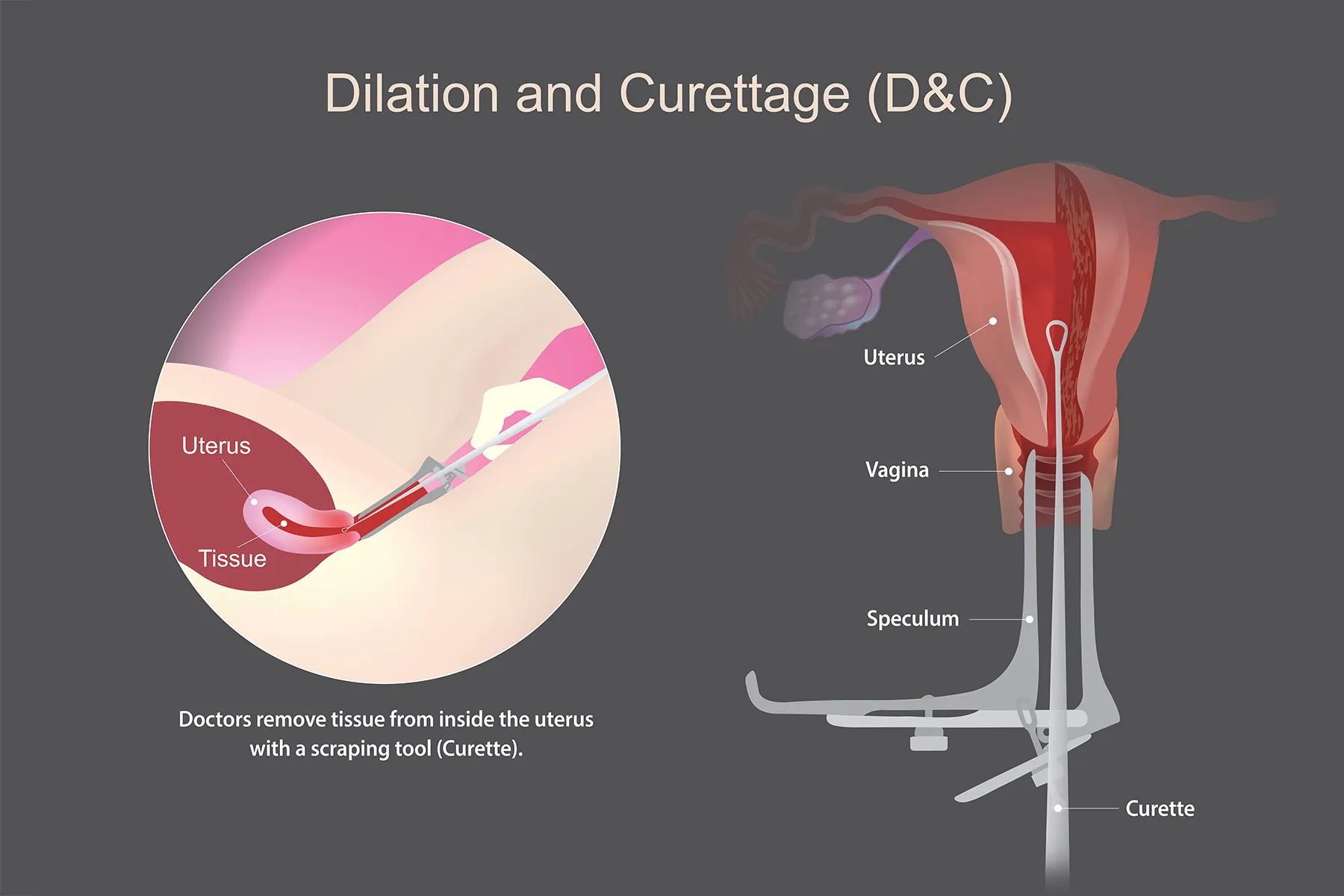
A dilation and curettage, commonly referred to as a D&C, is a gynecological procedure involving the dilation (widening) of the cervix and the scraping of the uterine lining. This procedure is typically performed to diagnose or treat various uterine conditions.
Reasons for a D&C
The indications for a D&C are diverse and can include:
- Diagnosis of uterine conditions: A D&C can be used to obtain tissue samples for examination to diagnose conditions such as uterine polyps, fibroids, or endometrial hyperplasia. It is also a key diagnostic tool for detecting uterine cancer.
- Treatment of abnormal uterine bleeding: Heavy, irregular, or prolonged menstrual bleeding can often be managed with a D&C, especially if other medical treatments have been unsuccessful.
- Management of miscarriage or abortion: A D&C is frequently used to remove pregnancy tissue that remains in the uterus after a miscarriage or to manage certain types of abortion. In the context of abortion, the legal framework surrounding its availability in Texas is particularly relevant.
- Postpartum bleeding: In cases of excessive bleeding after childbirth, a D&C may be necessary to remove retained placental fragments.
The Procedure Itself
The D&C procedure is generally performed on an outpatient basis, meaning patients can typically go home the same day. It can be done under various types of anesthesia, ranging from local anesthesia to general anesthesia, depending on the patient’s preference, the complexity of the procedure, and the physician’s recommendation.
- Dilation: The cervix is gently stretched open using a series of dilators or sometimes through medication.
- Curettage: A curette, which is a surgical instrument shaped like a scoop, is used to gently scrape the lining of the uterus. In some cases, a suction device may also be used.
- Recovery: Recovery time varies but most individuals can resume normal activities within a day or two. Some cramping and spotting are common.
Legal and Regulatory Landscape in Texas
The availability of abortion-related medical procedures in Texas is significantly influenced by state law. Since the overturning of Roe v. Wade, Texas has implemented strict regulations regarding abortion. Understanding these laws is paramount for anyone considering a D&C for abortion-related reasons.
Current Abortion Laws in Texas
Texas has one of the most restrictive abortion laws in the United States. As of the current legal standing, abortion is banned from conception, with very limited exceptions.
- Bans from Conception: Abortion is generally prohibited at all stages of pregnancy, with no exceptions for rape or incest.
- Medical Emergency Exception: The law permits abortion only when it is necessary to save the life of the pregnant patient or to prevent substantial impairment of a major bodily function. The interpretation and application of this exception are subject to ongoing legal scrutiny and physician discretion, which can create uncertainty.
- Trigger Law: Texas has a “trigger law” that went into effect following the Supreme Court’s decision, reinforcing the ban on abortion.
- Civil Lawsuits: The state also allows private citizens to sue anyone who performs or “aids or abets” an abortion that violates the law, creating a chilling effect on providers.
Impact on D&C Procedures for Abortion
For individuals seeking a D&C for the purpose of terminating a pregnancy in Texas, the legal restrictions mean that such procedures are largely unavailable, except in extremely narrow medical emergency circumstances. This has led many individuals to seek such services outside of Texas.
Accessing D&C for Non-Abortion Related Reasons
While abortion-related D&Cs are severely restricted in Texas, the procedure itself remains a medically necessary intervention for other gynecological conditions. Accessing a D&C for reasons such as diagnostic purposes, treatment of abnormal bleeding, or managing miscarriage complications is generally still possible.
Consulting with Healthcare Providers

The first step for anyone requiring a D&C for non-abortion related reasons is to consult with a trusted healthcare provider, such as a gynecologist or a primary care physician.
- Diagnosis and Evaluation: A thorough medical evaluation will be conducted to confirm the necessity of the procedure. This may involve physical examinations, ultrasounds, blood tests, and other diagnostic tools.
- Discussion of Options: Healthcare providers will discuss the D&C as a treatment option, along with any potential alternatives, the risks and benefits associated with the procedure, and the expected recovery process.
- Referrals: If the condition requires specialized care, the provider may refer the patient to a specialist or a hospital facility.
Finding Facilities and Doctors in Texas
For individuals in Texas needing a D&C for legitimate medical reasons other than elective abortion, the process involves seeking care from licensed medical professionals and accredited healthcare facilities.
- Hospitals and Clinics: Many hospitals and women’s health clinics across Texas offer D&C procedures for non-pregnancy termination indications. Major cities like Houston, Dallas, Austin, and San Antonio have numerous healthcare facilities.
- Insurance Coverage: It is advisable to check with your insurance provider regarding coverage for D&C procedures, as coverage can vary based on the specific medical necessity and the insurance plan.
- Physician Recommendations: Word-of-mouth referrals from trusted sources or recommendations from your primary care physician can be invaluable in finding a competent and reputable gynecologist.
Alternatives and Considerations for Out-of-State Travel
Given the stringent laws in Texas, individuals seeking an abortion, or a D&C for abortion-related management, often consider traveling to other states where these procedures are legally accessible.
States with More Permissive Laws
Several neighboring states and states further afield have different legal frameworks that allow for abortion access.
- New Mexico: New Mexico has more permissive abortion laws and has become a destination for individuals traveling from states with bans.
- Colorado: Colorado also maintains access to abortion services.
- California: While further away, California continues to protect abortion access.
Planning for Travel
Traveling out of state for medical care requires careful planning.
- Researching Clinics: It is essential to research clinics in the destination state, understand their procedures, costs, and appointment availability. Organizations like Planned Parenthood or the National Abortion Federation can provide resources.
- Logistics: This includes arranging transportation, accommodation if needed, and time off work. Cities like Denver or Santa Fe might be considered depending on the individual’s starting point within Texas.
- Financial Assistance: Travel for abortion care can be expensive. Various abortion funds and practical support organizations exist to help with the costs of the procedure, travel, and lodging.
Seeking Support and Information
Navigating reproductive healthcare decisions can be emotionally and practically challenging. Accessing accurate information and support is vital.
Reputable Health Organizations
Numerous organizations provide comprehensive information and resources on reproductive health.
- Planned Parenthood: Offers a wide range of reproductive health services and information.
- National Abortion Federation (NAF): Provides a hotline and resources for individuals seeking abortion care.
- Local Women’s Health Clinics: Many local clinics, even within Texas, can offer non-judgmental counseling and information regarding all reproductive health options, even if the specific procedure is restricted.

Understanding Your Rights and Options
It is important for individuals to be well-informed about their rights and the available options, whether they are seeking care within Texas for medically indicated reasons other than abortion, or considering travel for abortion services. Consulting with healthcare providers and reputable organizations is the most reliable way to obtain accurate and up-to-date information. The legal landscape surrounding reproductive health is subject to change, making ongoing awareness crucial.
LifeOutOfTheBox is a participant in the Amazon Services LLC Associates Program, an affiliate advertising program designed to provide a means for sites to earn advertising fees by advertising and linking to Amazon.com. Amazon, the Amazon logo, AmazonSupply, and the AmazonSupply logo are trademarks of Amazon.com, Inc. or its affiliates. As an Amazon Associate we earn affiliate commissions from qualifying purchases.