
In the dynamic world of travel and accommodation, the traditional model of a 24-hour hotel stay, typically from afternoon check-in to midday check-out, has long been the standard. However, modern lifestyles, evolving work patterns, and the increasing demand for flexibility have reshaped how individuals seek and utilize lodging. The question “Can you get a hotel room for a few hours?” is no longer niche but a common inquiry, reflecting a growing need for accommodation solutions that cater to brief, specific durations rather than full overnight stays. The answer, increasingly, is a resounding yes, thanks to innovative approaches by hotels and specialized booking platforms designed to meet these exact requirements.
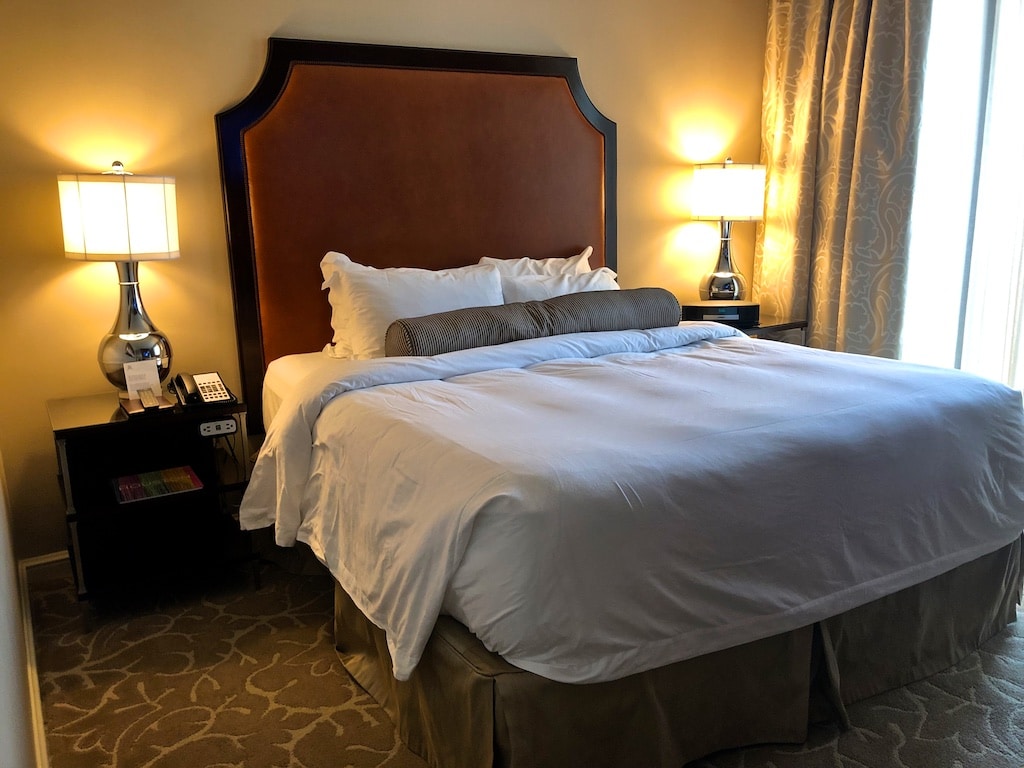
This shift signifies a significant evolution in the accommodation sector, moving beyond rigid booking structures to embrace more agile, customer-centric offerings. From global business travelers needing a refresh during a lengthy layover to locals seeking a quiet workspace away from home, the demand for hourly or day-use hotel rooms has created a distinct segment within the hospitality industry. Understanding these options, their benefits, and how to access them is key to navigating the modern accommodation landscape efficiently.
The Evolving Landscape of Short-Stay Accommodation
The hospitality industry, traditionally built around nightly rates, has witnessed a remarkable transformation driven by changing consumer behaviors and technological advancements. What was once an unusual request is now a recognized and often advertised service, indicative of a broader trend towards flexible, on-demand services across various sectors.
The Traditional Model vs. Modern Needs
Historically, hotel rooms were solely for overnight stays. A guest arriving early might be charged for an extra night, and a late departure would incur similar fees or penalties. This model worked well for vacationers and standard business trips, but it left a significant gap for those whose needs didn’t align with a 15-hour overnight booking. Consider a traveler with an early morning flight arrival who needs a few hours of rest before an afternoon meeting, or a remote worker seeking a focused environment for a few hours without the commitment of a full day in a coworking space. The rigidity of the traditional model often led to underutilized rooms and missed revenue opportunities for hotels, while leaving potential guests without suitable options.
Rise of Micro-Stays and Day-Use Hotels
Recognizing this unmet demand, a new segment of accommodation has emerged: micro-stays, often facilitated by “day-use hotels.” These establishments, or specific programs within larger hotel chains, offer rooms for durations ranging from 2 to 8 hours during daytime hours. This concept allows hotels to monetize rooms that would otherwise sit empty between a morning check-out and an afternoon check-in, providing an additional revenue stream. For guests, it offers unprecedented flexibility and cost-effectiveness.
Several platforms have sprung up to connect users with these hourly options. Services like DayBreak Hotels, HotelsByHours, and Between 9and5 specialize in curating and booking day-use rooms, partnering with a wide array of properties from budget-friendly options to luxury resorts in major cities like New York City, London, and Paris. These platforms simplify the search and booking process, making it easier than ever to secure a room for just a few hours.
Why People Seek Hourly or Day-Use Rooms
The motivations behind booking a short-stay hotel room are as diverse as the individuals themselves, spanning professional needs, personal comfort, and practical necessities. Understanding these use cases highlights the value proposition of this evolving accommodation model.
Business Travelers and Layover Comfort
For the modern business traveler, efficiency and well-being are paramount. Long-haul flights often involve extensive layovers or require an immediate transition into meetings upon arrival. A day-use room at an airport hotel or a property conveniently located near a business district offers a crucial sanctuary. Guests can refresh, shower, change clothes, or catch up on emails in a quiet, private space without the expense of a full overnight stay. For example, an executive flying into Frankfurt with a several-hour gap before their next flight can utilize a room at a nearby Hilton Worldwide property to regroup. This ability to recharge significantly boosts productivity and reduces travel fatigue.
Local Getaways and “Work From Hotel” Trends
The concept of a “staycation” or a brief local escape has gained traction, allowing individuals or couples to enjoy a change of scenery without extensive travel. Day-use rooms offer an affordable way to experience the amenities of a hotel – perhaps a dip in the pool, access to a spa, or just a few hours of uninterrupted privacy – within their own city. Furthermore, the “work from hotel” trend has emerged as a popular option for remote workers or freelancers. With the rise of distributed teams, many seek an alternative to their home office or noisy coffee shops. A quiet hotel room provides dedicated workspace, reliable Wi-Fi, and a professional environment for important calls or focused work. Chains like Accor Group have specifically marketed day-use options for this purpose in cities like Singapore.
Practical Needs and Emergency Situations
Beyond leisure and business, day-use rooms serve crucial practical needs. Individuals might require a quiet space for a few hours before an evening event, a place to rest after a medical appointment, or a private area to prepare for a special occasion like a wedding or graduation. In less common but critical scenarios, they can provide a temporary refuge during a home emergency, a power outage, or an unexpected delay in travel plans. These rooms offer a convenient and often essential solution for unpredictable circumstances, providing immediate comfort and privacy.
Navigating Your Options for Short-Term Stays
Acquiring a hotel room for a few hours requires a slightly different approach than booking a traditional overnight stay. While direct inquiries are always an option, specialized platforms have streamlined the process, offering transparency and a broader selection.
Dedicated Day-Use Booking Platforms

The most efficient way to find and book a room for a few hours is through dedicated online platforms. Websites like DayBreak Hotels aggregate listings from partner hotels that offer day-use rates. These platforms allow users to search by location, date, and duration, often displaying the specific check-in and check-out times available. They typically offer discounts compared to a full overnight rate, making them an economically viable choice. When using these platforms, it’s crucial to confirm the exact hours of access and any included amenities to ensure they align with your needs.
Direct Hotel Inquiries and Policies
While convenient, not all hotels are listed on day-use platforms. Some independent hotels or smaller chains might offer hourly rates upon direct inquiry, especially if they have low occupancy during the day. It’s always worth calling the hotel directly to ask about their day-use policies or early check-in/late check-out options. Be specific about your needs: state clearly that you only require the room for a few hours during the day. Some hotels, particularly those near airports or convention centers, might have established procedures for this, while others may be more flexible on a case-by-case basis. Brands under Marriott International or Wyndham Hotels & Resorts may have specific properties that are more amenable to these requests due to their business models.
Exploring Alternative Accommodation Types
While the focus is on hotels, it’s worth noting that other accommodation types sometimes offer similar flexibility. Some co-working spaces with private offices can be rented by the hour or day, offering a suitable alternative for professional needs. Occasionally, boutique guesthouses or serviced apartments might also be open to short-term, daytime rentals, although this is less common and usually requires direct negotiation. However, for the convenience, amenities, and established service of a hotel, dedicated day-use options remain the most straightforward choice.
Pricing Models and Value Proposition
The cost of a day-use hotel room is typically structured differently from an overnight stay, offering a distinct value proposition for guests who only need accommodation for a limited period. Understanding these pricing dynamics is essential for making an informed booking.
Understanding Day-Use Rates vs. Overnight Stays
The primary appeal of booking a room for a few hours lies in its cost-effectiveness. Day-use rates are almost always significantly lower than overnight rates, often ranging from 30% to 70% of the full nightly price. This reduction reflects the shorter duration of use and the hotel’s ability to resell the room for an overnight stay later that day. For instance, a luxury hotel in Dubai might charge $400 for an overnight stay, but offer a 4-hour day-use rate for $150–$200. This tiered pricing allows hotels to optimize occupancy and revenue across different segments of the day, while providing guests with a budget-friendly option for short-term needs.
Factors Influencing Cost
Several factors influence the price of a day-use room.
- Hotel Category: Luxury hotels will naturally charge more than budget-friendly options, even for a few hours. A room at the Ritz-Carlton will command a higher rate than an economy hotel.
- Location: Hotels in prime locations, such as city centers, airport terminals (e.g., Heathrow Airport in London), or major business districts, typically have higher demand and therefore higher prices.
- Duration: The number of hours you book directly impacts the price. A 3-hour booking will generally be cheaper than an 8-hour booking.
- Included Amenities: Access to premium amenities like swimming pools, gyms, spas, or executive lounges might influence the price. Some day-use rates are room-only, while others bundle access to certain hotel facilities.
- Time of Year/Day: During peak seasons or busy convention times, even day-use rates might be higher due to increased demand.
Maximizing Value and Benefits
To maximize value, compare prices across different platforms and directly with hotels. Look for promotions or packages that might include additional perks, such as complimentary coffee or Wi-Fi, if those are important to your short stay. Consider the total cost versus the specific benefits you need. If a quiet workspace and a shower are your primary goals, a basic room at a mid-range hotel might suffice. If you’re seeking a mini-luxury escape, a higher-end property with spa access might be worth the extra investment. The key is to align your specific requirements with the offerings of the day-use options available.
Essential Considerations Before Booking
While booking a hotel room for a few hours offers immense flexibility, it’s crucial to pay attention to the details to ensure a smooth and satisfactory experience. Several practical aspects differentiate these bookings from traditional overnight stays.
Check-in/Check-out Flexibility
The most critical aspect is understanding the precise check-in and check-out times. Unlike standard bookings where you have a generous window, day-use bookings are often strictly enforced for their specified duration. If you book for 10 AM to 2 PM, ensure you can arrive and depart within that window. Confirm if there’s any grace period for check-in. Also, clarify if late check-out beyond your booked hours is an option and what additional charges might apply. Many hotels are accommodating, but it’s always best to know upfront to avoid surprises.
Access to Amenities
Not all day-use bookings grant full access to every hotel amenity. While basic room facilities like a private bathroom, television, and Wi-Fi are standard, access to the hotel’s gym, swimming pool, spa, or breakfast buffet might be restricted or require an additional fee. This is particularly true for high-end resorts or hotels with extensive recreational facilities. Before booking, carefully read the description on the booking platform or inquire directly with the hotel to confirm which amenities are included with your day-use rate. If, for instance, a relaxing swim is part of your plan for a short break in Miami, ensure the pool is accessible during your booked hours.
Cancellation Policies and Payment Methods
Cancellation policies for day-use rooms can vary. Some bookings may be non-refundable, especially if made at a discounted rate, while others might offer free cancellation up to a few hours before check-in. Always review these terms thoroughly, as plans can change unexpectedly. Regarding payment, most hotels and platforms accept standard credit cards. Some might require payment upfront, while others allow payment at the hotel. Be prepared with your payment method and any required identification, just as you would for a traditional hotel stay.
In conclusion, the ability to book a hotel room for a few hours is a testament to the accommodation sector’s adaptability and responsiveness to modern consumer needs. Whether for business, leisure, or unexpected necessities, these micro-stays offer a convenient, flexible, and cost-effective solution. By leveraging specialized platforms and understanding the nuances of day-use policies, travelers can effectively utilize hotels for brief periods, transforming how we think about temporary lodging.
LifeOutOfTheBox is a participant in the Amazon Services LLC Associates Program, an affiliate advertising program designed to provide a means for sites to earn advertising fees by advertising and linking to Amazon.com. Amazon, the Amazon logo, AmazonSupply, and the AmazonSupply logo are trademarks of Amazon.com, Inc. or its affiliates. As an Amazon Associate we earn affiliate commissions from qualifying purchases.