
Navigating a period of unemployment can be one of life’s most challenging transitions. Beyond the immediate financial concerns, it’s a time that profoundly impacts one’s lifestyle, presenting both anxieties and, surprisingly, unique opportunities. For residents of Connecticut, understanding how to claim unemployment benefits is not merely a bureaucratic task; it’s a foundational step towards stabilizing your financial footing, which in turn allows for strategic lifestyle adjustments, personal growth, and even the exploration of budget-friendly experiences within the state. This article delves into how securing these benefits can empower you to maintain a meaningful and productive lifestyle during a career hiatus, transforming a period of uncertainty into one of thoughtful re-evaluation and exploration.
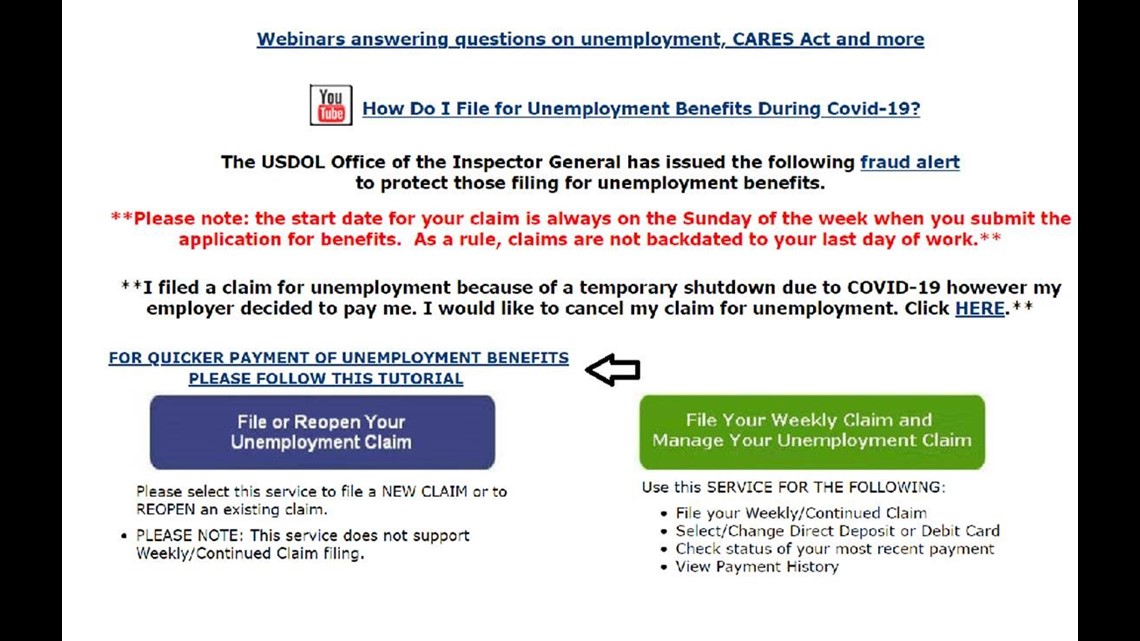
While the primary aim of unemployment benefits is to provide temporary financial support, the stability they offer can be a catalyst for broader lifestyle choices. It allows individuals to focus on skill development, community engagement, and even local travel or staycations that might otherwise be unaffordable or feel irresponsible. By understanding the process in Connecticut, you’re not just securing a payment; you’re creating a runway for a more intentional approach to life during this transitional phase.
Navigating the Initial Steps: Understanding Connecticut’s Unemployment System
The first and most critical step in managing your lifestyle during unemployment is to understand and successfully navigate the process of claiming benefits. In Connecticut, this process is managed by the Connecticut Department of Labor (CTDOL). While this article focuses on the lifestyle implications, a brief overview of the claiming process provides the necessary context for the financial stability that underpins any lifestyle adjustments.
Eligibility Criteria and Application Essentials
To qualify for unemployment benefits in Connecticut, you generally must meet several criteria. You must have lost your job through no fault of your own, be able and available for work, and actively seeking employment. Furthermore, you need to have earned sufficient wages during a “base period” prior to your claim. These requirements ensure that the system supports those genuinely in need of assistance while they search for new opportunities.
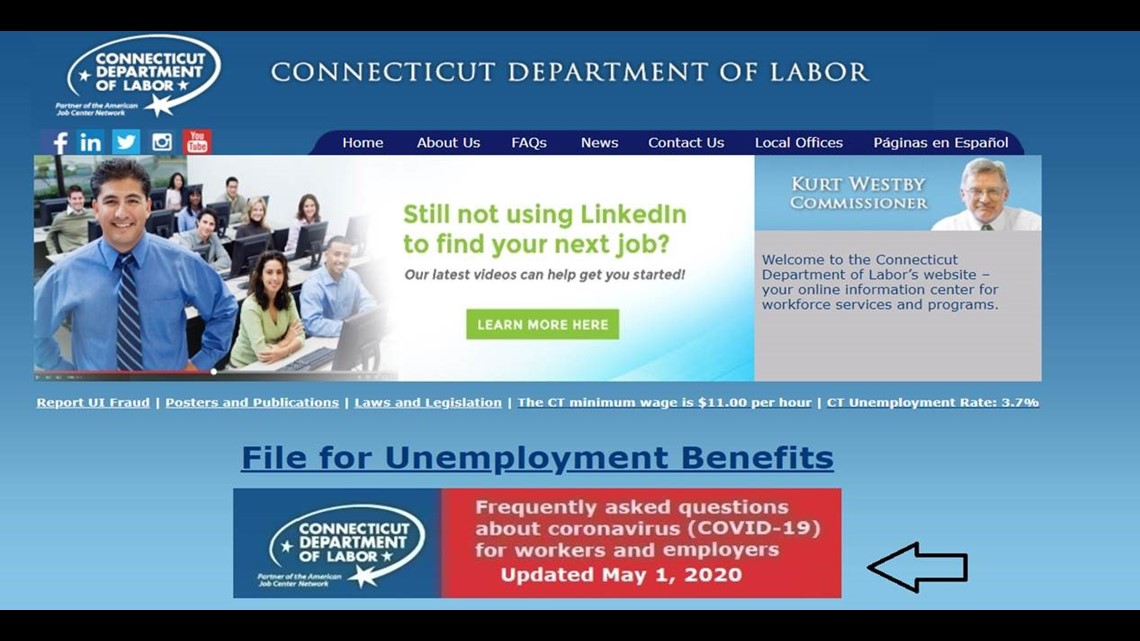
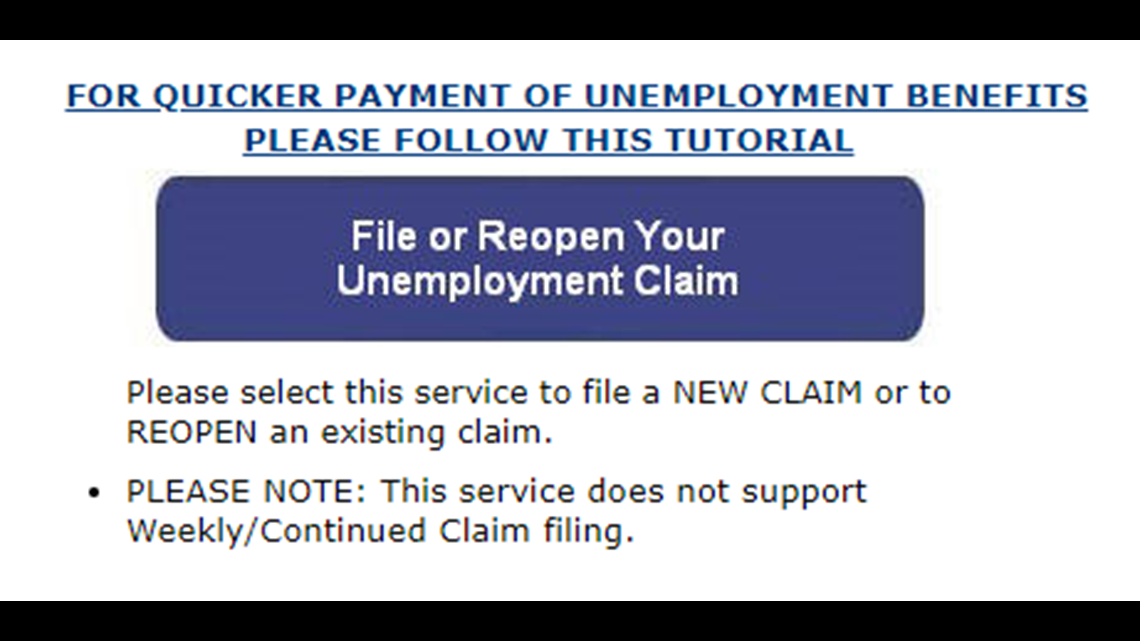
The application itself is typically completed online through the CTDOL website. It requires detailed information about your employment history, earnings, and the circumstances surrounding your job separation. Submitting an accurate and complete application promptly is crucial to avoid delays in receiving benefits. This initial phase, while administrative, sets the stage for how you can then approach your lifestyle during this period. The sooner you secure your benefits, the sooner you can start planning your budget and activities.
The Importance of Weekly Certifications
Once your claim is approved, maintaining your eligibility requires weekly certification. During this process, you confirm that you are still unemployed, able and available for work, and have actively searched for new employment opportunities. This regular engagement with the CTDOL is not just a formality; it reinforces the structured approach you must take during unemployment. It’s a weekly reminder to stay engaged with your job search, but also provides the predictable financial flow that allows for stable lifestyle planning. Missing these certifications can lead to delays or cessation of benefits, directly impacting your ability to manage your finances and, by extension, your lifestyle choices.
Budgeting and Financial Planning for a Sustainable Lifestyle During Unemployment
With the understanding of how to claim and maintain unemployment benefits, the next critical step is robust financial planning. This is where the practicalities of unemployment intersect directly with lifestyle choices. A carefully crafted budget can transform the constraint of reduced income into an opportunity for conscious spending and innovative living.
Crafting a Realistic Budget
Unemployment benefits, while helpful, rarely replace your full previous income. This necessitates a thorough re-evaluation of your spending habits. Create a detailed budget that prioritizes essential expenses like housing, food, utilities, and healthcare. Once these are covered, allocate remaining funds for personal development, modest recreational activities, or even a small “exploration fund.” This might mean cutting back on dining out, subscription services, or discretionary shopping. However, it also encourages creativity in finding free or low-cost alternatives that can be equally, if not more, enriching.
For instance, instead of expensive gym memberships, explore Connecticut’s numerous state parks for hiking or cycling. Rather than costly weekend getaways, consider day trips to local attractions that offer free admission or host community events. This disciplined approach to budgeting is not about deprivation; it’s about sustainable living that aligns with your current financial reality, allowing you to maintain a sense of control and dignity.
Building a Contingency Fund and Managing Debt
Beyond the immediate budget, using this period to assess your broader financial health is a wise lifestyle decision. If possible, direct any surplus funds, however small, towards building a mini-contingency fund. Even a few hundred dollars can provide a crucial buffer against unexpected expenses. Similarly, take stock of any outstanding debts. While it might not be possible to make aggressive payments, ensure you meet minimums and explore options for temporary deferment or reduced payments with creditors if necessary. Proactive debt management is a key component of a healthy financial lifestyle, reducing stress and setting you up for a stronger return to the workforce. This period can be a valuable time to review and optimize your financial habits, leading to a more resilient lifestyle in the long term.
Embracing Connecticut’s Charms: Budget-Friendly Lifestyle & Exploration
One of the unexpected silver linings of a period of unemployment, once financial stability is established through benefits, is the opportunity to explore your local environment with fresh eyes. Connecticut, with its rich history, scenic landscapes, and vibrant communities, offers a wealth of budget-friendly experiences that can enrich your lifestyle without breaking the bank. This aligns perfectly with a “budget travel” approach to living during this transitional time.
Local Discoveries and Cultural Immersion
Instead of international trips or expensive resorts, consider becoming a tourist in your own state. Many of Connecticut’s most engaging attractions are free or offer very low admission fees. Explore the historic streets of Mystic, wander through the art galleries in New Haven, or visit the various small towns that dot the countryside, each with its unique character. Places like the Wadsworth Atheneum Museum of Art in Hartford often have free admission days, offering world-class culture on a budget.
Beyond formal attractions, immerse yourself in local culture through community events, farmers’ markets, and free concerts in the park. These activities not only provide entertainment but also connect you with your community, fostering a sense of belonging and reducing feelings of isolation that can sometimes accompany unemployment. This intentional engagement with your local environment can be a deeply rewarding lifestyle choice, proving that rich experiences don’t always require a hefty price tag.
Outdoor Adventures and Nature Retreats
Connecticut’s natural beauty provides an extensive playground for budget-friendly outdoor activities. From the tranquil shores of Long Island Sound to the rolling hills of the Litchfield Hills, there are countless state parks, forests, and walking trails to explore. Hiking, biking, birdwatching, and picnicking are all free activities that offer significant physical and mental health benefits. Take a day trip to places like Gillette Castle State Park or explore the scenic beauty of Sleeping Giant State Park in Hamden.
These natural escapes serve as perfect opportunities for reflection, stress reduction, and rejuvenation. Incorporating regular outdoor activity into your lifestyle during unemployment can boost your mood, improve focus, and provide a much-needed break from the intensity of a job search. It’s a powerful way to nourish your well-being, an essential component of a resilient lifestyle.
Leveraging Unemployment for Personal Growth and Skill Development
Beyond financial stability and local exploration, a period of unemployment, supported by benefits, can be a valuable opportunity for personal growth and skill development. This aspect of lifestyle management is about investing in yourself, making you a more attractive candidate for future employment and enhancing your overall life satisfaction.
Online Learning and Skill Acquisition
The modern landscape offers an abundance of free or low-cost online courses and certifications. Platforms like Coursera, edX, or even YouTube offer everything from coding and digital marketing to graphic design and advanced data analysis. Utilizing your newfound free time to acquire new skills or refresh existing ones can significantly boost your resume and open doors to new career paths. Many Connecticut public libraries also offer access to online learning platforms like LinkedIn Learning, providing professional development resources at no cost.
This commitment to continuous learning is a lifestyle choice that demonstrates initiative and adaptability. It keeps your mind sharp, instills a sense of purpose, and ensures you remain competitive in the job market. Viewing unemployment as an educational sabbatical can transform a daunting period into one of significant personal and professional advancement.
Volunteering and Community Engagement
Volunteering is another powerful way to foster personal growth and contribute positively to your lifestyle during unemployment. It provides structure to your day, allows you to gain new experiences, expand your network, and gives back to the community. Whether it’s at a local food bank, an animal shelter, a community garden, or assisting with local events, the act of helping others can boost self-esteem and provide a sense of purpose.
Organizations like the United Way or specific non-profits in Hartford, Stamford, or Bridgeport are always looking for dedicated volunteers. This not only enhances your personal lifestyle by connecting you with a cause but also adds valuable, transferable skills and experiences to your resume, demonstrating your commitment and work ethic to potential employers.
Future Forward: Re-entering the Workforce with Renewed Perspective
Ultimately, the goal of claiming unemployment benefits and strategically managing your lifestyle is to bridge the gap between jobs. However, the period of unemployment can and should be more than just a waiting game; it can be a transformative experience that refines your priorities, sharpens your skills, and empowers you to re-enter the workforce with a renewed perspective and a more intentional approach to your career and life.
By diligently navigating the CTDOL system, budgeting wisely, embracing the local charms of Connecticut, and investing in personal growth, you’re not just surviving unemployment – you’re thriving through it. The lifestyle choices made during this time, whether it’s exploring a new hobby, learning a new skill, or simply spending quality time in Connecticut’s beautiful outdoors, contribute to a more well-rounded and resilient individual. When you do secure that next position, you won’t just be returning to work; you’ll be bringing a richer, more experienced, and more thoughtfully curated version of yourself. This proactive approach to unemployment ensures that this challenging period becomes a valuable chapter in your life’s journey, setting a precedent for a more balanced and fulfilling lifestyle moving forward.
LifeOutOfTheBox is a participant in the Amazon Services LLC Associates Program, an affiliate advertising program designed to provide a means for sites to earn advertising fees by advertising and linking to Amazon.com. Amazon, the Amazon logo, AmazonSupply, and the AmazonSupply logo are trademarks of Amazon.com, Inc. or its affiliates. As an Amazon Associate we earn affiliate commissions from qualifying purchases.