
Navigating the complexities of debt can be a daunting prospect, and for many, the fear of legal repercussions, including imprisonment, looms large. This is particularly true when considering jurisdictions like Texas, a state known for its robust legal framework and distinct approach to financial matters. The question, “Can You Go To Jail For Debt In Texas?” is a common one, and the answer, while generally reassuring for most consumer debts, carries nuances that are crucial to understand. This article will delve into the legal landscape of debt in Texas, clarifying when incarceration is a possibility and, more importantly, when it is not.

Understanding the Legal Framework: Civil vs. Criminal Debt
At the heart of understanding debt and its potential legal consequences lies the fundamental distinction between civil and criminal matters. In Texas, as in most of the United States, debt is overwhelmingly a civil issue, not a criminal one. This means that the failure to repay a debt typically results in civil lawsuits, judgments, and potential enforcement actions against assets, rather than criminal charges.
Civil Debt: The Norm for Consumer Obligations
When individuals fall behind on payments for typical consumer debts – such as credit card balances, personal loans, medical bills, or auto loans – these obligations are classified as civil. The creditor’s recourse in such situations is to file a lawsuit in civil court. If the creditor prevails, they can obtain a court judgment against the debtor.
Consequences of a Civil Judgment in Texas
A civil judgment grants the creditor legal authority to pursue various methods to collect the owed amount. These can include:
- Wage Garnishment: While Texas is one of the few states that does not allow for the garnishment of wages for most consumer debts, there are exceptions. For instance, child support or alimony obligations, as well as debts to the federal government, can be garnished from wages.
- Bank Levy: A creditor with a judgment can petition the court to freeze and seize funds from a debtor’s bank accounts.
- Property Liens: A lien can be placed on real estate or other significant assets owned by the debtor. This means the property cannot be sold or refinanced without the debt being satisfied.
- Property Seizure: In some instances, a court may order the seizure and sale of certain personal property to satisfy the debt.
It is critical to emphasize that none of these enforcement actions involve the threat of jail time. The legal system is designed to resolve disputes over money through financial remedies, not by depriving individuals of their liberty for owing money.
Criminal Debt: The Exception, Not the Rule
While the vast majority of debts are civil, there are specific circumstances where debt can indeed lead to criminal charges and, consequently, potential jail time. These situations almost invariably involve an element of fraud, deceit, or a specific statutory violation.
Fraudulent Activity and Deception
The primary way debt can transition from civil to criminal is through fraudulent intent. If a person incurs debt with no intention of ever repaying it, or if they use deceptive practices to obtain credit or services, they may face criminal charges. Examples include:
- Writing Bad Checks with Intent to Defraud: In Texas, passing a “hot check” (a check that is returned due to insufficient funds) can be a criminal offense if it can be proven that the issuer knew there were insufficient funds and intended to defraud the recipient. The severity of the charge depends on the amount of the check.
- Credit Card Fraud: Using a stolen credit card, or using a credit card with the intent to defraud, is a criminal act.
- Loan Application Fraud: Providing false information on a loan application to obtain funds is considered fraud and can lead to criminal prosecution.
- Theft of Services: Obtaining services (like utility services or cable television) by deception without intending to pay is a criminal offense.
In these scenarios, the legal focus is not on the debt itself, but on the criminal act of fraud or deception committed to obtain goods, services, or money. The debt is a consequence of the criminal act.
Specific Statutory Violations
Certain laws explicitly criminalize the failure to pay or remit specific types of funds. These are not typical consumer debts but rather obligations that carry a fiduciary responsibility.
- Child Support Arrears: While often initiated as a civil matter, persistent and willful failure to pay court-ordered child support in Texas can lead to criminal charges. This is a serious offense, as it directly impacts the well-being of children. Penalties can include fines, probation, and jail time.
- Taxes: Failure to pay certain taxes, particularly those collected on behalf of others (like sales tax or payroll tax), can result in criminal charges if there is evidence of intent to evade payment or defraud the government.
The Role of the Courts and Legal Proceedings
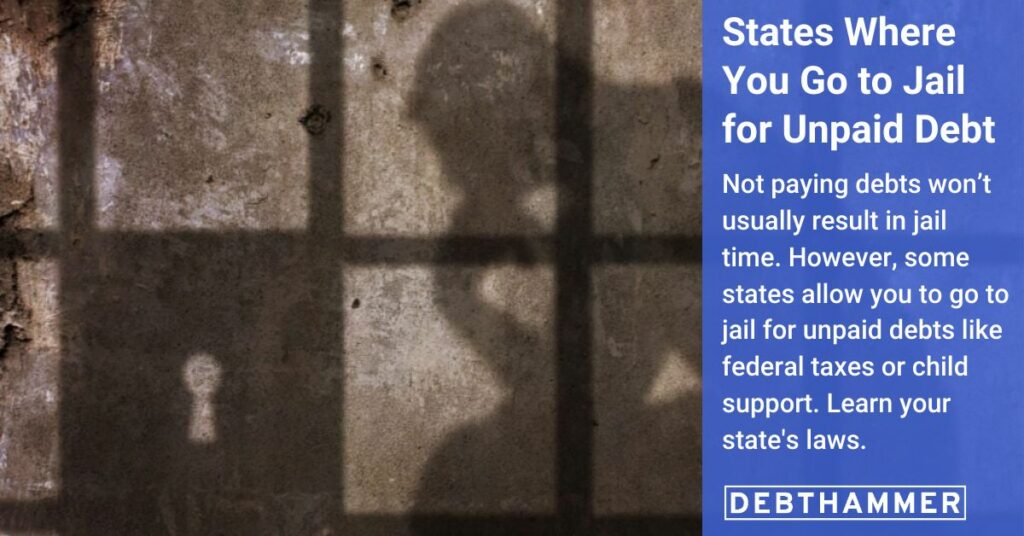
When debt issues arise in Texas, understanding the procedural pathways is vital. The distinction between civil and criminal proceedings dictates how a case progresses and what potential outcomes exist.
Civil Court Procedures
In a civil debt collection case, the creditor initiates a lawsuit by filing a complaint with the appropriate court, usually a justice court, county court, or district court, depending on the amount owed. The debtor is then served with the lawsuit and has an opportunity to respond.
Default Judgments and Contested Cases
If the debtor fails to respond to the lawsuit within the stipulated time, the creditor may obtain a default judgment, meaning the court rules in favor of the creditor because the debtor did not appear or defend themselves. In contested cases, both parties present their arguments and evidence. The court then makes a ruling. If the creditor wins, they receive a judgment. As previously discussed, this judgment allows for asset collection, not imprisonment.
Criminal Court Procedures
If debt-related actions lead to criminal charges, the process takes a different trajectory through the criminal justice system. The state, through a prosecutor’s office, brings charges against the individual.
Arrest, Arraignment, and Trial
Criminal proceedings can involve arrest, arraignment (where the defendant enters a plea), and potentially a trial. If found guilty, the penalties can range from fines and probation to imprisonment, depending on the severity of the crime and the applicable sentencing guidelines.
Seeking Assistance and Protecting Your Rights
Facing debt, whether civil or potentially criminal, can be overwhelming. Fortunately, in Texas, various resources and legal avenues are available to help individuals navigate these challenges and protect their rights.
Legal Aid and Pro Bono Services
For individuals with limited financial means, seeking legal assistance is crucial. Numerous organizations offer free or low-cost legal services, often referred to as legal aid or pro bono services. These services can be invaluable in understanding debt obligations, responding to lawsuits, and defending against wrongful claims. Many bar associations in Texas, such as the State Bar of Texas, offer referral services and information on accessing affordable legal help.
Consumer Protection Laws
Texas has consumer protection laws designed to safeguard individuals from predatory lending practices and unfair debt collection tactics. The Texas Deceptive Trade Practices-Consumer Protection Act (DTPA) is a significant piece of legislation that provides recourse for consumers who have been misled or wronged by businesses. Understanding these protections can empower debtors to assert their rights.
Bankruptcy as a Solution
In cases of overwhelming and unmanageable debt, bankruptcy can offer a legal pathway to debt relief. Filing for bankruptcy under federal law can discharge certain debts, providing a fresh financial start. While bankruptcy is a complex legal process, consulting with a qualified bankruptcy attorney in Texas can help determine if it is a viable option.

Key Takeaways for Texas Residents
In conclusion, the prospect of going to jail for debt in Texas is, for the most part, a misconception when it comes to standard consumer obligations. The legal system in Texas distinguishes clearly between civil and criminal matters.
- Civil Debts (Credit Cards, Medical Bills, Personal Loans): Failure to pay these debts will not lead to jail. Creditors can pursue civil lawsuits, leading to judgments and the potential seizure of assets, but not imprisonment.
- Criminal Debts (Fraud, Child Support, Willful Tax Evasion): Jail time is a possibility when debt is incurred through criminal acts like fraud, deception, or the willful failure to meet specific legal obligations such as child support or certain tax payments. In these cases, the imprisonment is a consequence of the criminal behavior, not merely the debt itself.
It is always advisable to address debt issues proactively. Ignoring a debt or a legal summons will not make it disappear and can lead to more severe consequences. If you are struggling with debt in Texas, understand your rights, explore available resources, and seek professional legal advice to navigate your specific situation effectively.
LifeOutOfTheBox is a participant in the Amazon Services LLC Associates Program, an affiliate advertising program designed to provide a means for sites to earn advertising fees by advertising and linking to Amazon.com. Amazon, the Amazon logo, AmazonSupply, and the AmazonSupply logo are trademarks of Amazon.com, Inc. or its affiliates. As an Amazon Associate we earn affiliate commissions from qualifying purchases.