
For many, the mention of a Boston butt conjures images of succulent, slow-cooked pork, a staple of barbecue traditions and a hallmark of comforting, hearty meals. But beyond its culinary prowess in the backyard, preparing a pork Boston butt can be seen as an extension of a deeper travel and lifestyle philosophy. It’s an embrace of slow living, a connection to regional culinary traditions, and an invitation to transform your kitchen into a global food destination. Imagine returning from a memorable trip through the American South, where the aroma of smoked pork filled the air, and wanting to recreate that authentic experience in your own home. Or perhaps you’re staying in a luxurious vacation rental equipped with a state-of-the-art kitchen, looking to host a memorable gathering that mirrors the exceptional hospitality of a boutique hotel. Cooking a Boston butt is more than just a recipe; it’s a journey, a sensory experience that links the comfort of home with the rich tapestry of global food tourism.
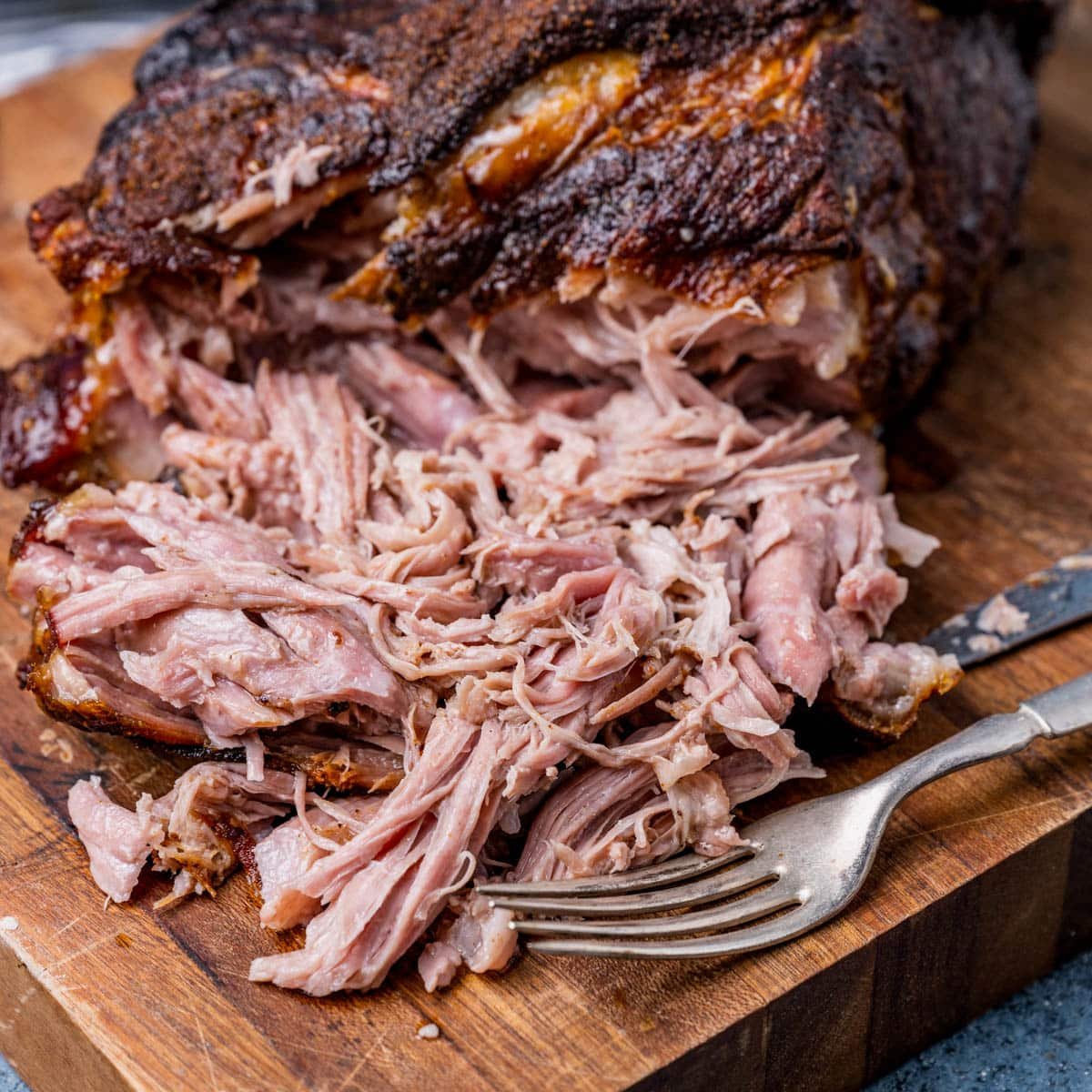
This comprehensive guide will demystify the process of cooking a pork Boston butt, transforming what might seem like a daunting task into an accessible and rewarding culinary adventure. We’ll explore everything from understanding this versatile cut of meat to mastering various cooking techniques, all while connecting these steps to the broader themes of travel, accommodation, and a lifestyle rich in unforgettable experiences. Whether you’re planning a family feast, a casual get-together with friends, or simply seeking a comforting meal to enjoy during a long-term stay, the Boston butt offers a flavorful passport to gastronomic delight.
Understanding the Boston Butt: A Culinary Journey Rooted in Tradition
Before we delve into the specifics of cooking, it’s essential to understand what a pork Boston butt is and why it holds such a revered status in culinary circles, particularly within the world of slow-cooked meats. Its history and versatility are as compelling as any famous landmark or vibrant local culture encountered during travel.
What Exactly is a Boston Butt?
Despite its misleading name, the pork Boston butt is not from the rear end of the pig. In fact, it comes from the upper part of the pig’s shoulder, specifically the area just above the front leg and shoulder blade. The term “butt” likely originates from pre-Revolutionary Boston, Massachusetts, where butchers would pack less valuable cuts of pork into barrels, known as “butts,” for storage and transport. This cut, due to its ideal fat-to-meat ratio and connective tissue, proved perfect for slow cooking, making it incredibly tender and flavorful.
The Boston butt typically weighs between 6 to 10 pounds and often includes a bone, which contributes significantly to the flavor and moisture of the cooked product. Its marbling – streaks of fat intertwined with the lean meat – renders down during cooking, basting the meat from within and preventing it from drying out. This inherent characteristic makes it incredibly forgiving for novice cooks and a favorite among seasoned pitmasters. Whether you’re staying in a cozy apartment or a sprawling resort villa, mastering this cut opens up a world of culinary possibilities, often reminiscent of authentic local eateries found during your travels.
The Global Appeal of Slow-Cooked Pork
The concept of slow-cooking tough cuts of pork to achieve ultimate tenderness is not unique to American barbecue; it’s a global culinary phenomenon that speaks to the heart of tourism and cultural exchange. Every destination seems to have its own version, a testament to the universal appeal of transforming humble ingredients into extraordinary meals.
In Mexico, you’ll find cochinita pibil, where pork is marinated in citrus juices and annatto, then slow-cooked, often underground, until it’s fall-apart tender, a staple of Yucatán cuisine. Travel to the Caribbean islands, and you might encounter succulent pernil, a slow-roasted pork shoulder marinated with garlic, oregano, and sour orange, a holiday favorite often enjoyed at family gatherings in charming beachfront accommodations. Hawaii boasts the famous kalua pig, traditionally cooked in an imu (underground oven) until smoky and incredibly tender, a highlight of any luau experience on islands like Oahu.
Even within the United States, the Boston butt is a canvas for regional variations. In North Carolina, it’s often pulled and dressed with a tangy vinegar-based sauce. In Kansas City, a sweet and smoky rub and thick molasses-based sauce are preferred. And in Texas, while beef brisket often takes center stage, pork butts are certainly found, often simply seasoned and smoked to perfection. This rich diversity underscores how deeply food is intertwined with destinations and local identity, making the Boston butt a truly global ambassador of flavor. Recreating these styles at home can be a wonderful way to relive travel memories or prepare for future culinary tours.
Preparing for Your Culinary Adventure: Essential Gear and Ingredients
Just as a seasoned traveler prepares meticulously for a trip, gathering maps, booking hotels, and packing essentials, preparing to cook a Boston butt requires thoughtful consideration of ingredients and equipment. This preparation lays the groundwork for a successful and satisfying culinary outcome, whether you’re in your home kitchen or experimenting in the gourmet kitchen of a luxury villa.
Selecting Your Boston Butt: A Traveler’s Tip for Quality
The quality of your pork butt will profoundly impact the final dish. When shopping, look for a cut with good marbling – streaks of fat running through the meat. This fat is critical for flavor and moisture during the long cooking process. A boneless butt is easier to shred, but a bone-in butt generally yields more flavor.
Consider sourcing your pork from a reputable butcher, similar to seeking out authentic local vendors when traveling. They can often provide insights into the pork’s origin and quality, much like a good local guide enhances a travel experience. If visiting local markets is part of your travel experience, you might even find heritage breed pork, which can offer a superior flavor profile. Regardless of the source, ensure the meat is fresh, with a healthy pink color and no off-smells. Planning ahead for the cooking time is crucial, as this is a slow-cooking endeavor.
The Right Tools for the Job: From Backyard Grills to Gourmet Kitchens
The beauty of the Boston butt is its adaptability to various cooking methods, making it accessible whether you have a simple kitchen or a fully equipped outdoor cooking station, akin to choosing the right accommodation for your trip.
- Smoker: For the most authentic barbecue flavor, a smoker is king. Whether it’s an offset smoker, an electric smoker, or a ceramic kamado grill like a Big Green Egg, smoking infuses the pork with a deep, complex flavor that is truly unparalleled. This method mirrors the specialized smokehouses you might encounter on a road trip through the barbecue belt.
- Oven: If a smoker isn’t an option, a conventional oven can still produce incredibly tender and delicious pulled pork. The key is low and slow heat, creating a steamy environment. This is a perfect method for an apartment rental or a well-appointed hotel suite.
- Slow Cooker/Crock-Pot: For ultimate convenience, especially useful when you’re busy exploring attractions or enjoying local activities during a family trip, a slow cooker is a fantastic choice. It requires minimal supervision and guarantees tender results, perfect for a long day out.
- Instant Pot/Pressure Cooker: While not strictly “slow cooking,” a pressure cooker can drastically reduce the cooking time while still achieving incredible tenderness. This is ideal for impromptu meals or when you need delicious results in a fraction of the time, much like a quick weekend getaway.
Beyond the primary cooking vessel, essential tools include a good meat thermometer (a leave-in probe thermometer is highly recommended for monitoring internal temperature), a sturdy roasting pan, aluminum foil, and a pair of meat claws for shredding the cooked pork. Having the right equipment ensures a smooth and enjoyable cooking process, freeing you up to focus on the enjoyment of the meal, much like a well-planned itinerary enhances a travel experience.
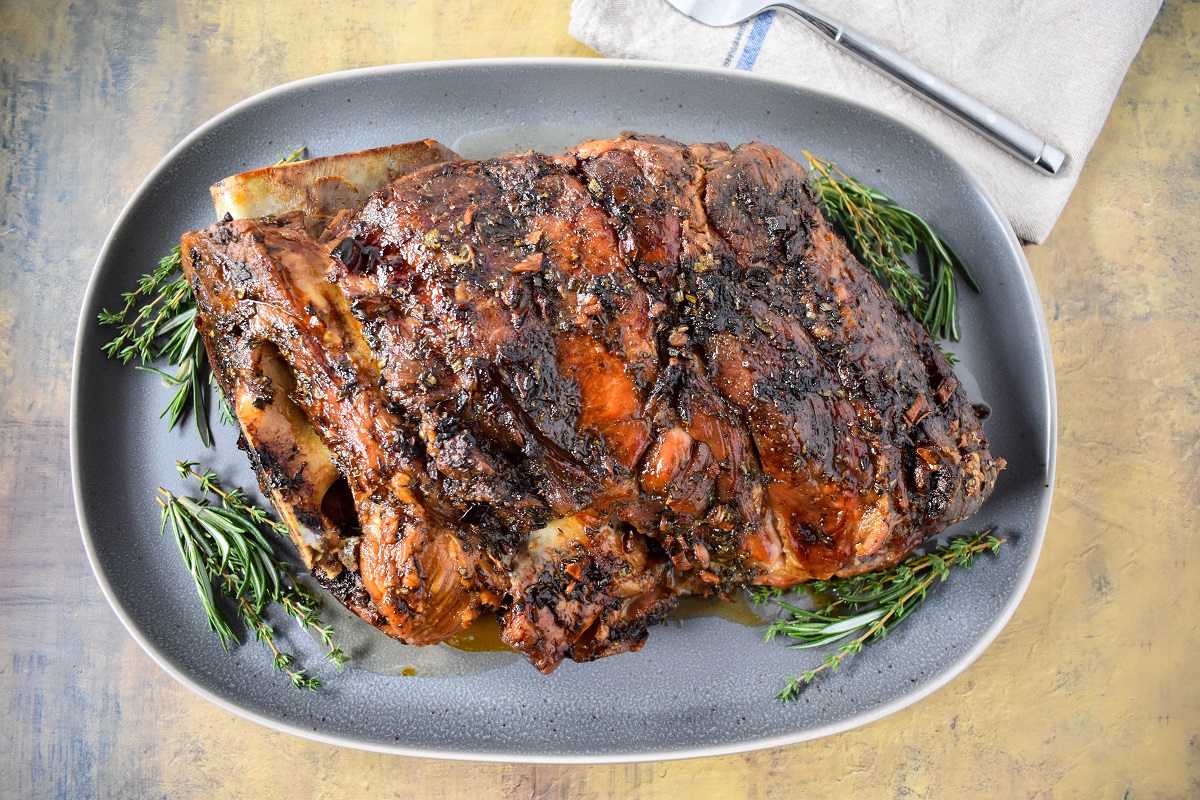
Mastering the Art of Slow Cooking: A Recipe for Unforgettable Gatherings
The heart of cooking a pork Boston butt lies in the “low and slow” philosophy. This patient approach, allowing time and heat to break down tough connective tissues, transforms the meat into an incredibly tender and flavorful masterpiece. It’s a process that embodies the leisurely pace of a luxury travel experience, where every moment is savored.
The Core Process: Rub, Rest, and Roast
Let’s break down the fundamental steps to achieving pulled pork perfection:
-
Preparation (The Rub):
- Pat the pork butt dry with paper towels. This helps the rub adhere and creates a better crust.
- Apply a generous layer of your chosen dry rub all over the pork. A basic rub includes salt, black pepper, paprika, garlic powder, onion powder, and a touch of brown sugar for caramelization. Feel free to experiment with chili powder, cumin, or cayenne for a spicier kick.
- For best results, allow the rubbed pork to rest in the refrigerator for at least 4 hours, or ideally overnight. This allows the flavors to penetrate the meat deeply, much like absorbing the atmosphere of a new city over several days rather than just a fleeting visit.
-
The Cook (Low and Slow):
- For Smoker: Preheat your smoker to a consistent temperature between 225-275°F (107-135°C). Place the pork directly on the grates, fat side up. Add wood chunks or chips (hickory, apple, or cherry are excellent choices for pork). Smoke for approximately 1.5 to 2 hours per pound, or until the internal temperature reaches 200-205°F (93-96°C). The “stall” around 150-170°F (65-77°C) is normal; the meat is evaporating moisture, cooling itself. You can wrap the butt in foil or butcher paper at this point to push through the stall and retain moisture.
- For Oven: Preheat your oven to 275-300°F (135-149°C). Place the rubbed pork butt in a sturdy roasting pan, fat side up. You can add a cup of apple cider or broth to the bottom of the pan to create a moist environment. Cover tightly with foil. Roast for 4-6 hours, then uncover and continue roasting until the internal temperature reaches 200-205°F (93-96°C) and the meat is fork-tender. This could take another 2-4 hours, depending on the size of the butt.
- For Slow Cooker: Place the rubbed pork butt in the slow cooker. You can add a splash of apple cider, broth, or even a can of soda (like root beer or cola) for extra flavor and moisture. Cook on low for 8-10 hours or on high for 4-6 hours, until the meat shreds easily.
-
The Rest (Crucial for Juiciness):
- Once the pork reaches the desired internal temperature, remove it from the heat and let it rest, loosely tented with foil, for at least 30 minutes, or up to an hour. This resting period allows the juices to redistribute throughout the meat, ensuring maximum tenderness and moisture, much like unwinding at a relaxing spa resort after a day of sightseeing. Do not skip this step!
-
Shred and Serve:
- After resting, use meat claws or two forks to shred the pork, discarding any large pieces of fat or bone. Mix the shredded pork with some of the accumulated pan juices or your favorite barbecue sauce. Serve on buns, as tacos, or alongside classic barbecue sides.
Regional Flavors and Marinades: A Taste of Travel
The beauty of the Boston butt lies in its ability to absorb and showcase diverse flavor profiles, transforming a simple cut of meat into a vehicle for culinary exploration. This flexibility allows you to recreate tastes from your travels or experiment with new cultural influences.
- Carolina BBQ Style: For a tangy, peppery kick reminiscent of South Carolina or North Carolina, serve the pulled pork simply with a vinegar-based sauce. This sauce often combines apple cider vinegar, red pepper flakes, black pepper, and a touch of sugar.
- Texas-Style Rub: While Texans are famous for beef, a simple, bold rub of coarse salt and black pepper (often called “Dalmatian rub”) works wonders on pork, allowing the smoky flavor to shine. You might add a hint of cayenne for subtle heat.
- Mojo Pork (Cuban/Caribbean Inspired): Instead of a dry rub, marinate the pork butt overnight in a vibrant mojo sauce – a blend of sour orange juice (or a mix of orange and lime), garlic, oregano, and cumin. Slow cook it in the oven or slow cooker until tender. This brings the sunny flavors of Cuba or Puerto Rico directly to your table, ideal for reminiscing about a tropical getaway.
- Asian-Inspired Glaze: For an unexpected twist, consider a marinade or glaze with soy sauce, ginger, garlic, five-spice powder, and honey. This fusion approach can evoke memories of vibrant street food markets found during travel to Asia.
Experimenting with different rubs and sauces is akin to exploring various destinations, each offering a unique flavor profile and experience. It allows you to tailor the dish to your preference or to surprise your guests with an unexpected culinary journey.
Beyond the Plate: The Lifestyle of Slow-Cooked Perfection
Cooking a pork Boston butt extends far beyond the kitchen; it’s a lifestyle choice, an embodiment of hospitality, and a way to create lasting memories. It aligns perfectly with the philosophy of enriching one’s life through experience, whether at home or while exploring new cities and countries.
Hosting & Entertaining: Bringing the Destination Home
Few dishes are as perfect for feeding a crowd as pulled pork. It’s affordable, can be prepared largely in advance, and universally loved. Imagine hosting a gathering at your home or a spacious resort suite with friends and family, the tantalizing aroma of slow-cooked pork filling the air. This kind of effortless entertaining resonates with the comfort and community often sought during family getaways or group tours.
The act of sharing a meal, especially one that has been prepared with such care and patience, fosters connection and conversation. It’s an experience that rivals dining at a Michelin-starred restaurant in its ability to create a warm, inviting atmosphere. Whether it’s a casual backyard barbecue, a game day feast, or a special celebration, pulled pork from a perfectly cooked Boston butt ensures your guests leave satisfied and impressed, much like the lasting impression left by exceptional service at a five-star hotel.

Culinary Souvenirs: Recreating Travel Memories
Food is one of the most powerful triggers of memory, and recreating dishes encountered during travel is a fantastic way to keep those memories alive. Cooking a pork Boston butt can become a tangible link to a cherished vacation, a memorable culinary tip picked up from a local, or an inspiring meal at an authentic eatery.
Perhaps you spent a memorable summer exploring Europe and fell in love with slow-roasted meats, or discovered a newfound appreciation for smokehouses during a cross-country road trip. By investing time in mastering the Boston butt, you’re not just cooking; you’re actively engaging in a form of cultural appreciation and personal storytelling. It transforms your kitchen into a miniature cultural hub, where the flavors of Spain, Portugal, or the American Midwest can be experienced anew. This approach to cooking enriches your daily life, making every meal an opportunity for exploration and reminiscence, perfectly aligning with a lifestyle that values rich experiences and cultural immersion.
In conclusion, cooking a pork Boston butt is far more than just following a recipe; it’s an exploration of flavor, a testament to patience, and a bridge to diverse culinary traditions from around the world. It’s a dish that perfectly encapsulates the spirit of discovery and enjoyment that lies at the heart of travel and a well-lived life. So, embrace the low and slow journey, and prepare to create unforgettable meals that nourish both body and soul, leaving you with memories as rich and satisfying as any global adventure.
LifeOutOfTheBox is a participant in the Amazon Services LLC Associates Program, an affiliate advertising program designed to provide a means for sites to earn advertising fees by advertising and linking to Amazon.com. Amazon, the Amazon logo, AmazonSupply, and the AmazonSupply logo are trademarks of Amazon.com, Inc. or its affiliates. As an Amazon Associate we earn affiliate commissions from qualifying purchases.