
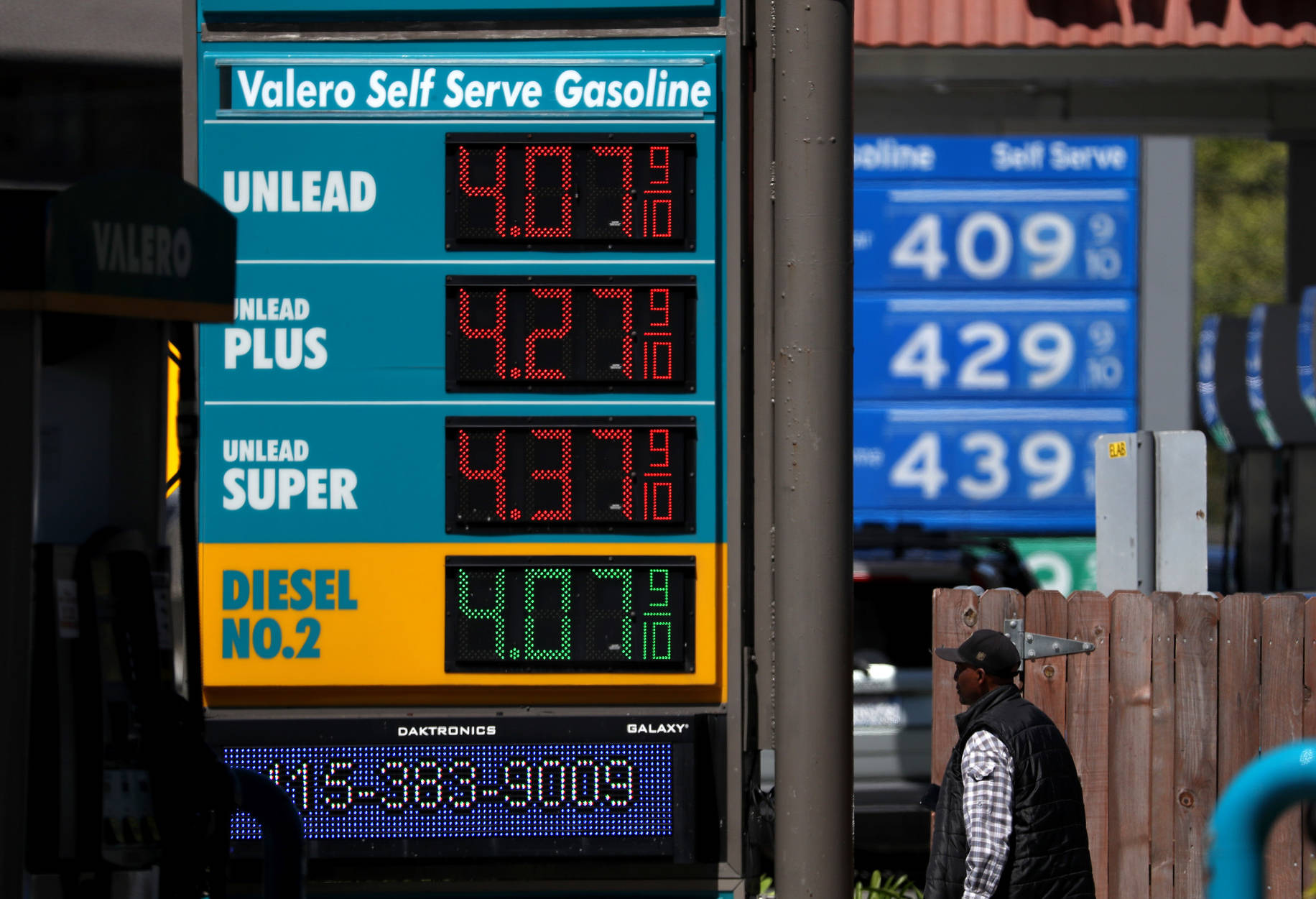
California, often celebrated as the Golden State, beckons travelers with its breathtaking landscapes, iconic cities, and unparalleled experiences. From the sun-kissed beaches of San Diego to the majestic redwoods of Northern California, the allure is undeniable. Whether you’re planning a luxurious escape to a Napa Valley vineyard, a thrilling family adventure to Disneyland, or an epic road trip along the Pacific Coast Highway, the promise of diverse attractions makes it a top destination for global tourism. However, one question frequently arises for both residents and visitors alike: why is gasoline consistently more expensive here than almost anywhere else in the United States?

For those dreaming of exploring California’s vast and varied offerings, understanding the factors behind its elevated fuel prices is crucial for budgeting and planning. High gas costs can significantly impact travel expenses, influencing everything from the feasibility of that cross-state road trip to the daily commute between your Los Angeles hotel and the vibrant streets of Hollywood. This comprehensive guide delves into the intricate web of reasons contributing to California’s premium at the pump, exploring how these costs affect your travel plans, accommodation choices, and overall lifestyle within this captivating state. By understanding the underlying mechanics, you can better prepare for your journey, ensuring that the cost of fuel doesn’t detract from the unforgettable experiences awaiting you in California.
The Core Culprits: Unpacking California’s Fuel Price Puzzle
The answer to why California gas is so expensive isn’t singular; it’s a confluence of several distinct factors, each adding its layer to the final price. These elements include a complex structure of taxes and fees, stringent environmental regulations necessitating specialized fuel blends, and unique market dynamics compounded by limited refinery capacity. Each plays a significant role in making California an outlier in the national fuel market.
A Web of Taxes and Fees
Perhaps the most straightforward explanation for California’s high gas prices lies in its robust tax structure. The state imposes some of the highest gasoline taxes in the nation, which are levied to fund critical infrastructure projects, maintain roads, and support public transportation initiatives. These taxes are typically a combination of a base excise tax, sales tax, and other specific fees designed to cover various state programs.
Beyond the federal excise tax, which applies nationwide, California adds its own substantial excise tax per gallon. This amount fluctuates but consistently ranks among the highest. Additionally, unlike many other states, California applies its state sales tax to gasoline, further increasing the price at the pump. When you combine these state-specific taxes with local taxes and fees that vary by county and city, the cumulative tax burden on a gallon of gas in California is significantly higher than the national average. For a traveler exploring a new city like San Francisco or driving through the picturesque Central Valley, understanding that a significant portion of their fuel cost goes directly to public services can help contextualize the expense, even if it doesn’t lighten the wallet. These funds, after all, contribute to the very infrastructure that makes travel across the state possible, from well-maintained highways to accessible public transit options in urban centers.
Environmental Regulations and Specialized Blends
California has long been a pioneer in environmental protection, particularly concerning air quality. This commitment translates directly into unique and stringent regulations for gasoline formulation. The state mandates a special “boutique” blend of gasoline, often referred to as CA-specific reformulated gasoline (CARB gasoline), designed to reduce smog and other harmful emissions. This blend is more expensive to produce than conventional gasoline due to the additional refining processes and specific additives required.
The complexities of producing this specialized fuel mean that only a limited number of refineries are equipped to do so, primarily those located within California itself. This creates a somewhat isolated market, where supply cannot be easily supplemented by out-of-state refineries that produce standard United States fuel. Any disruptions to these local refineries—due to maintenance, unplanned outages, or natural disasters—can quickly lead to supply shortages and immediate price spikes. For tourists embarking on a journey to destinations like Yosemite National Park or exploring the coastal towns along Big Sur, these specialized fuel requirements mean that every fill-up contributes to California’s cleaner air initiatives, a trade-off that is part of the state’s unique appeal and environmental leadership.
Market Dynamics and Refinery Constraints
Beyond taxes and environmental mandates, the economics of supply and demand, coupled with California’s unique geographical isolation, play a significant role. As mentioned, the specialized fuel blend makes it difficult and costly to import gasoline from other states or countries. This effectively creates an “island” market for fuel, where the local supply chain is paramount.
California has a finite number of refineries, and while they are sophisticated, they are also prone to the occasional planned or unplanned shutdown for maintenance or repairs. When even one major refinery experiences an issue, the ripple effect on supply can be immediate and severe, causing prices to surge. This limited flexibility in sourcing, combined with the immense demand from California’s large population and thriving economy, means that even minor fluctuations in supply or global crude oil prices can have an exaggerated impact on local gas prices. The logistical challenges of transporting fuel from the Central Valley refineries to bustling urban centers like San Jose or Sacramento also add to the operational costs, which are ultimately passed on to the consumer. For travelers, understanding these market sensitivities can help explain why prices might jump unexpectedly, emphasizing the importance of checking fuel prices before long drives, especially when heading to remote landmarks like Death Valley National Park.
Navigating the Golden State: How Gas Prices Impact California Travel and Tourism
The persistently high cost of gasoline in California has a tangible impact on various aspects of travel and tourism. From how visitors plan their iconic road trips to their choices in accommodation and the overall rhythm of the local lifestyle, fuel prices are a constant consideration. Integrating this understanding into your travel strategy can enhance your experience and help manage your budget effectively.
Road Trips and Exploration: A Cost Consideration
California is synonymous with the road trip. The idea of cruising down the Pacific Coast Highway, exploring the diverse terrain from the desert to the mountains, or journeying between world-class cities, is a cornerstone of the California experience. However, the high price of fuel can significantly inflate the cost of these adventures. Tourists might reconsider multi-city itineraries or lengthy drives to more remote attractions like Sequoia National Park.
This doesn’t mean forsaking the open road entirely, but rather encouraging more mindful planning. Travelers might opt for more fuel-efficient rental cars, consolidate their sightseeing within specific regions, or plan routes that minimize extensive backtracking. For instance, instead of driving from Los Angeles to San Francisco and back multiple times, a strategic approach might involve flying into one city, exploring, and then driving to the next, possibly flying out from there. This allows for immersive exploration of different areas, such as the vibrant culture of Santa Monica or the historic charm of San Diego, without incurring prohibitive fuel costs over immense distances. High gas prices also lead many to choose accommodations closer to their primary points of interest, reducing daily driving.
Accommodation Choices and Strategic Planning
The impact of high gas prices extends to accommodation decisions, especially for budget-conscious travelers or those planning long-term stays. When daily driving costs are substantial, guests often prioritize hotels, resorts, or vacation rentals that are centrally located within their chosen destination or offer easy access to public transportation. For example, a family visiting Disneyland might opt for a hotel within walking distance or a short shuttle ride away, rather than a cheaper option miles out, where daily driving and parking fees would negate any savings.
Similarly, those exploring cities like San Francisco might favor hotels near BART stations or the Muni system, allowing them to explore attractions like Alcatraz Island or Fisherman’s Wharf without relying heavily on a car. For longer trips, travelers might consider a multi-base strategy, staying in one location to explore a region thoroughly before moving to another, rather than continually driving back and forth. This shift in accommodation planning reflects a broader trend of optimizing travel logistics in a high-cost environment, ensuring that the enjoyment of California’s diverse offerings remains accessible.
Impact on Local Lifestyle and Hospitality
Beyond individual travel choices, high gas prices subtly weave into the fabric of California’s local lifestyle and the broader tourism economy. For residents, it influences everything from commuting to work in Silicon Valley to weekend outings with family, making public transport and ride-sharing services like Uber and Lyft increasingly popular. This, in turn, can affect the demand for parking, rental car services, and even the types of local tours offered.
From a hospitality perspective, businesses like hotels, restaurants, and tour operators face higher operational costs due to increased transportation expenses for supplies, staff commutes, and guest shuttle services. These costs can sometimes be passed on to consumers through slightly higher prices for services, food, or amenities. However, the robust tourism industry in California often adapts by offering creative solutions, such as curated experience packages that include transportation, or promoting destinations easily accessible by public transit. Exploring local culture through walking tours, food tours in districts like San Francisco’s Mission District, or utilizing bike rentals in places like Santa Monica become more appealing and budget-friendly ways to immerse oneself in the Golden State’s vibrant lifestyle.
Smart Strategies for a Budget-Friendly California Adventure
While the high cost of gas in California is a reality, it doesn’t have to derail your dream vacation. With some strategic planning and smart choices, you can still enjoy all that the Golden State has to offer without breaking the bank at the pump. The key is to optimize your travel budget, embrace alternative transportation, and maximize the value of every experience.
Optimizing Your Travel Budget
Budgeting for fuel should be an integral part of your California travel plans, much like allocating funds for hotels and attractions. Before you even set off, research average gas prices in the regions you plan to visit using online tools or apps. This foresight allows you to anticipate costs and potentially fuel up in areas known for slightly lower prices, such as the Central Valley compared to coastal cities.
When renting a car, consider fuel efficiency as a primary factor. Opting for a hybrid or compact car, even if slightly less spacious, can lead to significant savings over a long trip, especially when traversing long distances between iconic landmarks. Many car rental agencies now offer a range of electric vehicles (EVs) or plug-in hybrids, which can further reduce or even eliminate fuel costs, especially if you plan your stays at hotels offering charging stations. Additionally, if you’re a member of a roadside assistance program or a retail club, inquire about potential fuel discounts, as these can add up over multiple fill-ups. Packing smart and avoiding unnecessary weight in your vehicle also contributes to better fuel economy, a small but impactful detail for any extensive road trip through California.
Embracing Alternative Transportation
California’s major urban centers boast impressive public transportation networks that can be invaluable for minimizing gas expenses. In San Francisco and the wider Bay Area, the BART system offers efficient connections to airports, downtown areas, and various attractions. Los Angeles’ Metro Rail and extensive bus system can take you from the bustling streets of Downtown LA to the beaches of Santa Monica or the cultural hubs of Hollywood. San Diego also has a reliable trolley system connecting popular tourist spots.
For inter-city travel, consider bus services like FlixBus or train services like Amtrak, especially along the scenic coastal routes, which offer a relaxing and often more environmentally friendly way to travel between major destinations without the stress of driving or parking. Ride-sharing services like Uber and Lyft are readily available and can be a cost-effective option for shorter distances, especially when traveling with a group. Many California cities are also increasingly bike-friendly, with rental services providing a fun and active way to explore local neighborhoods, from the promenades of Santa Barbara to the urban parks of Sacramento.

Maximizing Your California Experience
To make the most of your California adventure despite high gas prices, strategic itinerary planning is key. Consider focusing your trip on a specific region rather than attempting to cover the entire expansive state in one go. For instance, dedicate your time to Southern California for theme parks and beaches, or immerse yourself in Northern California’s wine country and redwood forests. This concentrated approach minimizes long-distance driving and allows for deeper exploration of local attractions and hidden gems.
Seek out hotels and accommodations that offer added value, such as complimentary breakfast, free parking, or shuttle services to nearby points of interest. Many resorts in popular areas like Palm Springs or near Anaheim’s theme parks provide comprehensive amenities, making it easier to stay put and enjoy onsite facilities without constant driving. Look for package deals that bundle accommodation with attraction tickets or public transport passes. Ultimately, by being informed and proactive, you can ensure that the unforgettable beauty, vibrant culture, and diverse experiences of California remain within reach, turning potential challenges into opportunities for smart and enjoyable travel.
While California’s gasoline prices undeniably sit at the higher end of the spectrum, driven by a unique blend of taxes, stringent environmental regulations, and specific market dynamics, this reality does not diminish the state’s immense appeal as a premier travel destination. Understanding these factors empowers travelers to plan more effectively, allowing them to navigate the Golden State’s magnificent landscapes and vibrant cities without excessive concern over fuel costs.
By adopting smart strategies—such as optimizing your travel budget, choosing fuel-efficient transportation, and embracing California’s excellent public transport options—you can significantly mitigate the impact of high gas prices. Whether you’re chasing the sun along the Pacific Coast Highway, exploring the historic streets of San Francisco, or venturing into the natural wonders of Yosemite National Park, the rich tapestry of experiences awaiting you in California is well worth the journey. With a little foresight and savvy planning, your adventure in the Golden State can be both unforgettable and economically sound.
LifeOutOfTheBox is a participant in the Amazon Services LLC Associates Program, an affiliate advertising program designed to provide a means for sites to earn advertising fees by advertising and linking to Amazon.com. Amazon, the Amazon logo, AmazonSupply, and the AmazonSupply logo are trademarks of Amazon.com, Inc. or its affiliates. As an Amazon Associate we earn affiliate commissions from qualifying purchases.