
Florida, a state synonymous with sunshine, sandy beaches, and citrus groves, might not be the first place that springs to mind when considering cherry cultivation. The popular image of cherry trees often evokes cooler climates, with the sweet scent of blossoms heralding spring in regions like the Pacific Northwest or parts of Europe. However, the agricultural landscape of Florida is remarkably diverse, and with careful selection and understanding of its unique environment, growing certain varieties of cherry trees is indeed possible, offering a delightful, albeit niche, horticultural pursuit for enthusiasts and a unique offering for local tourism.
Understanding Florida’s Unique Climate for Fruit Cultivation
Florida’s climate presents a distinct set of challenges and advantages for fruit tree growers. Unlike temperate regions with a clear, cold winter dormancy period, Florida experiences mild winters with infrequent frosts. This lack of deep chilling hours is a primary hurdle for many traditional fruit varieties that rely on prolonged cold spells to break dormancy, flower, and set fruit. However, Florida’s warmth also allows for year-round growth in many areas and can be exploited by selecting or developing cultivars that thrive in these conditions.
The Importance of Chilling Hours
Chilling hours refer to the cumulative number of hours a plant is exposed to temperatures between 32°F (0°C) and 45°F (7°C) during its dormancy period. These low temperatures are critical for breaking the bud dormancy of many deciduous fruit trees, including most common cherry varieties (Prunus avium and Prunus cerasus). Without sufficient chilling, trees may exhibit delayed or uneven bud break, reduced flowering, poor fruit set, and weakened overall health.
Many popular sweet cherry varieties, such as ‘Bing’ or ‘Rainier’, require upwards of 700 to 1000 chilling hours annually. Most of Florida, even the northern parts, typically receives far fewer chilling hours, often ranging from under 100 hours in South Florida to perhaps 300-500 hours in the Panhandle during an average winter. This makes the cultivation of these classic sweet cherries largely impractical.
Florida’s Microclimates and Their Impact
While the state as a whole presents a chilling hour deficit for many fruit trees, Florida possesses a range of microclimates that can influence agricultural success.
- North Florida: The northernmost regions of Florida, including areas around Tallahassee and the Panhandle, experience the most significant winter cold. While still not comparable to traditional cherry-growing areas, these zones offer the highest potential for cherry cultivation within the state. Occasional freezes, while a risk for other crops, might contribute slightly more to the cumulative chilling hours.
- Central Florida: The central part of the state, home to Orlando and the famous theme parks, has milder winters. Frosts are less common, and the chilling hours are significantly lower. This makes it more challenging for conventional fruit trees but opens possibilities for heat-tolerant varieties.
- South Florida: South Florida, including cities like Miami and Fort Lauderdale, is a subtropical to tropical zone. Winters are very mild, with frosts being a rare occurrence. This region is generally unsuitable for most deciduous fruit trees that require dormancy.
Overcoming the Chilling Hour Deficit
The key to growing cherries in Florida lies in selecting or developing varieties that require significantly lower chilling hours or are better adapted to warmer climates. This is where specialized cultivars and horticultural practices come into play.
Suitable Cherry Varieties for Florida’s Climate
Fortunately, plant breeders and agricultural researchers have developed or identified several cherry varieties that can perform reasonably well in Florida, primarily in the northern and central parts of the state. These are often hybrids or selections from species that naturally tolerate warmer conditions.
Sour Cherries and Tart Cherries
Sour cherries (Prunus cerasus), such as the Montmorency, are generally more adaptable to warmer climates than their sweet counterparts. However, even many common sour cherry varieties still require a moderate amount of chilling. The focus for Florida growers is on those with exceptionally low chilling requirements.
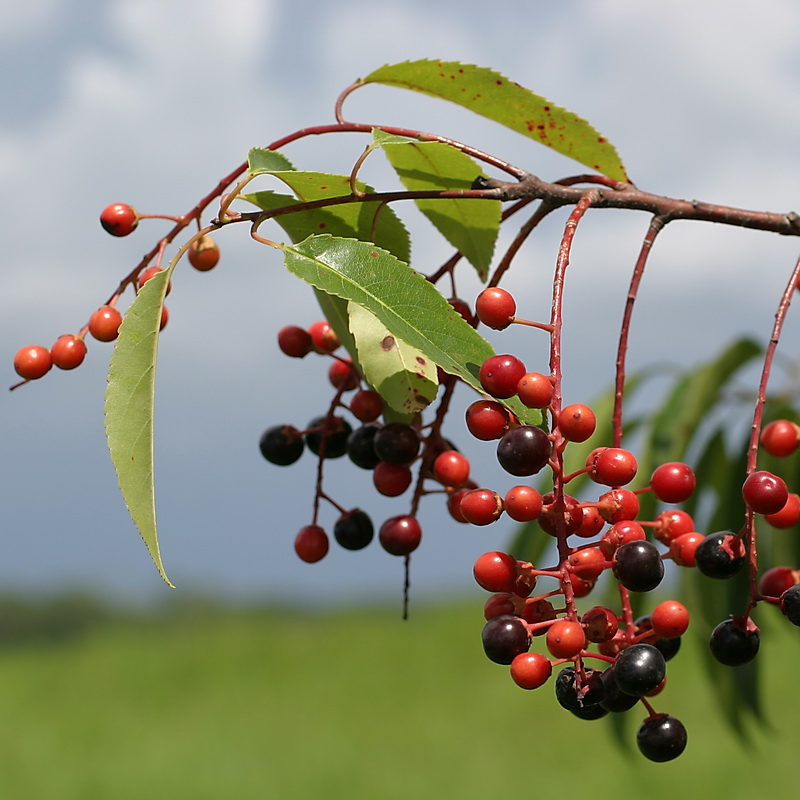
- ‘Texas’ Cherry (Prunus caroliniana): While technically a native shrub or small tree and not a true cherry in the culinary sense of being eaten fresh as a sweet or tart fruit, the native Texas cherry is a popular choice for landscaping in Florida due to its evergreen nature and its prolific production of small, dark red to black fruits. These fruits are edible, with a tart flavor, and are often used for jellies, jams, or as bird attractants. It requires very few chilling hours and thrives in Florida’s heat. It’s important to note its botanical distinction from the cherries typically grown for pies and desserts.
- ‘Surprise’ Cherry (Prunus sp.): This is a variety that has shown promise for its low chilling requirement. It is a tart cherry that produces dark red fruit. Its ability to produce fruit with minimal cold exposure makes it a candidate for central and northern Florida.
- ‘Black Tartarian’ (Prunus avium): While a sweet cherry, ‘Black Tartarian’ is known to be somewhat more tolerant of warmer climates and has a slightly lower chilling requirement than many other sweet varieties. In the most favorable locations in North Florida, with exceptionally mild winters, it might produce a modest crop. However, it’s still a gamble and relies heavily on the specific winter weather patterns.
Hybrids and Newer Cultivars
Ongoing research and horticultural innovation continue to explore new possibilities. Some experimental hybrids or less common cultivars might emerge that are better suited to Florida’s unique environment. These often involve cross-breeding with species native to warmer regions or those with naturally lower chilling needs.
Key Considerations for Selection:
When selecting a cherry tree for Florida, prioritizing these factors is crucial:

- Low Chilling Requirement: This is paramount. Aim for varieties advertised with chilling needs below 300 hours, ideally much lower.
- Disease Resistance: Florida’s humidity and heat can create an environment conducive to fungal diseases. Opt for varieties known for their resistance to common issues like brown rot and leaf spot.
- Pollination: Some cherry trees are self-pollinating, while others require a cross-pollinator. Research the specific variety’s needs. In Florida, ensuring adequate pollinators like bees are present is vital, especially given the potentially extended blooming periods in milder winters.
Planting and Caring for Cherry Trees in Florida
Successfully growing cherries in Florida requires more than just selecting the right variety; it demands specific planting and care strategies tailored to the local conditions. Understanding the soil, watering needs, and pest management is crucial for a healthy and productive tree.
Soil Preparation and Planting
Florida soils vary widely, but many are sandy and acidic. Cherries, like most fruit trees, prefer well-draining soil with a slightly acidic to neutral pH.
- Drainage is Key: Poor drainage is a death sentence for most fruit trees in Florida. If your soil is heavy clay or tends to waterlog, amending the planting area with compost and other organic matter is essential. Raised beds can also be an excellent solution to ensure adequate drainage.
- Site Selection: Choose a location that receives at least six to eight hours of direct sunlight per day. While cherries need sun, they can also suffer from intense midday heat. Partial afternoon shade might be beneficial in the hottest parts of the state, but it should not compromise the overall sunlight requirement.
- Planting Depth: Plant the tree at the same depth it was in the nursery container. The graft union (the knotty area where the scion variety is joined to the rootstock) should always be positioned above the soil line.
Watering and Fertilization
Consistent moisture is vital, especially during the tree’s establishment period and when fruit is developing. However, overwatering can lead to root rot.
- Watering Schedule: Water deeply and regularly, especially during dry spells. For young trees, this might mean watering several times a week. Mature trees can tolerate slightly less frequent watering, but they should not be allowed to dry out completely.
- Fertilization: Cherries benefit from balanced fertilization. A common recommendation is to use a fruit tree fertilizer or a balanced granular fertilizer in early spring. Follow the product’s instructions carefully, as over-fertilization can damage the tree. Composting around the base of the tree can also provide essential nutrients.
Pest and Disease Management
Florida’s climate presents unique challenges regarding pests and diseases. Vigilance and proactive management are necessary.
- Common Pests: Aphids, scale insects, and various borers can attack cherry trees. Regular inspection of leaves, branches, and trunk can help catch infestations early. Organic pest control methods, such as horticultural oils or insecticidal soaps, are often effective.
- Common Diseases: Fungal diseases like brown rot, powdery mildew, and leaf spot are prevalent in humid Florida. Ensuring good air circulation by pruning appropriately and avoiding overhead watering can help. Fungicides may be necessary, especially during wet periods. Organic options are available, but chemical treatments might be required for severe outbreaks.
- Birds and Wildlife: Cherries are attractive to birds and other wildlife. Bird netting or other deterrents may be necessary to protect your harvest.
The Potential of Cherries in Florida’s Tourism and Local Produce Scene
While growing cherries in Florida might not rival the scale of states like Washington or Michigan, the pursuit holds unique potential for enriching Florida’s agricultural tapestry and its agritourism offerings.
Agritourism Opportunities
Imagine U-pick cherry farms, small orchards offering tasting events, or even farm-to-table experiences that feature locally grown cherries. These niche attractions can draw visitors interested in unique agricultural experiences and the chance to savor a fruit not typically associated with the Sunshine State.
- U-Pick Farms: Establishing small, specialized U-pick operations that highlight low-chill varieties can become a novel destination. Offering events during the cherry season, which would likely be in late spring or early summer, could attract families and fruit enthusiasts.
- Culinary Delights: Local restaurants and bakeries could incorporate Florida-grown cherries into their menus, creating signature dishes, desserts, or beverages that celebrate this unique local produce. This could foster a distinct culinary identity tied to the state’s agricultural diversity.
- Educational Tours: Orchards could offer tours demonstrating the specialized techniques required to grow cherries in Florida, highlighting the science and dedication involved in overcoming climate challenges. This educational aspect can appeal to gardening enthusiasts and those interested in sustainable agriculture.
Supporting Local and Sustainable Agriculture
The cultivation of cherries in Florida, even on a smaller scale, contributes to the diversification of the state’s agricultural output. It encourages the exploration of underutilized crop types and promotes the adoption of innovative horticultural practices.
- Economic Viability: While large-scale commercial cherry farming may be limited, niche markets for high-value, locally grown produce can be economically viable for smaller farms and homesteads.
- Resilience: Diversifying crops can contribute to the overall resilience of Florida’s agricultural sector, making it less dependent on a few staple commodities like citrus or sugarcane.

Challenges and Future Prospects
The challenges of inconsistent chilling, disease pressure, and competition from larger, more established growing regions remain. However, with continued research into low-chill varieties, improved cultivation techniques, and creative marketing strategies, growing cherries in Florida can evolve from a horticultural curiosity into a sustainable and rewarding endeavor. For the dedicated gardener or the forward-thinking farmer, the sweet reward of a homegrown cherry, plucked from a tree flourishing under the Florida sun, offers a truly unique and satisfying experience.
LifeOutOfTheBox is a participant in the Amazon Services LLC Associates Program, an affiliate advertising program designed to provide a means for sites to earn advertising fees by advertising and linking to Amazon.com. Amazon, the Amazon logo, AmazonSupply, and the AmazonSupply logo are trademarks of Amazon.com, Inc. or its affiliates. As an Amazon Associate we earn affiliate commissions from qualifying purchases.